





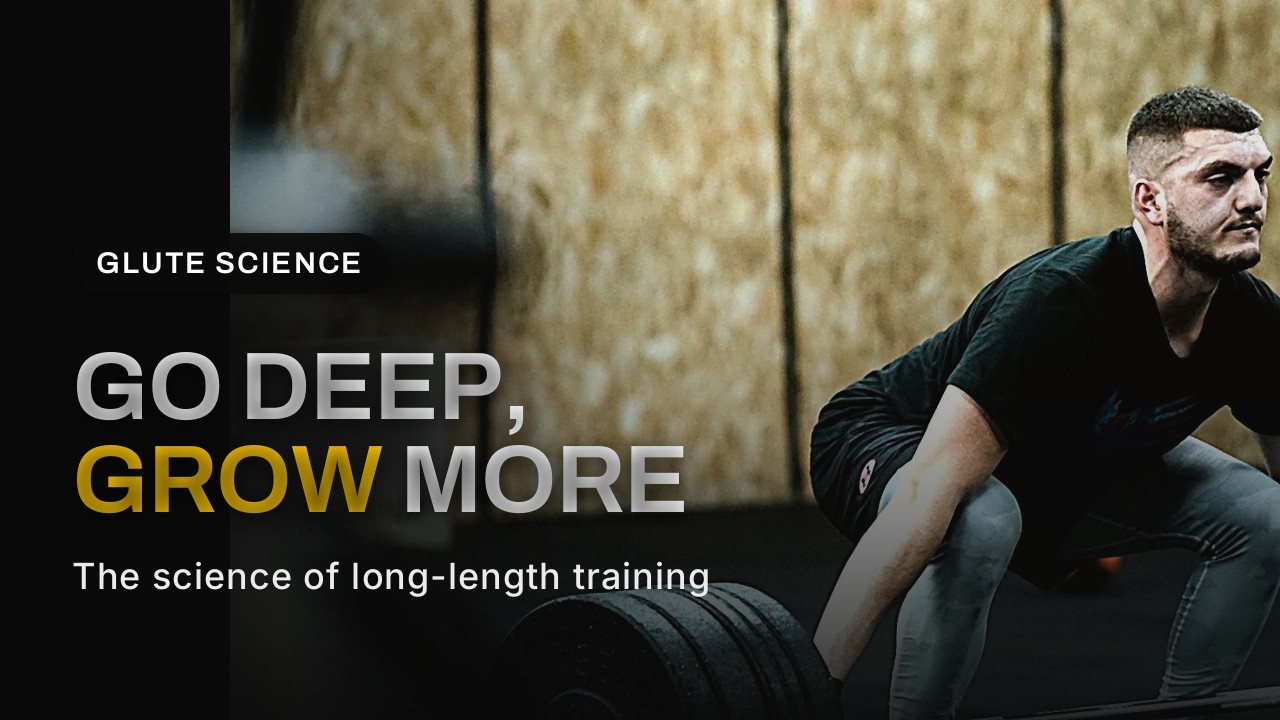

Every rep has two ends: the squeeze at the top and the stretch at the bottom. For years, gym culture obsessed over the squeeze. Lock out hard, hold the contraction, feel the burn. The stretch was just the part of the rep you passed through on your way back to the part that mattered.
New research suggests the gym had it backward, at least for growth. The bottom of the rep, where the muscle is longest and under the most tension, may be doing more for hypertrophy than the lockout ever did. Scientists call it stretch-mediated hypertrophy, and it is one of the most practical ideas exercise science has produced in years. For gym owners, it changes which exercises deserve floor space and how members should be coached on them. For home-gym lifters, it changes how much depth matters on every set.
Here is what the studies actually found, where the hype goes too far, and how to program the loaded stretch with two machines built for exactly that job: the Hip Thrust Machine and the Pendulum Squat.
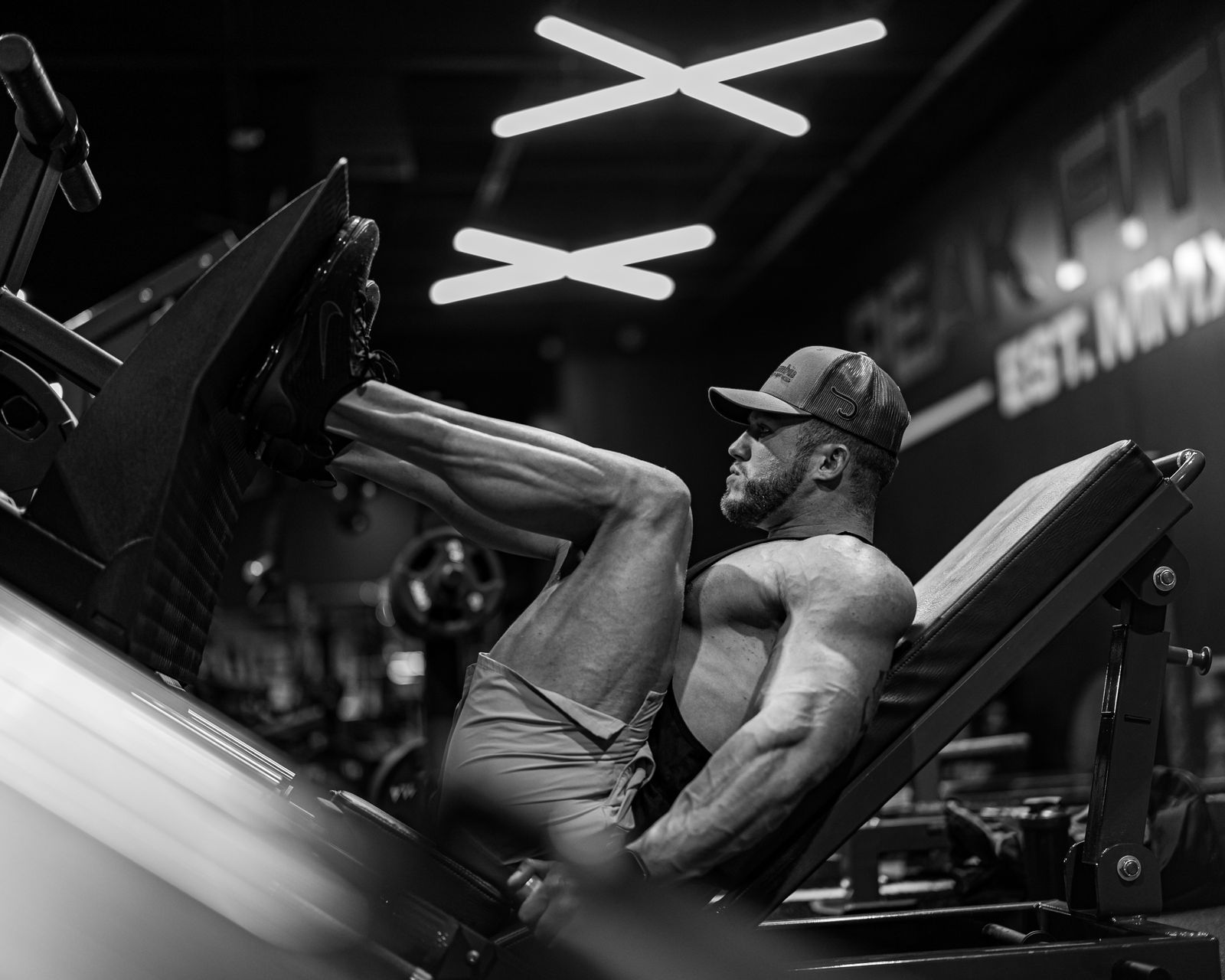
What Is the Loaded Stretch? (Stretch-Mediated Hypertrophy, Explained Simply)
A muscle under load at a long length is doing something special. The fibers are stretched, the tension is high, and the growth signaling seems to respond to that combination more than to the same load at a short length. Picture the difference between lowering with control into the bottom of a deep squat and bouncing through quarter reps that never leave the top half.
One distinction matters before we go further: this is not about passive stretching. Sitting in a split for five minutes is not a growth stimulus worth chasing. A 2024 meta-analysis by Warneke and colleagues, covering 42 studies and 1,318 participants, found that chronic static stretching produced only small hypertrophy effects, an effect size of 0.20. Stretching alone is a weak signal. Stretch under load, where the muscle is lengthened while producing force, is the version that moves the needle.
The Research: Why Long Muscle Lengths Grow More Muscle
The cleanest demonstration comes from Maeo and colleagues (2023, European Journal of Sport Science). In a 12-week within-subject design, 21 participants trained one arm with the triceps in an overhead, lengthened position and the other arm in a neutral, shorter position, twice per week. The lengthened side grew 28.5 percent in the long head of the triceps versus 19.6 percent on the shorter side, roughly 1.5 times greater growth, and the whole triceps grew 19.9 percent versus 13.9 percent. Here is the part that should make every gym owner pause: the lengthened arm used 34 to 39 percent less absolute load and still won. Length beat load.
The pattern has shown up across multiple studies, though a 2025 systematic review in Sports Medicine and Health Science, covering 8 studies and 120 participants, calls the evidence mixed and notes that long-length training may also increase fascicle length, meaning the muscle may add sarcomeres in series. The honest summary: training at long muscle lengths tends to win, but the margin depends on the muscle and the study design.
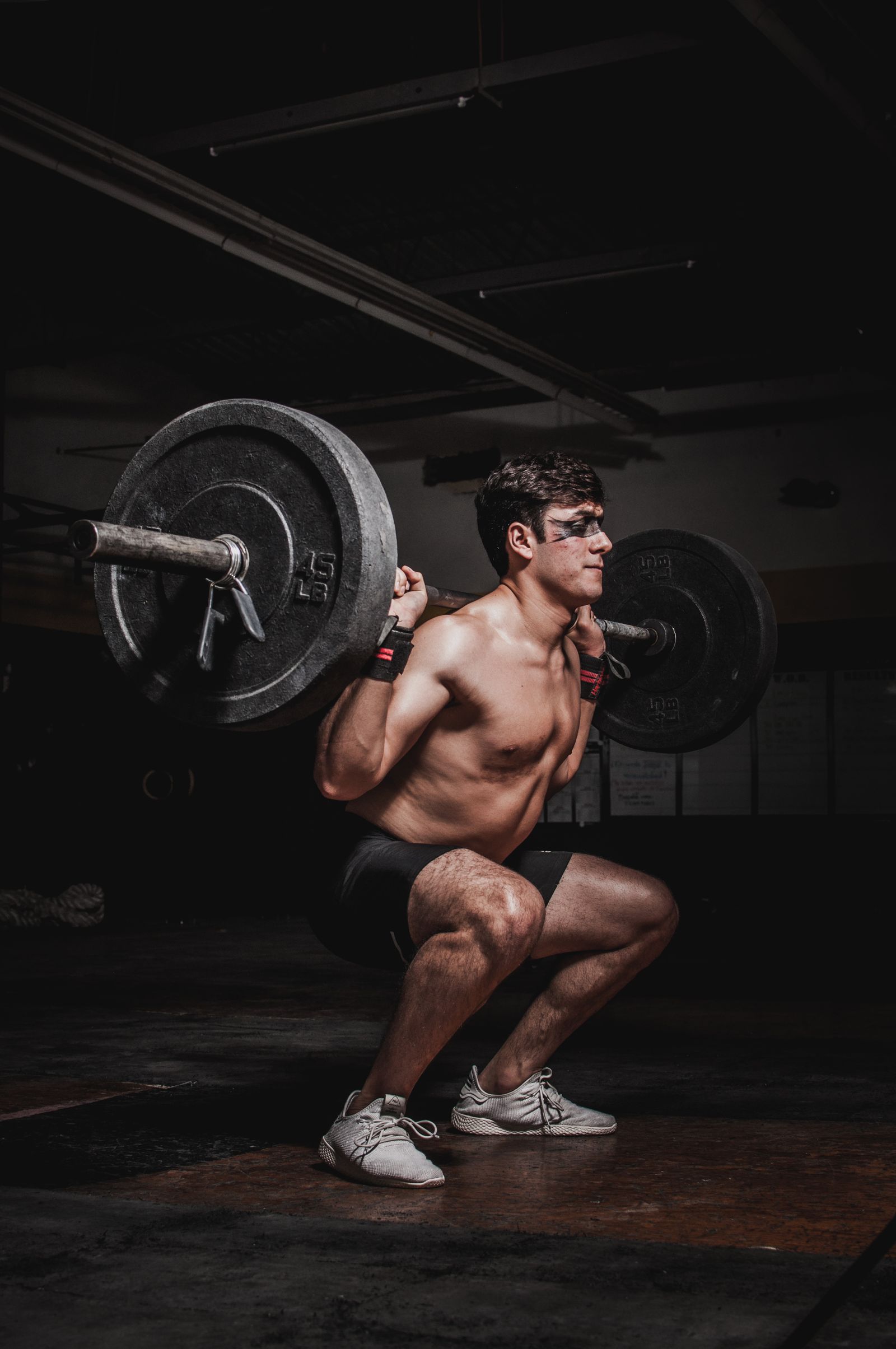
Lengthened Partials vs Full Range of Motion: What the Data Says
If the stretch position matters most, should lifters skip the top half entirely and do partial reps in the lengthened zone? A 2023 meta-analysis by Wolf and colleagues compared partial and full range of motion and found similar hypertrophy on average, a standardized effect of 0.04, essentially a tie. But partials performed at longer muscle lengths trended better than full range of motion, with an effect of -0.28, though the estimate was imprecise across 8 comparisons.
The practical read: full range of motion remains the safe default, especially for beginners. But advanced lifters adding lengthened partials after their full reps, staying in the deep zone where the muscle is longest, is a defensible strategy backed by a real trend in the data, not gym folklore.
One more honesty check, from Varovic and colleagues (2024): across 12 studies comparing longer versus shorter mean muscle lengths, the overall effects were trivial at every measured muscle site, standardized differences of 0.04 to 0.09. Both approaches build muscle. The loaded stretch is an edge, not a revolution. Gym owners should hear that framing, because it is the difference between smart programming and marketing hype.
Hip Thrust vs Squat for Glutes: Two Studies, Honestly Compared
Now the question glute-focused gyms actually ask: hip thrust or squat for bigger glutes? Two head-to-head studies give a refreshingly honest answer: it depends on who is lifting.
In Barbalho and colleagues (2020), well-trained women trained for 12 weeks with either the back squat or the hip thrust. The squat group grew their glutes 9.4 percent versus 3.7 percent for the hip thrust group, and their quads 12.2 percent versus 2 percent. The authors pointed to the squat's larger range of motion and deeper glute stretch as part of the explanation. One caveat worth knowing: a separate white paper has questioned data patterns in some of this research group's work, so treat this as one data point, not gospel.
In Plotkin and colleagues (2023), untrained lifters did 9 weeks of either hip thrust or squat with training volume equated. This time, glute growth was similar between groups, while the squat added more quad growth (3.6 cm2 more) and more adductor growth (2.5 cm2 more). Deadlift strength transferred equally.
Put together: for beginners, both build glutes and the squat builds more thigh. For advanced lifters, the deeper stretch of the squat may pull ahead for glutes. Either way, the pattern rhymes with the loaded-stretch story. The movement that keeps the glute under tension at a longer length has the edge.
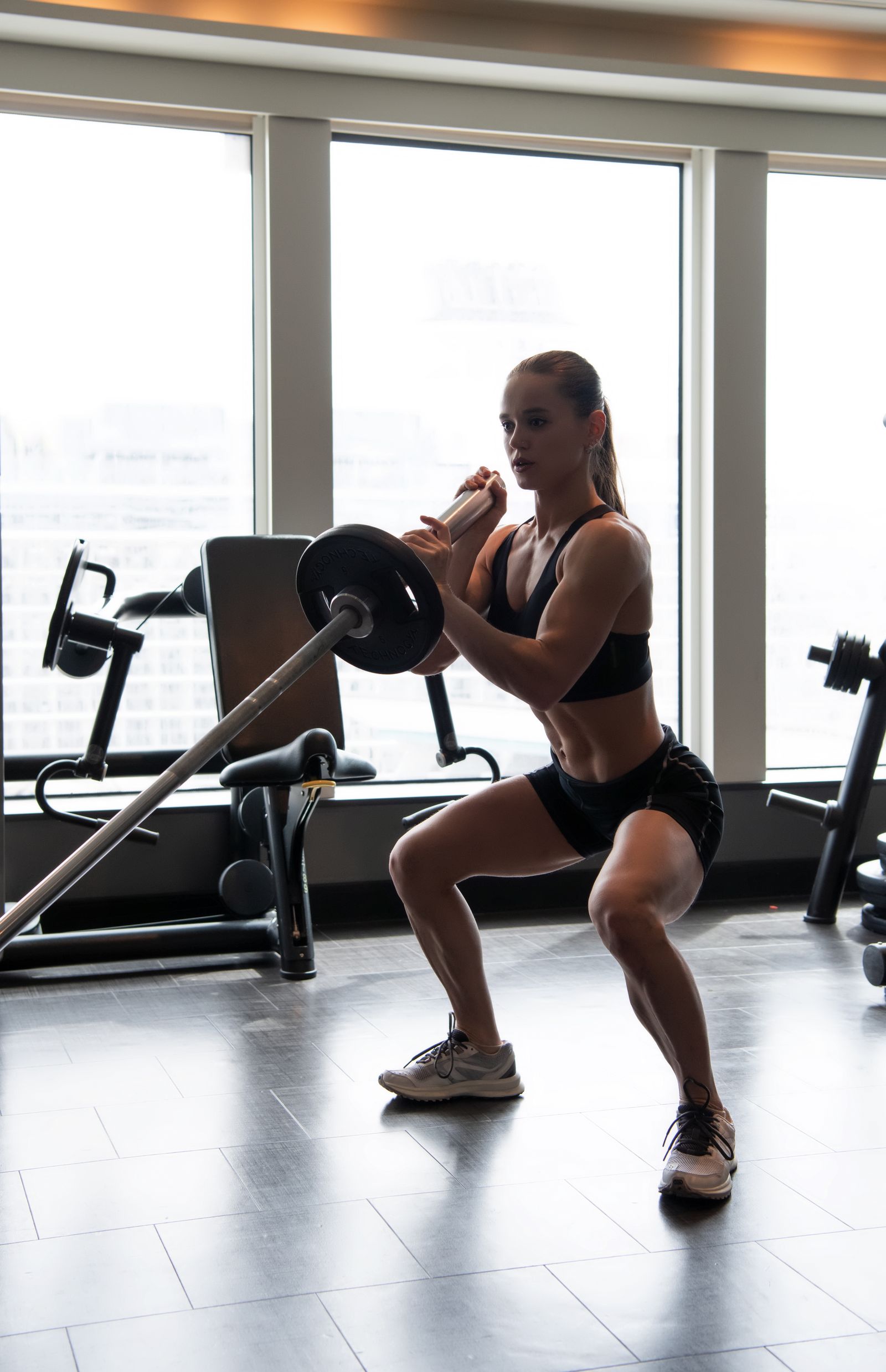
The EMG Trap: Why Activation Doesn't Always Mean Growth
Here is where it gets uncomfortable for everyone who has ever posted an EMG chart. Contreras and colleagues (2015) showed that the barbell hip thrust produces greater gluteus maximus EMG activity than the back squat, with peak effort at full hip extension, and that the flexed-knee position puts the hamstrings in active insufficiency so the glute max does more of the work. Real finding, real lab.
But Plotkin's team measured EMG in the very first training session of their 2023 study and found higher glute activation during the hip thrust at every site tested, yet nine weeks of training produced similar glute growth. Their conclusion is worth quoting directly: EMG "did not consistently predict gluteal hypertrophy outcomes." Activation tells you which muscle is working hardest in the moment. It does not tell you which exercise builds the most muscle over three months. For gym owners buying equipment off EMG charts alone, that sentence deserves a frame on the wall.
How Gym Owners Can Program the Loaded Stretch
Science is only useful when it changes a workout. Here is how to put the loaded stretch to work on your floor or in your garage gym.
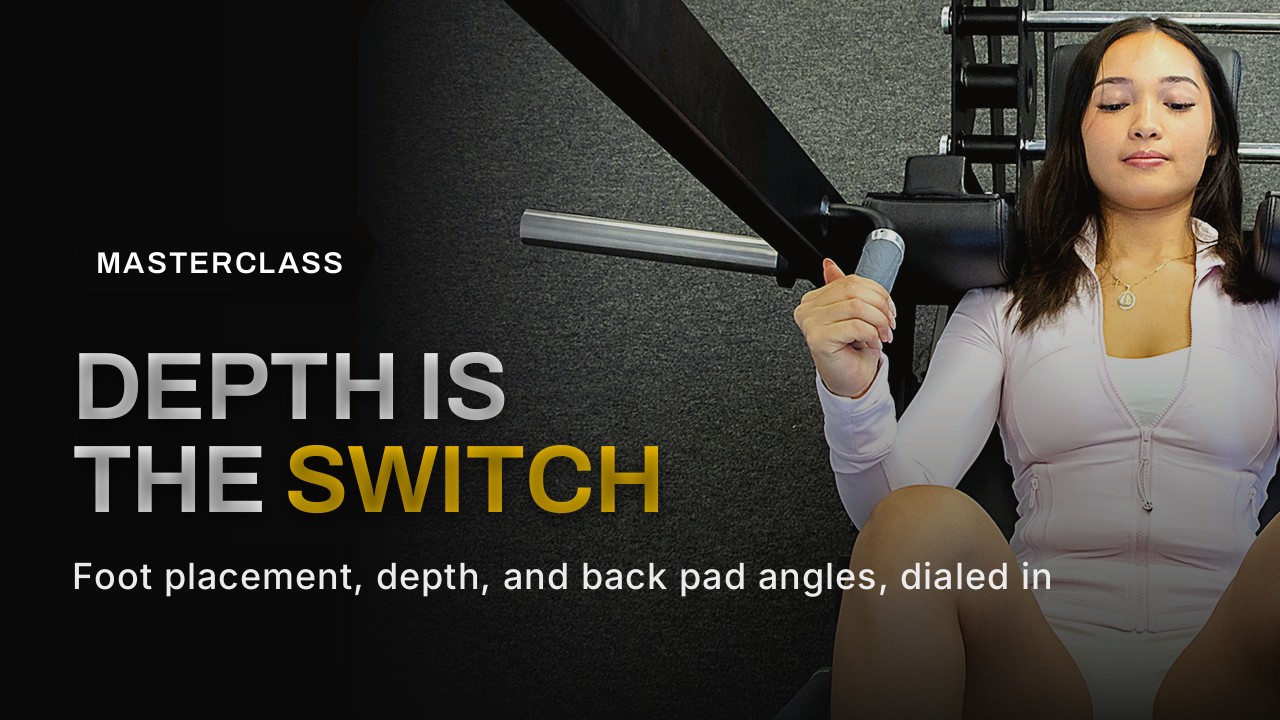
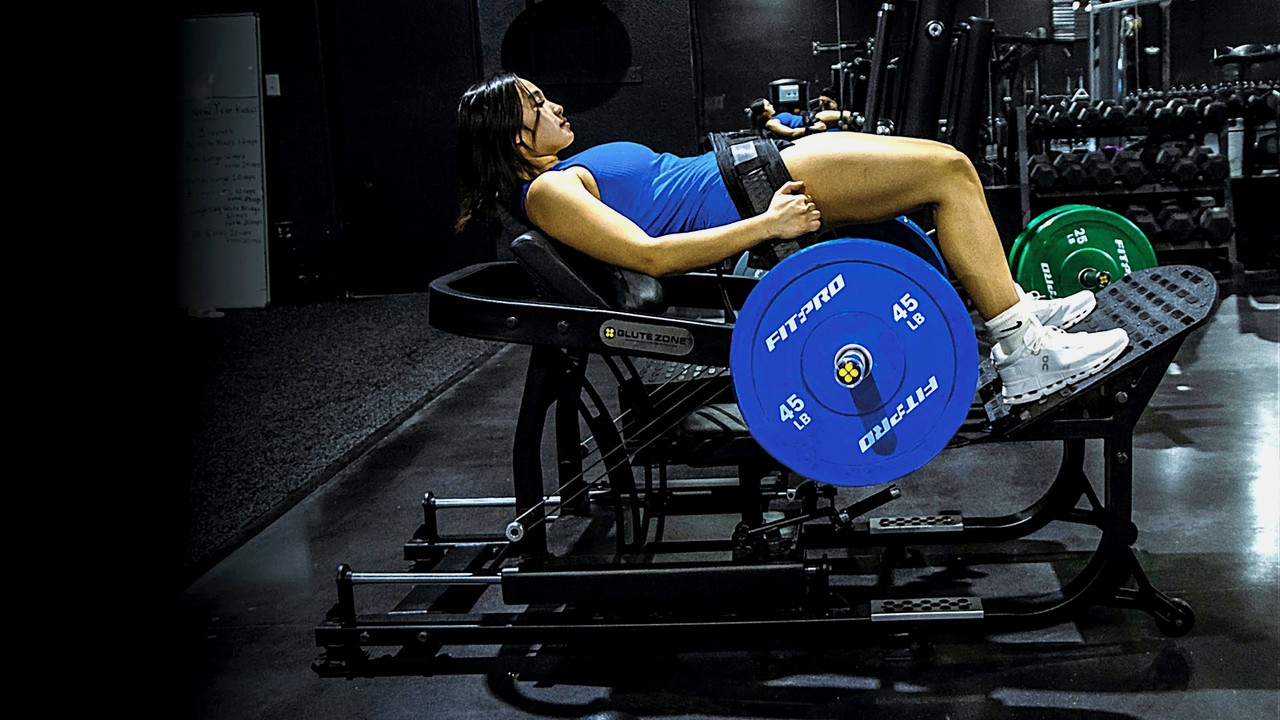
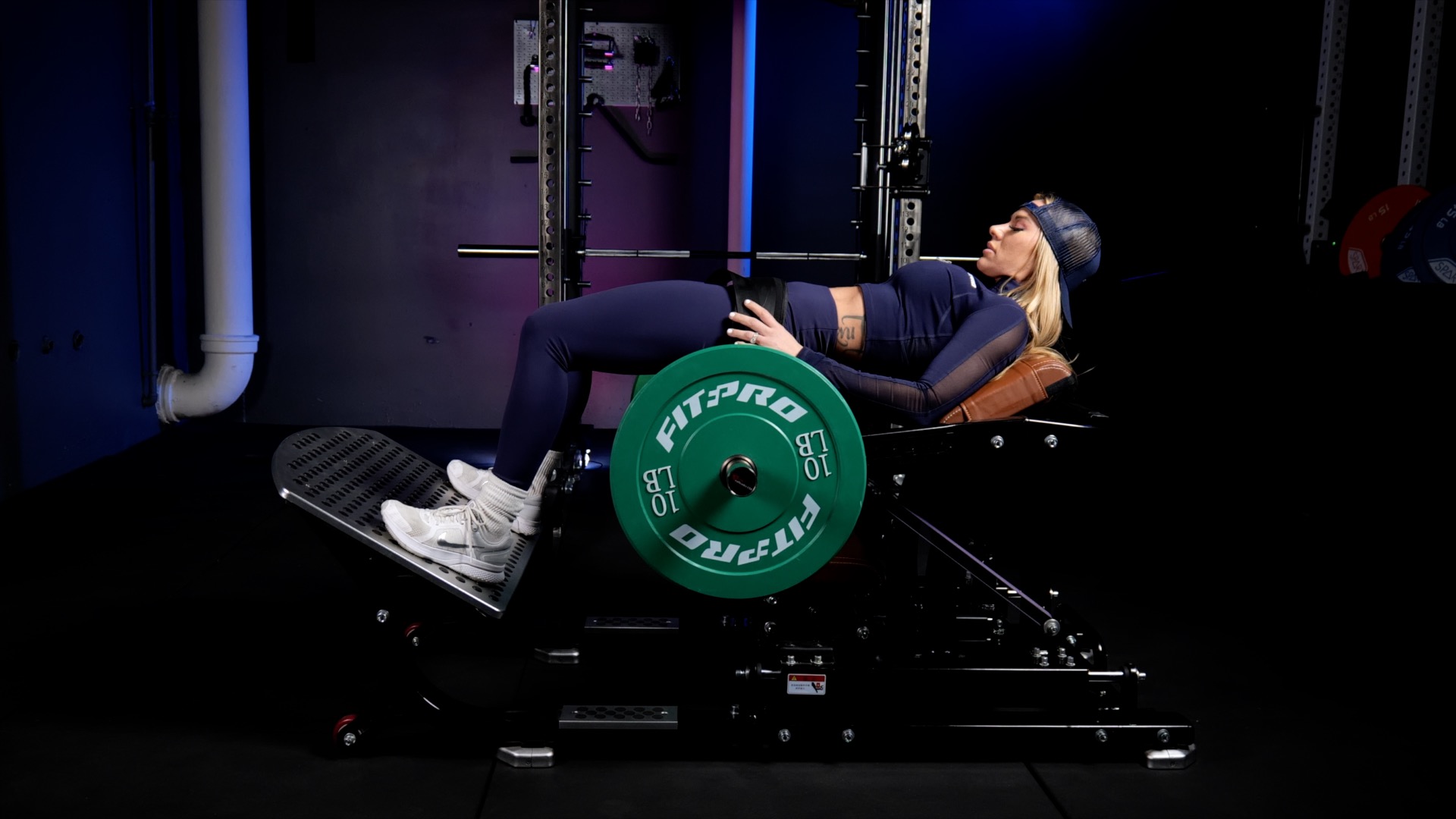
First, chase depth with control. The growth signal lives in the bottom of the rep. Coach members to own the stretch position, controlled rather than bounced, instead of rushing back to the lockout. On the hip thrust, that means lowering until the glutes are fully lengthened at the bottom, not stopping three inches short of depth.
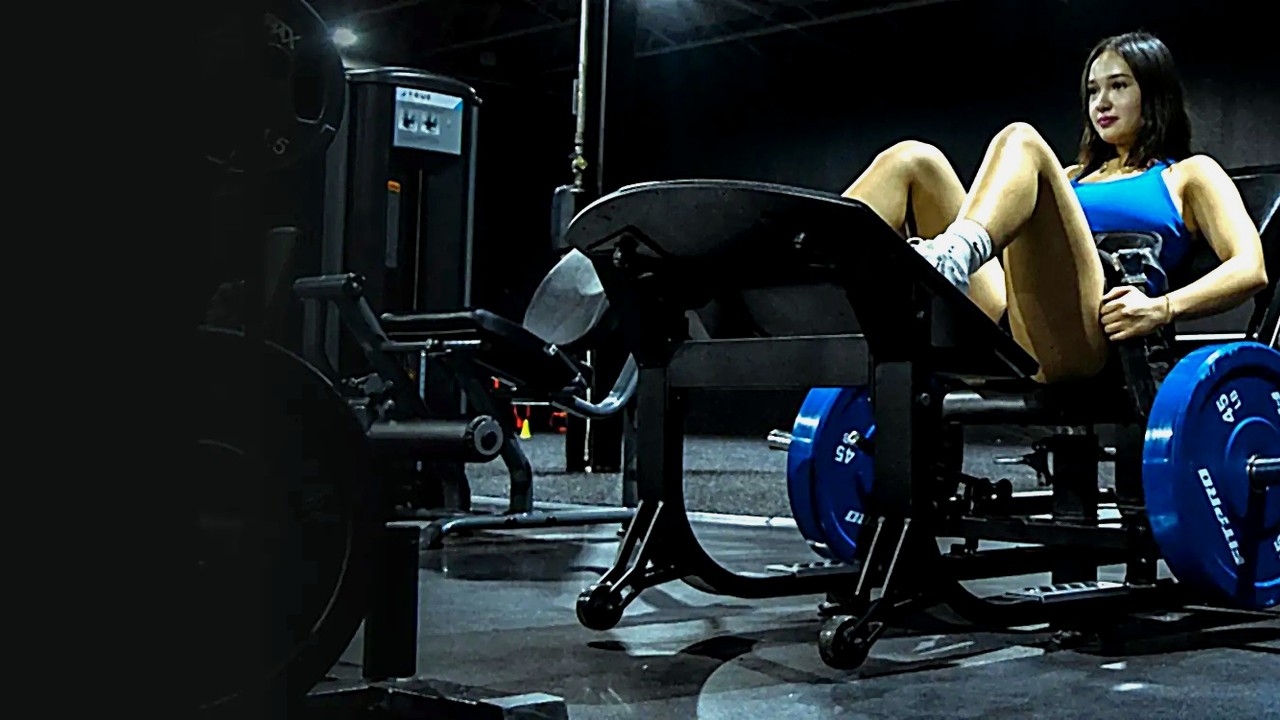
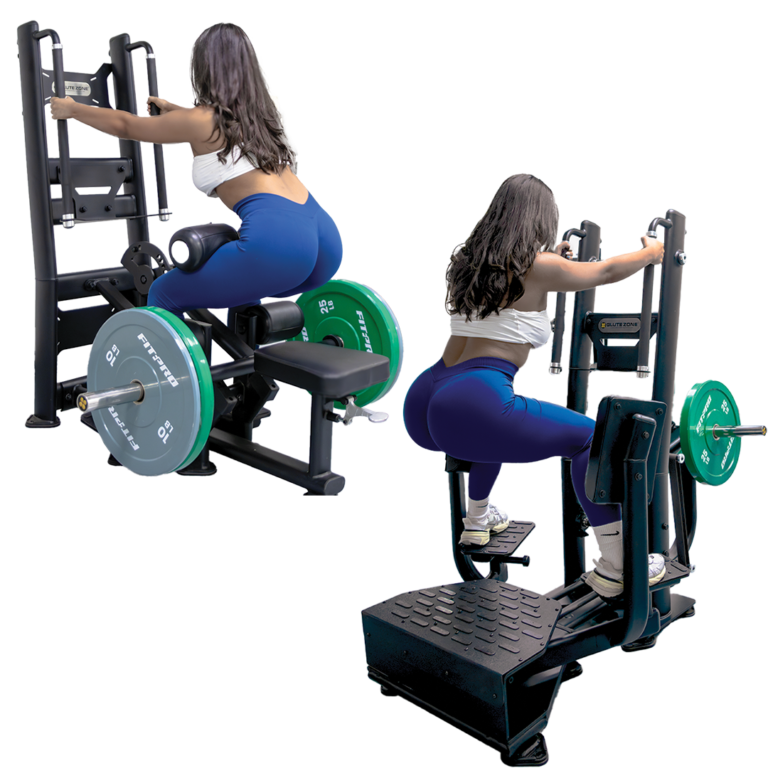
Second, pick exercises that load the lengthened position. Not every machine challenges the muscle where it is longest. A deep pendulum squat loads the glutes and quads through a deep, stretched bottom position; a shallow leg press does not. Audit your floor: which stations actually load the stretch?
Third, use lengthened partials as a finisher, not a foundation. After full range sets, one or two sets of partials in the deep zone extend time in the position that matters. Keep full range as the base, especially for beginners and general-population members.
Fourth, do not sacrifice load for the sake of stretch. The Maeo study is a reminder that moderate loads at long lengths can beat heavy loads at short ones, but that is not permission to go light. The muscle still needs meaningful tension. Deep and heavy enough to be hard, that is the combination.

Two Machines Built for the Deep Position
Programming is half the equation. The other half is commercial glute equipment that lets members actually reach the positions the research rewards.
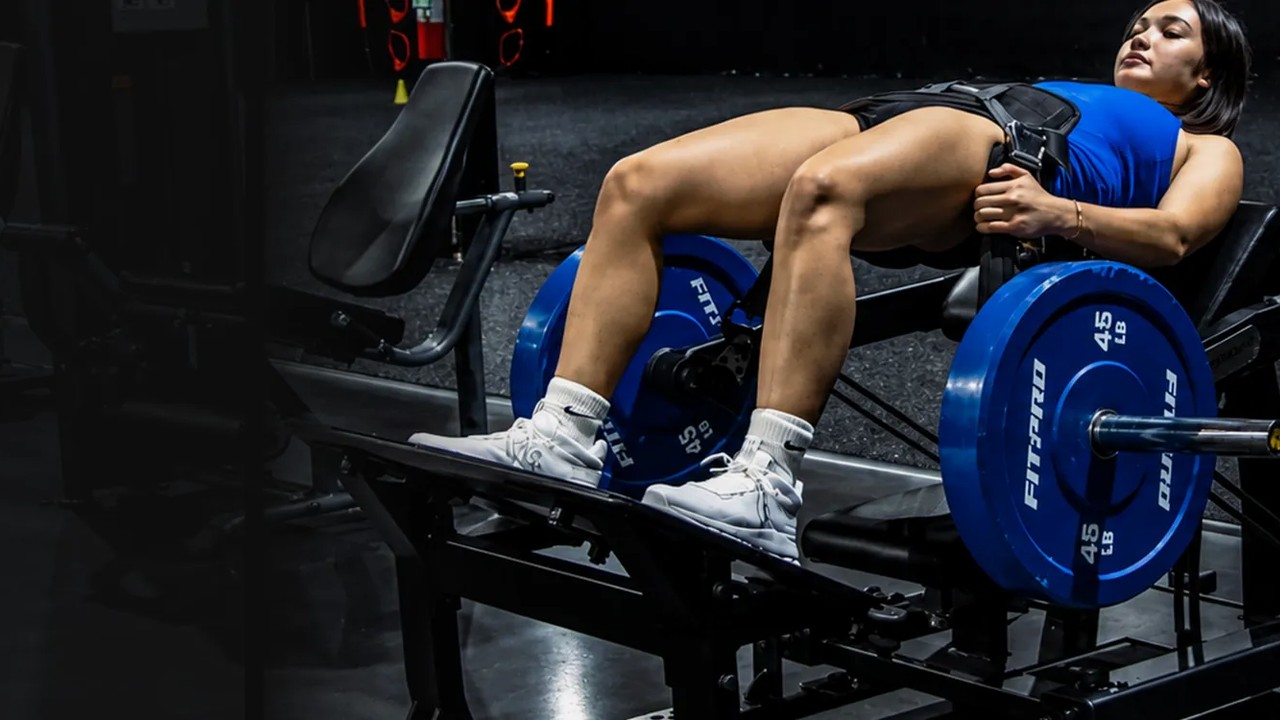
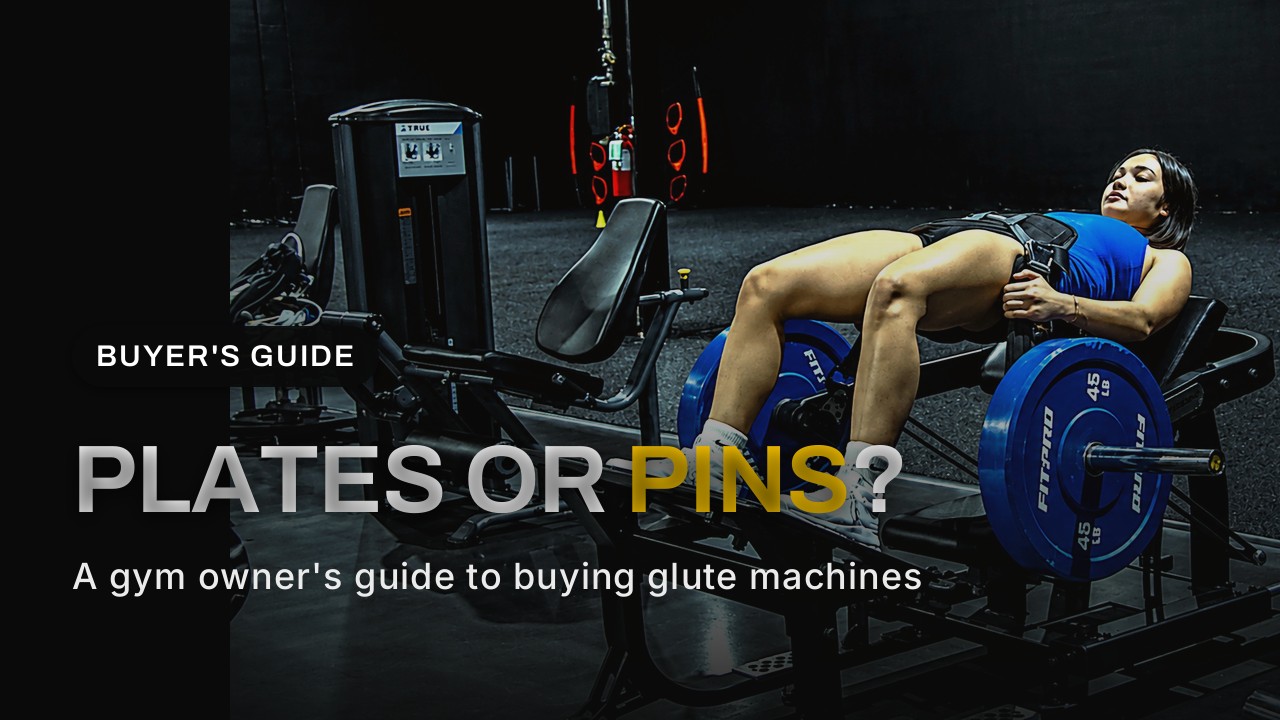
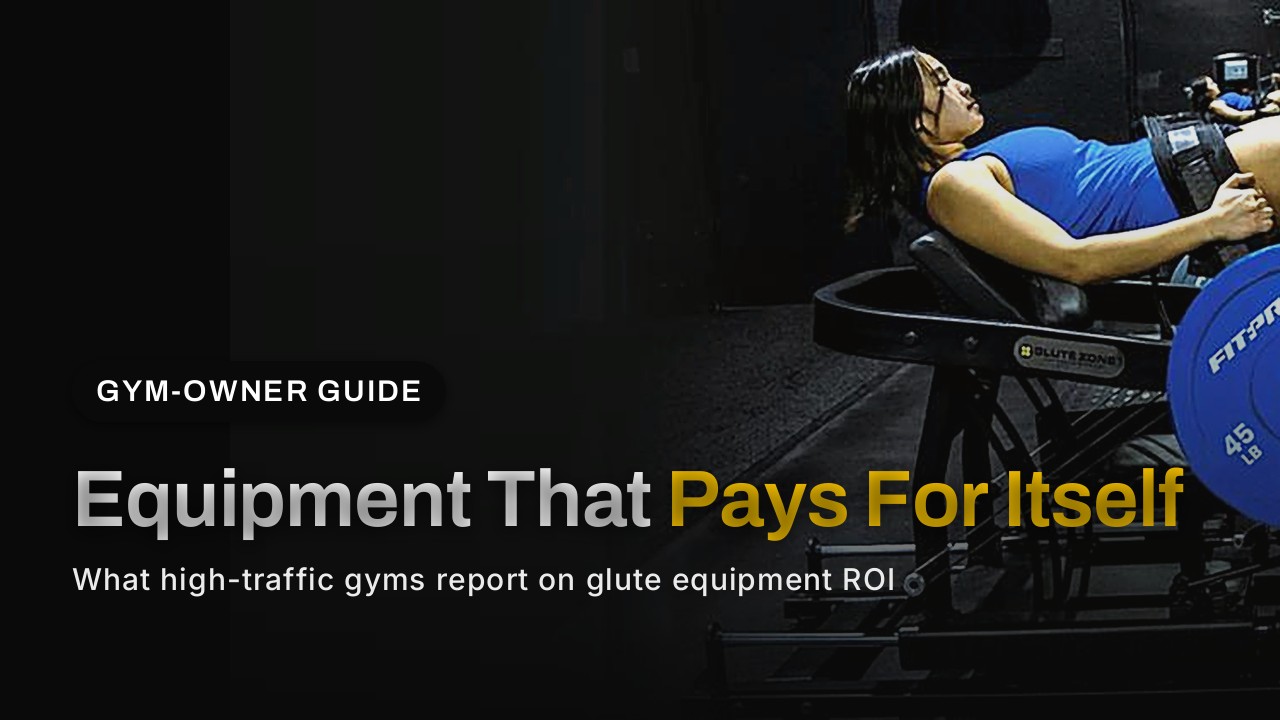
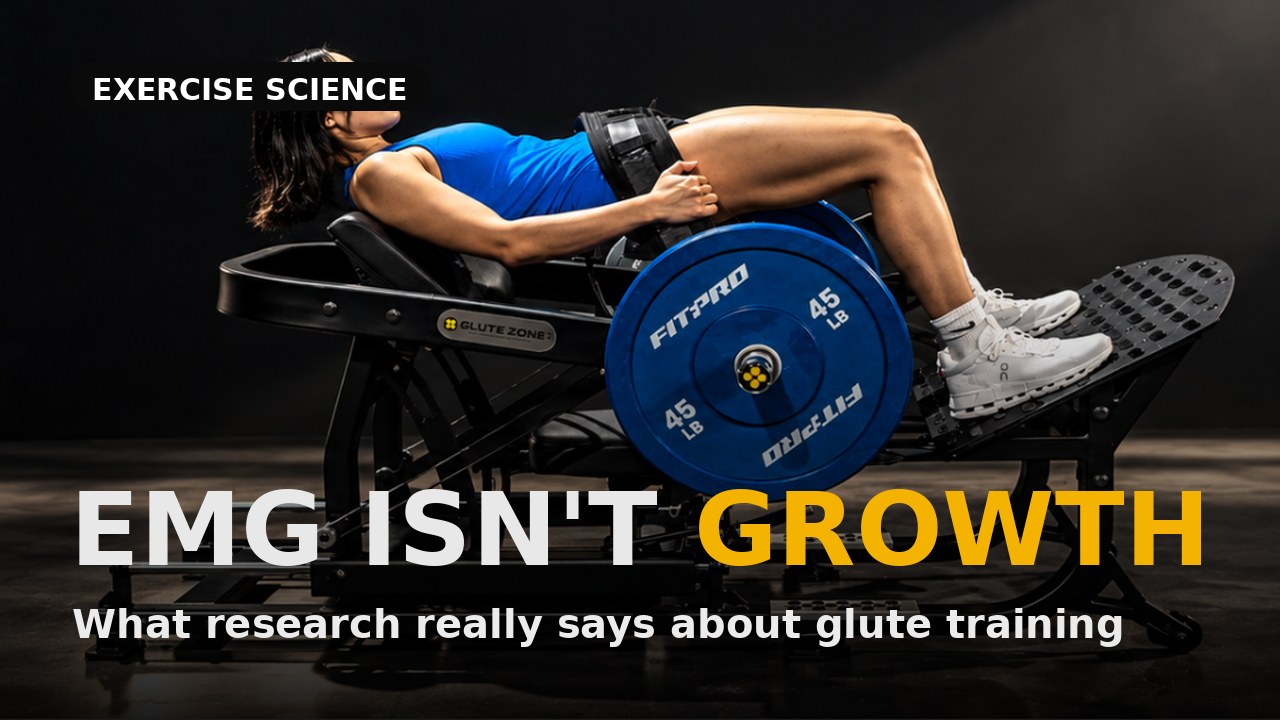
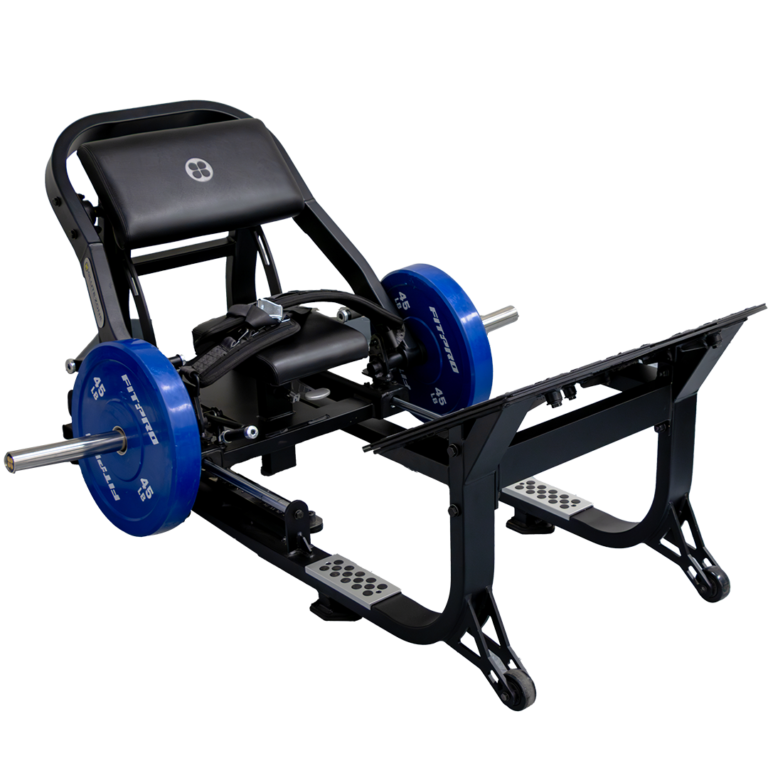
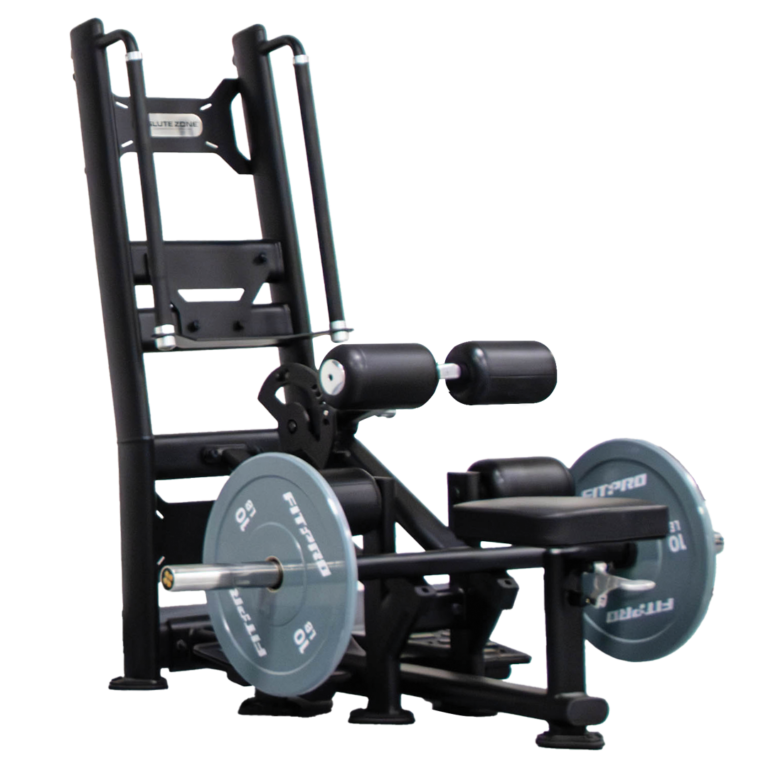
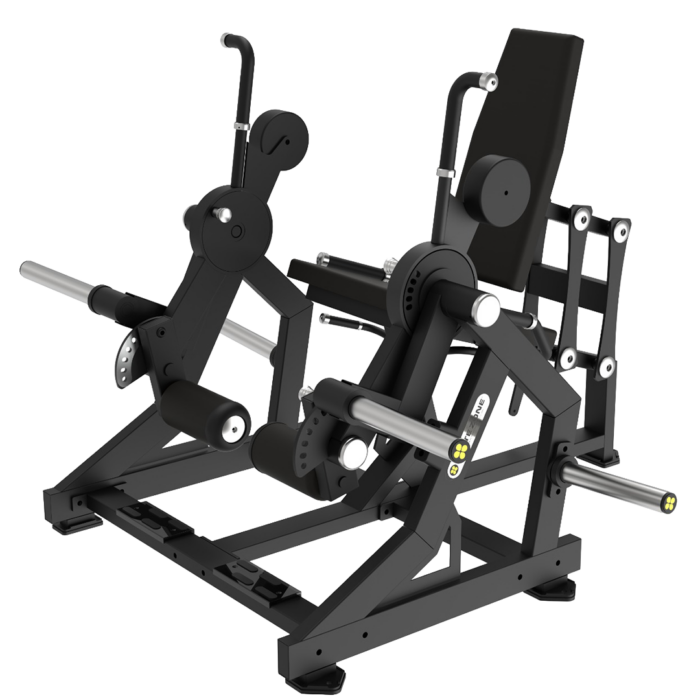
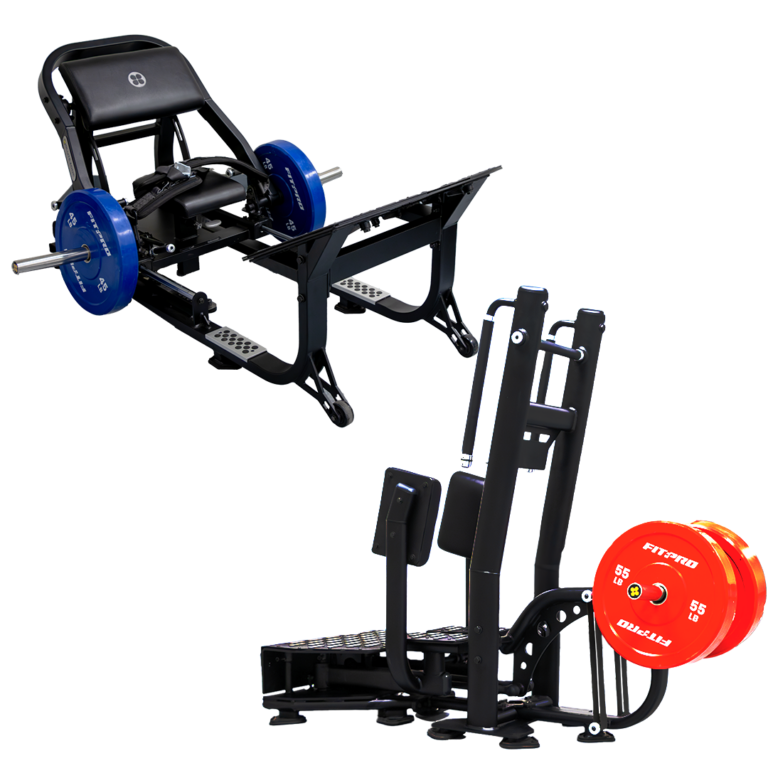
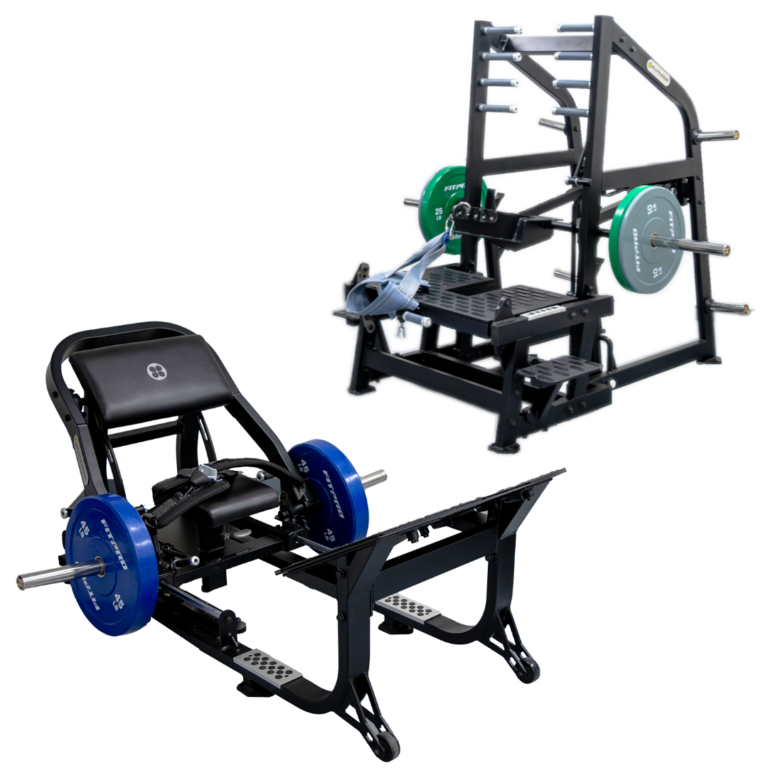
The plate-loaded GluteZone Hip Thrust Machine is built for the deep bottom position: a 16-point forward and backward adjustable seat so every body type can set up for full hip extension and a complete stretch at the bottom, plate horns that support up to 550 lbs of load, optional band pegs that keep tension high through the whole range, and a 357 lb commercial-grade steel frame with anchor-hole ports on each foot for optional bolting to the floor. At $2,239, it is the station where the loaded stretch happens for glutes, in commercial gyms and serious home gyms alike.
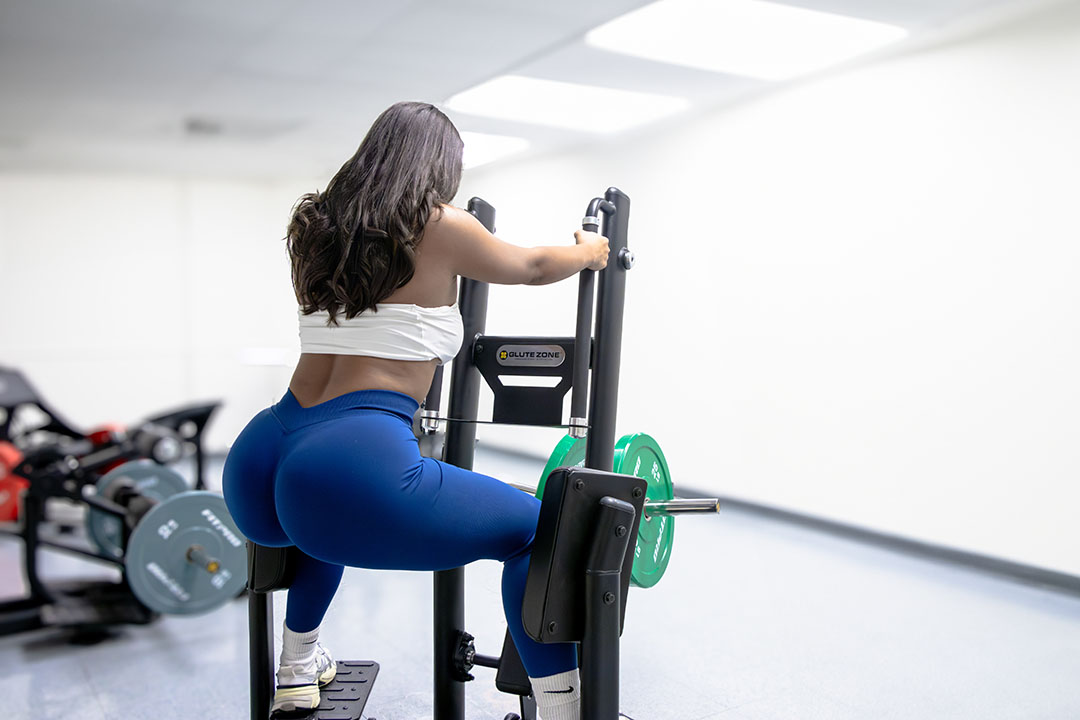
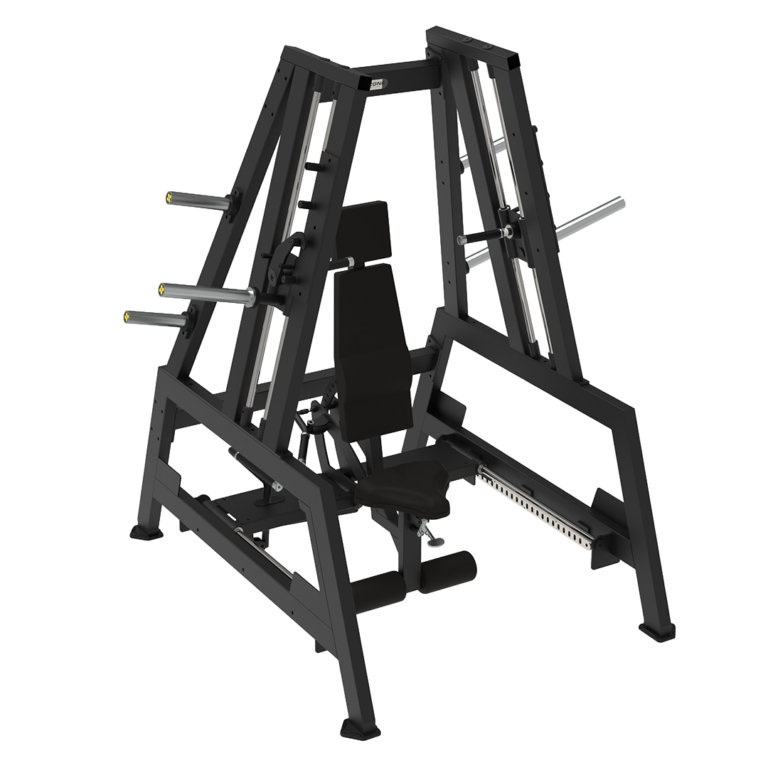
The GluteZone Pendulum Squat is the deep-position machine for the lower body: a dual-arm guided system that stays smooth with no lateral wobble even under heavy loads, a multi-position angle-adjustable footplate for precise targeting of glutes, quads, or the posterior chain, and a wide backrest with lumbar support plus a low entry step so beginners, athletes, and rehab clients can all reach depth safely. At $3,999, it puts the squat-pattern stretch on your floor without the barbell learning curve.
For home gyms, the same logic applies on a smaller footprint: one home gym glute machine that loads the glute at full stretch beats three stations that only work the short position.