






If you are building or upgrading a glute zone in your gym, one question shows up before any brand comparison: should the station be plate-loaded or selectorized? The answer affects more than how members load the machine. It shapes maintenance schedules, replacement timelines, member throughput during peak hours, and what you spend over the life of the equipment.
Both designs build glutes. Both appear on commercial gym floors everywhere. But they solve different problems, and buying the wrong type for your traffic and member base is an expensive mistake that is easy to avoid. This guide breaks down the decision the way an equipment buyer should see it: durability, ease of use, cost, and the member demand that justifies the station in the first place.
First, what do these terms actually mean?
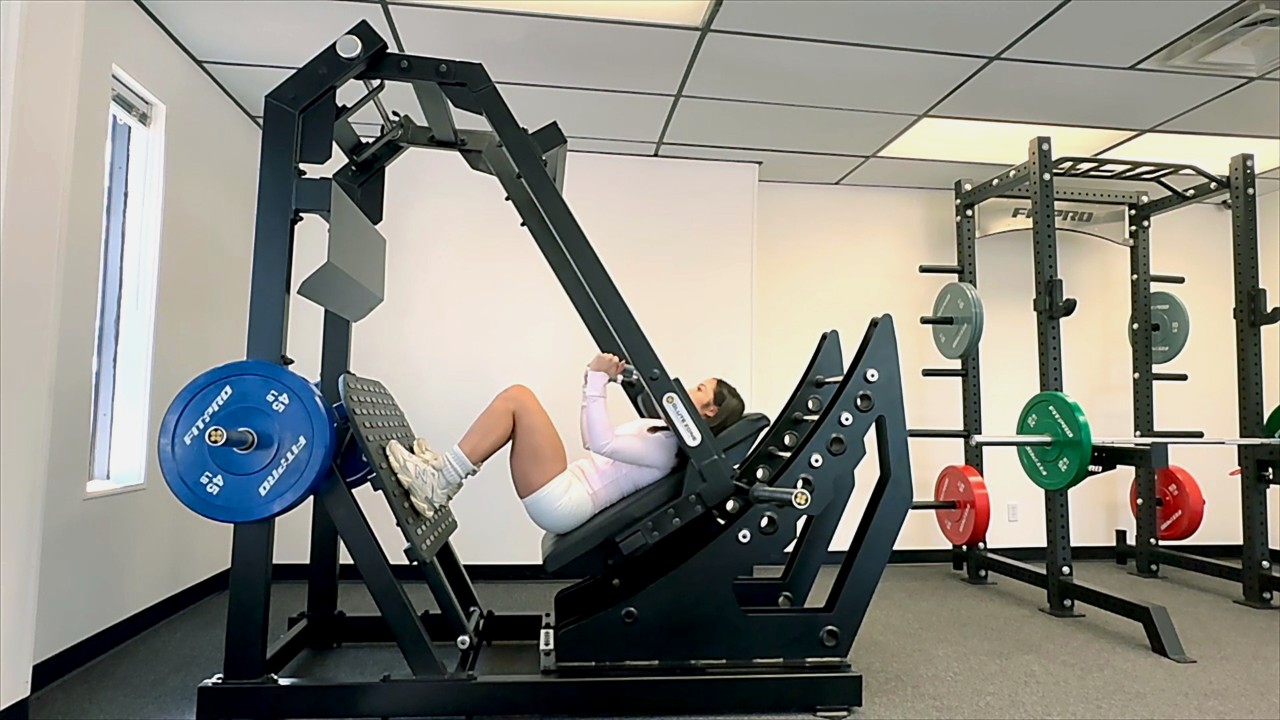
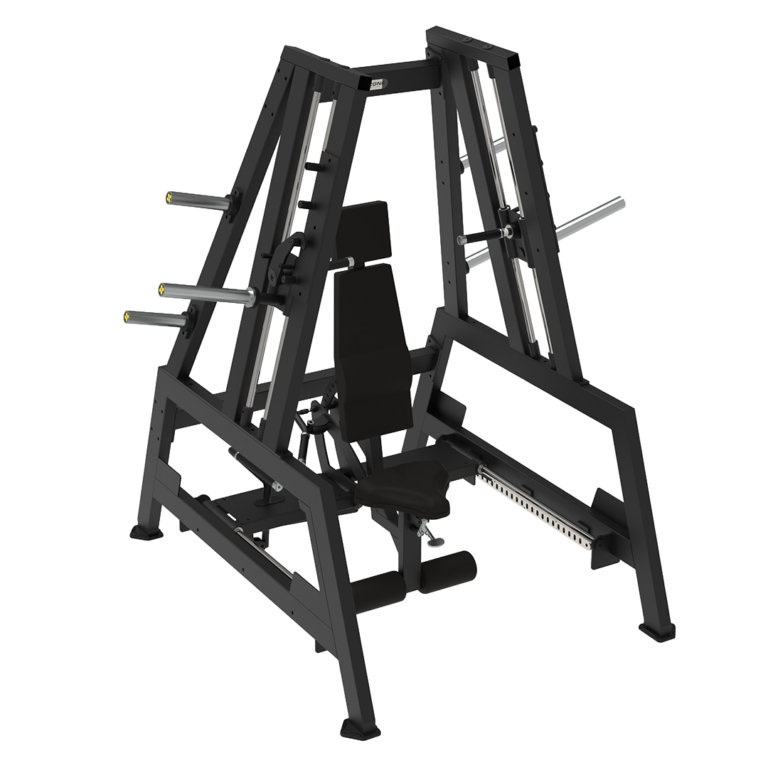
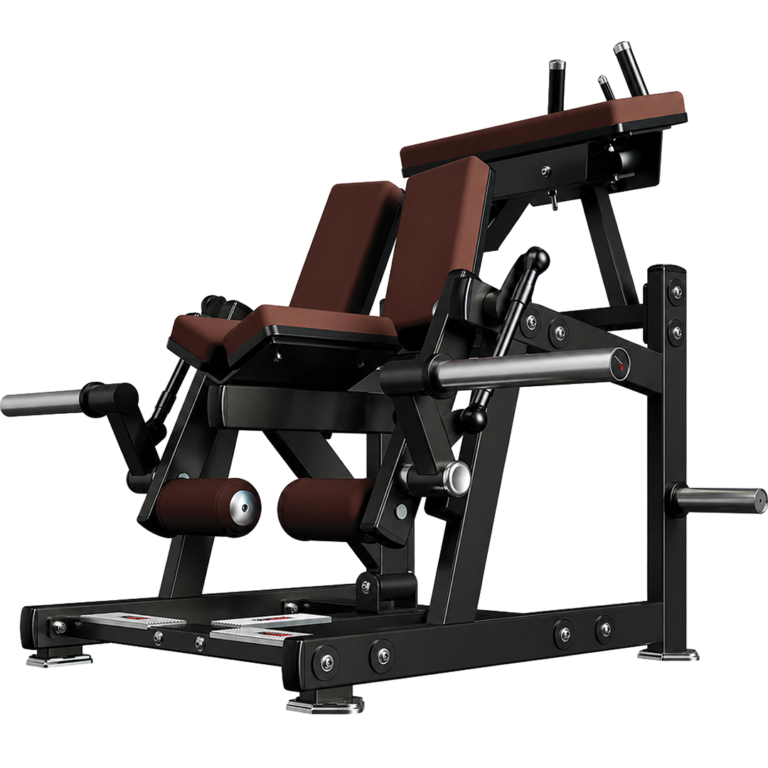
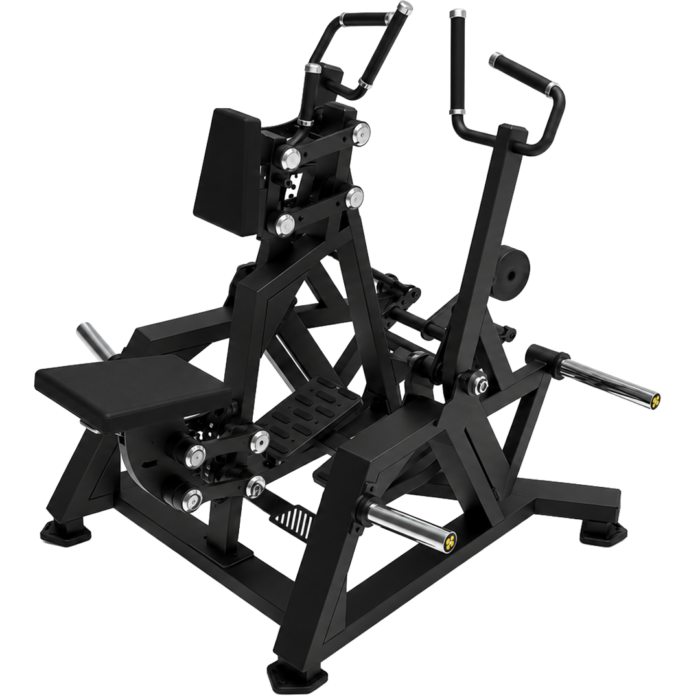
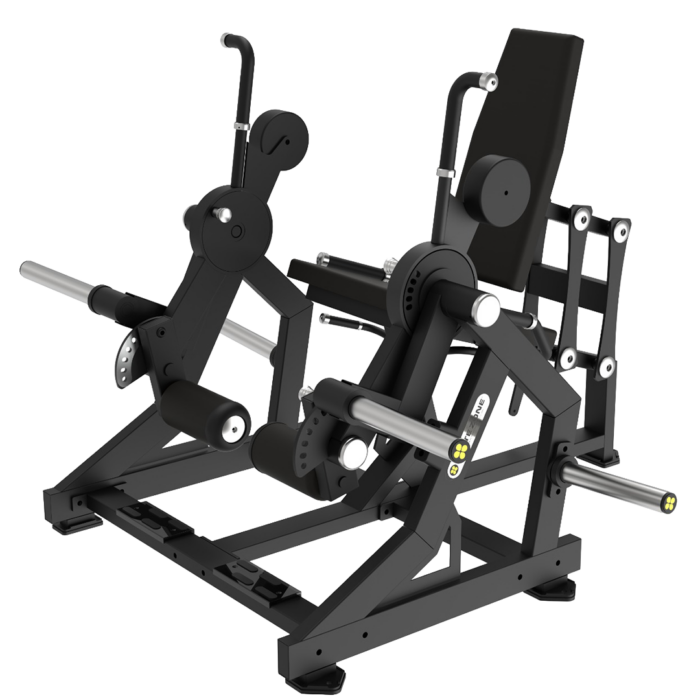
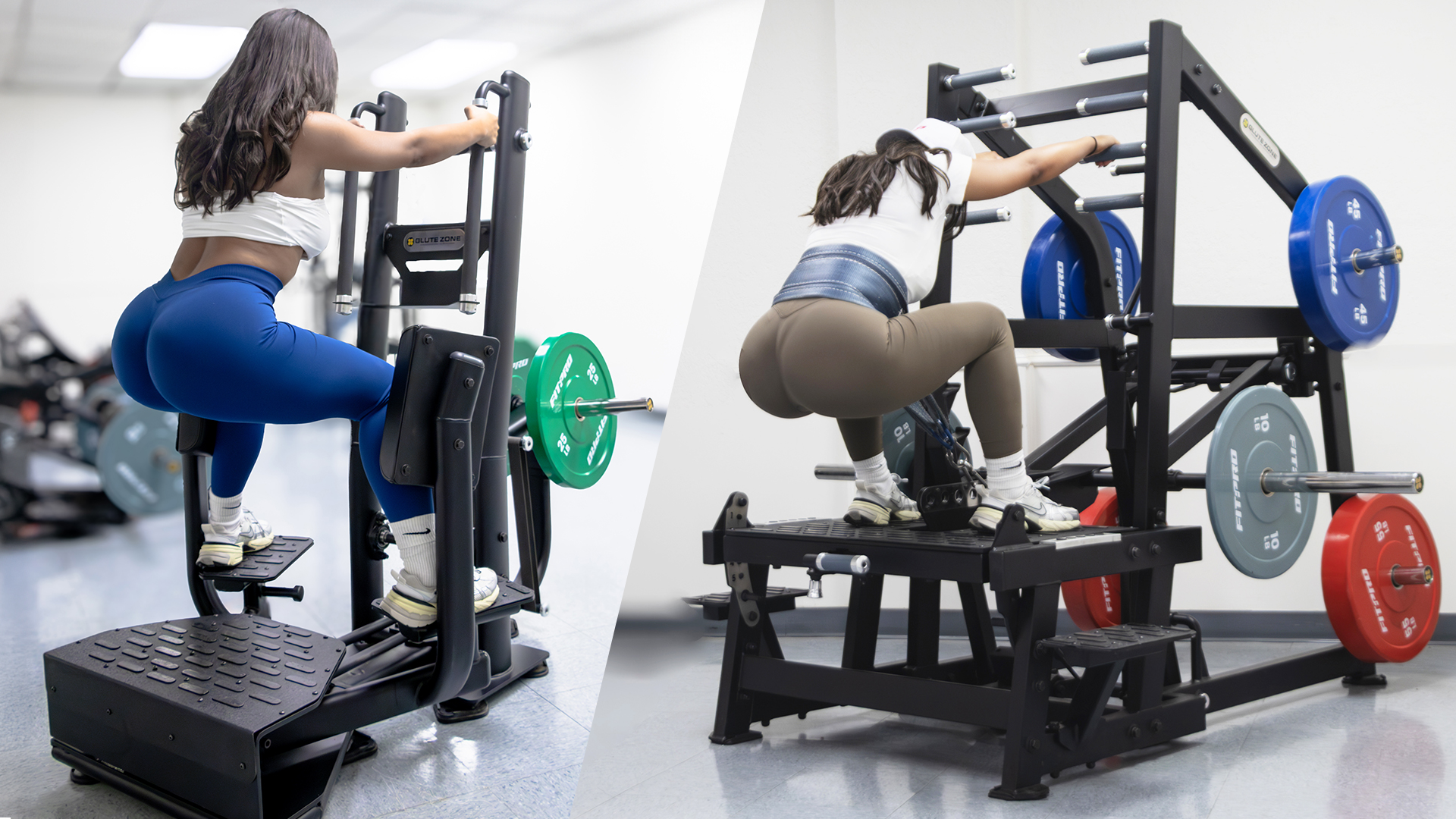
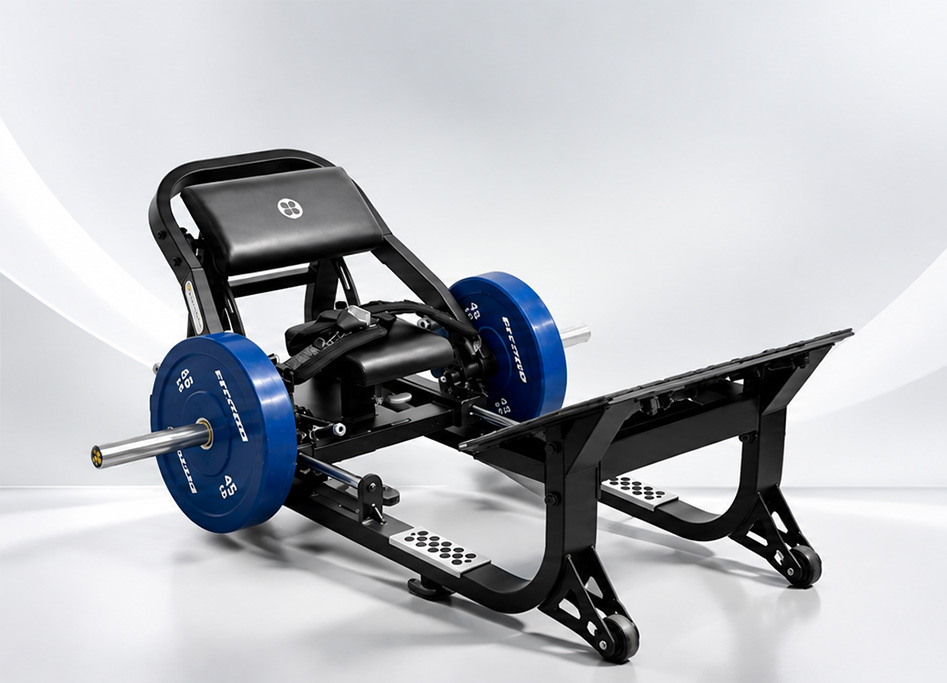
A plate-loaded machine gets its resistance from Olympic weight plates you slide onto steel horns or pegs. The machine itself is essentially a guided movement arm on a heavy frame. You load it the same way you load a barbell, in whatever increments your plate inventory allows.
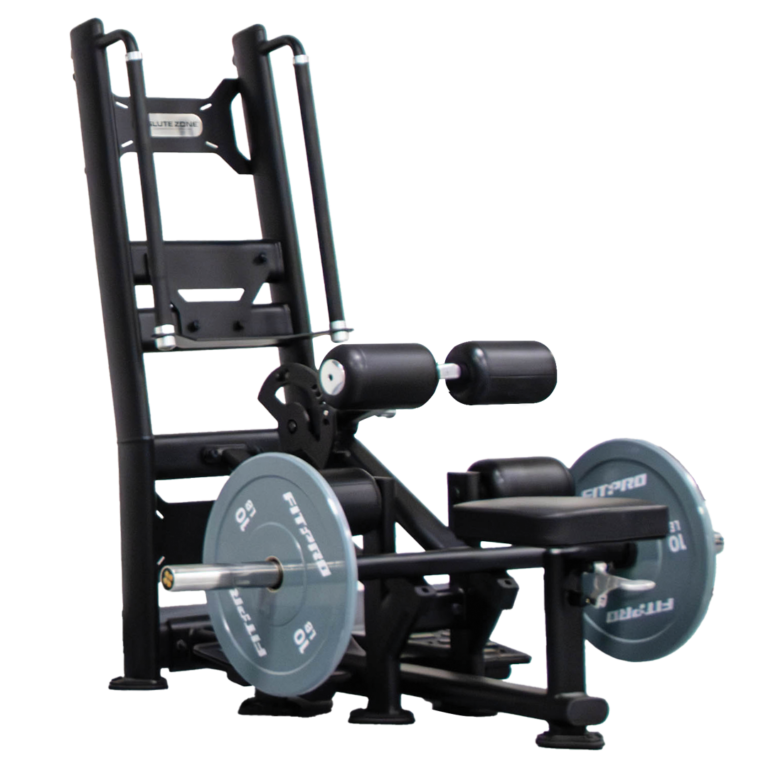
A selectorized machine (also called pin-loaded) carries its own built-in weight stack. Members select resistance by sliding a pin into the stack, usually in fixed increments of 10 or 15 pounds. No loose plates, no loading and unloading between sets.
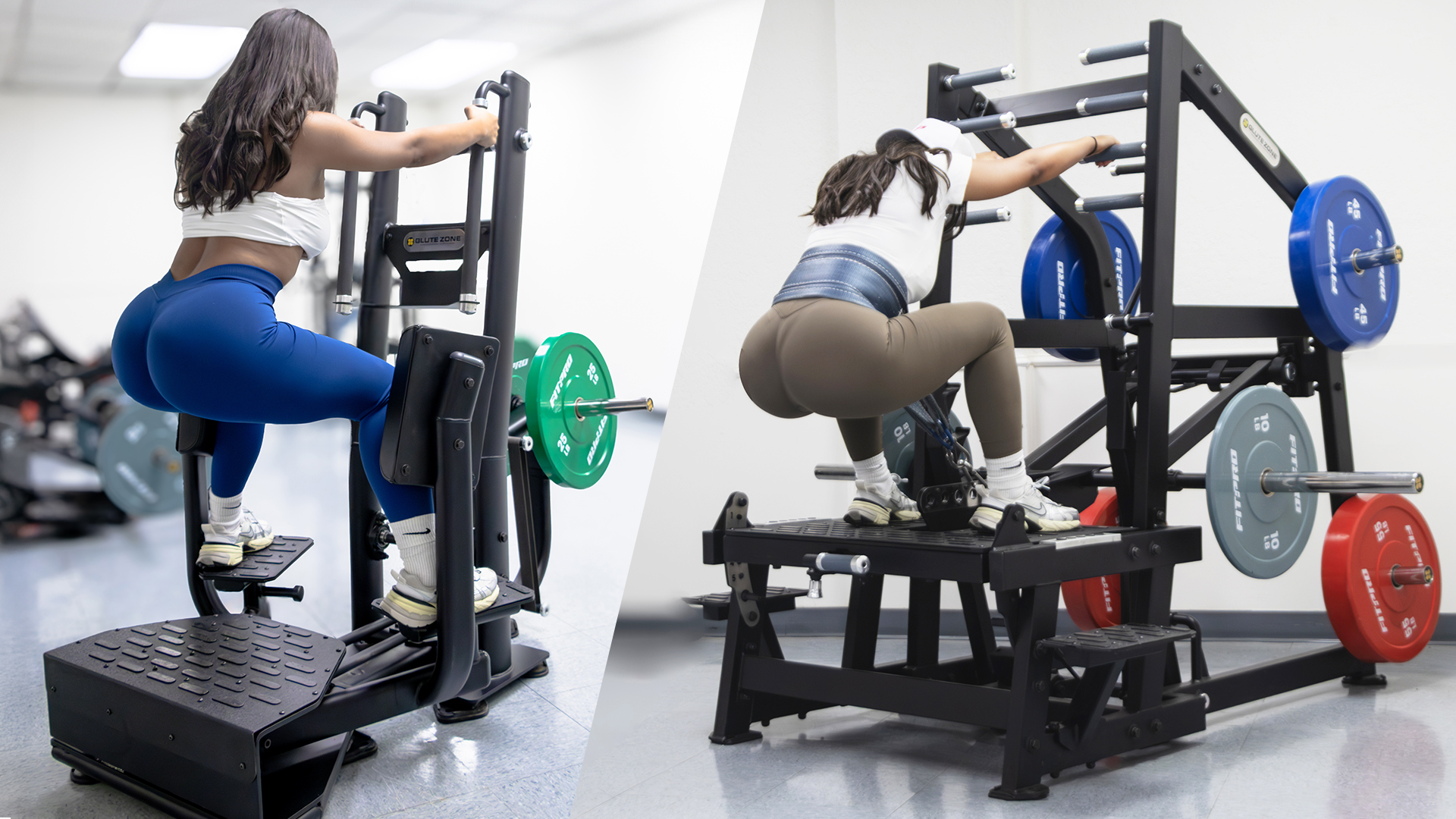
Glute machines come in both flavors. Hip thrust stations, glute kickbacks, and abduction machines are most commonly plate-loaded in the commercial segment, because the movement pattern rewards heavy, progressive loading. Selectorized versions exist too, especially in circuit-style layouts and beginner-oriented facilities. Understanding the tradeoffs helps you match the machine to the room, not the other way around.
Round 1: Durability and maintenance
This is where plate-loaded equipment makes its strongest case. A plate-loaded machine has very few wear parts: a movement arm, bearings or bushings at the pivot, and the frame itself. There are no cables to fray, no pulleys to seize, and no guide rods to wear. Industry buying guides consistently note that plate-loaded machines, racks, and benches are among the longest-lived pieces on a gym floor, often reaching up to 15 years of service with basic maintenance.
Up to 15 years
typical service life of plate-loaded machines with regular maintenance
Selectorized machines carry more moving parts by design: cables, pulleys, guide rods, and the weight stack itself. Those components need periodic attention. Commercial buying guides recommend professional servicing for strength machines about twice a year, with cable systems checked quarterly, because a frayed cable is both a safety issue and a station taken offline. The parts are replaceable and the work is routine, but it is work you will schedule for the life of the machine.
One honest caveat, raised by industry remanufacturing experts: plate-loaded equipment takes the hardest beating in heavy-traffic gyms, because plates get dropped, banged against frames, and slammed onto horns. In practice this means build quality matters more, not less, when you buy plate-loaded. Look for heavy-gauge steel, clean welds, a stable base, and a frame rated for the loads your strongest members will actually use. A cheap plate-loaded machine in a busy gym ages fast; a well-built one barely ages at all.
Round 1 verdict
Plate-loaded wins on simplicity and long-term durability, provided the frame is genuinely commercial grade. Selectorized adds a maintenance line item you should budget for from day one.
Round 2: Member throughput and ease of use
Here the advantage flips. On a selectorized machine, changing the weight takes about two seconds: pull the pin, slide it to the next plate, start the set. That speed matters enormously in two scenarios: high-traffic floors where members queue for stations, and beginner-heavy memberships where anything that looks complicated becomes a reason not to train.
Plate-loaded machines ask more of the user. Members have to walk plates over, load both sides evenly, and strip the machine when they finish. Experienced lifters do this on autopilot, but beginners can find it intimidating, and mid-workout weight changes interrupt training flow. If your peak hours look like a rush-hour subway, that friction is real.
Where plate-loaded claws back the advantage is loading precision and ceiling. You can microload with fractional plates, make 2.5-pound jumps, or keep stacking until you run out of plates or horn space. Most selectorized stacks top out around 200 pounds on many units, which is plenty for general members but can cap your strongest lifters. For progressive overload, the kind of training that keeps serious members renewing, plate-loaded offers a higher ceiling and finer control. Shared Olympic plates also stretch your budget: one plate inventory serves every plate-loaded station on the floor, which is better value per square foot than a dedicated stack on every machine.
Round 2 verdict
Selectorized wins for beginners, circuits, and peak-hour throughput. Plate-loaded wins for experienced lifters, precise progression, and heavy loading.
Round 3: Upfront cost and total cost of ownership
Sticker price tells only half the story. Plate-loaded machines often carry a lower purchase price because they ship without a built-in resistance system. The catch is that you need Olympic plates to use them, so factor your plate inventory into the first-year cost if you are starting from zero.
Selectorized machines typically cost more upfront because the weight stack, cables, and pulleys are integrated. But the machine arrives ready to train on, with no additional purchases required.
The real comparison is total cost of ownership over the equipment’s life. Commercial lifecycle planning generally assumes core strength equipment gets replaced or refurbished every 7 to 10 years, with plate-loaded units often outlasting that window thanks to fewer moving parts. Selectorized units may need cable and pulley service along the way, plus eventual stack refurbishment. Neither path is expensive to maintain relative to cardio equipment, but the plate-loaded path is the simpler one: fewer parts to inspect, fewer parts to replace, fewer service calls.
For home gym buyers, the math is friendlier still. If you already own Olympic plates, a plate-loaded glute machine plugs straight into your existing setup with no redundant weight stack taking up floor space.
Round 3 verdict
Plate-loaded usually wins on purchase price and lifetime simplicity; selectorized wins on out-of-the-box readiness.
Round 4: Why the glute station matters right now
Whatever resistance type you choose, the business case for a dedicated glute station keeps getting stronger. U.S. gym, studio, and fitness facility membership hit an all-time high of 81 million in 2025, up 5.2% from the year before, according to the Health and Fitness Association’s 2026 consumer report. And the training mix is shifting toward the kind of equipment a glute zone is built from: HFA data shows free weights have grown faster than any other equipment category since 2021.
81M
U.S. fitness facility members in 2025, an all-time high
#1 factor
strength ranked as the top driver of adult member retention in a 1,700+ member survey
Strength is also becoming a retention lever, not just a training preference. In a survey of more than 1,700 members across the D1 Training network, strength emerged as the primary factor influencing adult member retention, ranking ahead of fitness, energy, body composition, and confidence. Members who train for strength stay. Equipment that serves strength training earns its floor space.
A hip thrust station sits squarely in that demand. It is the signature movement of the glute training boom, it scales from rehab-friendly loads to athlete-level weight, and it photographs well for the social media marketing that fills off-peak hours. Whether plate-loaded or selectorized, the station itself is the right call. The resistance type just determines how it fits your operation.
The verdict: a simple decision framework
Buy selectorized if your floor skews beginner, your peak hours are crowded, or you run circuit-style programming where two-second weight changes keep everything moving. The higher upfront cost buys you throughput and approachability.
Buy plate-loaded if your members are experienced lifters, you want maximum loading flexibility and the longest service life, or you already own Olympic plates. The lower purchase price and simpler maintenance make it the workhorse choice for serious training floors.
Many well-run gyms end up with both: selectorized stations anchoring the beginner and circuit areas, plate-loaded machines serving the strength floor. For a dedicated glute zone aimed at committed lifters, plate-loaded is the natural anchor.
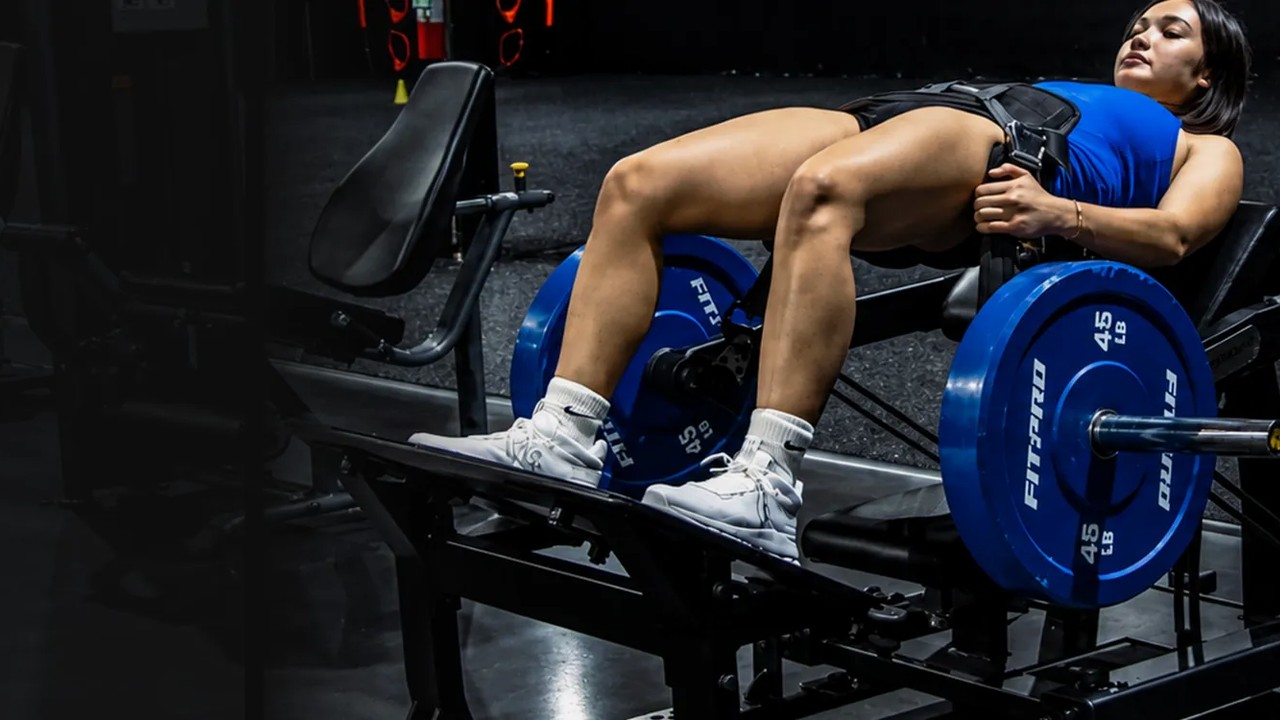
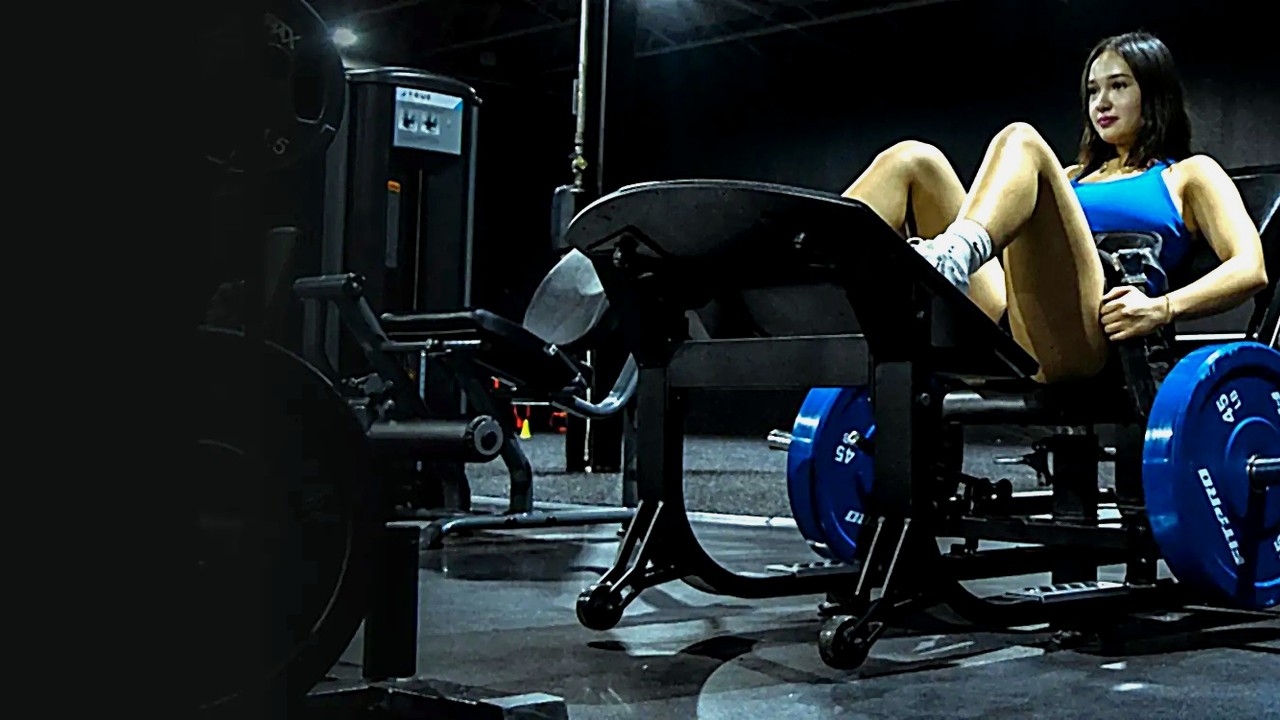
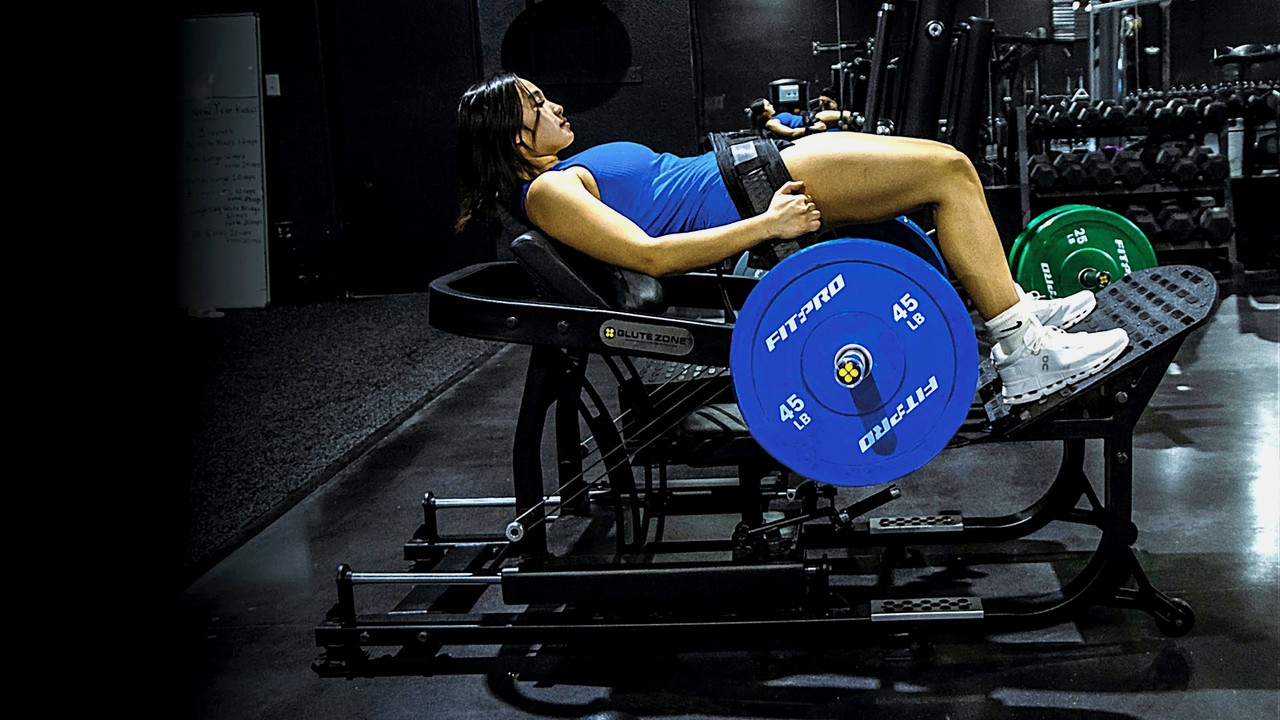
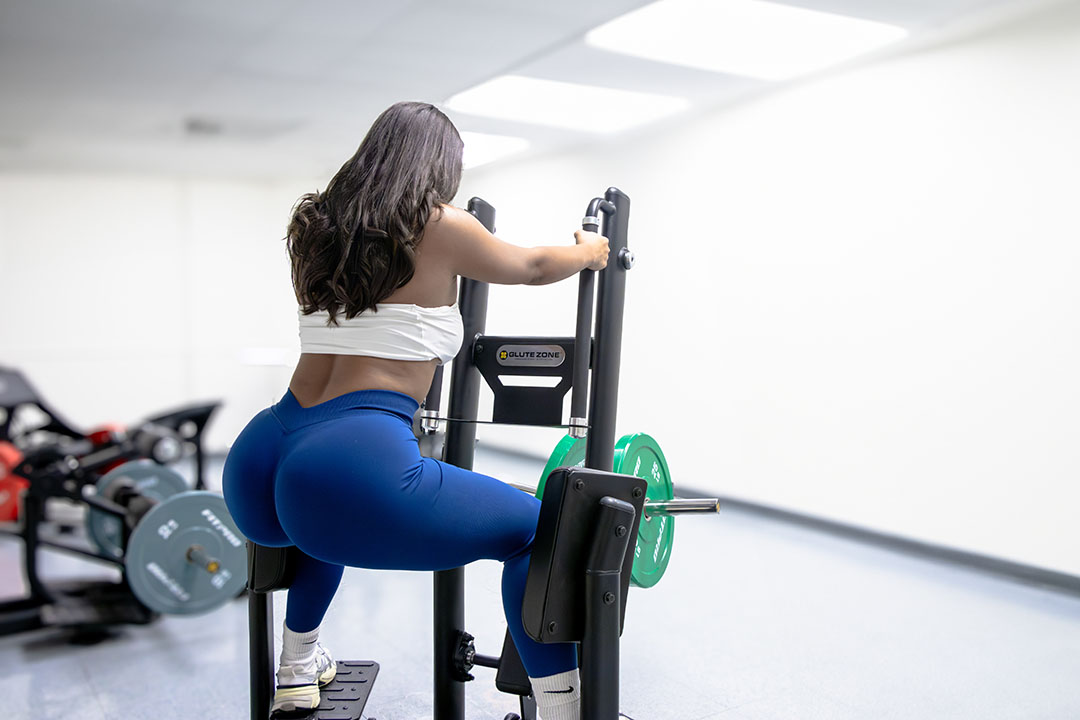
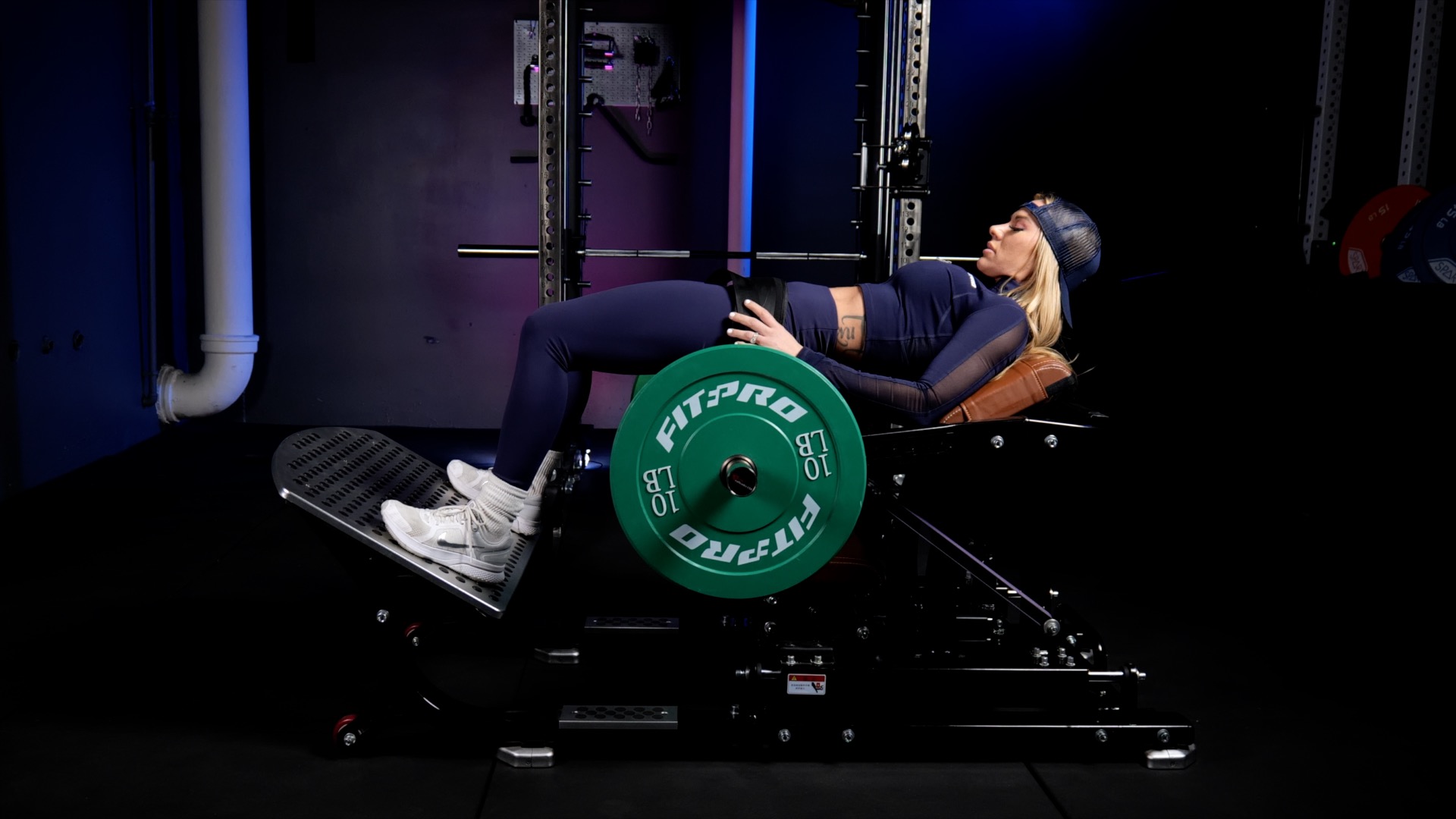
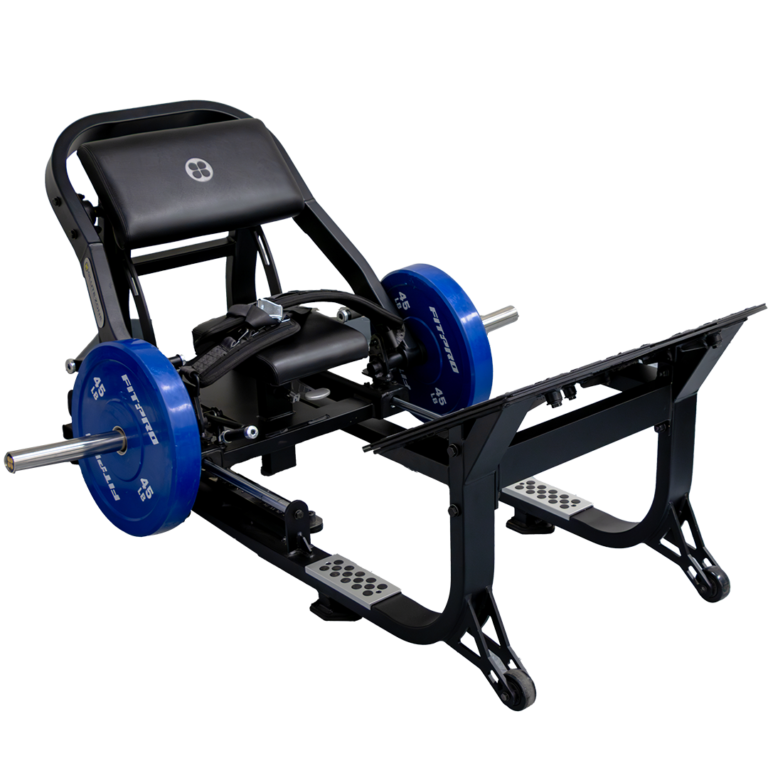
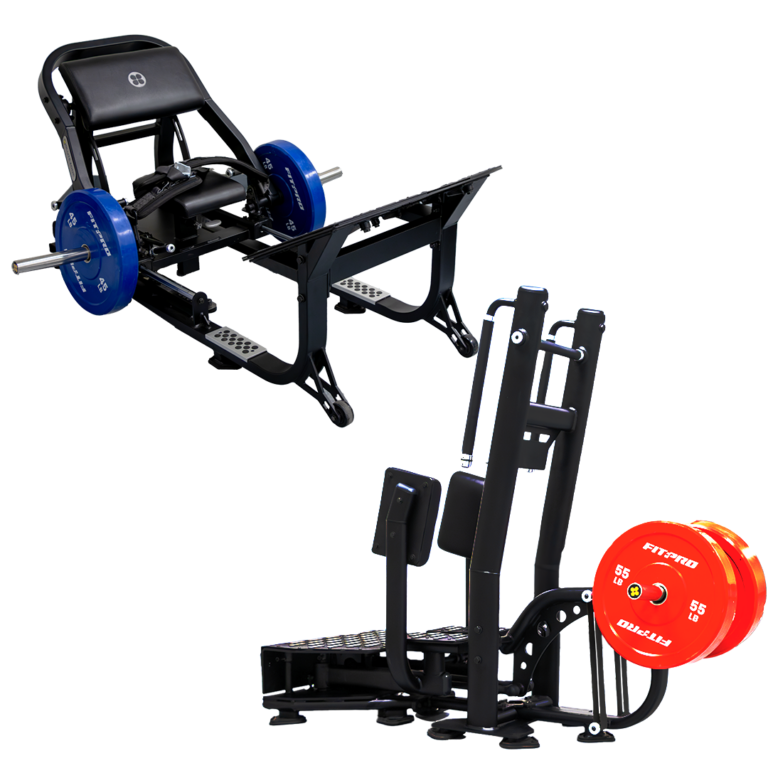
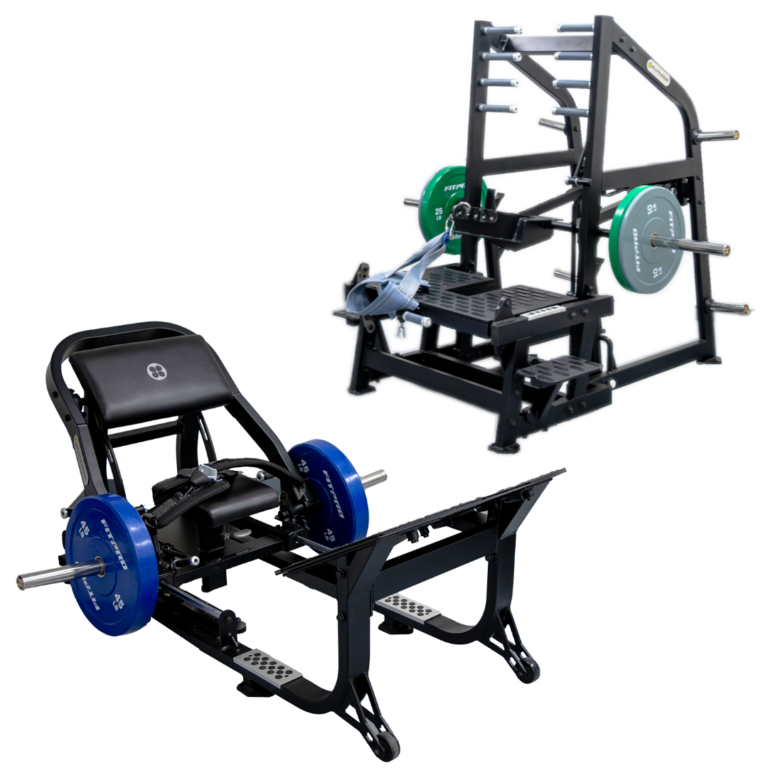
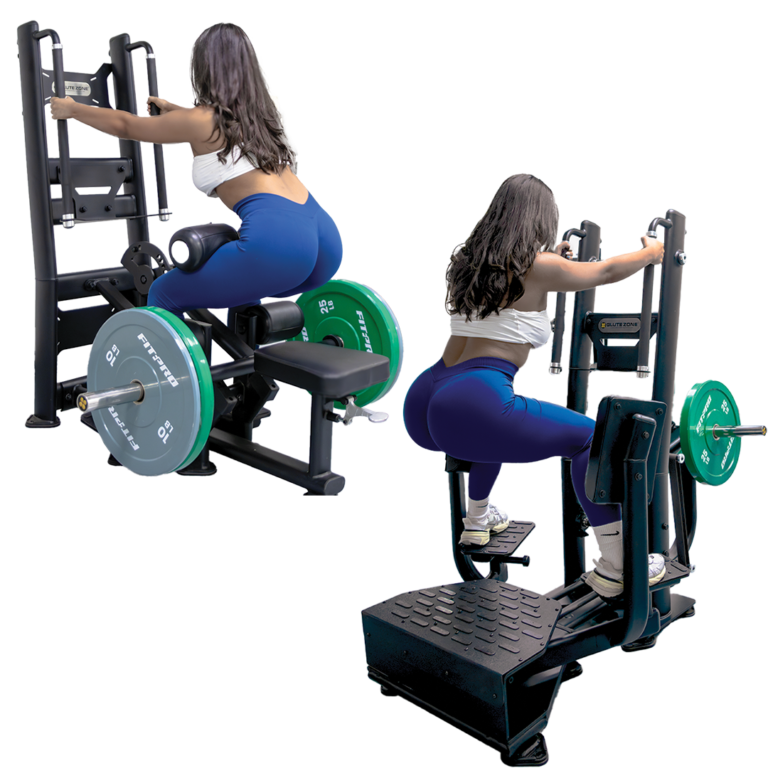
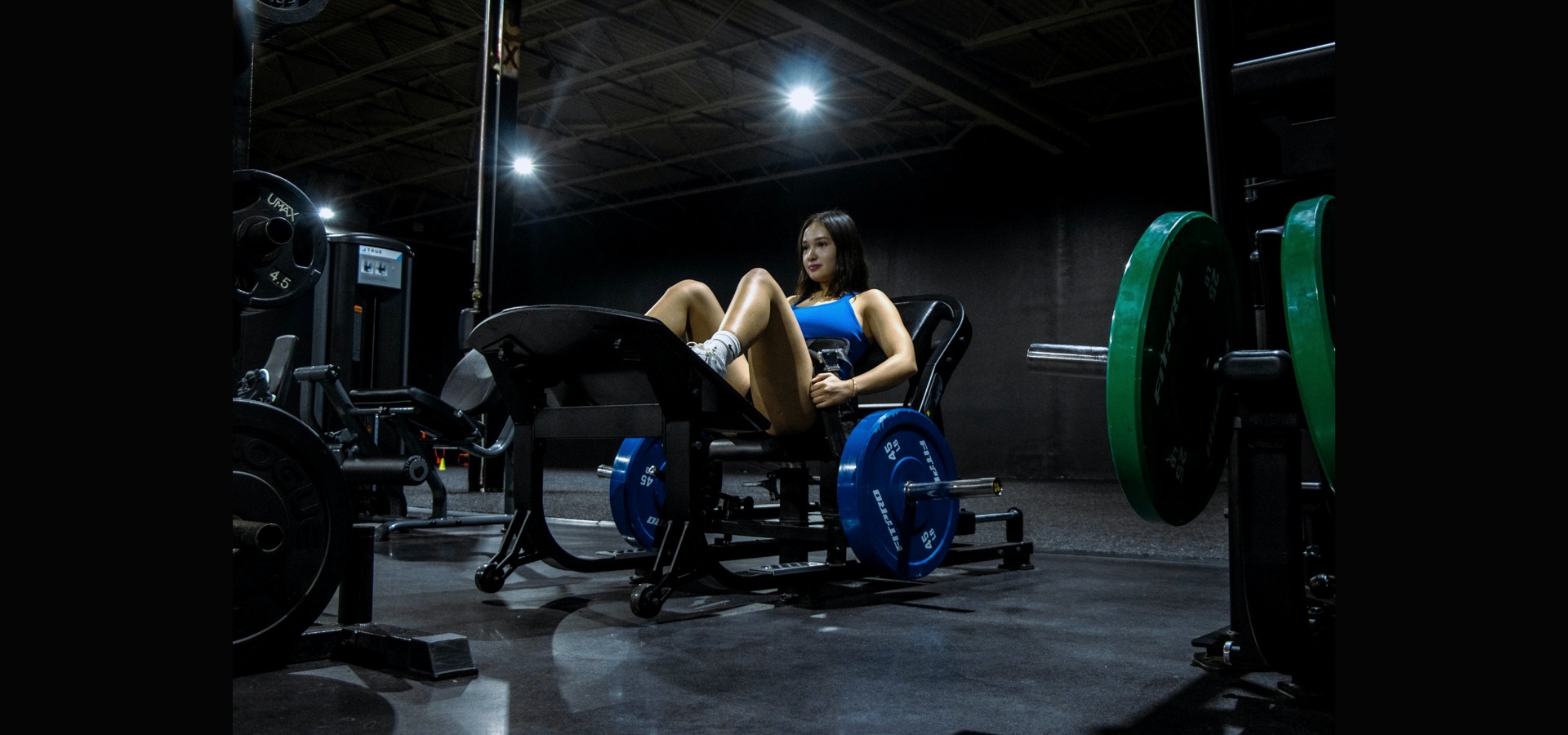
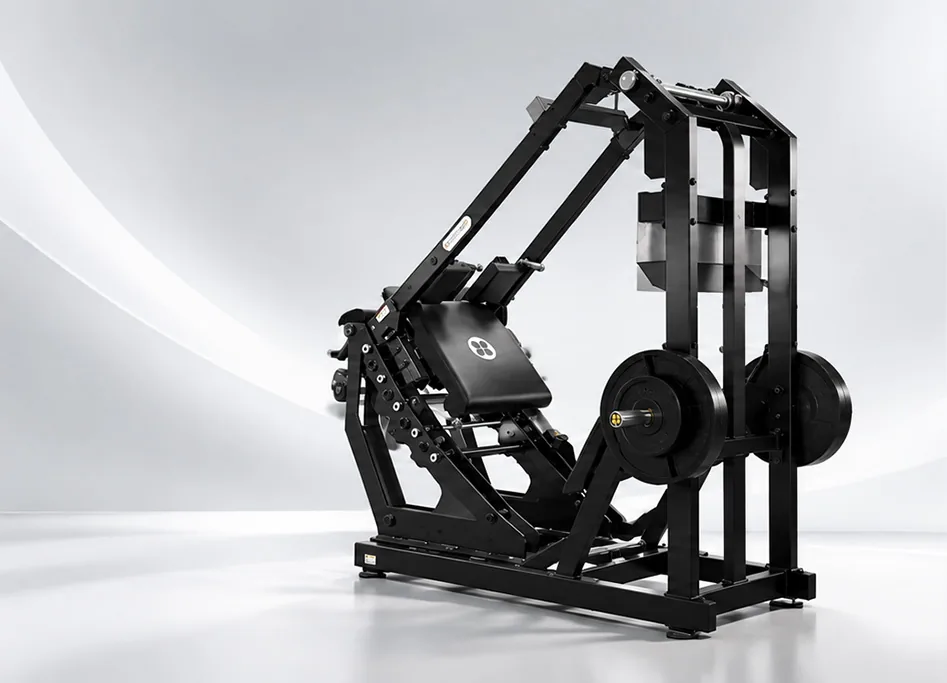
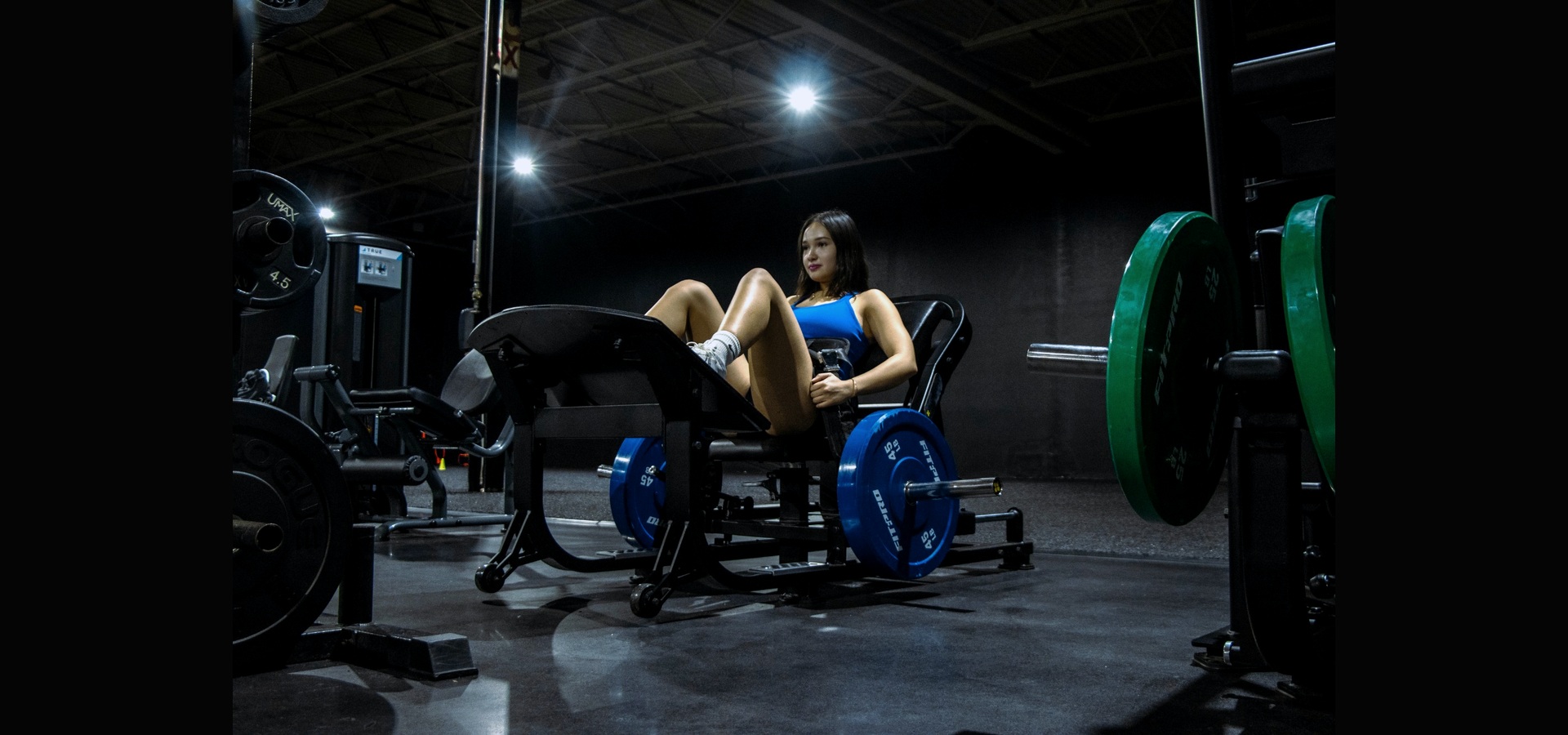
That is the approach behind the GluteZone Hip Thrust Machine, a plate-loaded, commercial-grade unit built for exactly this role. The specs that matter to a buyer: a 16-point forward-and-back adjustable seat that fits different body types, plate horns rated for up to 550 lbs of load, a 357-pound frame with front transport wheels and anchor-hole ports for optional floor bolting. It is listed at $2,239 on glutezone.com. If your glute zone needs a heavy, low-maintenance anchor station, that combination of adjustability, capacity, and simplicity is what the plate-loaded format does best. Pair it with the Pendulum Squat for a two-station lower-body corner, or look at the Elite Strength Duo bundle if you are outfitting both at once.
Quick Answers
The GluteZone Hip Thrust Machine is $2,239 and the Pendulum Squat is $3,999. The Elite Strength Duo bundle pairs both for $5,899, a $339 saving over buying separately.
Commercial lifecycle planning generally assumes 7 to 10 years for core strength equipment. Plate-loaded machines often reach up to 15 years with basic maintenance because they have fewer moving parts.
It depends on your floor. Selectorized wins for beginners, circuits, and peak-hour throughput thanks to two-second weight changes. Plate-loaded wins for experienced lifters, precise progression, and maximum loading ceiling.
Commercial buying guides recommend professional servicing about twice a year, with cable systems checked quarterly. Cables, pulleys, and guide rods are wear parts you should budget for from day one.
Ready to spec your glute zone?
The cheapest machine is the one you buy once. If you are comparing plate-loaded and selectorized options for your floor, talk to the team that builds commercial glute equipment every day.
Or call (682) 626-5342 and ask about Affirm financing to spread the investment over monthly payments that fit your equipment budget.
Sources
1. Freedom Fitness Equipment, “Fitness Equipment: Plate Loaded vs. Selectorized Gym Equipment”
2. Hamilton Home Fitness, “Commercial Gym Equipment Buying Guide”
3. Skelcore, “Gym Equipment Lifespan: When to Repair or Upgrade Your Machines”
4. Athletic Business, “Meet the Experts: Spanning the Life of Equipment”
5. Health & Fitness Association 2026 consumer report data, via Mirrors Delivered, “Gym Membership Statistics 2026: Key Insights & Trends”
6. Fitt Insider, “D1 Training Member Survey Reflects Growing Fitness Industry Shift Toward Strength Training”
7. GluteZone Hip Thrust Machine product page (specs and pricing verified 2026-10-08). https://glutezone.com/product/hip-thrust-machine/
8. GluteZone Pendulum Squat product page (specs and pricing verified 2026-10-08). https://glutezone.com/product/pendulum-squat/