






Lifters will spend hundreds of dollars on supplements, tweak their macros to the gram, and argue about training splits online. Then they sleep five hours a night and wonder why their glutes are not growing.
Sleep is the most underrated recovery tool in fitness. It costs nothing and has more direct impact on muscle growth than almost anything sold in a shaker bottle. For gym owners, it is also a business variable: members who do not recover do not progress, and members who do not progress eventually cancel. Here is what the research actually says about sleep and muscle growth, where the evidence is strong, and where the honest answer is still “we do not know yet.”

What your muscles actually do while you sleep
Training is only the stimulus. Growth happens during recovery, and the longest recovery window of your day is sleep. During the deep, slow-wave stages of sleep, the body releases its largest daily pulse of growth hormone, the hormone that drives tissue repair, muscle protein synthesis, and fat metabolism. In other words, the night is not downtime. It is the shift when the crew comes in and builds what you tore down in the gym.
In 2025, researchers at UC Berkeley published a study in the journal Cell that mapped the brain circuits controlling this process. Recording neural activity in mice, they identified the hypothalamic circuit that drives sleep-dependent growth hormone release, plus a feedback loop that keeps the hormone balanced. It was a mice study, so it maps mechanism rather than proving a training outcome in humans. But it explains the “why” behind something lifters have observed forever: cut sleep short and recovery falls apart.
Sleep also runs your muscle-building machinery. Overnight is the longest stretch when your body can digest, absorb, and put protein to work building tissue, which lines up with the direct measurements below.
What one sleepless night does to your chemistry
A 2021 study in Physiological Reports (Lamon and colleagues) put 13 healthy young adults through one night of total sleep deprivation, then measured what happened the next day. The results were blunt: post-meal muscle protein synthesis dropped by 18%, plasma cortisol rose by 21%, and plasma testosterone fell by 24%. The authors concluded that a single sleepless night was enough to create “anabolic resistance and a procatabolic environment.” One night: less muscle built, more broken down, hormones shifted toward catabolism.
A fair caveat: this was total sleep deprivation in a lab, not a normal short night, and 13 people is a small sample. Nobody should conclude that one bad night erases a training block. But the direction of the effect is clear, and it matches what longer studies show when sleep gets restricted for weeks.
18% — Drop in muscle protein synthesis after one sleepless night (Lamon et al., 2021)
24% — Drop in testosterone after one sleepless night (Lamon et al., 2021)
55% — Less fat lost when dieting on 5.5h vs. 8.5h of sleep (Nedeltcheva et al., 2010)
60% — More lean mass lost under the same short sleep (Nedeltcheva et al., 2010)
The dieting study every coach should know
If you train clients through cutting phases, this is the study to memorize. In 2010, Arlet Nedeltcheva and colleagues published a randomized crossover trial in the Annals of Internal Medicine. Ten overweight adults dieted for two weeks on identical calorie deficits, once with 8.5 hours of sleep opportunity and once with 5.5 hours. Total weight loss was nearly the same, about 3 kg either way. The composition was completely different.
With 8.5 hours of sleep, more than half the weight lost was fat (1.4 kg of fat, 1.5 kg of lean mass). With 5.5 hours, only 0.6 kg was fat, a 55% reduction in fat loss, and lean mass loss jumped to 2.4 kg, a 60% increase. The short-sleep group also reported more hunger and showed hormonal shifts toward storing rather than burning fat.
The authors’ conclusion is worth quoting in spirit: the amount of sleep you get helps determine how much of your weight loss comes from fat versus muscle. For anyone building glutes while leaning out, that is the whole game. Sleep more, keep the muscle you built. Sleep less, diet away your own progress.
How much sleep do you actually need for muscle growth?
The honest consensus: 7 to 9 hours per night for adults, with the American Academy of Sleep Medicine advising adults to regularly sleep at least 7 hours. People training hard may benefit from the upper end.
Two nuances matter more than the exact number. First, quality counts as much as quantity. Fragmented, restless sleep prevents the body from reaching the deep stages where growth hormone peaks, so a “long” night of broken sleep does not deliver what a solid one does. Second, consistency strengthens the effect: going to bed and waking up at similar times trains your circadian rhythm, which improves sleep quality on its own.
And here is the honest part researchers insist on: a 2025 review (Edwards and colleagues) concluded that a hypertrophy-specific sleep dose cannot yet be prescribed. The biological case is strong and growing, but no study has pinned down “sleep X hours and grow Y% more.” The practical takeaway is simpler: get enough quality sleep that you feel rested, recover between sessions, and can train hard. If your training quality is falling and your sleep is short, fix the sleep before you change the program.
One more data point: a 2025 study in the journal Retos found that among 26 natural bodybuilders, better sleep quality was associated with more skeletal muscle mass, while poor sleep quality was associated with more body fat. An association, not proof of causation, but it points the same direction as everything else.
The pre-sleep protein question
Should you eat protein before bed? The research says it is a reasonable tool, not a magic hack. Researchers Trommelen and van Loon concluded that at least 40 grams of dietary protein before sleep supports a robust overnight muscle-building response, and a review in Frontiers in Nutrition confirmed that pre-sleep protein is effectively digested and absorbed, raising overnight muscle protein synthesis. A 2023 randomized trial in Sports Medicine found that both whey and casein before sleep increased overnight protein synthesis after exercise.
But the bigger rule still wins. A 2025 randomized trial of 30 older men found that 40 grams of protein before bed produced no extra muscle or strength gains beyond training alone when participants already ate enough protein during the day. Total daily protein intake matters more than the clock. If a serving of Greek yogurt, cottage cheese, or a shake before bed helps you hit your daily target, take it. If you already hit your numbers, do not stress about the timing.
What this means for gym owners
Here is the business angle. Many members fail because they train hard and recover badly, see no progress, blame the gym, and quietly cancel. Sleep education is a retention tool hiding in plain sight.
Three practical moves: make recovery part of onboarding with a short “train, eat, sleep” email series; run a recovery challenge (7 nights of 7-plus hours, tracked in a group chat); and have trainers ask “how did you sleep last night” between sets. Free coaching with real payoff.
The home-gym angle matters too. Buyers training alone get no coach watching their recovery, so a brand that teaches recovery earns trust a spec sheet never will.
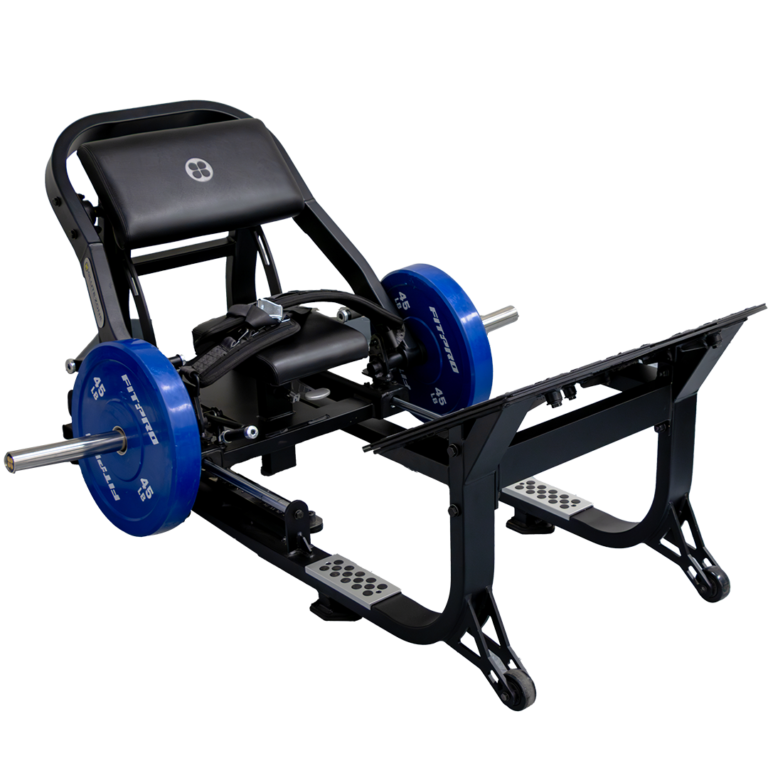
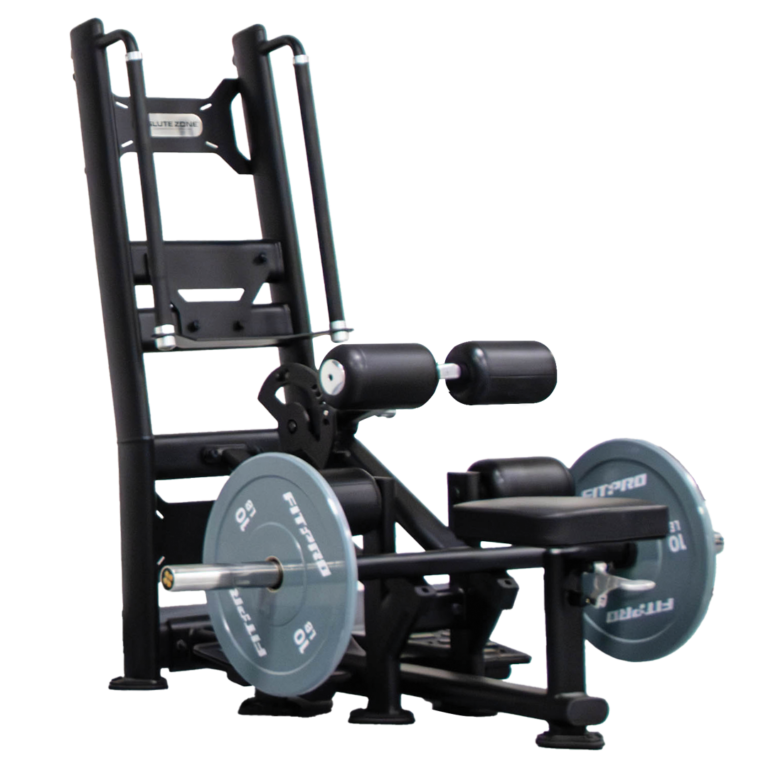
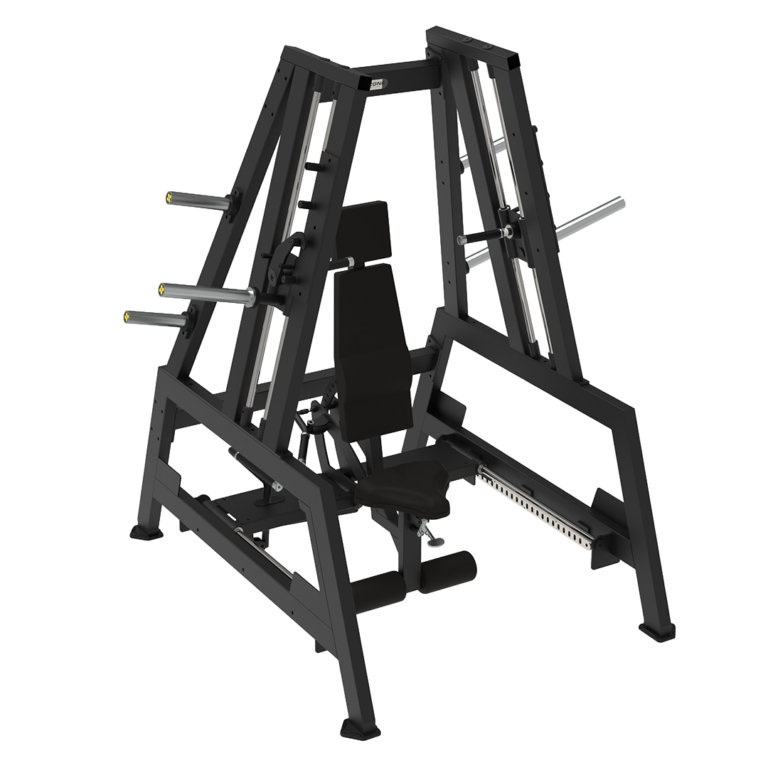
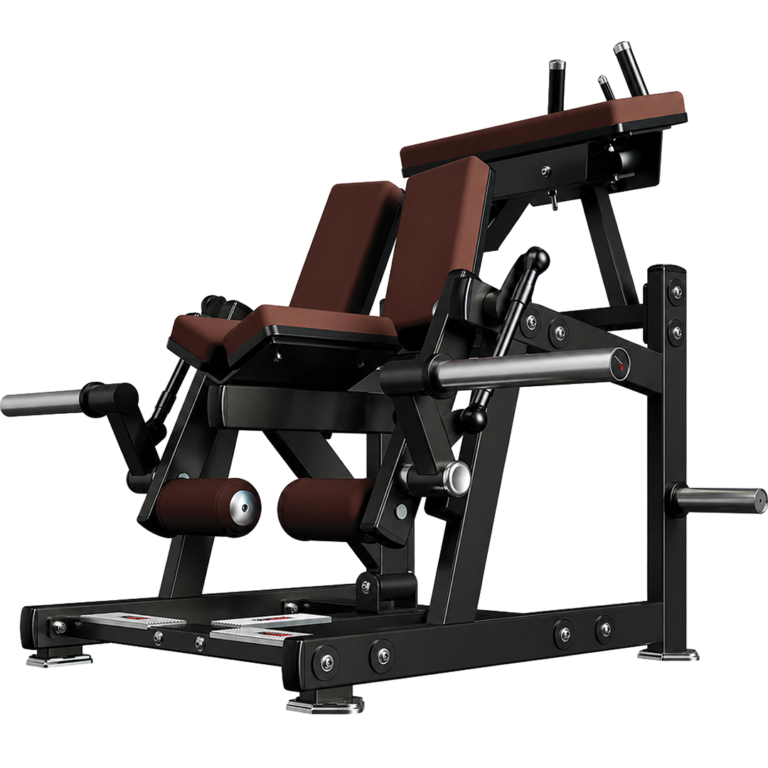
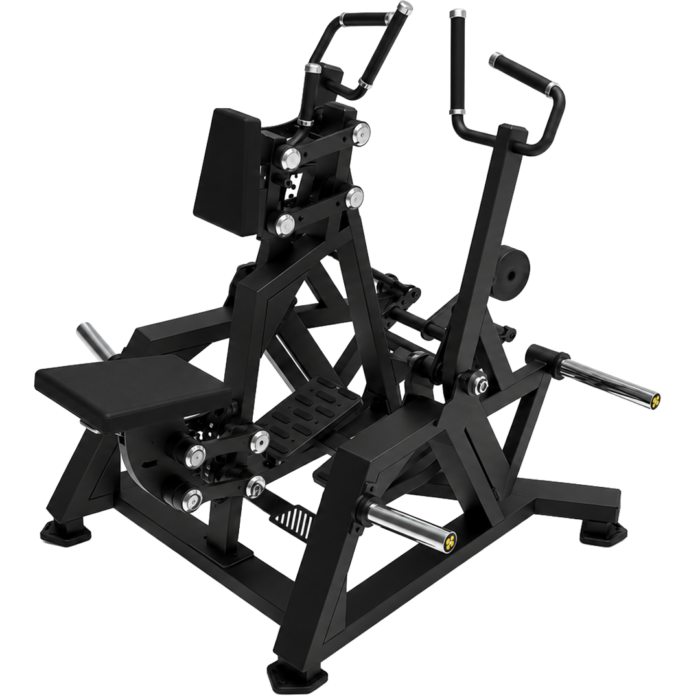
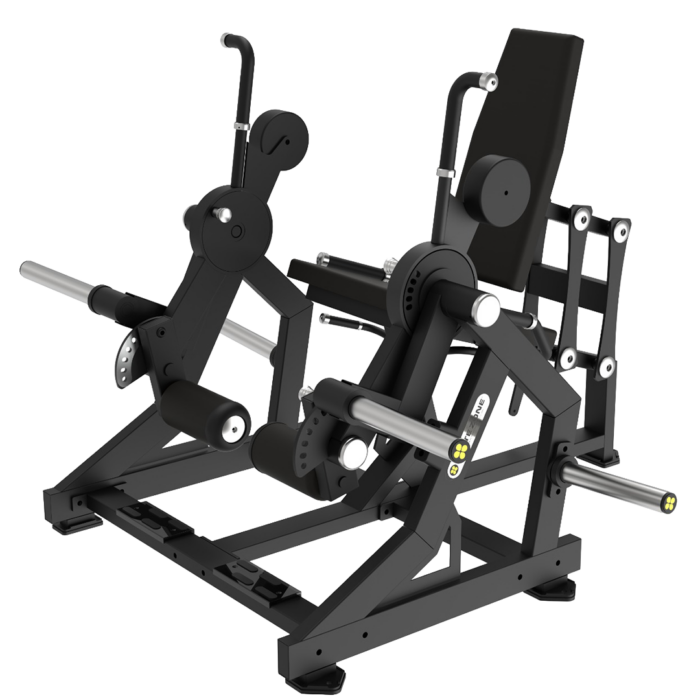
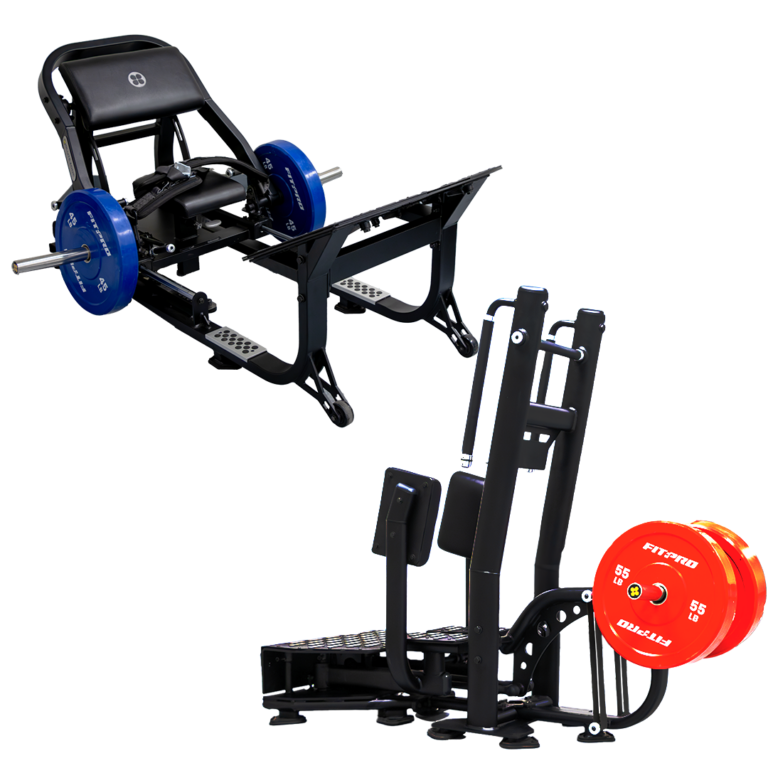
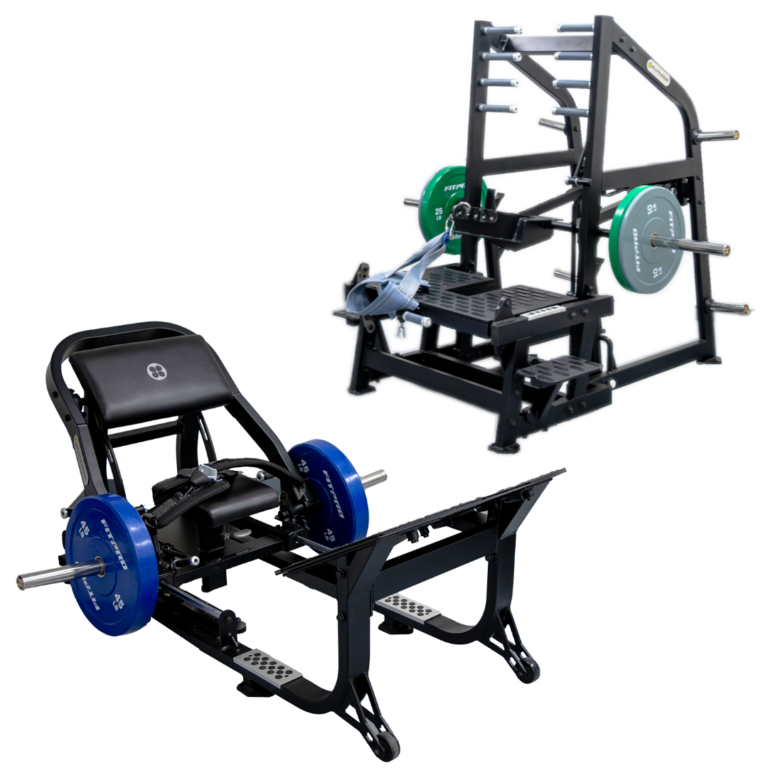
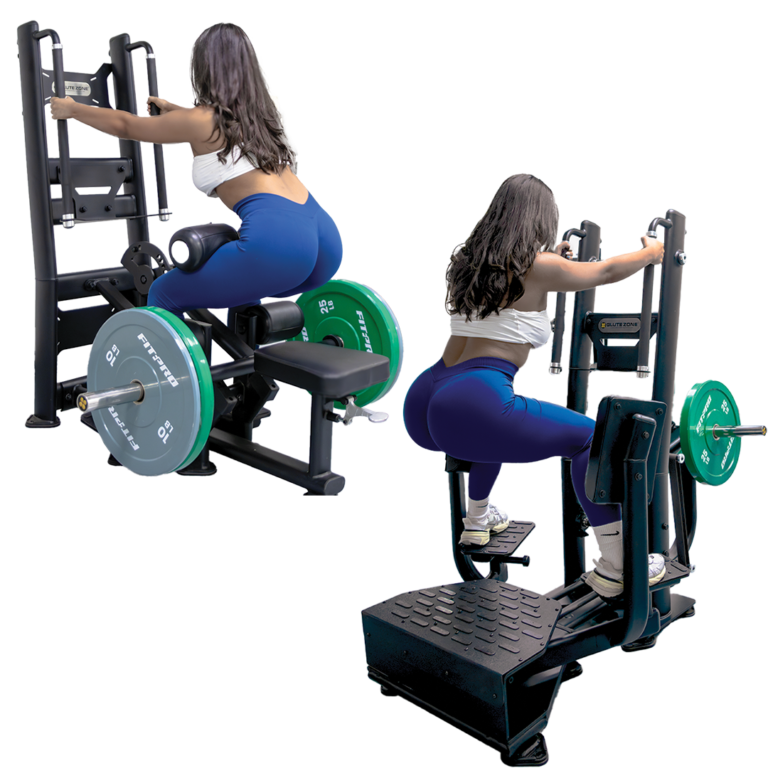
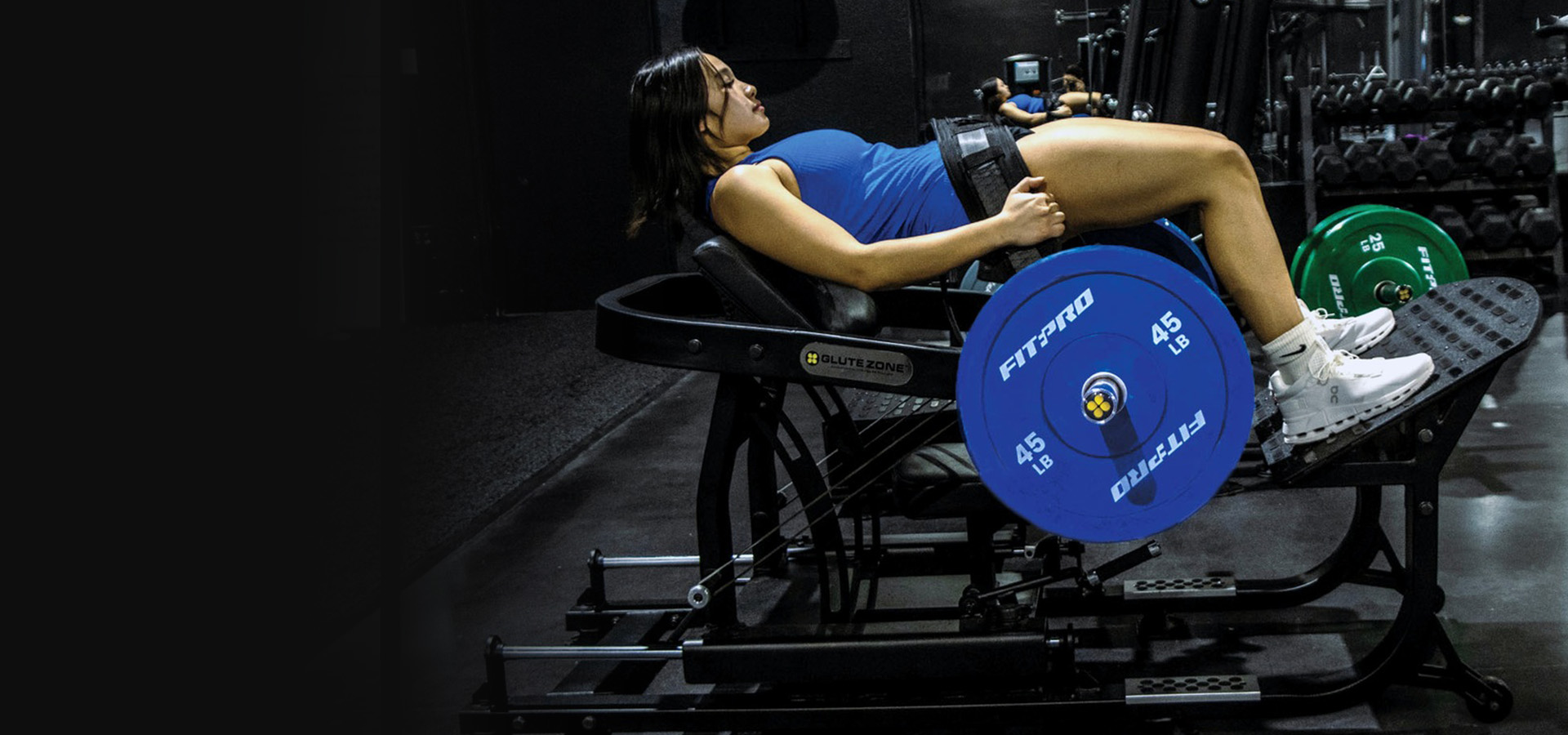
And the training side still matters. Recovery only amplifies a good stimulus. A commercial-grade Hip Thrust Machine delivers the heavy, progressive glute loading that sleep then converts into growth. Pair it with a Pendulum Squat, or look at the Complete Glute System bundle for a full dedicated zone.
FAQ
Can naps make up for short nights?
Short naps of 20 to 30 minutes improve alertness and can support recovery without wrecking nighttime sleep. They are a supplement, not a substitute. The deep sleep stages that drive growth hormone release come mostly from full nighttime cycles.
Should I avoid training late at night?
Finish intense workouts a few hours before bed when you can. Heavy training raises core temperature and adrenaline, which can delay sleep onset. If evenings are your only window, keep the room cool afterward and wind down deliberately.
Does caffeine really hurt sleep that much?
Caffeine has a long half-life, so an afternoon coffee is still partly active at midnight. Try a noon cutoff for a week and judge your training quality.
Is 10 hours of sleep better than 8?
Probably not, unless you are in an extreme training block. Aim for the 7 to 9 hour range and optimize consistency and quality first.
What is the single best sleep habit for lifters?
A consistent schedule. Same bedtime, same wake time, weekends included. The least exciting advice in this article, and the one with the most evidence behind it.
The bottom line
You cannot out-train bad sleep. One sleepless night measurably shifts your body toward breaking muscle down instead of building it, and chronic short sleep quietly taxes every diet and training block you run. The fix is free, unsexy, and more powerful than any supplement: protect 7 to 9 hours, keep the schedule consistent, and eat enough protein during the day.
Ready to give your members (or your home gym) the training stimulus their recovery deserves? The commercial-grade GluteZone Hip Thrust Machine is built for heavy daily use in gyms, and Affirm financing is available at checkout. Request a quote or talk to our team and we will help you spec the right setup.
Sources
- Lamon S, et al. “The effect of acute sleep deprivation on skeletal muscle protein synthesis and the hormonal environment.” Physiological Reports, 2021. https://pmc.ncbi.nlm.nih.gov/articles/PMC7785053/
- Nedeltcheva AV, et al. “Insufficient sleep undermines dietary efforts to reduce adiposity.” Annals of Internal Medicine, 2010. https://pubmed.ncbi.nlm.nih.gov:443/20921542/
- Ding X, et al. “Neuroendocrine circuit for sleep-dependent growth hormone release.” Cell, 2025. Summarized at UC Berkeley News: https://news.berkeley.edu/2025/09/08/sleep-strengthens-muscle-and-bone-by-boosting-growth-hormone-levels-uc-berkeley-researchers-discover-how/
- Trommelen J, van Loon LJC, et al. Pre-sleep protein reviews and trials (Frontiers in Nutrition; Sports Medicine, 2023), summarized in Men’s Journal, 2026: https://www.mensjournal.com/health/scientists-say-this-protein-habit-could-help-build-muscle-while-you-sleep
- Alarcón-Rivera M, et al. “Analysis of sleep quality and its impact on body composition on the precompetition day in natural bodybuilders.” Retos, 2025. http://revistaretos.org/index.php/retos/article/download/111445/82334/471489