






☕ 5-MINUTE READ · EXERCISE SCIENCE, IN PLAIN ENGLISH
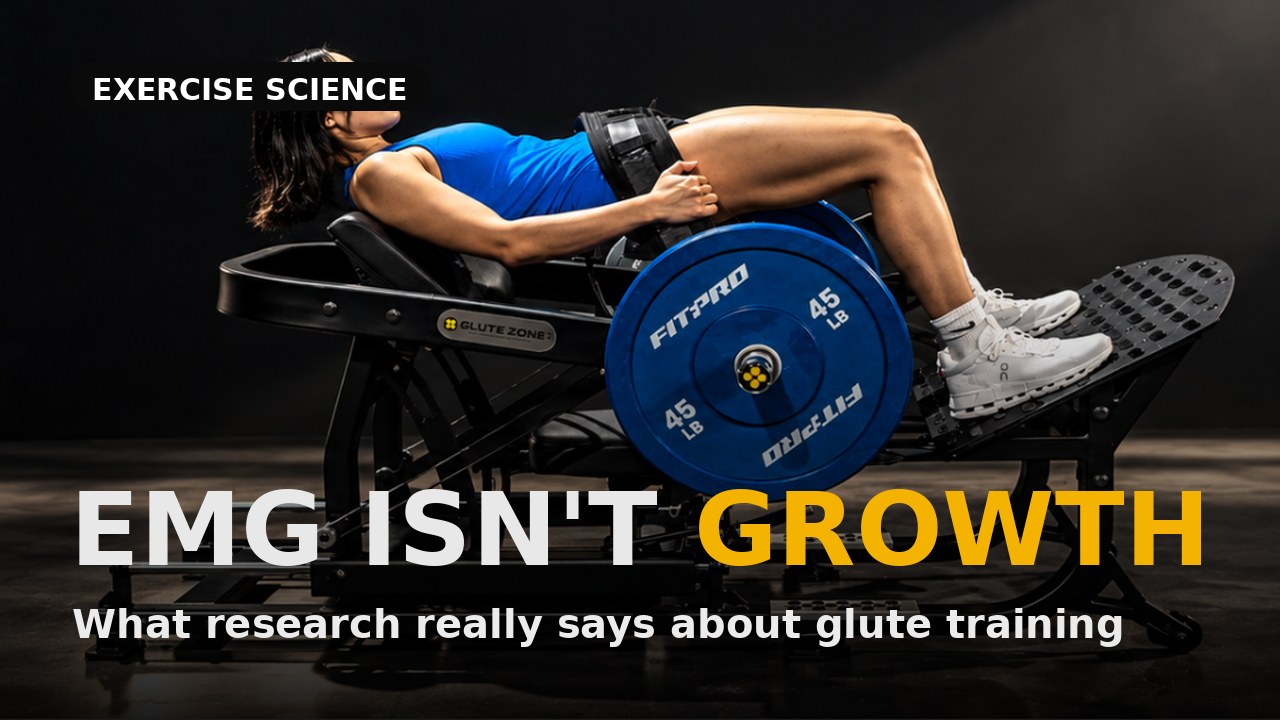
What Actually Builds Better Glutes: Hip Thrust, Squat, or Belt Squat?
Leer este artículo en español: Hip Thrust vs. Sentadilla: ¿Qué Desarrolla Realmente los Glúteos?
Walk into any gym and start an argument. Ask the regulars: what’s the single best exercise for building glutes? Half the room will say the hip thrust. The other half will swear by the squat.
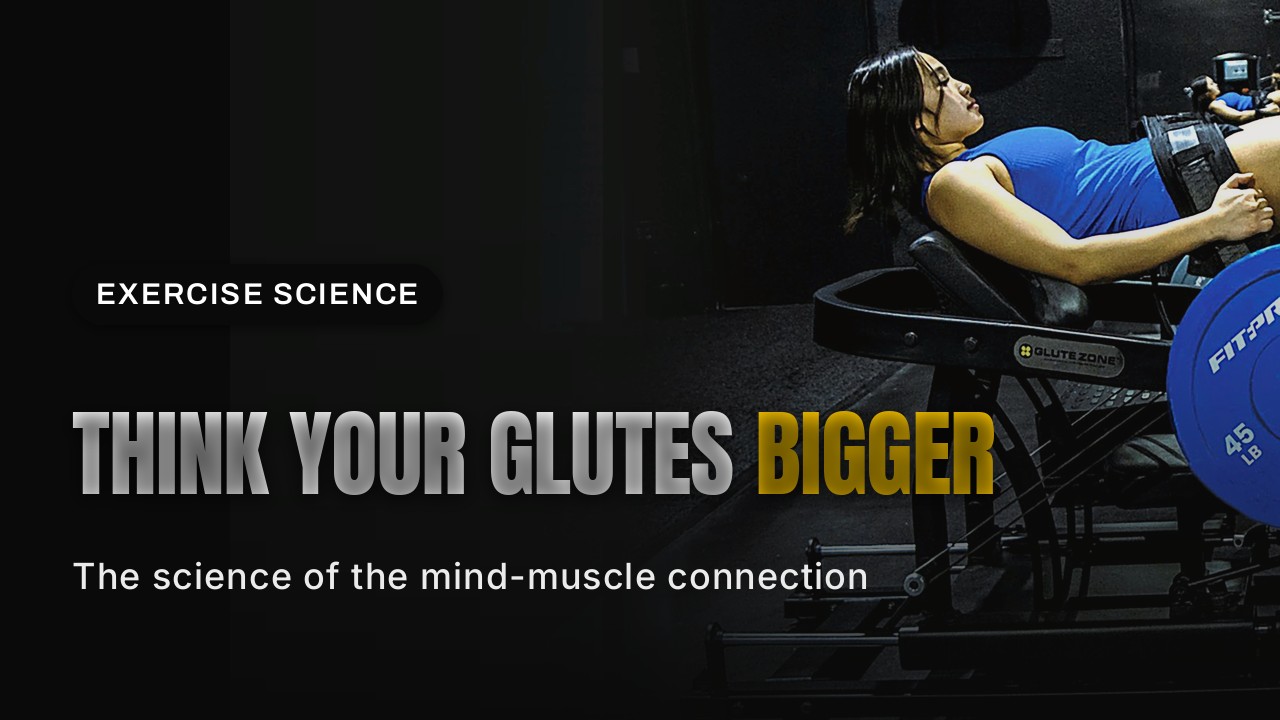
Each side has a point, but the full story is more interesting than the argument. Here’s what the research actually found, explained in plain English, including a third player most people leave out of the debate: the belt squat, a machine that lets you squat heavy while taking the load off your spine.
THE DEBATE, SETTLED
- On skin sensors, hip thrusts show higher glute readings than squats. That part is real.
- But after 9–12 weeks of training, both built the same amount of glute muscle. Sensor readings don’t predict growth.
- The winning formula: a squat-pattern move plus hip thrusts. They cover each other’s weak spots.
What Those Sensor Charts Actually Measure
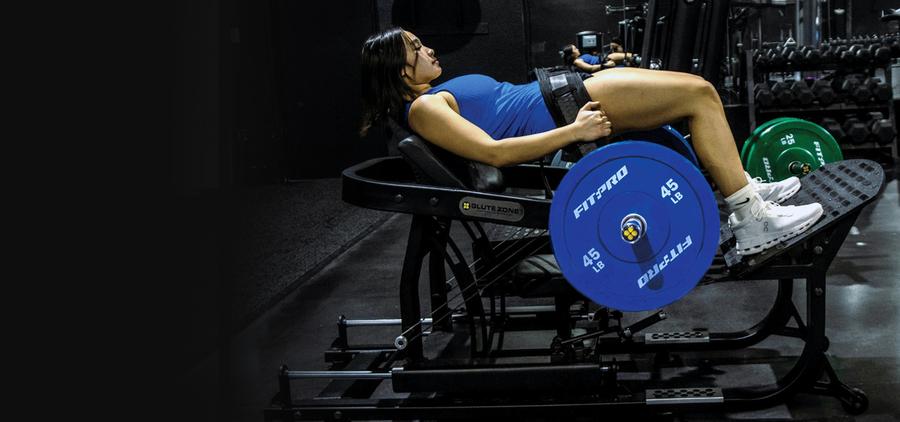
You’ve seen the charts: colorful graphs showing the hip thrust “activating” the glutes far more than the squat. Here’s what those charts actually measure.
Researchers tape small sensors to the skin over your glutes. The sensors pick up the tiny electrical signals muscles make when they fire. The harder the muscle works, the louder the signal. That’s all “activation” means: effort in the moment.
What it can’t tell you is how much muscle you’ll build over the next three months. Keep that distinction in your pocket. It’s the key to this whole article.
“On the sensors, the hip thrust lights up the glutes like nothing else. But sensors capture a moment, not a muscle built over months.”
The Plot Twist: 9 Weeks Later
Sensor chatter is not muscle growth. So researchers finally ran the experiment everyone had been waiting for: one group trained only hip thrusts, another only squats, for nine weeks, and actual muscle growth was measured with MRI scans (Plotkin et al.).
The result surprised the internet: both groups built the same amount of glute muscle. The study’s blunt conclusion: the sensor readings were “not predictive of hypertrophic outcomes,” fancy words for “didn’t predict growth.”
In the head-to-head study, glute sensors were louder on every rep of hip thrusts, yet the loud readings did not predict who actually built more muscle.
It’s a single study, so read it carefully. The likely reason makes sense, though: the squat stretches the glutes under load at the bottom of every rep, and stretched-position loading is one of the strongest drivers of growth we know of. The hip thrust wins the sprint of a single rep. The squat wins the marathon of a full range of motion.
Hip Thrust vs. Squat vs. Belt Squat, Side by Side
| Hip Thrust | Back Squat | Belt Squat | |
|---|---|---|---|
| Glute firing (sensors) | Highest | Moderate | Expected, not directly measured* |
| Glute growth (weeks) | High | High | Likely, not directly studied |
| Where it’s hardest | Top (lockout) | Bottom (deep stretch) | Bottom (deep stretch) |
| Load on the spine | Low | High | Low |
| Also builds | Mostly glutes | Quads, inner thighs, back | Quads, inner thighs |
*No study has directly measured belt squat glute growth yet. It uses the same deep squat pattern, so similar growth is plausible, but that part is still an open question.
The Third Player: Belt Squat
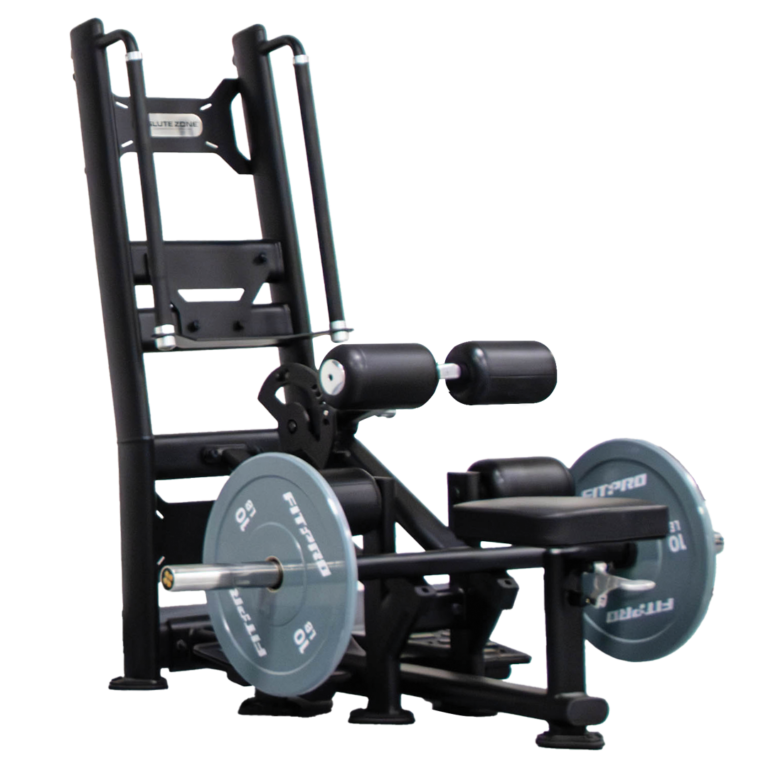
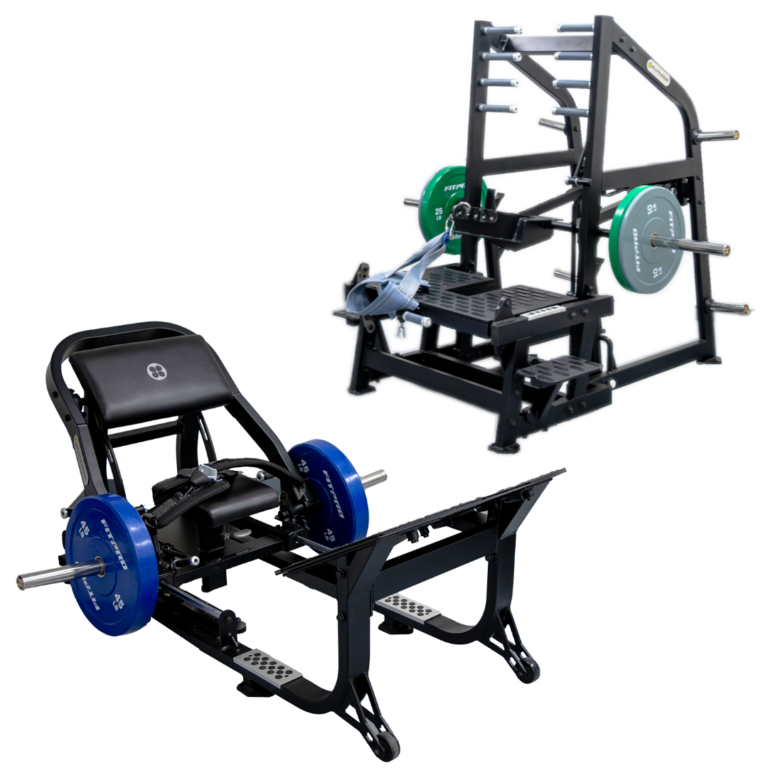
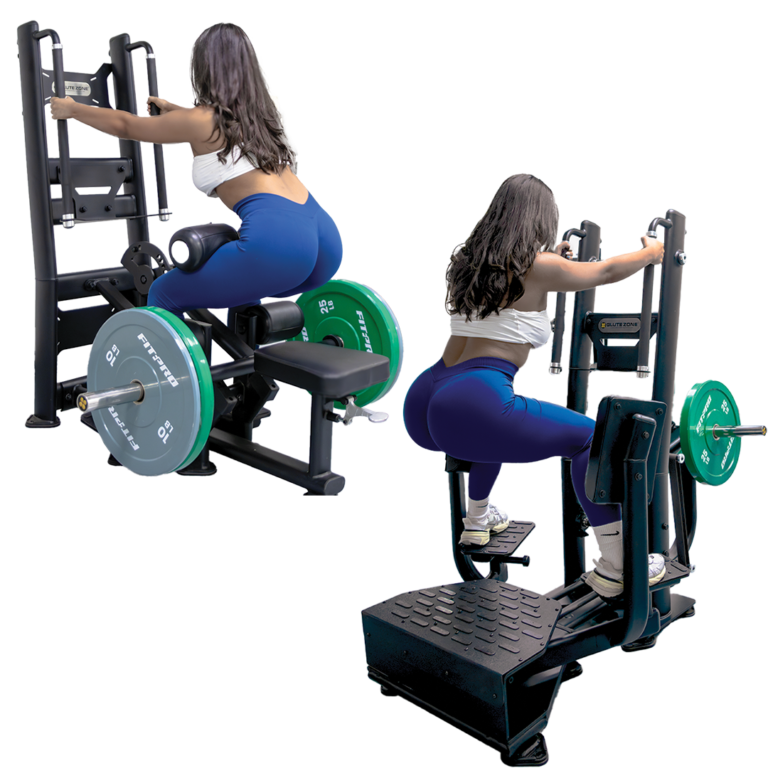
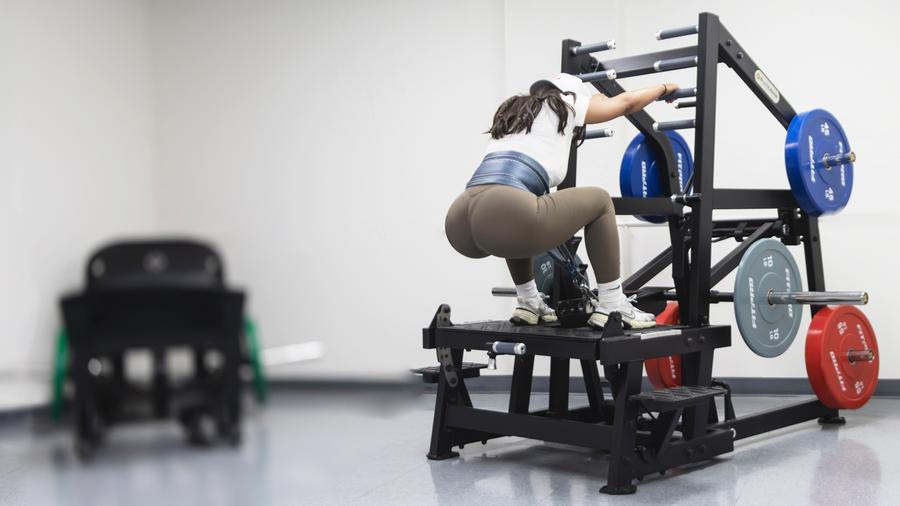
What if you could squat heavy while taking the load off your spine? That’s the belt squat. Instead of a barbell sitting on your shoulders, the weight hangs from a wide belt around your hips. Your legs do all the work (quads, glutes, inner thighs) while your lower back stays largely out of the equation.
For glute development specifically, the belt squat lets you pile on deep, stretched-position reps, exactly the kind of work the research links to growth, without overloading the lower back. Lifters who want to spare their back, older lifters, and anyone in a heavy training block can all keep building their legs.
Pick Your Tool
1
Build the base. Back squat or belt squat while you’re fresh. This builds the whole leg: quads, glutes, inner thighs.
2
Add targeted volume. Hip thrusts after your squat work. Maximum lockout power, the finishing work barbells approximate badly.
3
Progress both. Add weight or reps over time. Muscles grow from progressive overload, not from exercise loyalty.
What This Means for Your Gym
Here’s where the science meets the business of running a gym. Your members have seen the sensor charts. They walk in asking where the hip thrust station is, and if you don’t have a dedicated one, they’re setting up benches sideways, dragging barbells across your floor, and tying up your squat racks for an exercise that was never meant to live there.
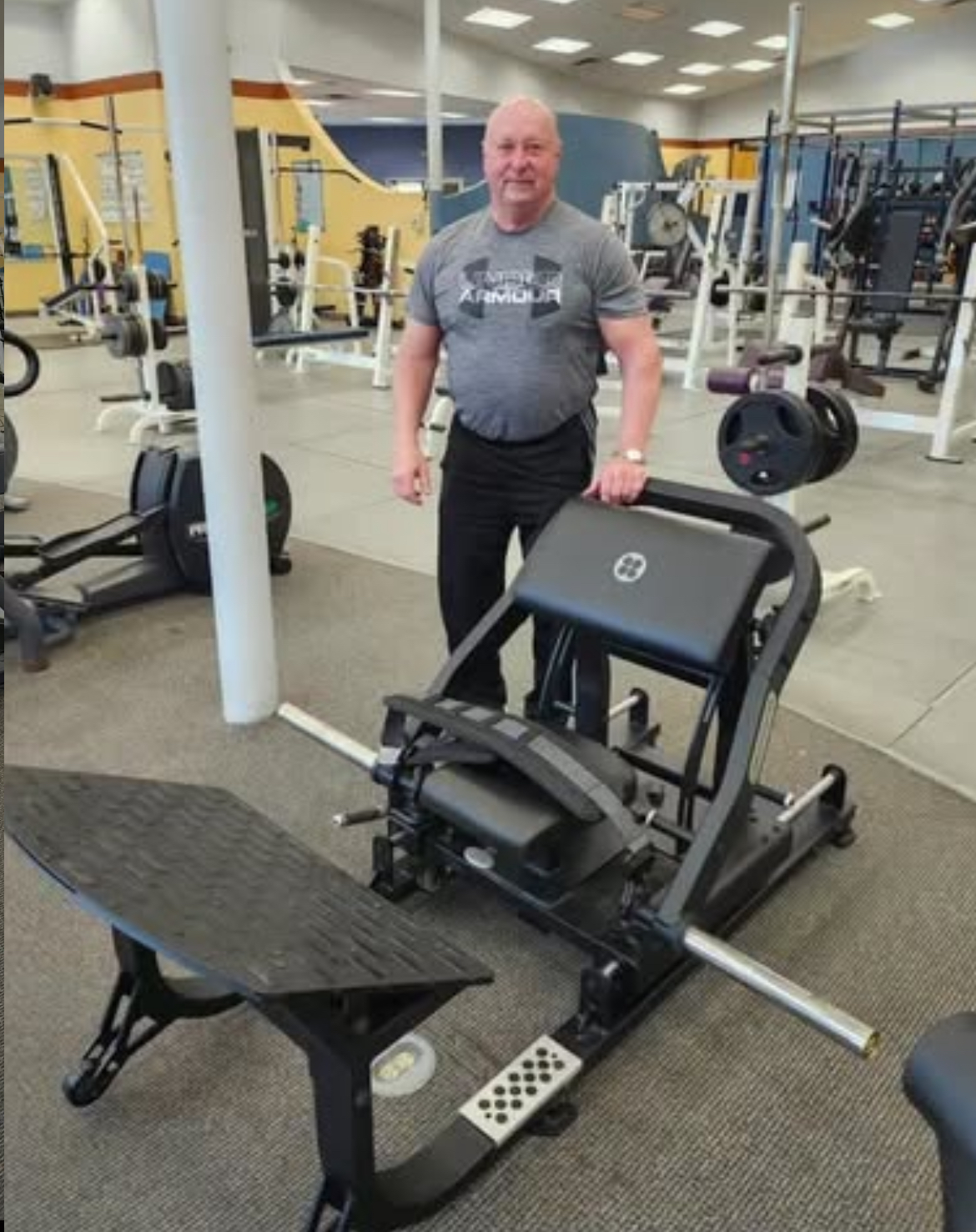
- It’s a member magnet. Dedicated glute training keeps gaining ground in commercial gyms, and a proper station photographs well for the social media your members already make for you.
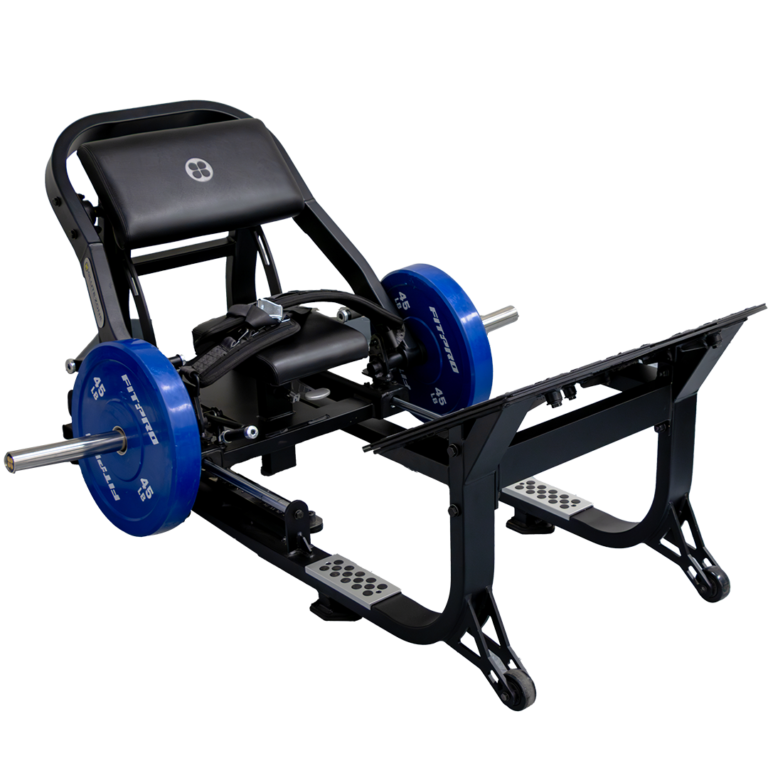
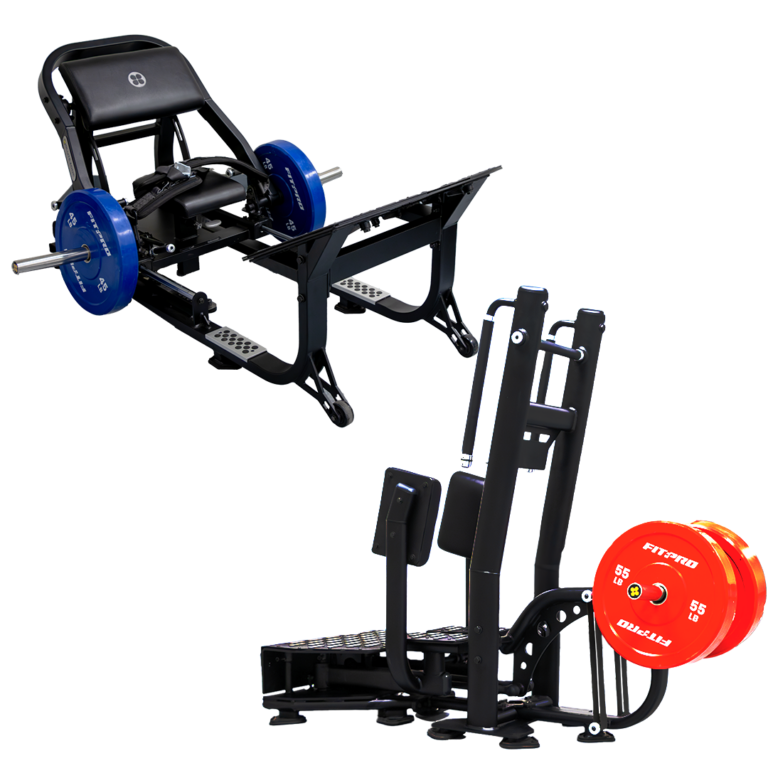
- It fits every body. Look for real adjustability. The GluteZone Hip Thrust Machine offers a 16-point forward/backward adjustable seat so lifters of any leg length find their exact hip position.
TRAINING AT HOME?
The same science applies. A plate-loaded hip thrust machine gives a serious home gym the targeted glute work that barbells and benches approximate badly, without the setup hassle.
Quick Answers
So should I stop squatting and only hip thrust?
No. Hip thrusts fire the glutes harder, but over weeks of training both build glutes about the same. Only squats build serious quad and inner-thigh muscle, though. Do both.
Is the belt squat worth it for glutes?
Yes. It’s a squat for your legs that spares your back: deep, stretched reps that research links to growth, with far less spinal load. It complements the hip thrust perfectly. Belt squat for the deep half, hip thrust for the lockout half.
Can I do squats and hip thrusts in the same workout?
Yes. It’s one of the most effective lower-body templates. Squat pattern first while you’re fresh, hip thrust second for targeted glute volume.
The Bottom Line
The sensor research was right: few exercises light up the glutes like a hip thrust. The longer studies added the missing half of the story: loud signals aren’t growth, and the squat’s deep, stretched loading builds glutes just as well while building the rest of the leg.
The hip thrust, the squat, and the belt squat were never rivals. They’re a team: the squat builds the engine, the belt squat keeps the engine running while sparing the spine, and the hip thrust puts finishing power exactly where athletes need it. The gym that offers all three doesn’t pick a side in the debate. It ends it.
Build Your Gym’s Glute Zone
The GluteZone Hip Thrust Machine is commercial-grade, built for gyms and heavy daily use, with flexible financing options to fit your budget.
Sources
- Contreras, B. et al. “A Comparison of Gluteus Maximus, Biceps Femoris, and Vastus Lateralis Electromyography Amplitude in the Parallel, Full, and Front Squat Variations in Resistance-Trained Females.” Journal of Applied Biomechanics.
- Plotkin, D. L. et al. “Hip thrust and back squat training elicit similar gluteus muscle hypertrophy and transfer similarly to the deadlift.” Frontiers in Physiology.
- Barbalho, M. et al. “Back Squat vs. Hip Thrust: Effects on Strength and Hypertrophy.” Journal of Strength and Conditioning Research.
- GluteZone product specifications verified at glutezone.com.
Leer en español: Hip Thrust vs. Sentadilla: ¿Qué Desarrolla Realmente los Glúteos?