







Your busiest hour does not need help. At 5:30 p.m. the racks are full, the cables have a line, and your best equipment sells itself. The problem is the other ten hours you are already paying for: late morning, early afternoon, and the quiet stretch after the lunch crowd leaves. Rent, payroll, utilities, and equipment costs do not pause when the floor empties. A dedicated glute zone is one of the few floor investments that can change that pattern, but only if you market it as a program, not as furniture. A row of machines in the corner is inventory. A named zone, with scheduled sessions, visible progress, and a reason to come in at 11 a.m., is a product. This guide shows gym owners how to turn that zone into off-peak traffic, and home-gym buyers will find the same programming ideas work in a garage, just at a smaller scale.
The opportunity, in numbers
81M
US fitness facility members in 2025, an all-time high (HFA 2026)
66%
Median member retention, top performers above 75% (2025 Global Benchmarking Report)
73%
Retention reported for group exercise studios (Association of Fitness Studios, via BarBend)
30%
Operators without a corporate wellness partner who say more than half their facility sits unused off-peak, vs 5% with a partner (Wellhub 2026)
Demand is not the bottleneck. The Health and Fitness Association reported 81 million US members in 2025, up 5.2% from 2024, and an estimated 7 billion facility visits. The share of members who never used their membership fell to 4.6%, a record low. Members are showing up. The question is when, and whether your programming gives them a reason to show up outside the peak crush.
Retention is the second half. The median sits around 66%, while top performers clear 75%. That gap is rarely about more equipment. It is about belonging, coaching contact, and a routine members can point to. Group formats help: boutique and group exercise studios report retention around 73%. A glute zone marketed as coached, small-group training borrows exactly that mechanic.
1. Name the zone and make it visible
Do not call it “the new machines in the back.” Give it a name members can repeat, put it on signage, on your tour route, and in your schedule. On the tour, stop there. Let the prospect sit on the anchor machine, adjust the seat, and do two light reps.
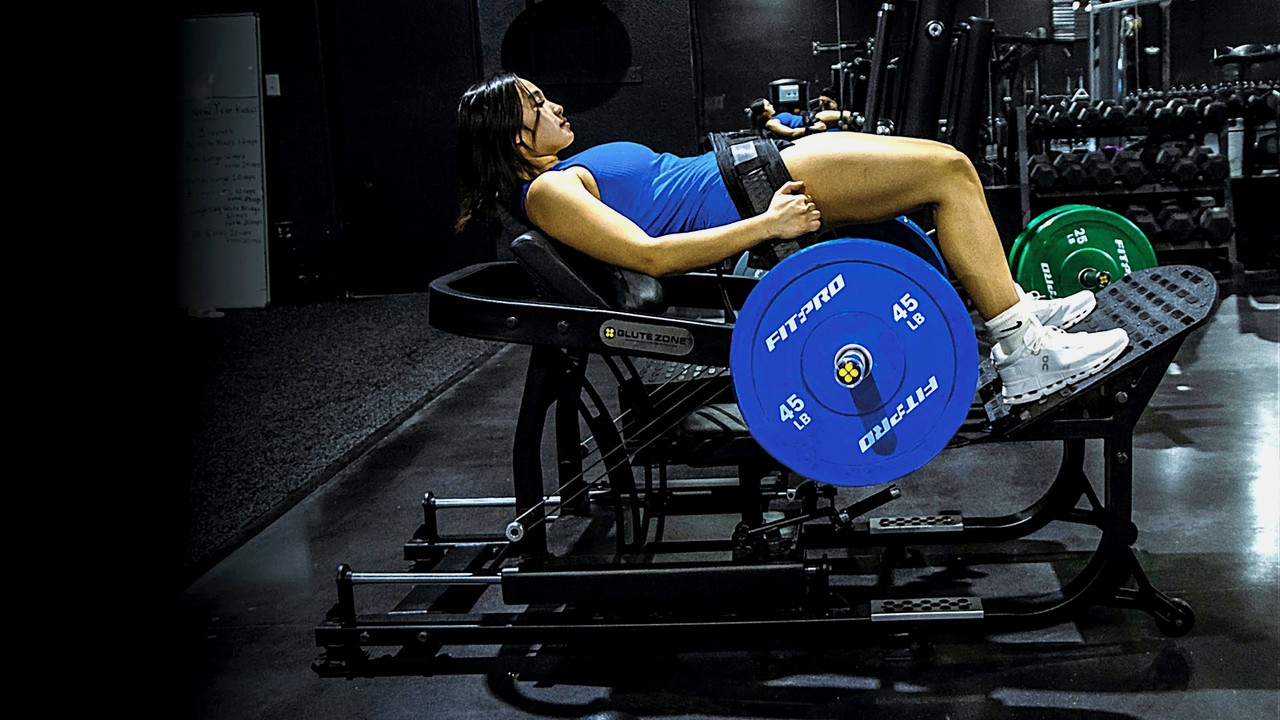
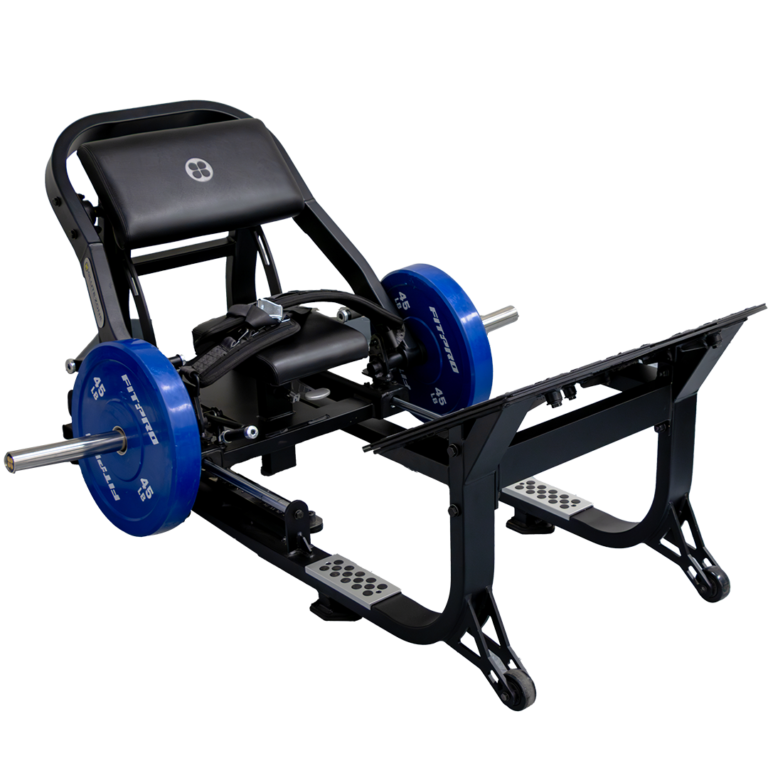
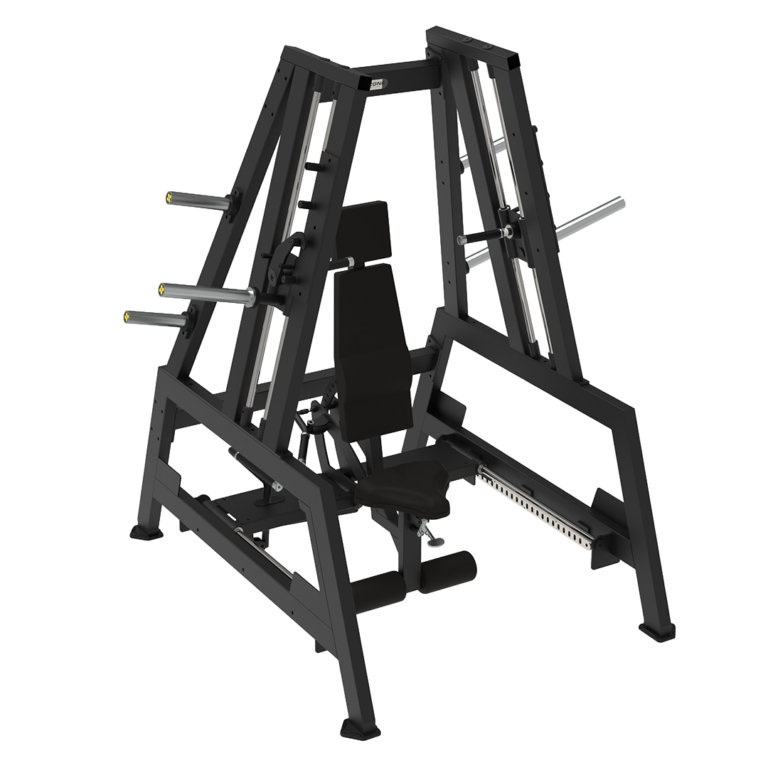
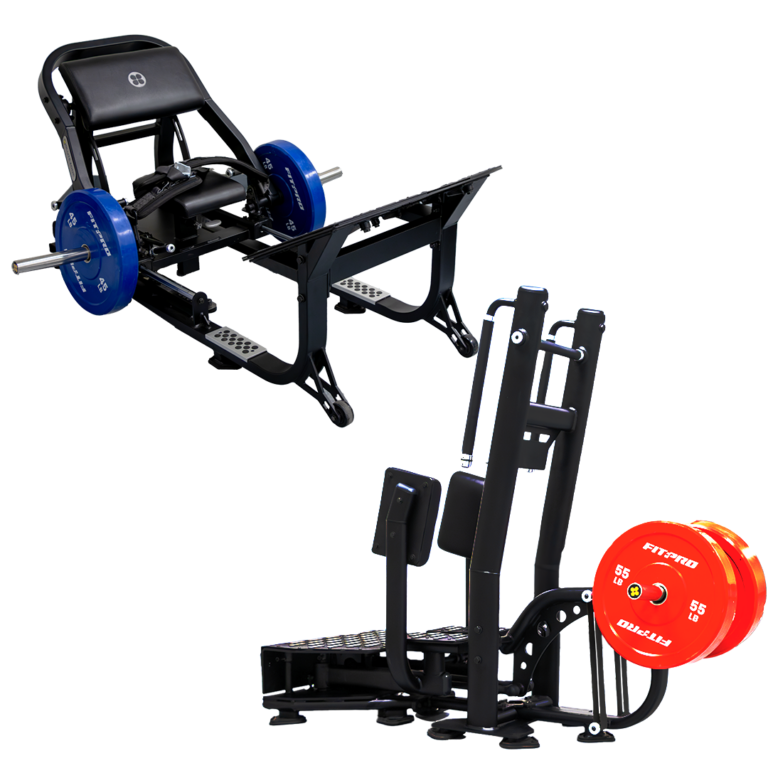
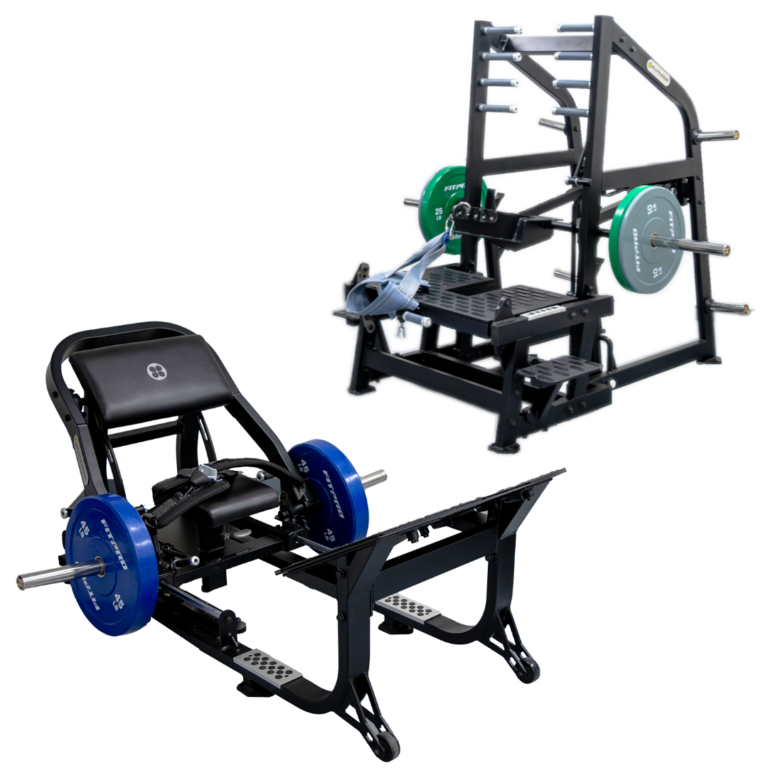
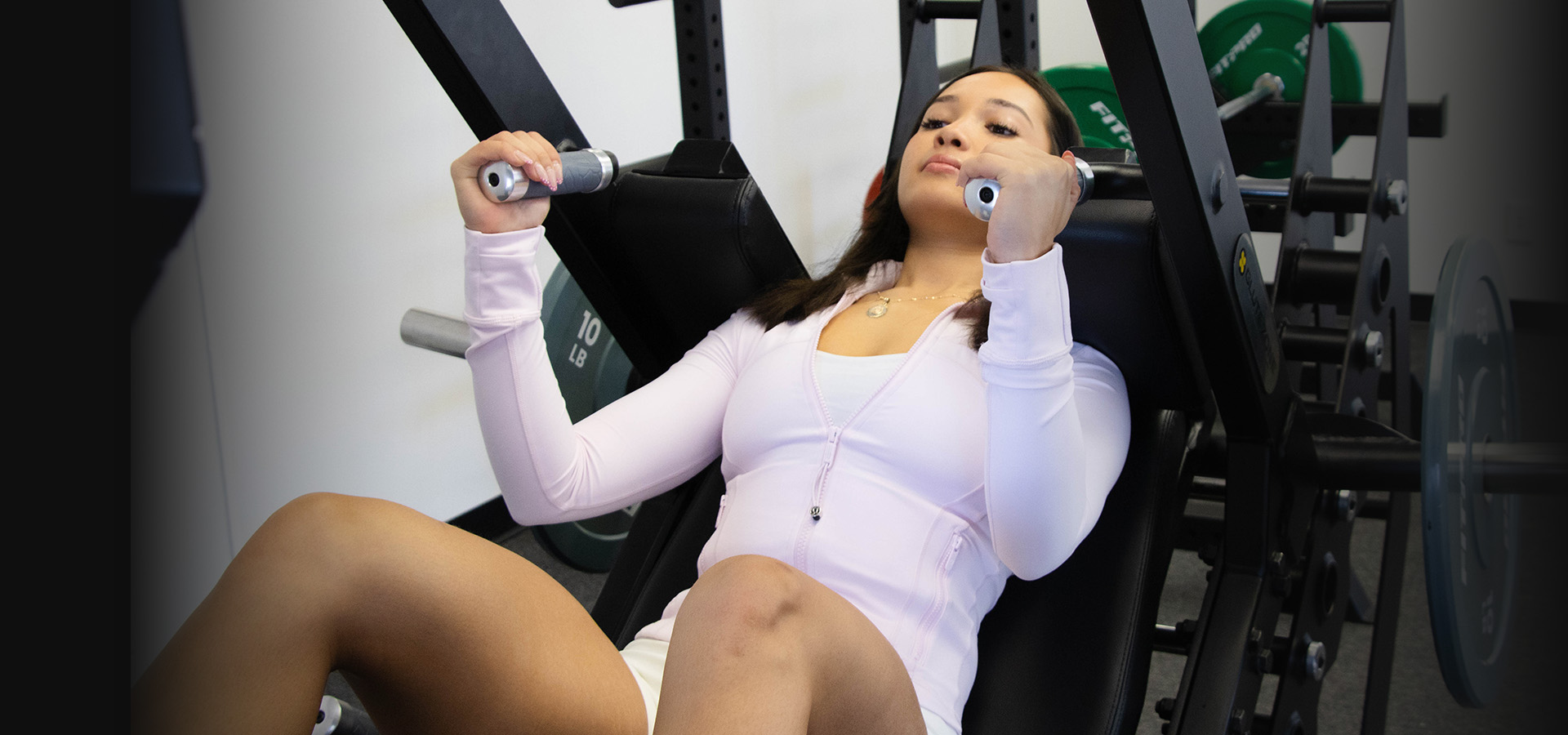
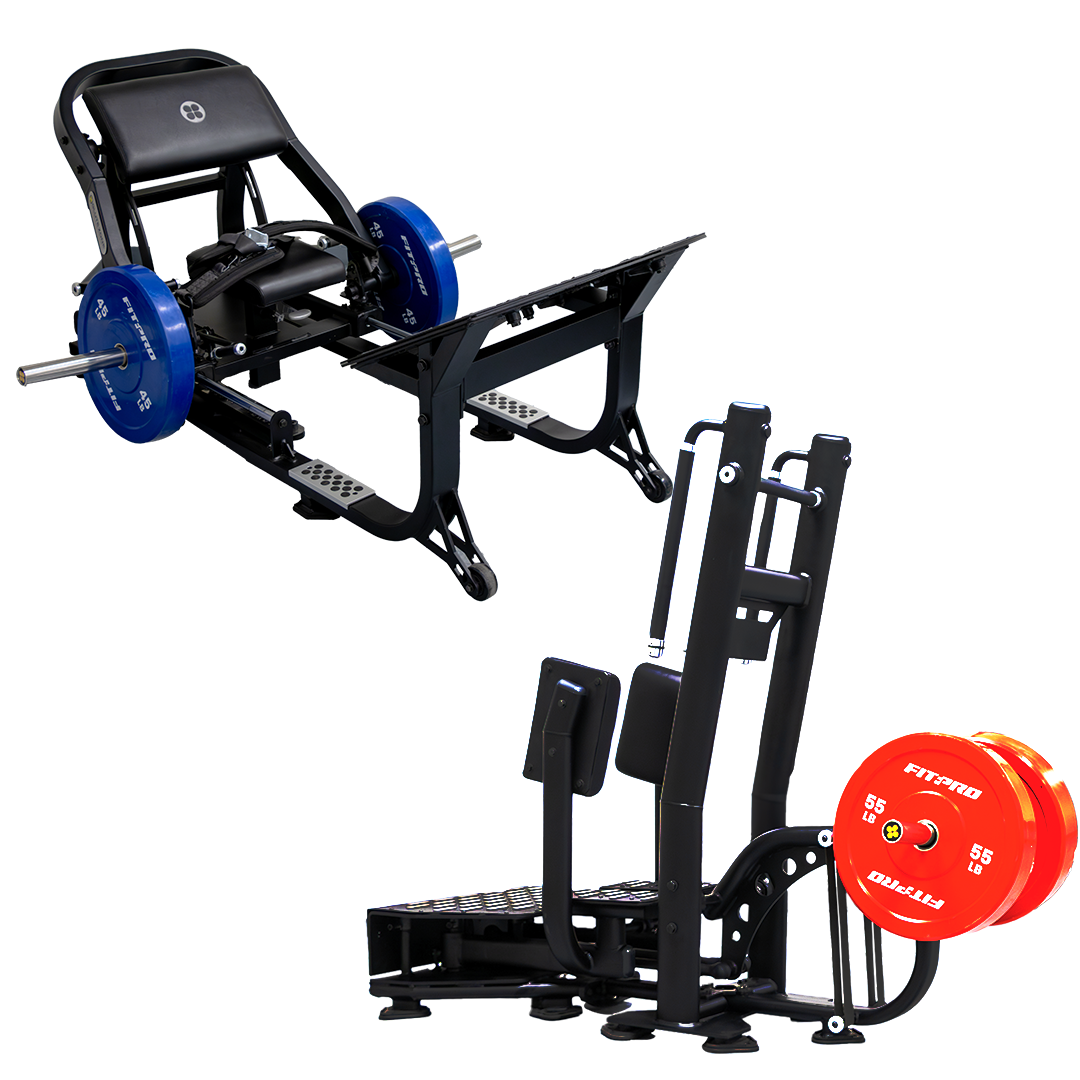
Your anchor matters: the plate-loaded Hip Thrust Machine is $2,239, with a 550 lb capacity on the plate horns, a 357 lb frame, a 16-point adjustable seat, and a lifetime warranty on the frame plus 1 year on spare parts, with parts and shipping covered in that year. For home-gym buyers: one anchor machine you program around beats three accessories you improvise with.
2. Program off-peak small-group blocks, not open access
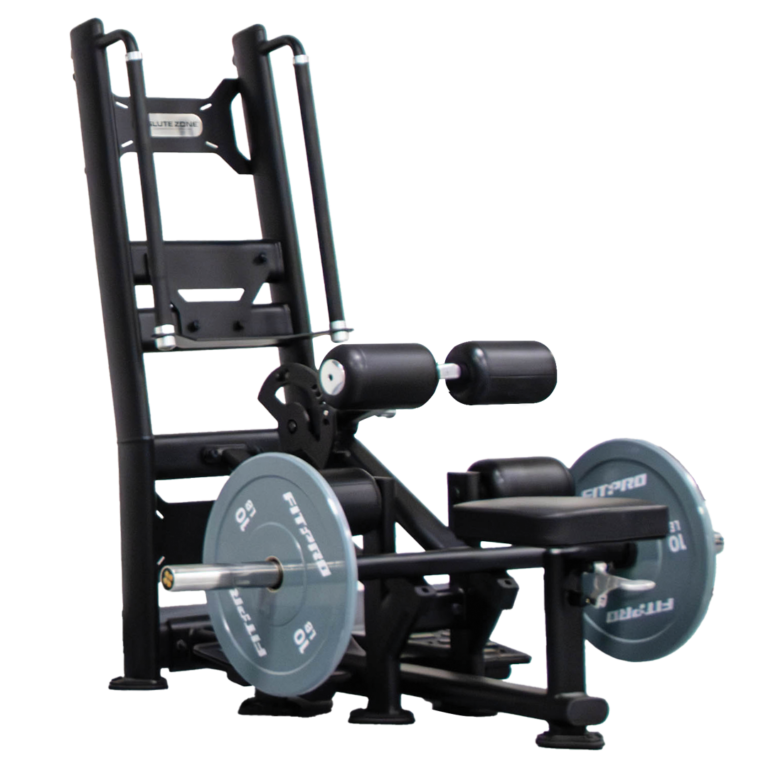
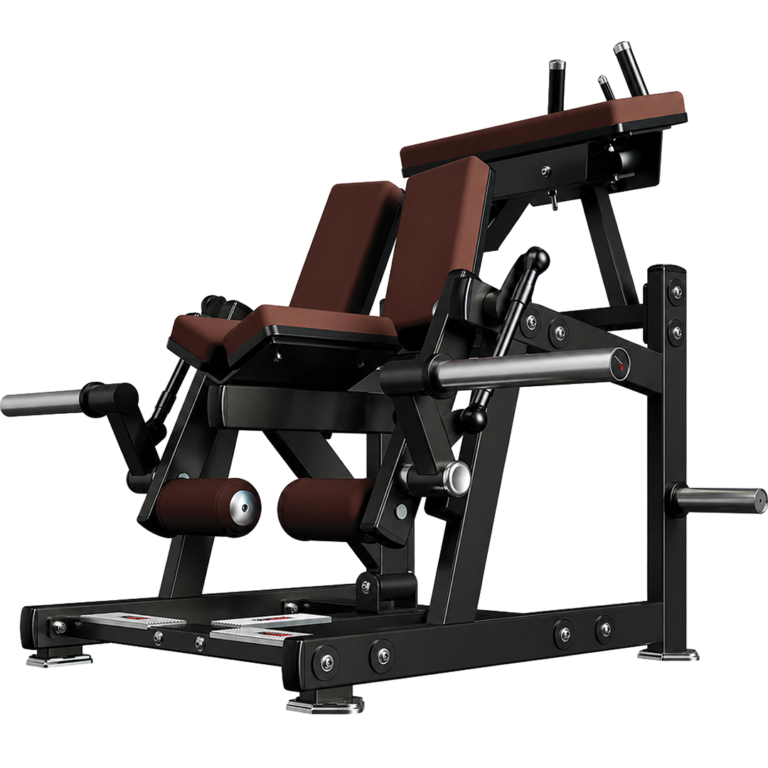
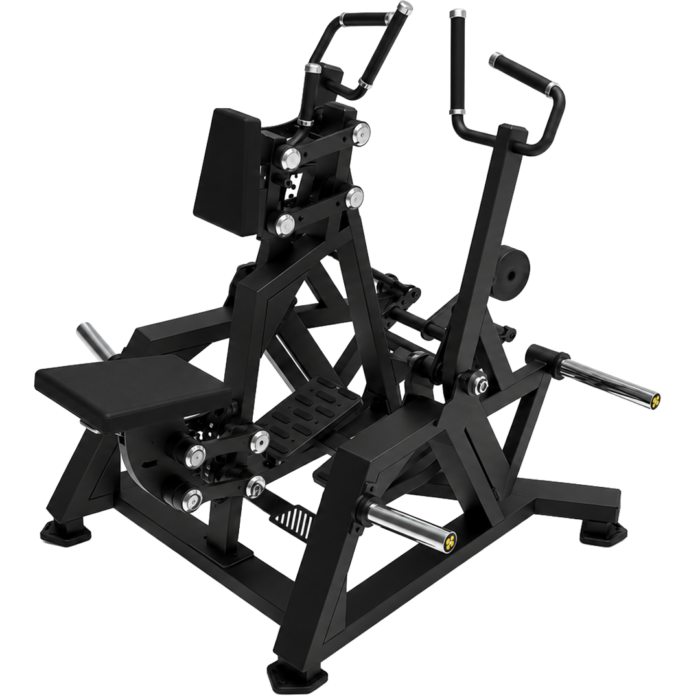
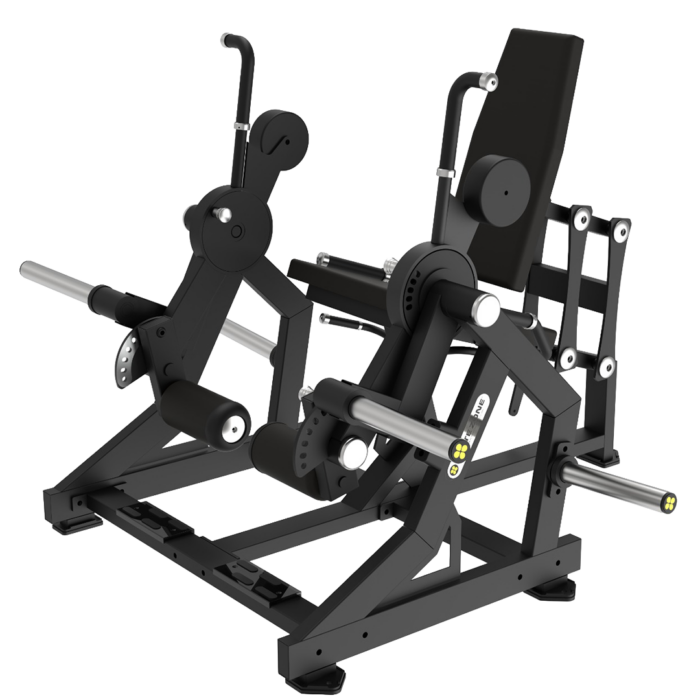
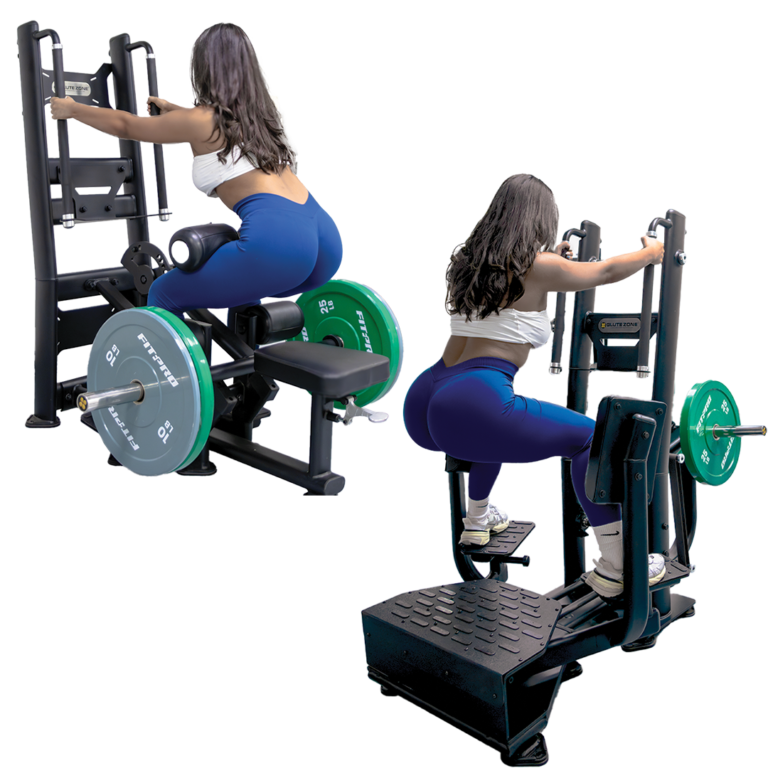
Schedule two or three coached glute blocks in dead zones: 10:30 a.m., 1:00 p.m., and 3:30 p.m. Cap them at 6 to 8 members, run 45 minutes, and use three stations: a hip thrust heavy lift, pendulum squat or belt squat for lengthened work, and an abductor or kickback finisher. Include one off-peak block per week in premium tiers, and sell an add-on pack to base members. Do not discount peak to fix an off-peak problem. You sell coaching, a guaranteed station, and no waiting.
The math is simple: one coach, six members, and three blocks a week can turn hours that earn nothing into your highest revenue per square foot, because the floor, lights, and rent were already paid.

3. Run a six-week glute challenge with a visible finish line
Entry includes two coached off-peak sessions per week, a starting and ending strength test on the hip thrust, and a private progress photo and measurement day. Post the calendar on the zone wall, and give each participant a card: sessions attended, top set, and next target.
Recruit in order: current off-peak trainers, then members who complain about peak crowds, then lapsed members with a specific personal invitation naming the zone, the coach, and the exact times. Pair the challenge with the Pendulum Squat for a second heavy pattern without a bar on the back.
4. Turn the zone into your content engine
Film in the off-peak blocks: a coach cueing foot position, a member PR, and a 20-second setup fix. Publish three clips weekly: one teaching clip solving a single problem, one proof clip with a real member (with permission) and a real improved number, and one invitation clip naming the exact off-peak times and how to book, ending with the booking action. In the gym, put a small sign in the zone with a QR code to the off-peak schedule.
5. Add daytime partners and an honest off-peak tier
The Wellhub contrast is telling: operators without corporate wellness partnerships were far more likely to report a mostly empty facility off-peak. Talk to nearby employers, clinics, schools, and remote-work hubs about a daytime glute and strength block, with a trial week at a fixed off-peak time.
Offer an off-peak tier: full access in defined quiet hours, a lower price, a clear upgrade path, and no fine print. Remote workers, parents after school drop-off, shift workers, and retirees are often the most consistent visitors. The home-gym version is a fixed daytime schedule with a partner, or joining a gym challenge remotely.
6. Measure utilization like you measure sales
Track weekly: visits by hour, off-peak block fill rate, challenge completion rate, and 90-day retention for zone users vs non-users, next to revenue per square foot. Work on one target at a time: if blocks are half full, fix the invitation before adding a block; if they are full but retention is flat, fix coach contact between sessions.
The first win is a 10 a.m. floor that no longer looks empty on a tour, a coach whose quiet hours produce revenue, and members who have a better option at noon than fighting at peak.
FAQ
How much space does a glute zone need?
An anchor plus two stations and coaching space. A compact programmed zone beats a larger storage-feeling corner.
What if members only want peak?
Only a minority needs to move. Small groups, guaranteed stations, and coaching are reasons a discount is not.
How fast are results?
One challenge cycle, about six weeks, for fill rate; retention over 90 days; not by social likes.
Can a home gym use this?
Yes: name the space, set fixed sessions, track top sets, and work in six-week blocks.
Build the zone that fills the day
If peak is full and midday is empty, you do not have a demand problem, you have a programming and invitation problem. Start with the anchor, schedule the blocks, and run the first challenge. GluteZone can help plan the equipment mix for your floor and budget, with Affirm financing available.
Plan your glute zone
Talk to GluteZone about the equipment mix, layout, and programming for your floor and budget.
Sources
HFA 2026 US Health and Fitness Consumer Report via Athletic Business / Leisure Opportunities (81M, +5.2%, 7B visits, 4.6% non-use); 2025 Global Fitness Benchmarking Report via FitBizWeekly (66% median, >75% top); Association of Fitness Studios via BarBend (73% group studio retention); Wellhub Fitness Business Growth Report 2026 via Fitt Insider (86% grew membership; 30% vs 5% off-peak unused); LegitFit boutique gym guide (class utilization); GluteZone Hip Thrust product page verified Oct 14 2026 plus confirmed warranty terms.