





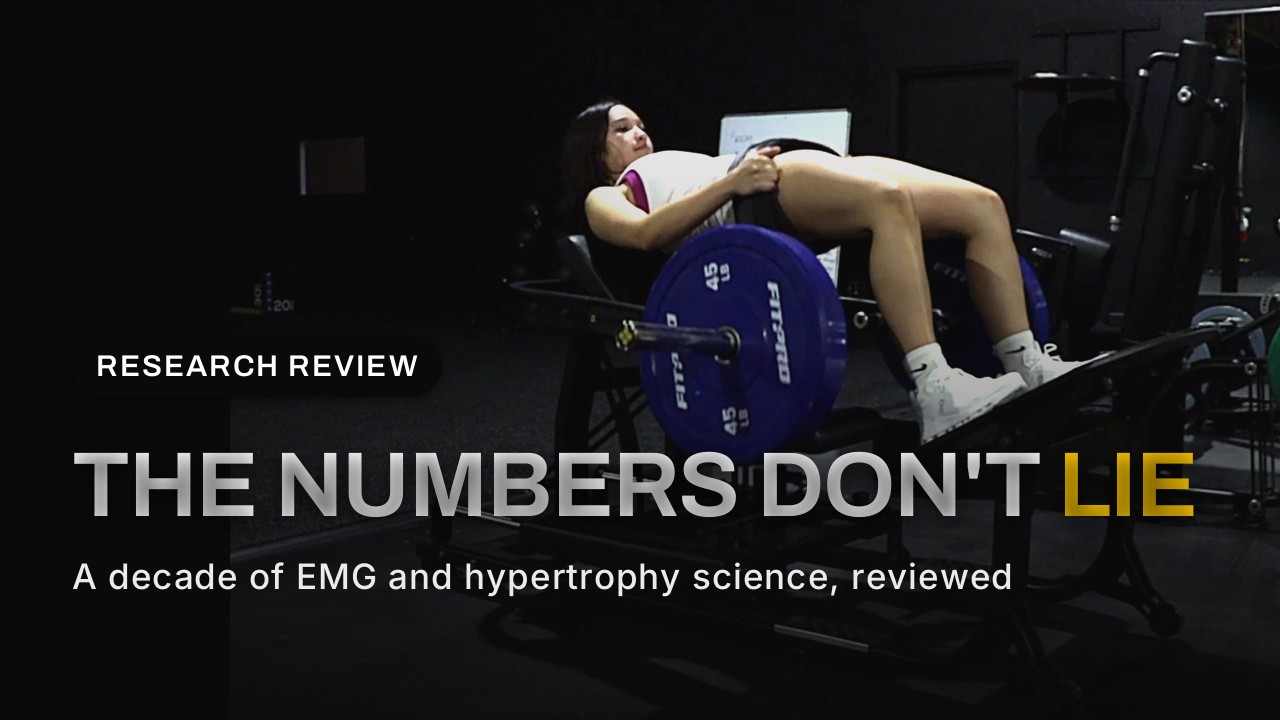

Ten years ago, a strength coach with a PhD in sports science looked at the biggest, most powerful muscle in the human body and asked a question nobody had seriously tested: what actually activates the gluteus maximus best? The answer made Bret Contreras famous, turned the hip thrust into a gym-floor staple, and launched a decade of research that keeps landing in the same place.
For gym owners, this matters beyond the exercise itself. Equipment decisions are bets on what members will keep using, and few bets are backed by this much science. Here is what a decade of peer-reviewed glute research really found, study by study, and what it means for your gym floor.
The 2015 study that started it all
In 2015, Contreras, Vigotsky, Schoenfeld, Beardsley, and Cronin published the first direct comparison of the back squat and the barbell hip thrust in the Journal of Applied Biomechanics. Thirteen trained women performed estimated 10-repetition maximum loads in both exercises while researchers measured surface EMG activity of the upper and lower gluteus maximus, biceps femoris, and vastus lateralis.
The numbers were not close. The barbell hip thrust produced mean upper gluteus maximus activity of 69.5% versus 29.4% for the back squat, more than double, with peak activity of 172% versus 84.9%. The lower gluteus maximus told the same story: 86.8% versus 45.4% mean, 216% versus 130% peak. Biceps femoris activity was also significantly higher in the hip thrust (40.8% versus 14.9% mean), while the quadriceps (vastus lateralis) showed no significant difference between exercises.
In plain terms, the hip thrust lit up the glutes at levels the squat never reached, without sacrificing anything in the quads. It was the first hard, peer-reviewed evidence that the exercise Contreras had been championing was not a gimmick. It was, for the gluteus maximus, the highest-activation compound lift ever measured.
69.5% vs 29.4% — Mean upper gluteus maximus EMG, hip thrust vs. back squat (Contreras et al., 2015)
86.8% vs 45.4% — Mean lower gluteus maximus EMG, hip thrust vs. back squat (Contreras et al., 2015)
172% vs 84.9% — Peak upper gluteus maximus EMG, hip thrust vs. back squat (Contreras et al., 2015)

2023: the growth question gets an answer
EMG studies are about activation in the moment, and for years the honest critique stood: does more activation actually mean more muscle growth? In 2023, Plotkin and colleagues, including Contreras himself, ran the study the field had been waiting for. Published in Frontiers in Physiology, it put untrained college-aged adults through nine weeks of volume-equated training, hip thrust only versus back squat only, with 15 to 17 supervised sessions and MRI scans measuring actual muscle growth.
The headline finding: squat and hip thrust training produced similar gluteus maximus hypertrophy. Where they differed was the thighs. The squat group gained 3.6 cm² more quadriceps cross-sectional area and 2.5 cm² more adductor area than the hip thrust group. Strength gains were specific to the exercise trained, squat 3RM favored the squat group by 14 kg, hip thrust 3RM favored the hip thrust group, while deadlift strength improved similarly in both.
Here is the twist that made the paper famous among researchers: hip thrusts showed higher glute EMG during the first training session, just like the 2015 study, but that EMG difference did not consistently predict who grew more glute muscle. Activation is information, not destiny.
So a decade after Contreras put EMG electrodes on the glutes, the science had matured into something more useful than a winner-take-all verdict. The hip thrust is the most glute-targeted compound lift ever measured. The squat is the better total lower-body builder. For pure glute growth, both work. For a gym owner, that means the question is not which exercise to offer. It is which exercises your members will actually keep doing.
3.6 cm² / 2.5 cm² — Extra quadriceps and adductor growth from squats vs. hip thrusts (Plotkin et al., 2023)
9 weeks — Volume-equated hip thrust vs. squat training, similar gluteus maximus hypertrophy (Plotkin et al., 2023)
The full range of motion bonus
There is a third finding gym owners should know, because it shapes how equipment gets designed. A 2021 systematic review and meta-analysis by Pallares and colleagues analyzed 16 studies comparing full versus partial range of motion in resistance training. Full ROM training produced significantly greater adaptations than partial ROM for both muscle strength (effect size 0.56) and lower-limb hypertrophy (effect size 0.88).
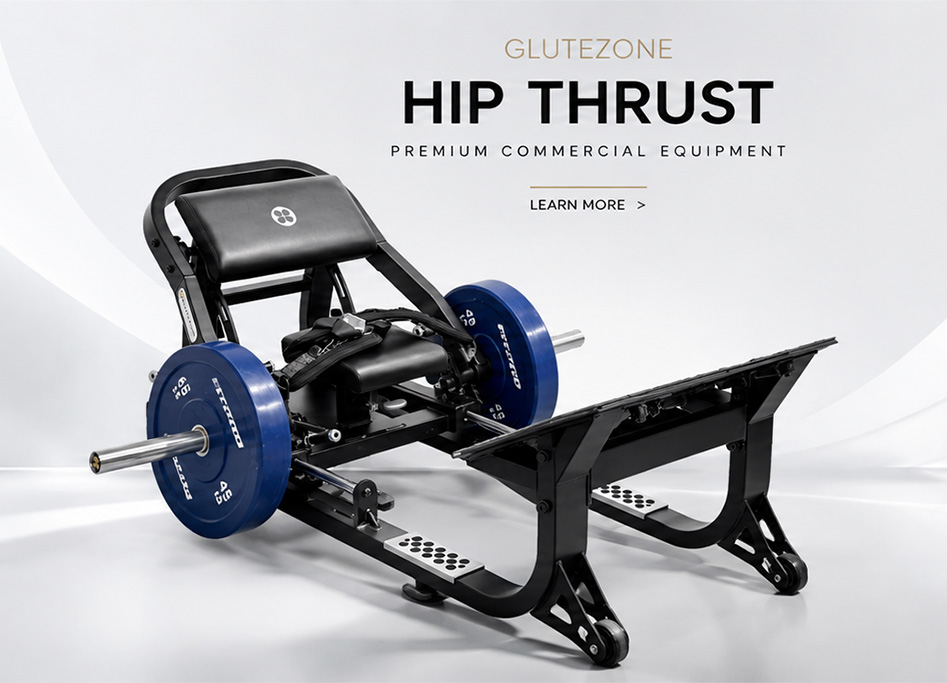
Why does that matter for hip thrusts? The hip thrust is one of the few glute exercises where the full range is both deep and safe: a deep stretch at the bottom, a hard lockout at the top, with the spine protected by the bench and pad. A systematic review of barbell hip thrust research found mean gluteus maximus activation between 55% and 105% of maximal voluntary contraction across studies, with hamstrings at 40 to 85% and gluteus medius around 45%. The movement trains the glutes through their full excursion, which is exactly what the ROM research says drives growth.
0.88 — Effect size for lower-limb hypertrophy, full vs. partial range of motion across 16 studies (Pallares et al., 2021)
What this means for your gym floor
Here is the practical read for owners, not just trainers:
- Dedicated glute equipment earns its floor space. The research says hip thrusts produce the highest glute activation of any measured compound lift and grow glutes as effectively as squats. Members do not have to take that on faith anymore; the decade-long evidence trail is public and quotable in your marketing.
- Pair it with squats, not instead of them. Plotkin’s study is clear: squats build the thighs, hip thrusts isolate the glutes, and members who want complete lower-body development need both. Your glute zone and your squat racks are complementary, not competitors.
- Accessibility converts members. A barbell hip thrust on the floor takes setup time, benches, and confidence. A plate-loaded machine removes all three barriers, which is why hip thrust machines get used during off-peak hours by members who would never monopolize a squat rack. Equipment that gets used is equipment that retains members.
What to look for in a hip thrust machine
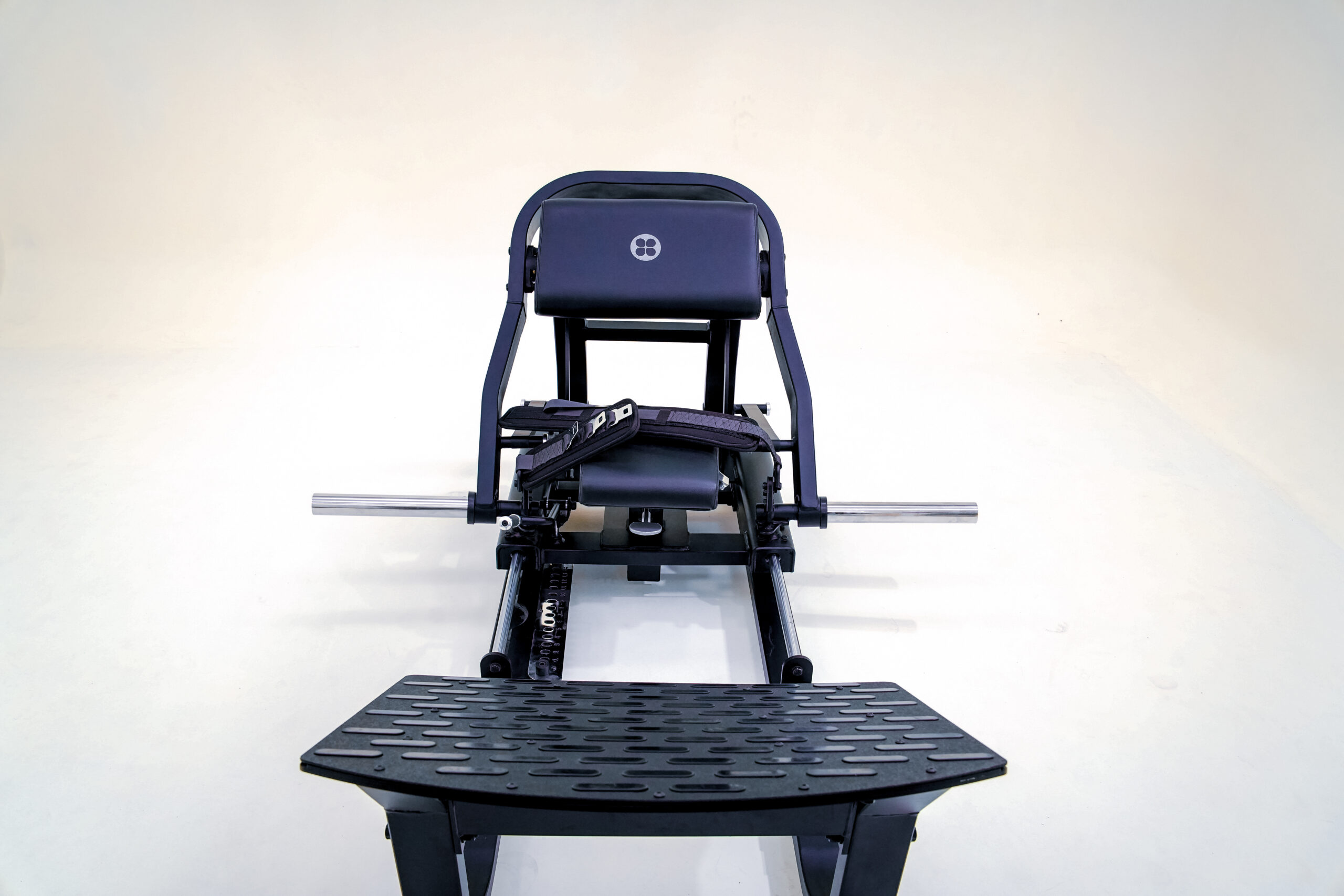
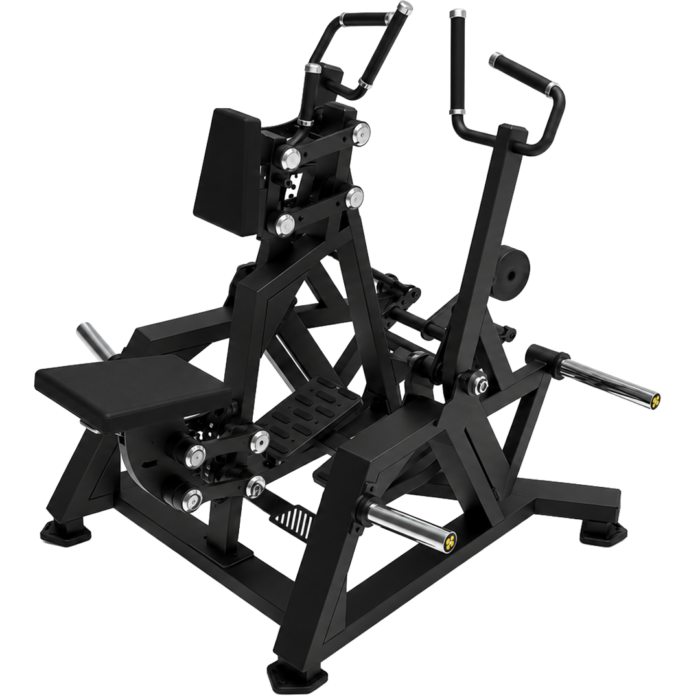
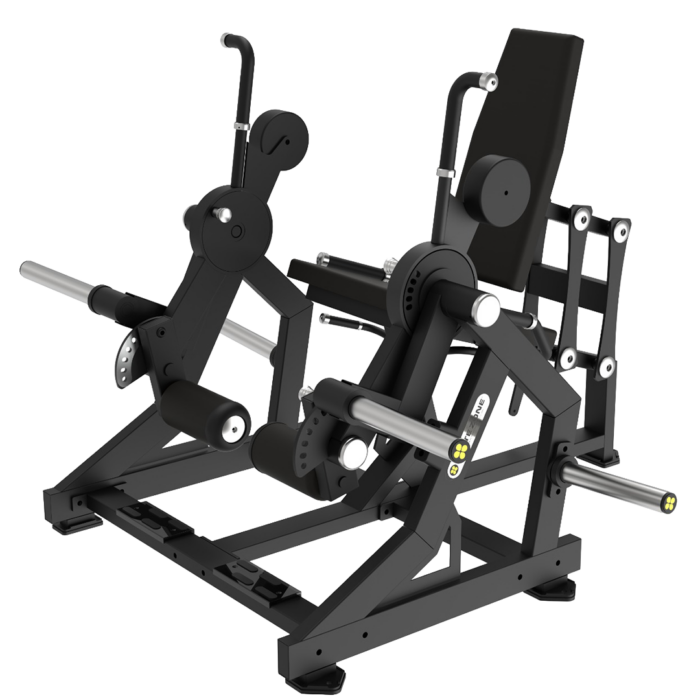
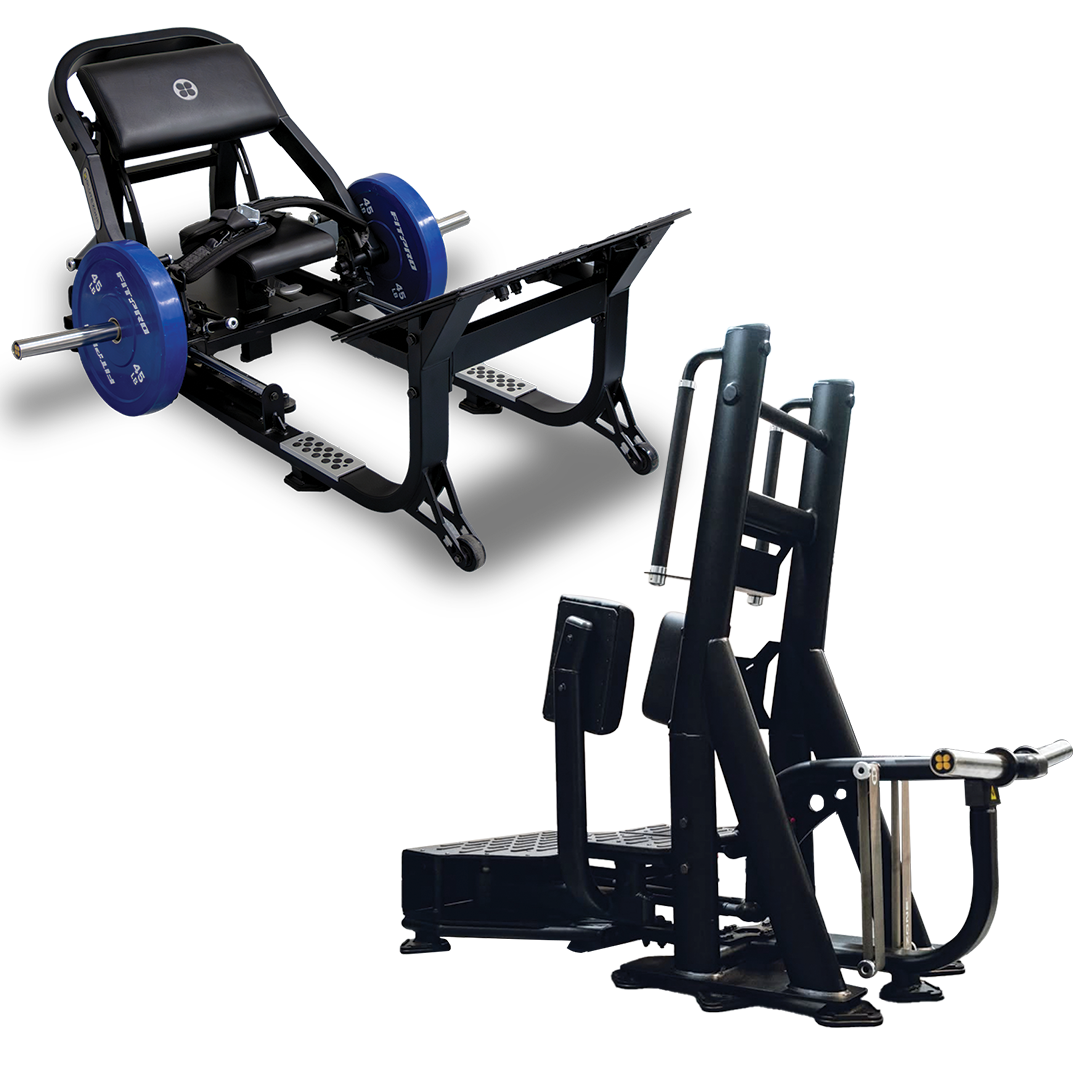
If the science says the movement belongs in your gym, the machine choice is about durability and fit. A commercial hip thrust machine should be plate-loaded, stable under heavy loads, and adjustable enough that a 5’2″ beginner and a 6’4″ lifter both hit full hip extension safely.
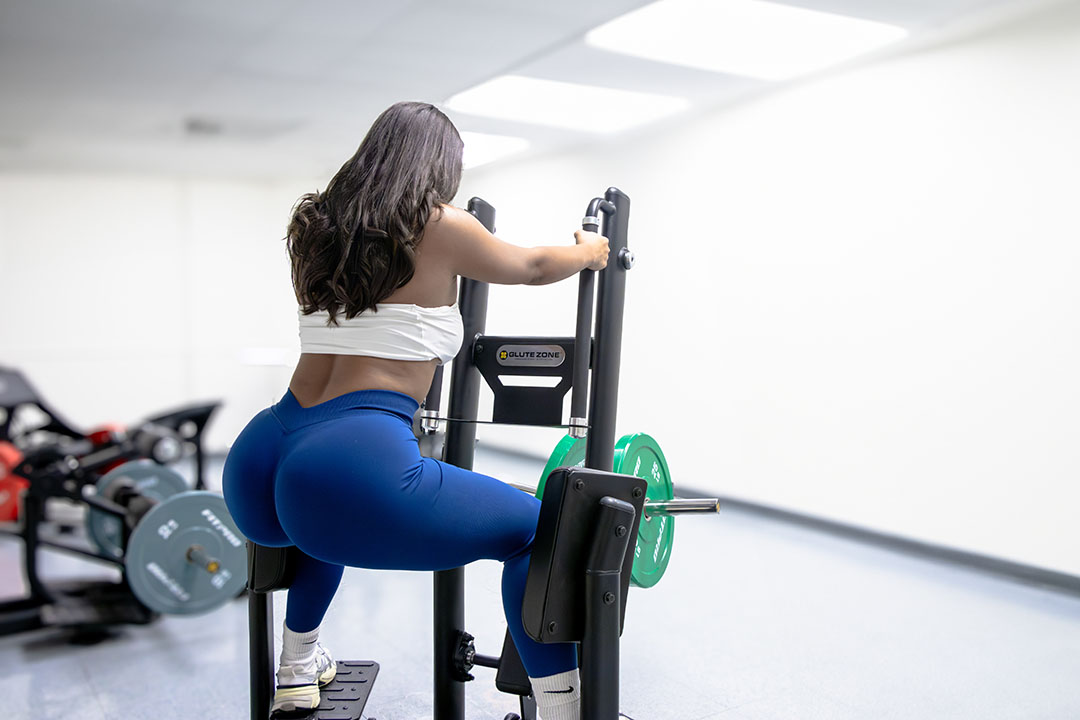
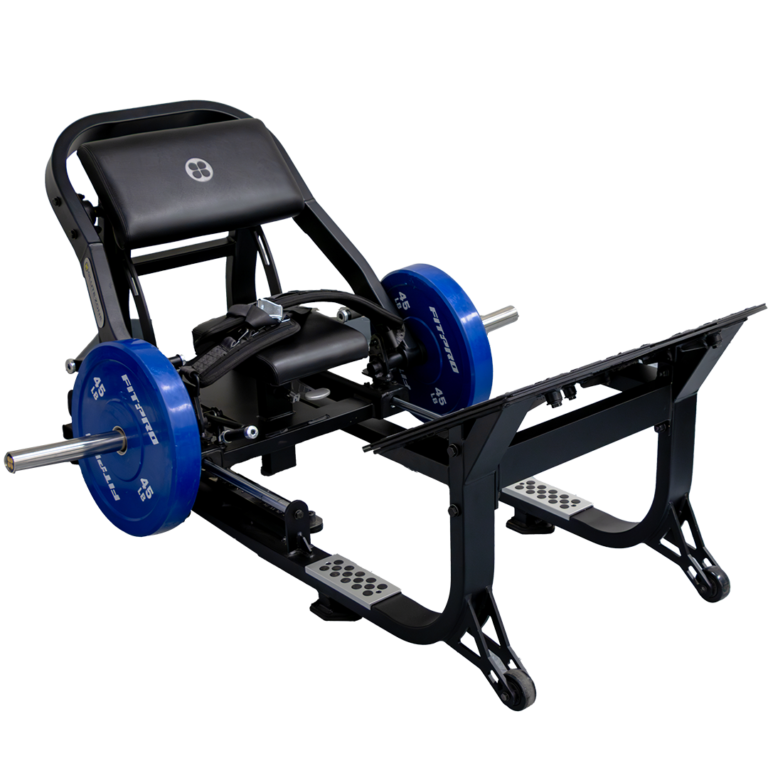
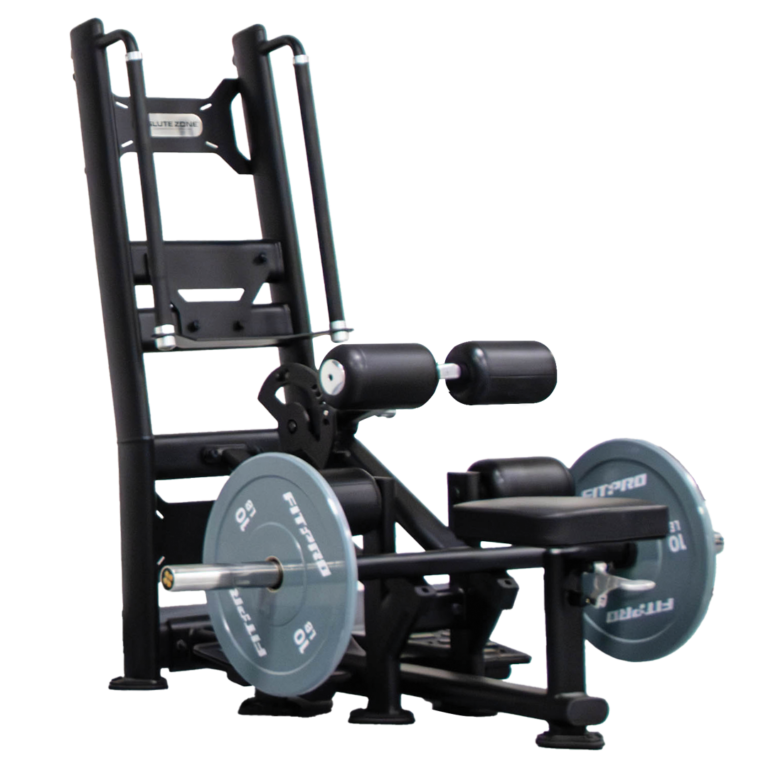
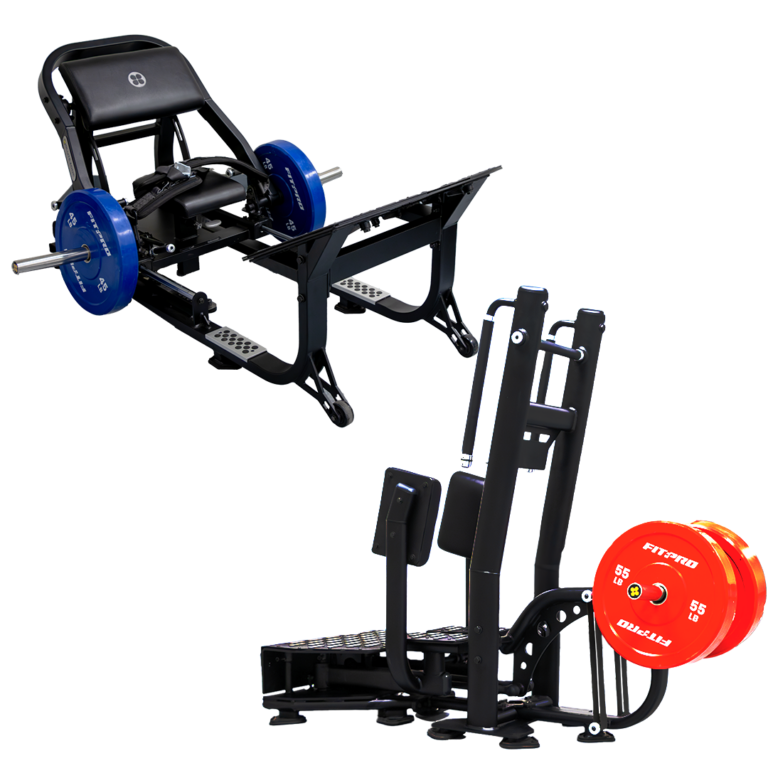
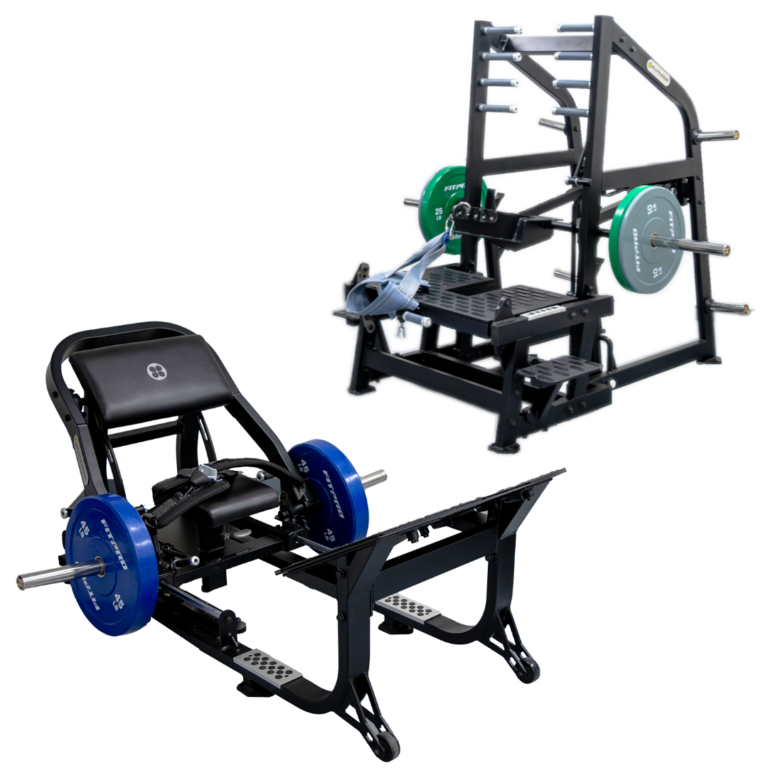
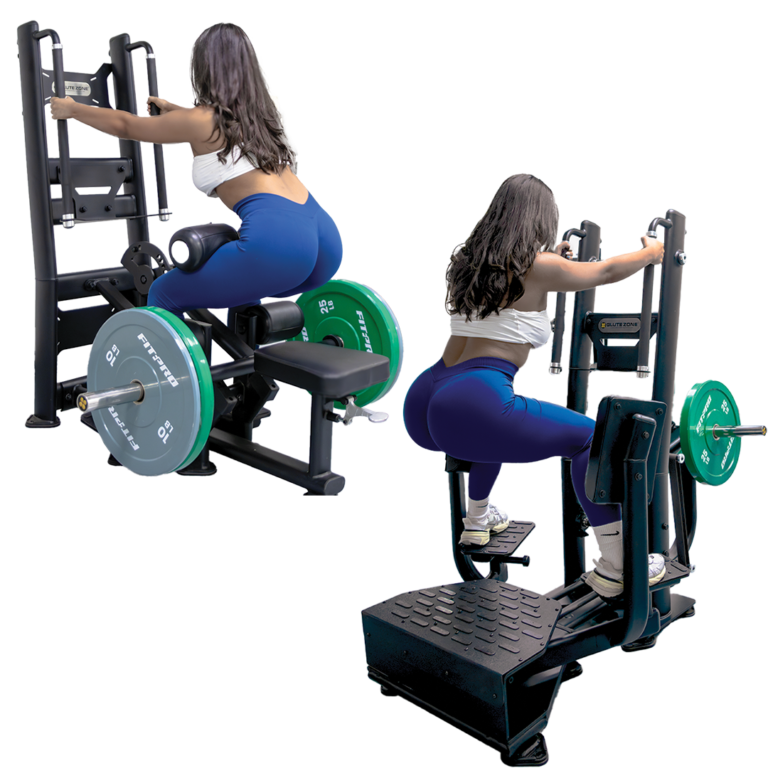
The GluteZone Hip Thrust Machine is built to that spec: a 16-point forward/backward adjustable seat, plate horns rated to 550 lbs, a 357 lb commercial steel frame with anchor-hole ports for bolting to the floor, and a compact footprint that fits into a dedicated glute zone or alongside your racks. At $2,239, it is priced for gyms that need the machine to earn its square footage, and gyms that want to pair it with a squat-based lower body day can look at the Elite Strength Duo or the full Glute Trinity Bundle.

The bottom line
Bret Contreras started with electrodes and a hunch. Ten years and dozens of studies later, the record shows he was right about the activation, right that the field needed long-term growth data, and honest enough to co-author the study that complicated his own story. For gym owners, the takeaway is simpler: hip thrusts work, full range of motion works, and a dedicated, well-built hip thrust machine is one of the most evidence-backed square meters on your gym floor.
FAQ
Do hip thrusts build more glute muscle than squats?
The best long-term study (Plotkin et al., 2023) found similar gluteus maximus growth from nine weeks of hip thrusts versus squats when training volume was equal. Squats produced more quadriceps and adductor growth. For pure glute development, both are effective.
Is EMG activation the same as muscle growth?
No. EMG measures how hard a muscle fires during a set, while hypertrophy is measured over weeks with imaging. Plotkin’s 2023 study found that higher hip thrust EMG did not consistently predict greater glute growth, so treat activation data as a guide, not a guarantee.
How often should members train glutes?
Research supports 2 to 3 sessions per week for optimal glute development, with at least 48 hours of recovery between sessions for the same muscle group.
Are hip thrust machines better than barbell hip thrusts?
Machines provide a guided loading path and faster setup, which increases usage and consistency, especially for beginners. Barbells allow heavier absolute loads and more stabilizer recruitment. The underlying movement, and the science behind it, is the same.
Give Your Members the Machine the Research Points To
Your members read the same studies you do. Give them the machine the research keeps pointing to. The GluteZone Hip Thrust Machine is commercial grade, built for heavy daily use, and available with flexible Affirm financing. Talk to our team for a custom quote for your gym:
Sources
- Contreras B, Vigotsky AD, Schoenfeld BJ, Beardsley C, Cronin J. A Comparison of Gluteus Maximus, Biceps Femoris, and Vastus Lateralis Electromyographic Activity in the Back Squat and Barbell Hip Thrust Exercises. Journal of Applied Biomechanics. 2015. pubmed.ncbi.nlm.nih.gov/26214739/
- Plotkin DL et al. Hip thrust and back squat training elicit similar gluteus muscle hypertrophy and transfer similarly to the deadlift. Frontiers in Physiology. 2023. frontiersin.org/journals/physiology/articles/10.3389/fphys.2023.1279170
- Barbell Hip Thrust, Muscular Activation and Performance: A Systematic Review. thefreelibrary.com
- Pallares JG et al. Effects of range of motion on resistance training adaptations: A systematic review and meta-analysis. Scandinavian Journal of Medicine & Science in Sports. 2021. onlinelibrary.wiley.com/doi/10.1111/sms.14006