







Your hip thrust has not moved in three weeks. The weight that felt smooth last month now feels heavy from the first rep, your glutes stay sore into the next session, and the pendulum squat that used to be the highlight of leg day has become a negotiation. The usual instinct is to add more: more weight, more sets, more days. The research on deload weeks points the other way. A planned lighter week is how trained lifters clear the fatigue that is masking the fitness they already built. This guide explains what a deload week is, the signs that it is time for one, what the trials actually show, and exactly how to run a lighter week for glute training, in a commercial gym or a home gym.

246
Competitive strength and physique athletes surveyed by Rogerson in 2024, and every one of them used deloads
6.4 days
Typical deload length in that survey, taken on average every 5.6 weeks
18%
Less total volume in the deload condition of the Pancar 2026 trial, with similar muscle growth
41 to 60%
Volume reduction linked to the best outcomes in the Bosquet 2007 taper meta-analysis of 27 studies
What a Deload Week Actually Is
A deload is a short, planned period of reduced training stress. The definition agreed by expert coaches in the practical review by Bell and colleagues is simple: training demand is intentionally reduced to mitigate physiological and psychological fatigue, promote recovery, and enhance preparedness for the training that follows. Three words in that definition matter. It is planned, not improvised after a bad day. It is reduced, not stopped. And its purpose is the next block of training, not the week itself.
That makes a deload different from a rest week and different from quitting for a while. In the Rogerson 2024 survey of 246 competitive strength and physique athletes, the typical deload lasted 6.4 days and came around every 5.6 weeks. Athletes cut training volume, through fewer sets and fewer repetitions, and they reduced the load lifted and the effort per set. What they did not change was training frequency: they kept showing up on the same days, with the same exercises. The habit stayed. Only the demand dropped.
The Signs It Is Time to Deload Your Glute Training
The athletes in that same survey did not deload on a rigid calendar alone. Most combined a pre-planned schedule with an autoregulated trigger: they took the lighter week early when performance stalled, or when muscle soreness and joint aches increased. Their main stated reasons were energy and fatigue management. Translated into a glute program, watch for these signals arriving together, not one bad session on its own:
- Your hip thrust or pendulum squat load stalls or goes backwards for two to three sessions in a row, despite good sleep and food.
- Soreness from Monday's session is still limiting Thursday's session. Normal soreness resolves in 48 to 72 hours.
- Joint aches, in the knees, hips, or lower back, that warming up no longer clears.
- Sleep gets worse even though you are training hard, and warm up weights feel heavy before the session starts.
- Motivation drops in a way that feels physical, not lazy. You dread sessions you normally enjoy.
One signal for one day is noise. Three or more, persisting across a week, is accumulated fatigue asking for a planned reduction. That distinction is the whole skill. Push through real fatigue for long enough and a one week problem can become the longer setback the overtraining literature warns about, where recovery is measured in weeks to months instead of days.
What the Trials Actually Show, Honestly
Here is the part most deload articles skip: no controlled trial has shown that a deload week grows more muscle than training straight through. What the trials show is more useful. A well built lighter week costs you almost nothing, and a full week off can cost you a little strength.
In the Coleman 2024 trial, 39 resistance trained men and women followed a nine week, high volume program. Half stopped training completely for one week at the midpoint. At the end, lower body muscle size, power, and local muscular endurance were similar between groups. The group that trained continuously, however, improved lower body strength more. A complete week off protected size, but it blunted strength gains and bought nothing extra.
The Pancar 2026 trial tested the other version: reduction instead of cessation. Nineteen untrained young men trained for eight weeks, with deload weeks at weeks four and eight where training dropped to one session of two sets per exercise. The deload condition did about 18 percent less total volume, 46 sets against 56 per muscle group, and produced similar increases in muscle thickness and strength endurance. Less work, same result, at least over eight weeks in beginners.
The taper literature points the same direction at a larger scale. Bosquet and colleagues pooled 27 studies in 2007 and found the most effective strategy cut training volume by 41 to 60 percent while keeping intensity and frequency unchanged. Put the three together and the practical lesson is consistent: keep the sessions, keep the movements, cut the volume roughly in half, and do not disappear for a week if strength is the goal.
How to Run a Glute Deload Week
Keep your normal training days and your normal exercises. If you train glutes twice a week, you still train twice. Change only the dose:
- Sets: cut working sets by about half. Four sets of hip thrusts become two. Three sets of pendulum squats become two, or one good set plus a lighter back off set.
- Effort: stop every set with three to four reps in reserve. No failure sets, no drop sets, no intensity techniques this week.
- Load: work a little lighter than usual on the big lifts, roughly 10 to 20 percent down, and let perfect form be the goal of the week.
- Accessories: keep them, at the same reduced dose. Abduction work, back extensions, and single leg work all stay in, just easier.
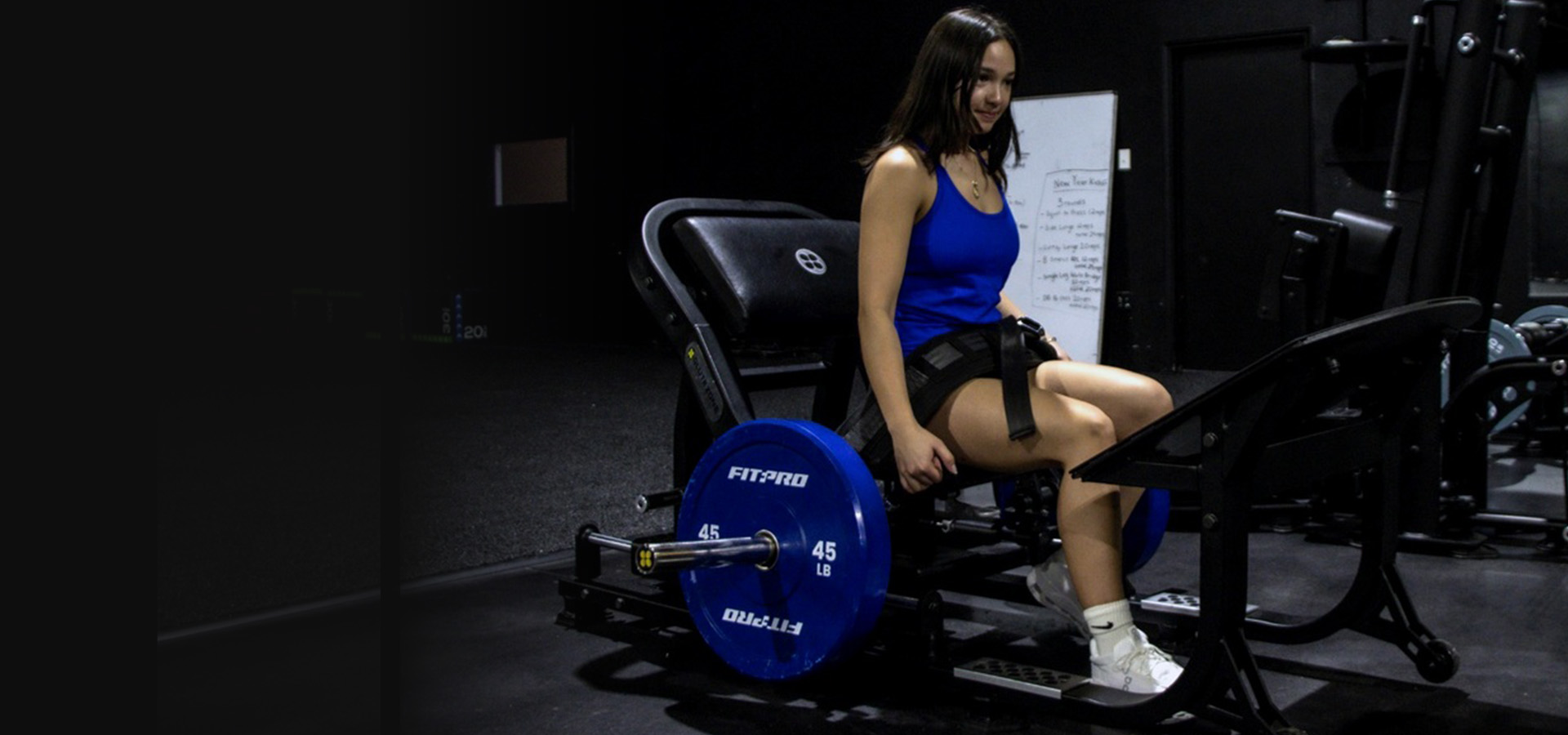
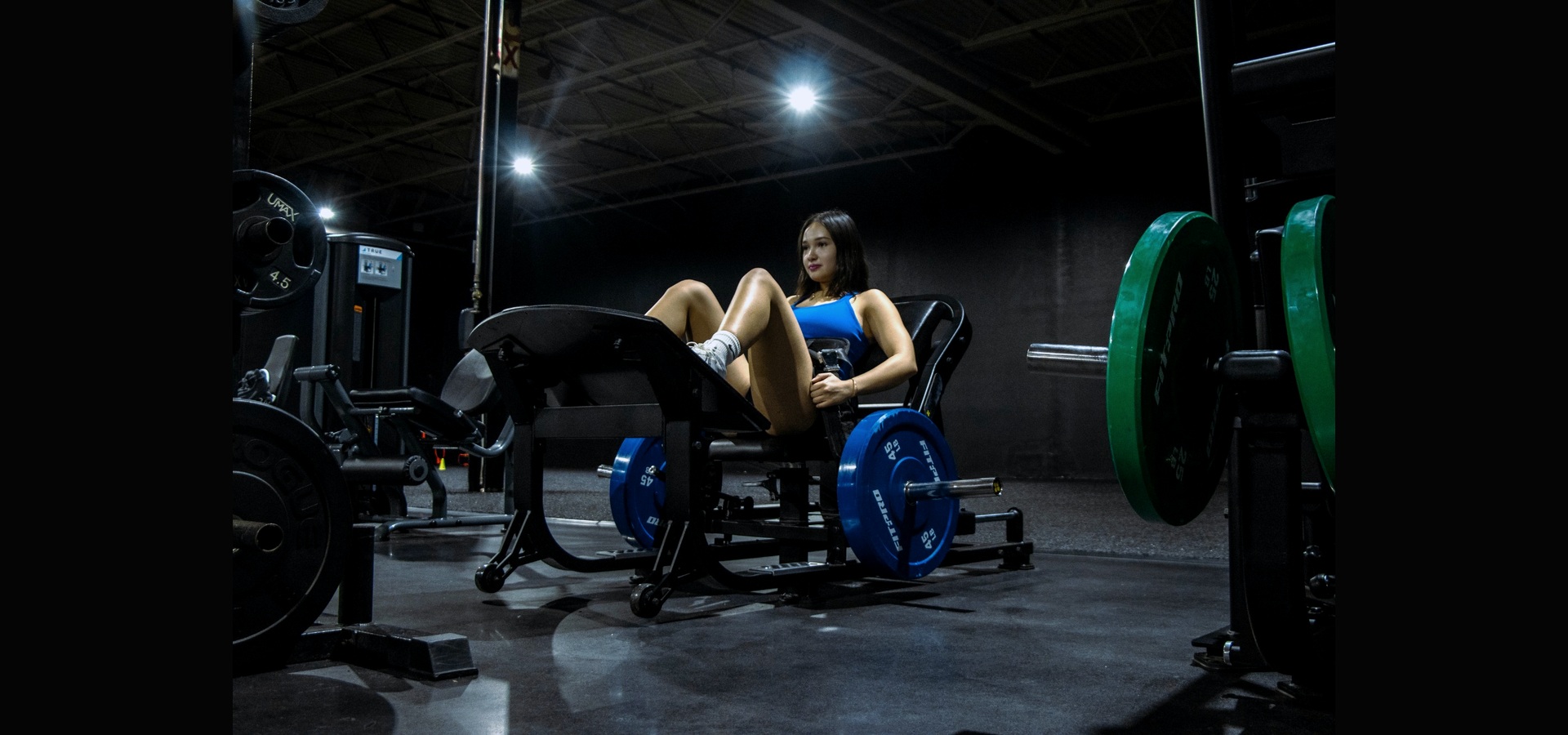
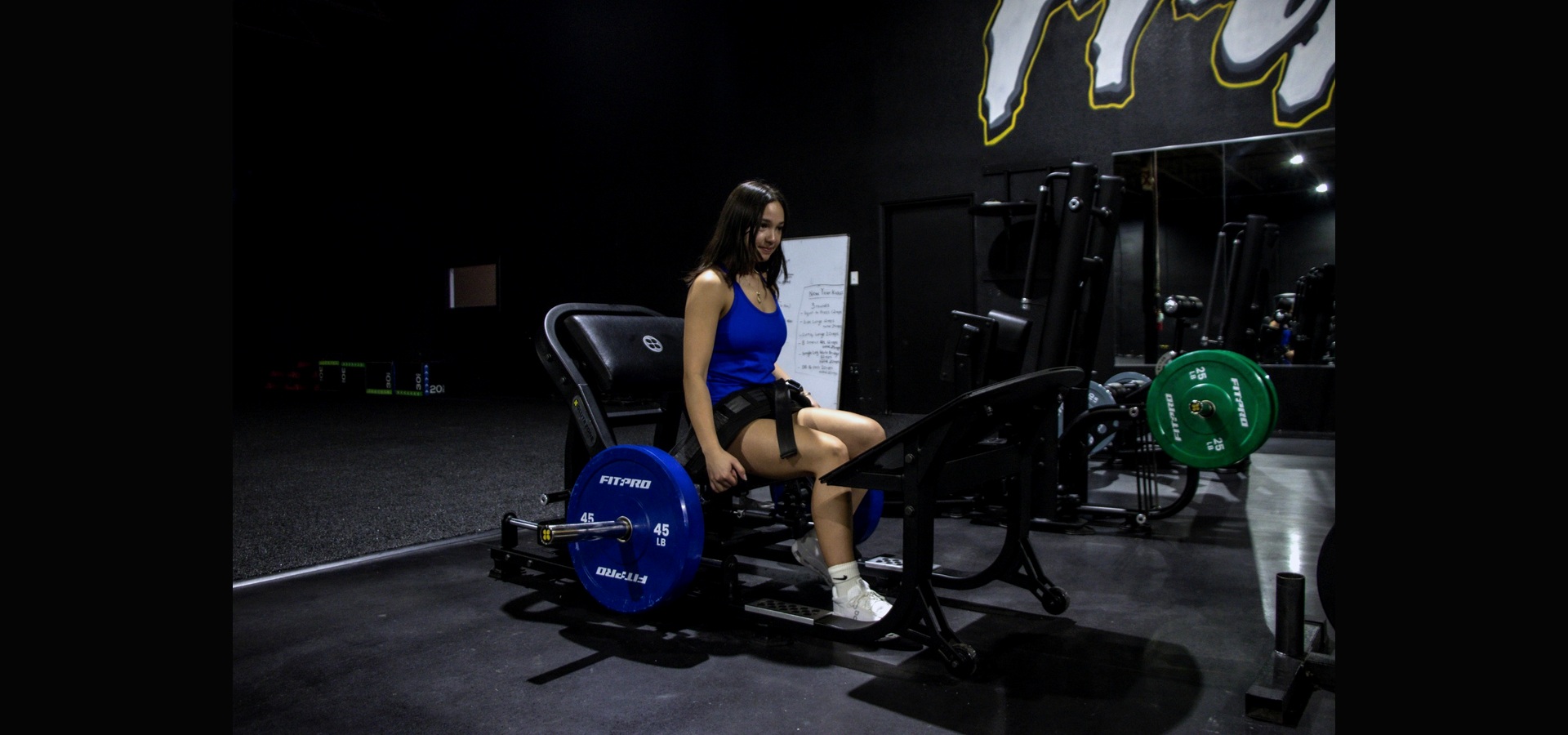
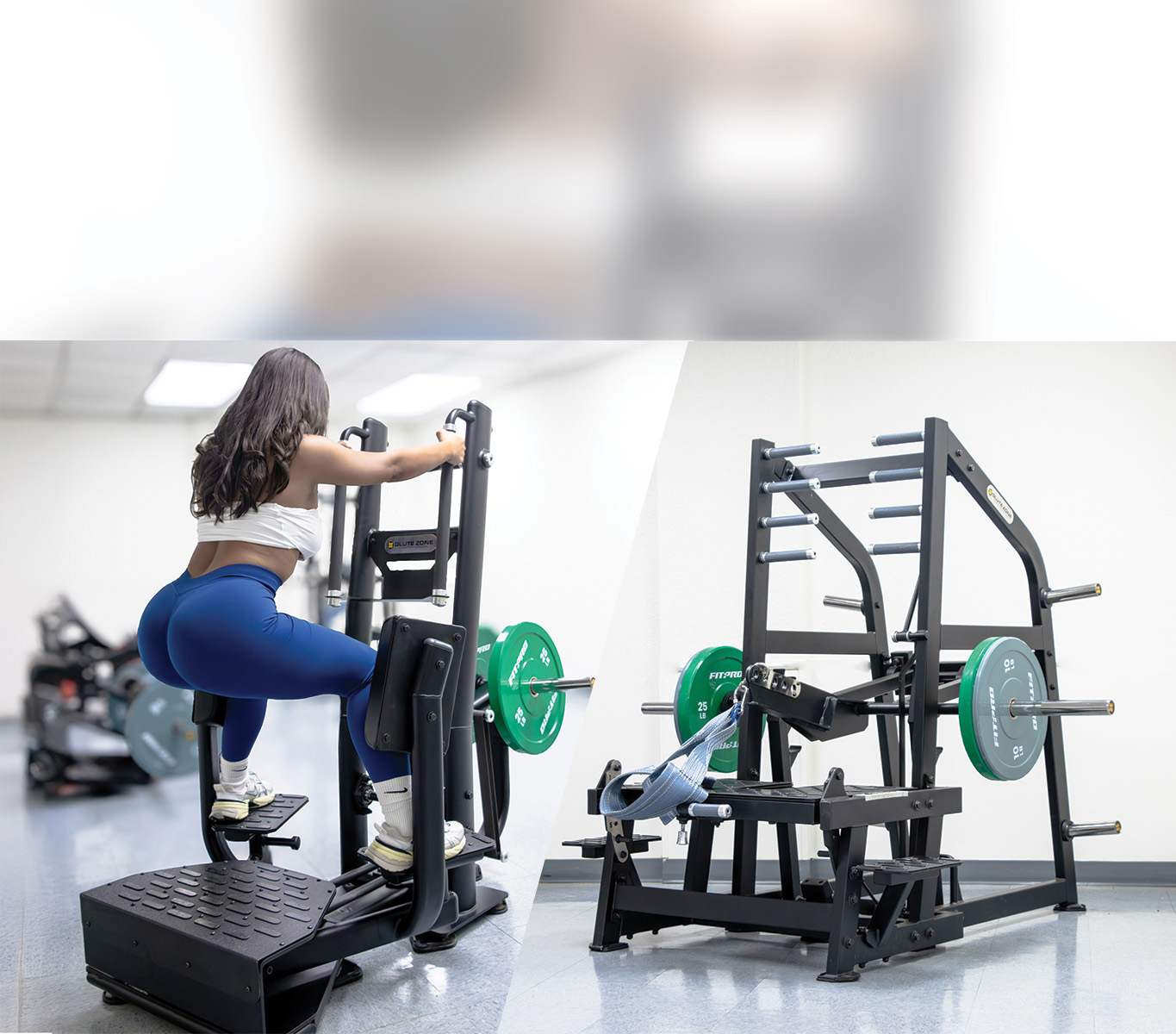
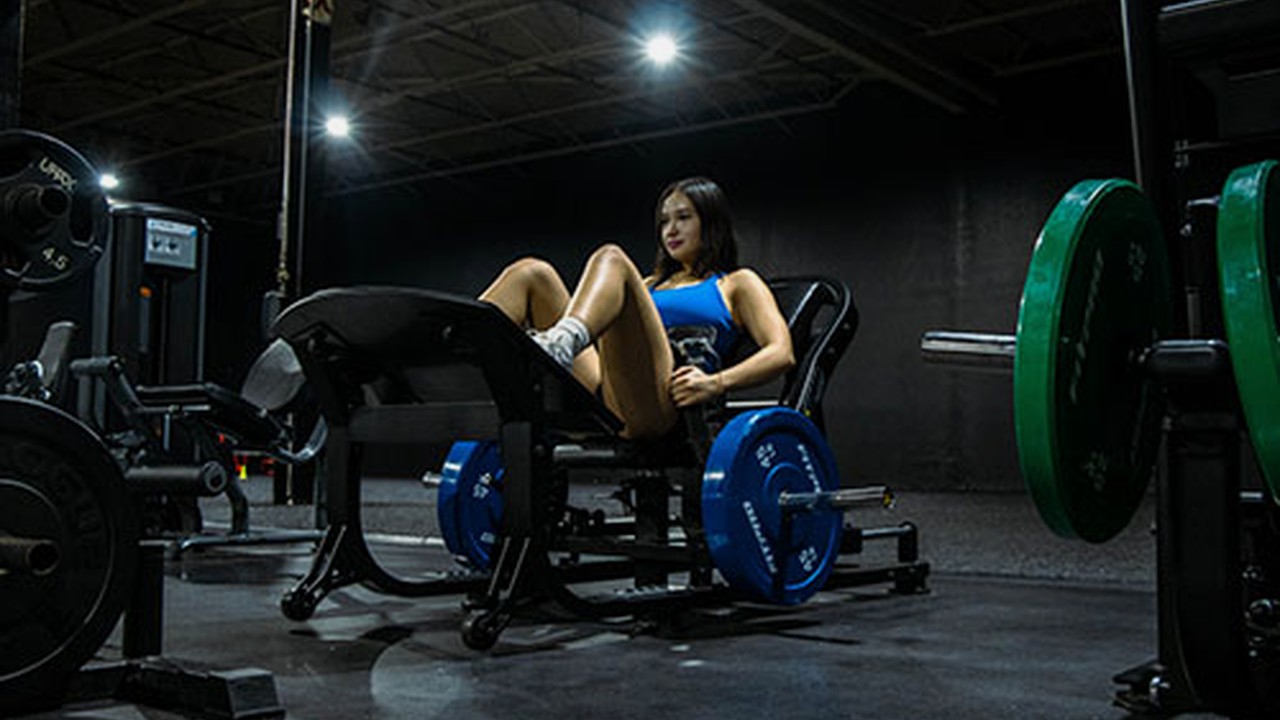
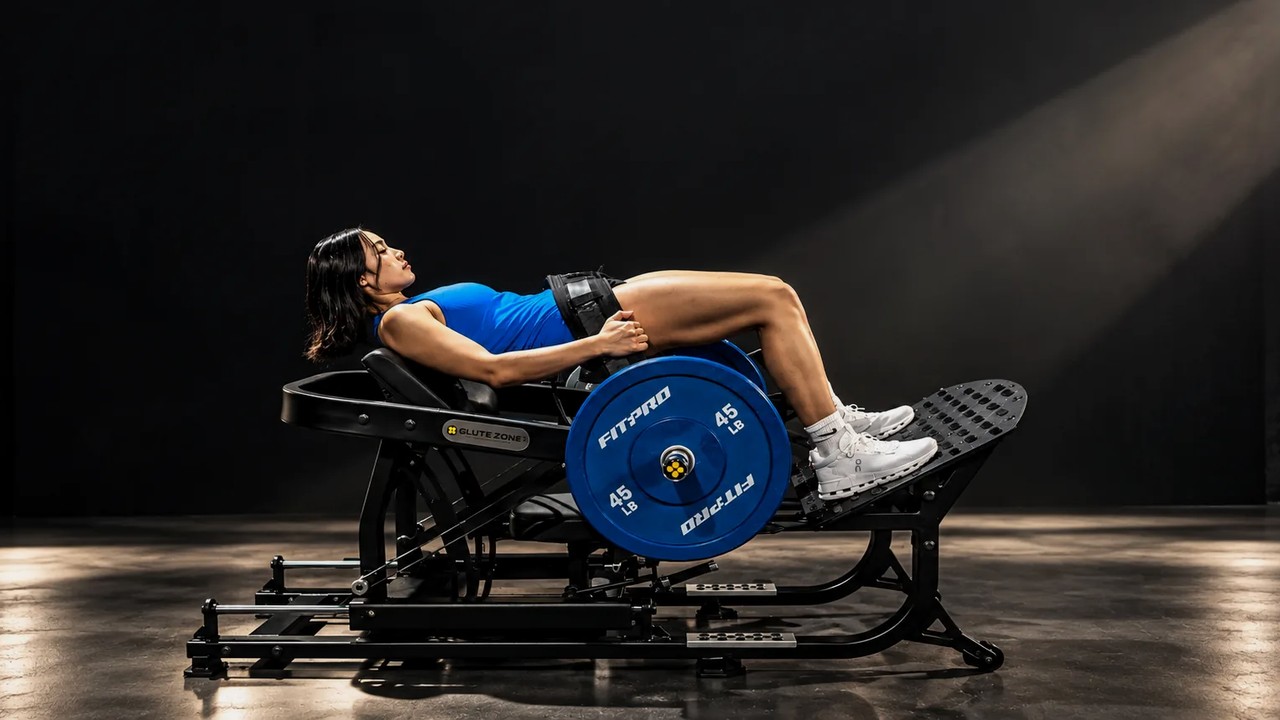
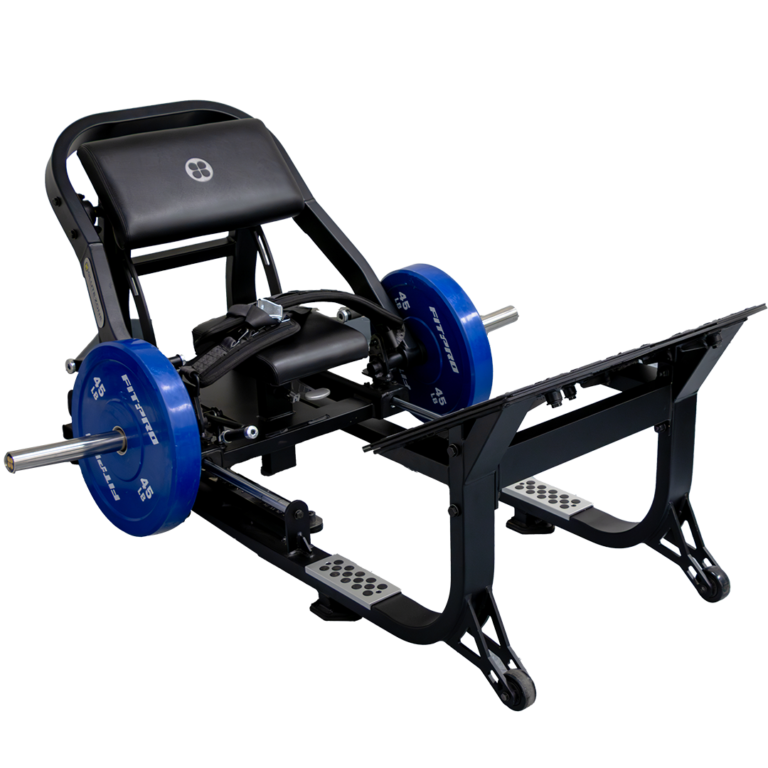
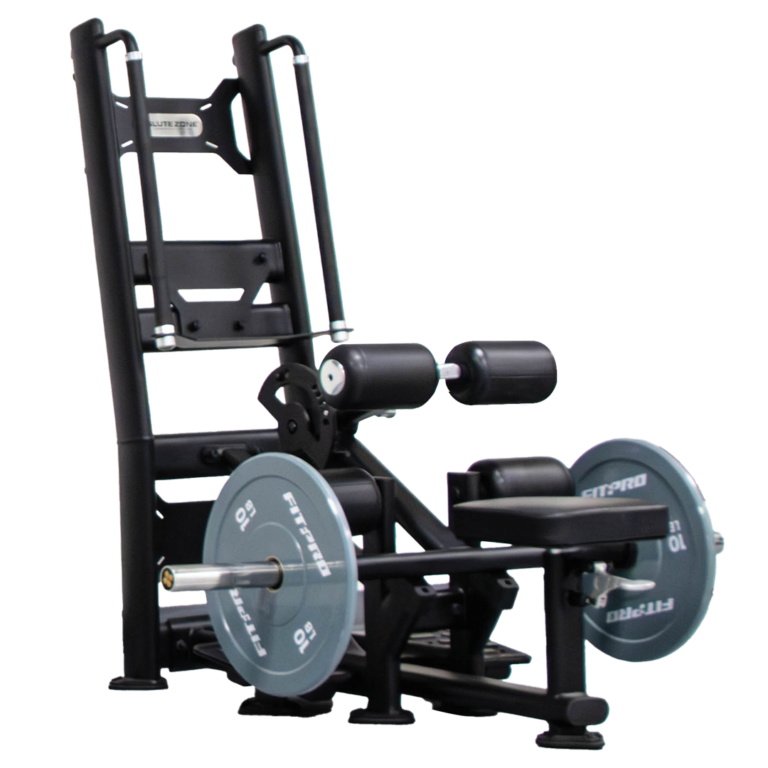
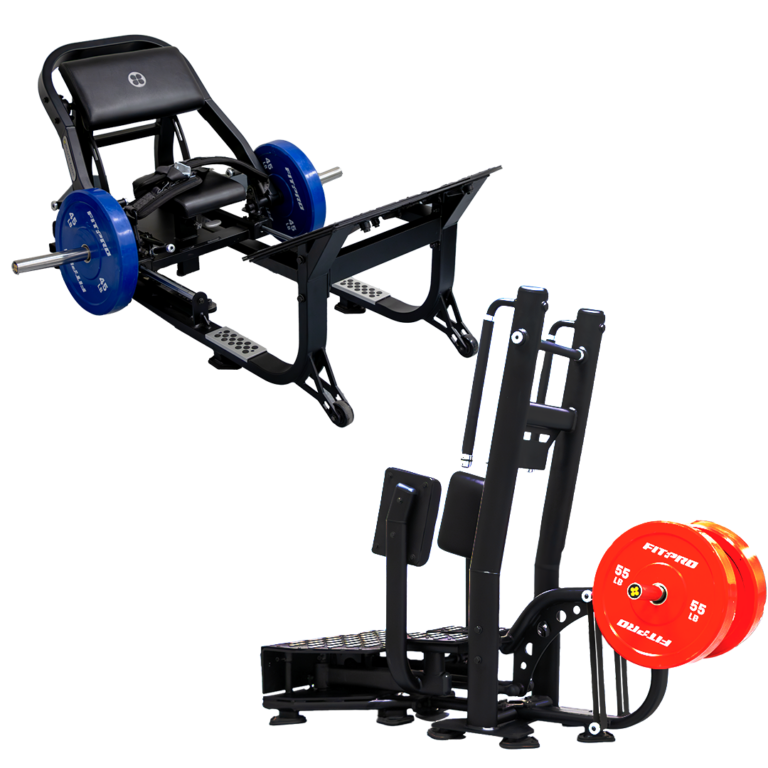
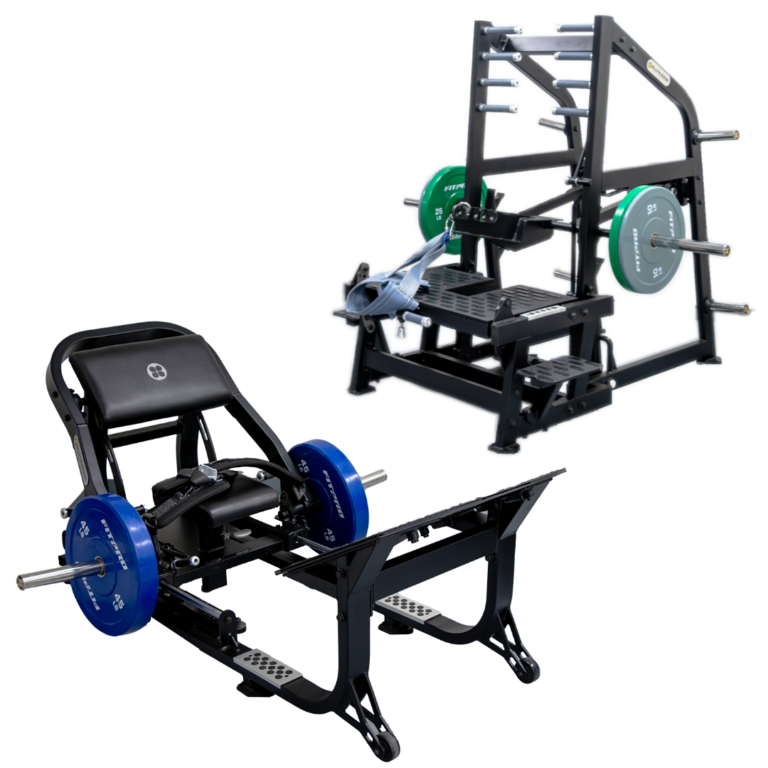
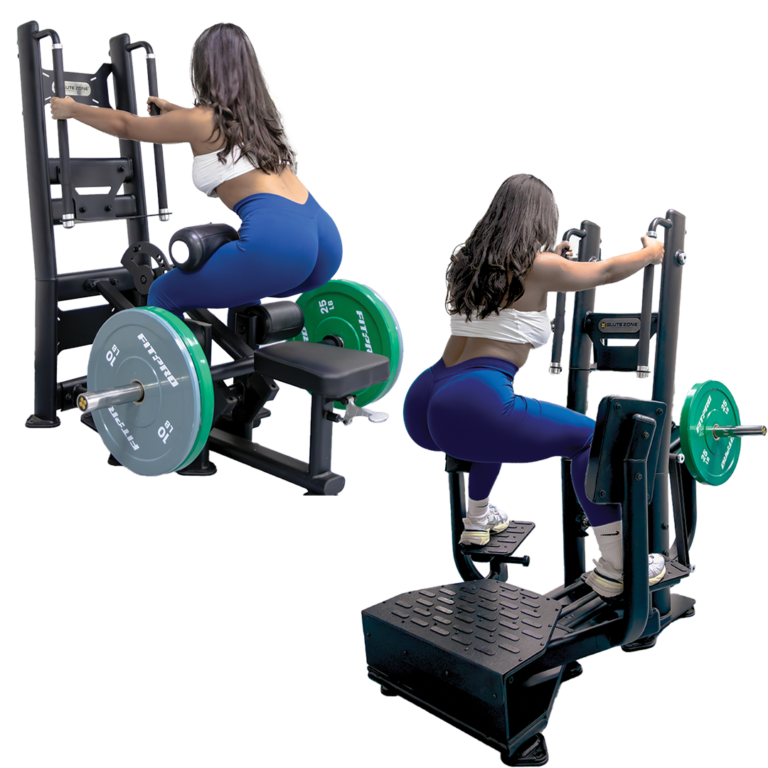
A sample lighter week on GluteZone equipment looks like this. Day one, hip thrust focus: Hip Thrust Machine, two sets of eight to ten controlled reps, then standing abduction for two easy sets and a short walk. Day two, squat pattern focus: Pendulum Squat, two sets of six to eight deep, smooth reps, then one light hip thrust set to groove the pattern. The product page for the Hip Thrust Machine recommends two to three sessions per week with at least 48 hours of rest between them, and a deload week respects that rhythm while lowering the cost of each session.
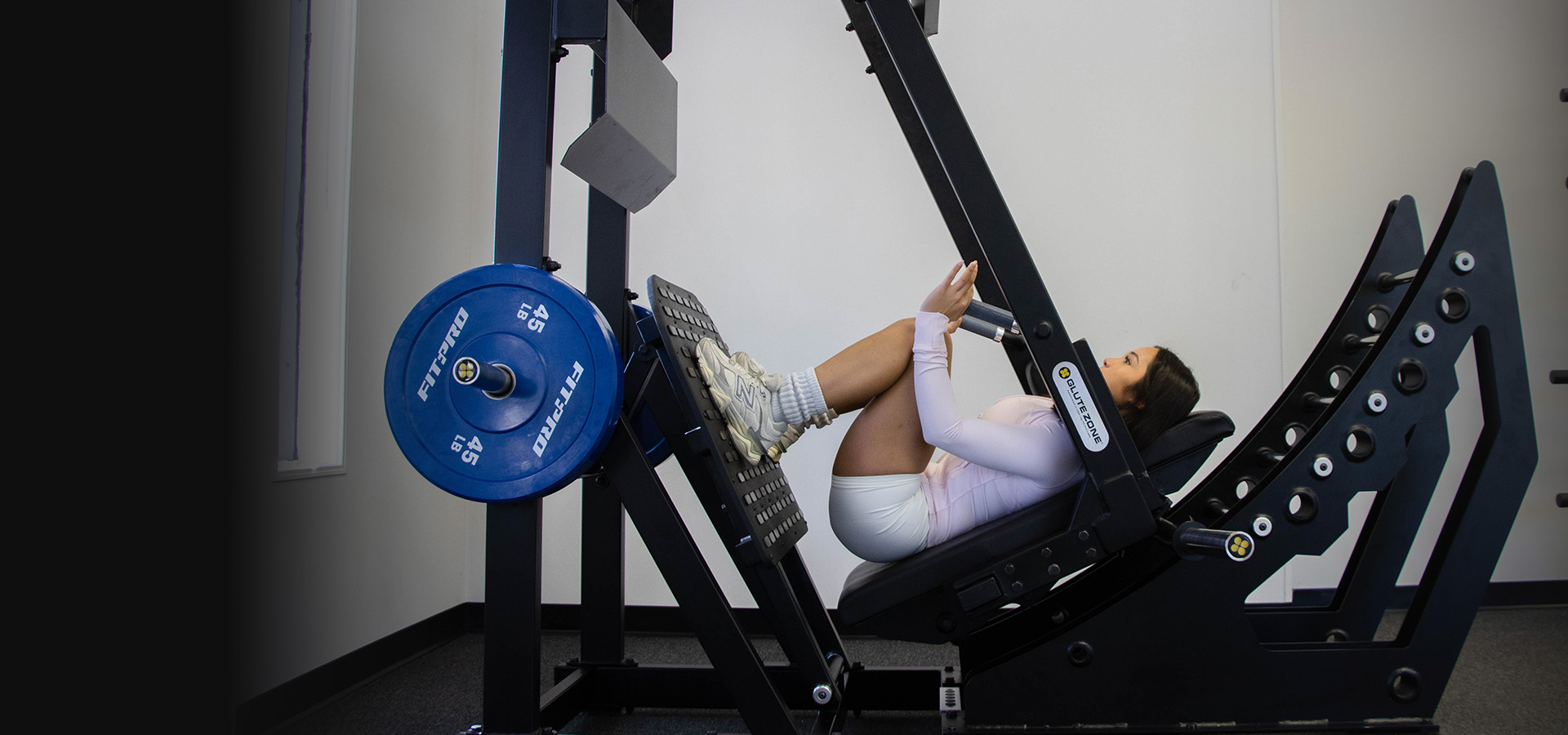
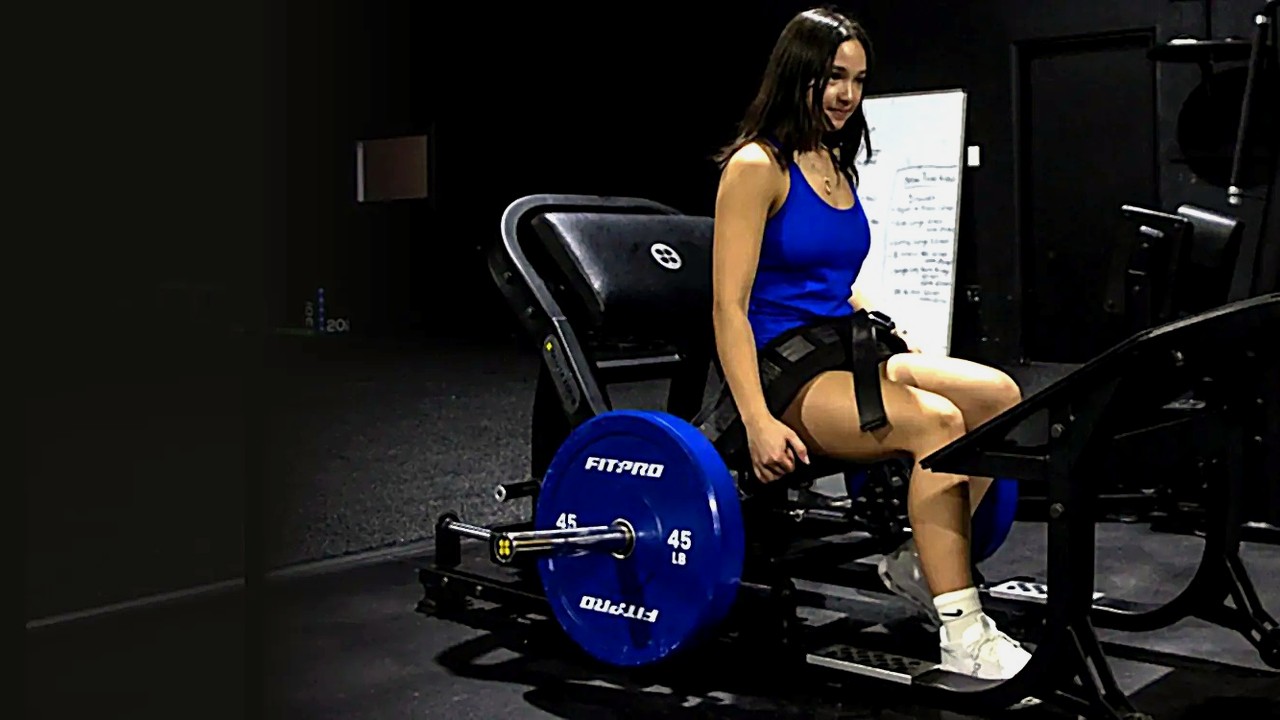
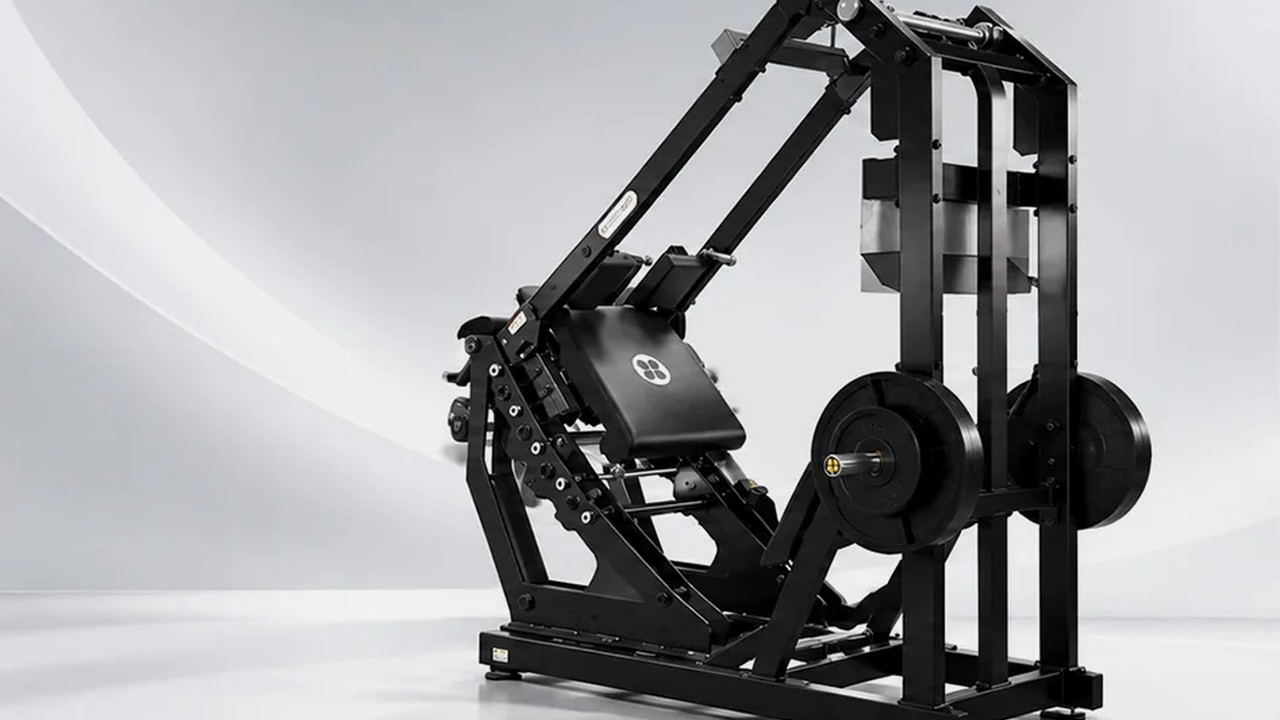
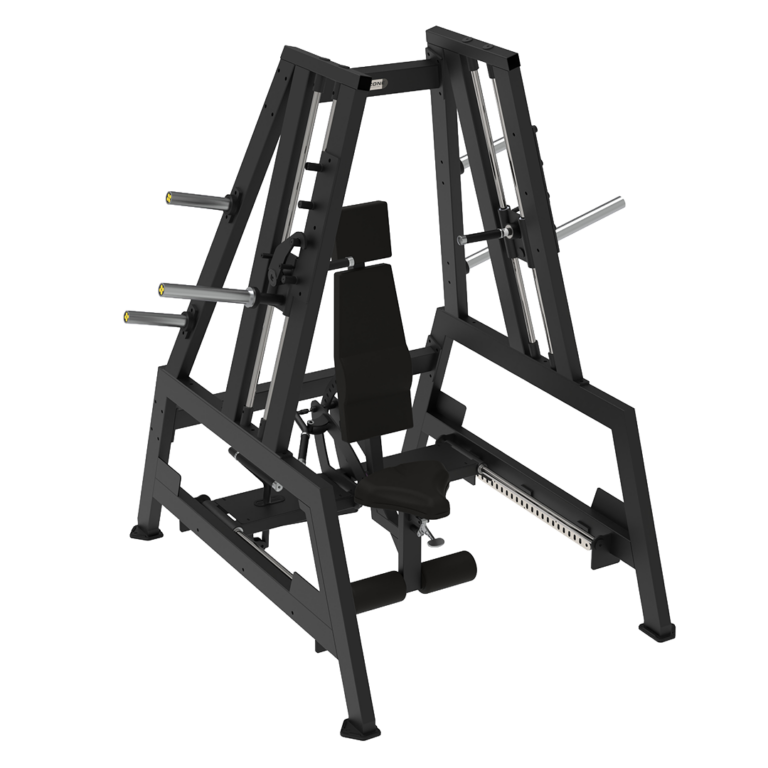
Use the week to fix setup details you rush when the load is heavy. On the Hip Thrust Machine, that means dialing in the 16 point adjustable seat so your knees track at about 90 degrees at lockout, with the belt just below your hip bones. The machine is built for this kind of repeatable practice: 550 lb of plate horn capacity, a 357 lb frame, and anchor hole ports for floor mounting, at $2,239 at the time of writing. On the Pendulum Squat, use the lighter week to test foot positions on the multi position, angle adjustable footplate and find your deepest comfortable depth on the wide backrest with lumbar support. It is a dual arm guided, commercial grade machine at $3,999. Form work done fresh this week pays for itself when the heavy block resumes.
Do Not Deload Your Nutrition
The most common deload mistake happens in the kitchen, not the gym. A lighter training week is not the week to crash diet. Recovery is the entire point, and recovery runs on food and sleep. Keep protein where it normally sits. The Morton 2018 meta-analysis of 49 studies and 1,863 participants found that gains in fat free mass levelled off at about 1.6 grams of protein per kilogram of body weight per day, and a deload week is no reason to drop below your usual intake. Keep calories near maintenance, keep your sleep routine steady, and let the reduced training do its job. If you want the deeper recovery picture, our guide to sleep and muscle growth covers the other half of the equation.

For Gym Owners: Program the Lighter Week, Do Not Improvise It
If you coach members or run small group glute programs, the Rogerson data carries a business lesson. The athletes who deloaded best planned it in advance and combined the plan with early triggers. Your members will not do that math themselves. Build the lighter week into the program calendar, every five to six weeks, and say out loud why it is there. Members who stall for a month quietly quit. Members who are told that week five is a planned lighter week, and who come back in week six moving more weight, learn to trust the process and stay. The deload week is also your best coaching window: loads are light, so it is the safest week to re-teach hip thrust setup, check pendulum squat depth, and film form for social content without a max effort set on the line.
Deload Week Mistakes That Waste the Week
- Taking the whole week off by default. The Coleman trial suggests complete cessation can blunt strength gains. Reduce first. Rest fully only when illness, travel, or life forces it.
- Testing a max during the deload. Feeling fresh on day four is the system working. Spend that freshness on the next block, not on a one rep test.
- Cutting food along with training. Lower volume plus a big calorie deficit is a recipe for losing the muscle the deload was meant to protect.
- Changing every exercise. The survey athletes kept their exercises and frequency. New movements add soreness and noise exactly when you want neither.
- Waiting for a breakdown. A deload taken at the first cluster of signals costs a week. One taken after months of pushing through can cost a season.
Frequently Asked Questions
How often should I take a deload week?
For most lifters training glutes hard two to three times a week, every four to eight weeks is a sensible range. In the Rogerson 2024 survey, competitive athletes averaged one deload every 5.6 weeks. Beginners on lighter loads usually need them less often, and if fatigue signals cluster earlier, take the lighter week early.
Will a deload week make me lose muscle?
The trials say no. In Pancar 2026, a deload condition doing about 18 percent less volume grew muscle similarly to continuous training. In Coleman 2024, even a full week of complete rest did not reduce hypertrophy over a nine week program, although continuous training produced better strength gains.
Should I stop training completely or train lighter?
Train lighter. The evidence favors reduction over cessation: keep your sessions, exercises, and frequency, cut sets by about half, and leave three to four reps in reserve. Complete rest is the fallback for illness or travel, not the default.
How much should I cut during a deload?
A practical target, consistent with the taper meta-analysis by Bosquet in 2007, is a volume reduction in the range of 41 to 60 percent, achieved mainly by cutting sets. Keep loads moderately heavy but submaximal, and remove all sets taken to failure.
What should I eat during a deload week?
Eat normally. Keep protein near the level your training normally uses, about 1.6 grams per kilogram of body weight per day based on the Morton 2018 meta-analysis breakpoint, and keep calories near maintenance so recovery, not dieting, is the focus of the week.
Train hard, recover on purpose, grow on schedule
Anchor your glute program with the GluteZone Hip Thrust Machine and Pendulum Squat, built commercial grade for gyms and serious home gyms. Financing is available through Affirm, so you can spread the cost while the equipment goes to work.
Sources
- Rogerson, D., et al. Deloading Practices in Strength and Physique Sports: A Cross-sectional Survey. Sports Medicine - Open, 2024. 246 competitive athletes, all used deloads, typical duration 6.4 days every 5.6 weeks, volume and load reduced, frequency unchanged, main reasons energy and fatigue management, stalled performance, soreness and joint aches.
- Coleman, M., et al. Gaining more from doing less? The effects of a one-week deload period during supervised resistance training on muscular adaptations. PeerJ, 2024. 39 resistance trained participants, nine week program, one week of complete cessation at the midpoint, hypertrophy, power and endurance similar, continuous training produced greater lower body strength gains.
- Pancar, Z., et al. Effects of deload periods in resistance training on muscle hypertrophy and strength endurance in untrained young men using a randomized within subject design. Scientific Reports, 2026. 19 untrained young men, eight weeks, deload weeks four and eight at one session of two sets, about 18 percent less volume (46 vs 56 sets), similar muscle thickness and strength endurance.
- Bosquet, L., et al. Effects of tapering on performance: a meta-analysis. Medicine and Science in Sports and Exercise, 2007. 27 studies, optimal taper reduced volume by 41 to 60 percent over two weeks without changing intensity or frequency.
- Bell, L., et al. A Practical Approach to Deloading: Recommendations and Considerations for Strength, Physique and Sports. Strength and Conditioning Journal. Expert consensus definition of a deload as a period of reduced training stress to mitigate fatigue, promote recovery and enhance preparedness, commonly programmed every four to eight weeks.
- Morton, R.W., et al. A systematic review, meta-analysis and meta-regression of the effect of protein supplementation on resistance training induced gains in muscle mass and strength in healthy adults. British Journal of Sports Medicine, 2018. 49 studies, 1,863 participants, fat free mass gains levelled off at about 1.6 g/kg/day of protein.
- GluteZone Hip Thrust Machine and Pendulum Squat official product pages, glutezone.com, accessed November 6, 2026. Hip Thrust: $2,239, 550 lb plate horn capacity, 357 lb frame, 16 point adjustable seat, anchor hole ports, two to three sessions per week with at least 48 hours rest. Pendulum Squat: $3,999, dual arm guided system, multi position angle adjustable footplate, wide backrest with lumbar support, low entry step.