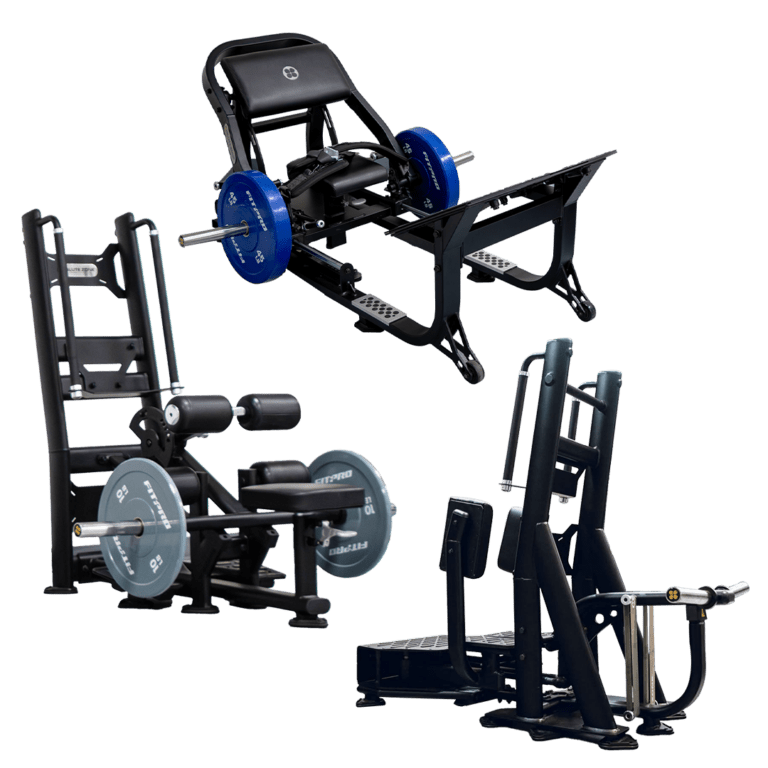
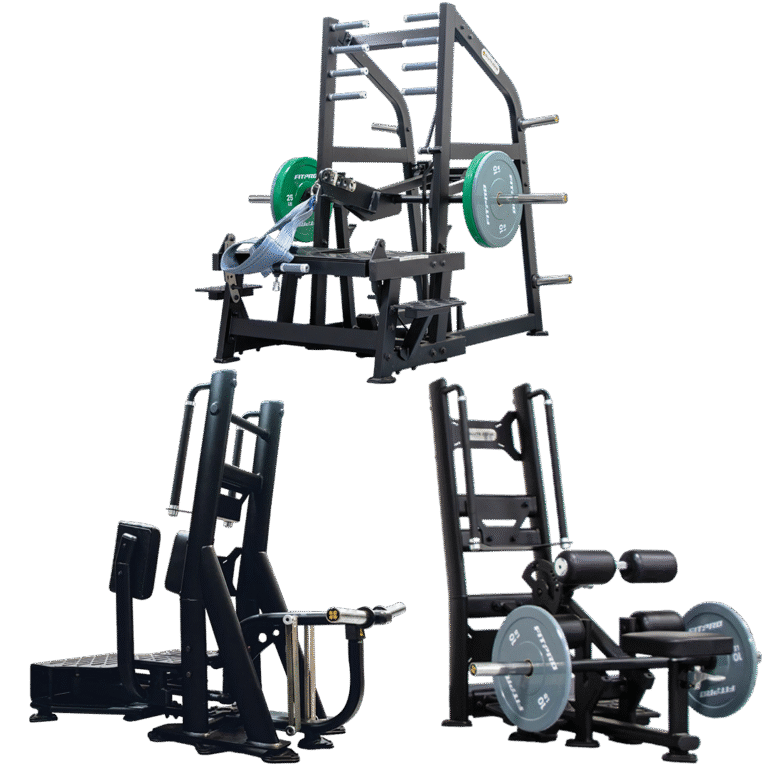
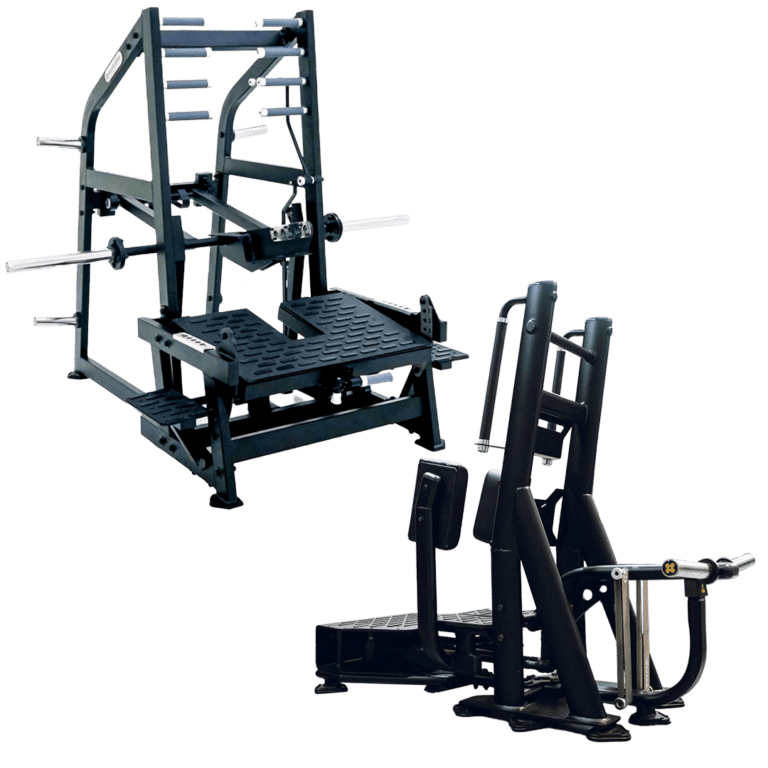
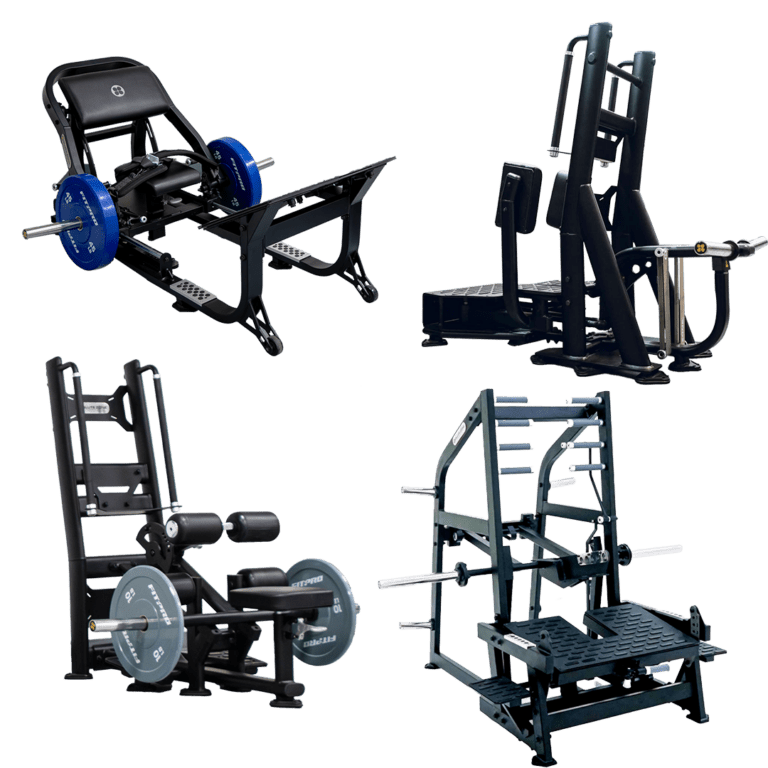
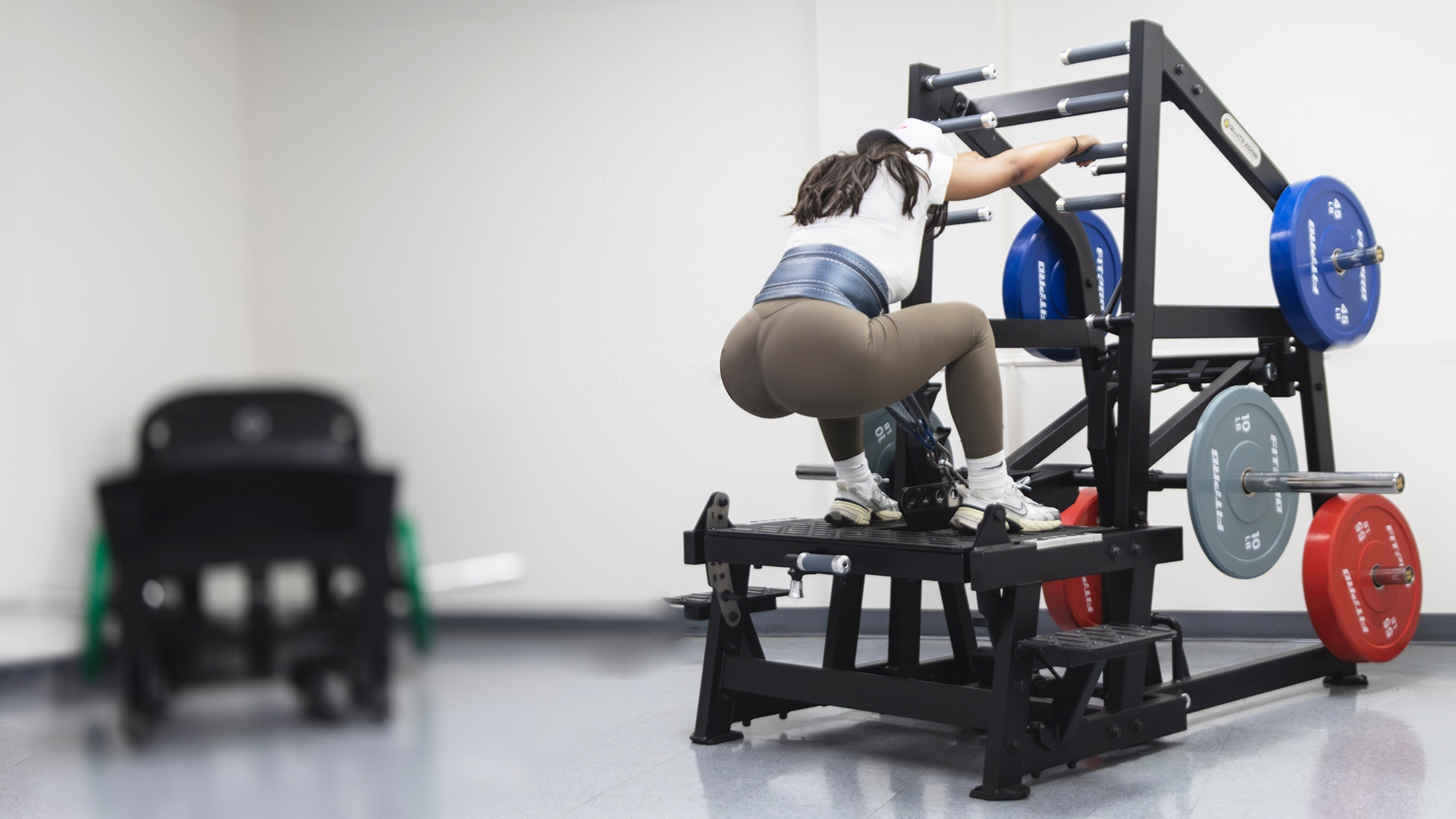

Walk into a busy gym at 6 pm and watch where the line forms. It is rarely the cardio deck. It is the hip thrust station, the squat area, and any corner where members can train glutes properly. That line is not an accident, and it is not just social media. The training data says women are driving a large share of it. For gym owners, a dedicated glute zone has become one of the clearest acquisition and retention plays on the floor: it matches what a fast growing member segment already wants to train, it photographs well, and it gives prospects a concrete reason to choose your gym over the one down the street. This guide breaks down the numbers behind that demand, the simple payback math, and how to build a glute zone that earns its floor space in a commercial gym or a serious home gym.
81M
US fitness facility members in 2025, an all time high in the HFA 2026 Consumer Report
56%
More glute training by women than men in Fitbod 2025 data, across 71 million logged workouts
75.1%
Of women's training blocks in the RP Hypertrophy App analysis listed glutes as a priority muscle
$517
Average annual value of one member to a fitness facility, HFA estimate via Gymdesk
The Demand Is Documented, Not a Guess
Start with the size of the market. The Health and Fitness Association reported that 81 million Americans belonged to a fitness facility in 2025, an all time high and a 5.2 percent increase over 2024, equal to 26.1 percent of the population aged six and older. Membership grew across every demographic the report tracks, and adults aged 18 to 24 posted the highest penetration of any age group at 35.5 percent. More than 100 million people used a facility when non member visits are counted, and total visits reached an estimated 7 billion. This is not a shrinking industry fighting over scraps. It is a growing one, where the facilities that match member demand most closely take the growth.
Inside that growth, the strength floor is where the energy is, and women are a major part of the story. Fitbod analyzed 71 million workouts logged between December 2024 and December 2025 for its 2025 State of Strength report. Women trained glutes 56 percent more than men in that data set. An analysis of 231,741 training blocks built in the RP Hypertrophy App points the same direction: glutes were the most frequently emphasised muscle group among women users, a priority in 75.1 percent of their training blocks, ahead of quads and hamstrings. Strava adds the momentum angle. In its 2024 Year in Sport report, weight training was the fastest growing sport type among women, with uploads up 25 percent, and in the 2025 report women were 21 percent more likely than men to record a weight training activity.
Read those three sources together and the pattern is hard to miss. Women members are training more strength than before, glutes sit at the top of their priority list, and the youngest adult cohort, the one with the highest membership penetration, grew up with this style of training as normal. A gym floor that still treats glute training as a barbell, a bench, and a corner of the dumbbell area is set up for a demand pattern that no longer exists.
What Operators Report When They Build the Zone
The clearest operator example in recent trade coverage comes from the UK. Health Club Management reported in March 2026 that Fitness Worx Gyms was rolling out dedicated glute zones across its sites after a research trip to Los Angeles, where, in founder Jack Gibson's account, almost every gym visited had a dedicated glute room and every machine was being used. Members rated the new areas 10 out of 10. The zones helped the chain connect with a younger demographic, especially members aged 18 to 25, and generated interest through social media and word of mouth. Gibson also noted the areas were popular with men, not only women, which matches what most operators find: build the zone for the segment asking loudest, and the whole membership uses it.
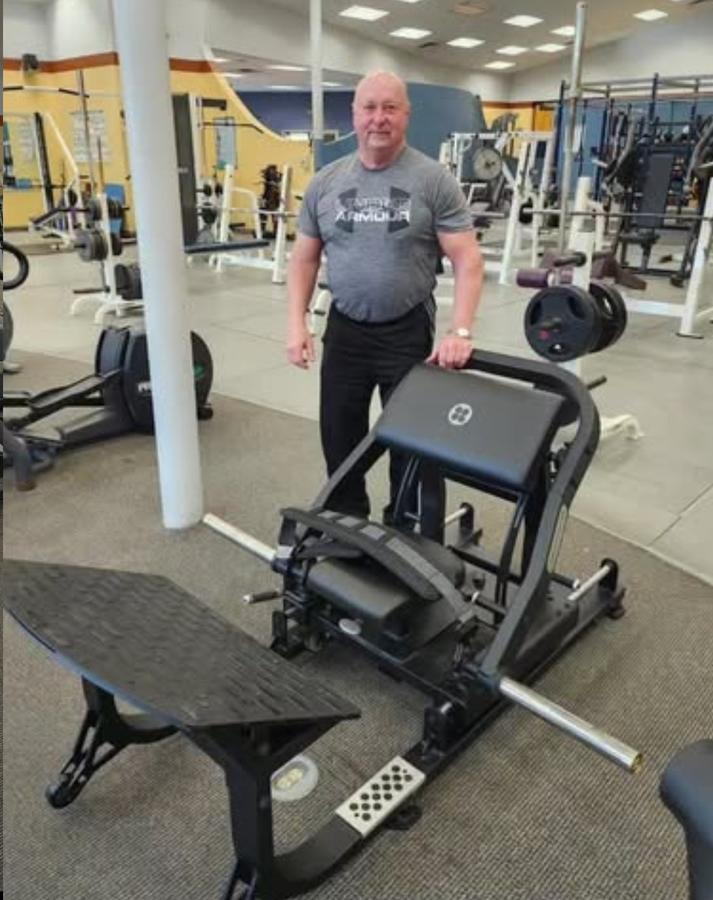
That last point matters for how you position the investment internally. A glute zone is not a women only corner, and it should never be marketed as one. It is a lower body training area anchored by the exercises your fastest growing segment prioritizes. Men train there for posterior chain strength, posture, and sport. Women train there because it is finally a space designed around their program instead of adapted to it. The zone wins twice: once as a targeted acquisition tool, and again as general floor capacity that relieves pressure on racks and benches at peak hours.
The Payback Math, Kept Honest
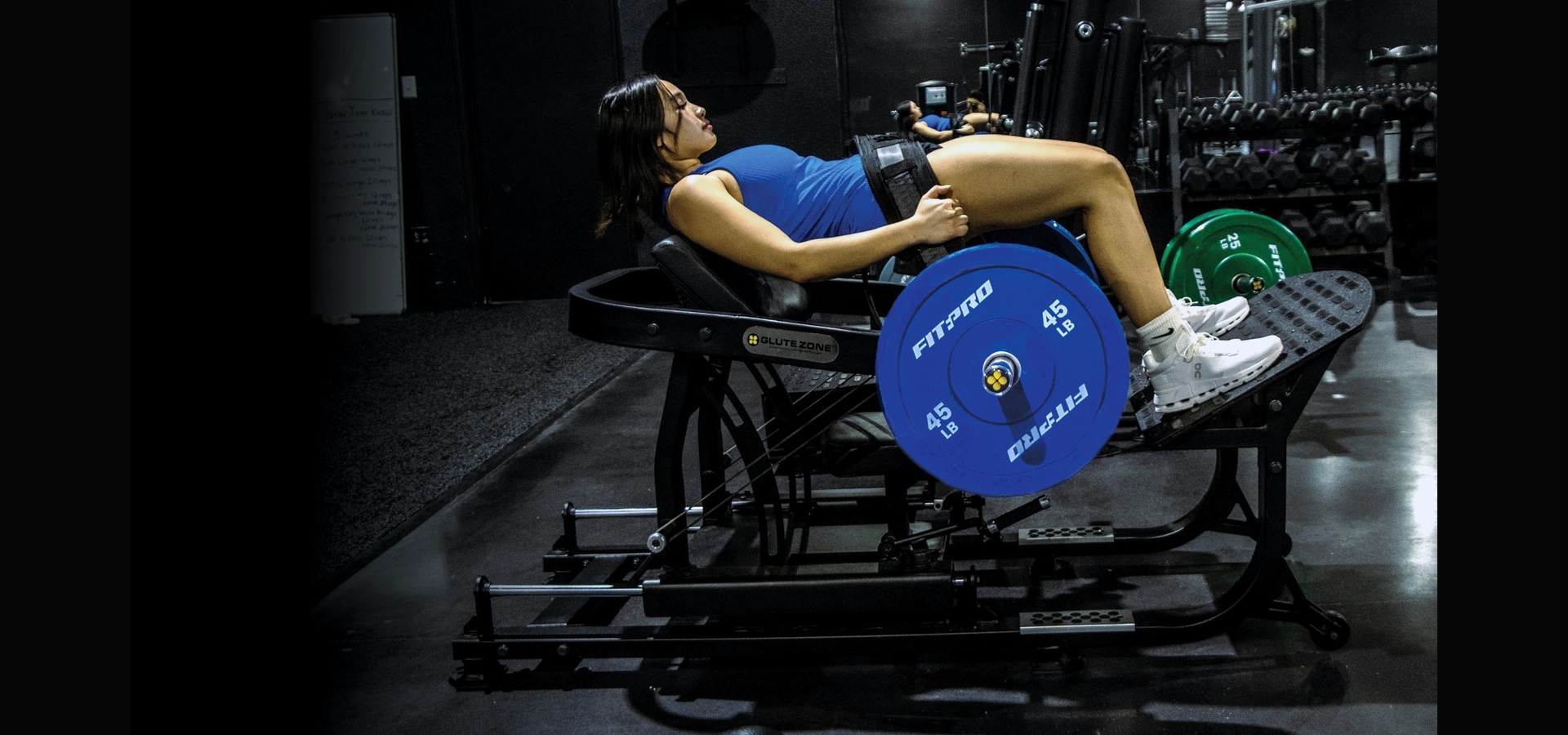
Run the numbers the way you would for any floor decision. The HFA benchmarking data summarized by Gymdesk puts the average annual value of a member at $517, and average annual retention at 66.4 percent, from a benchmark of 175 companies representing more than 17,000 facilities. The GluteZone Hip Thrust Machine, the anchor piece of most glute zones, is priced at $2,239 at the time of writing. Divide the price by the average member value and the illustration is simple: $2,239 divided by $517 is about 4.3. In plain terms, if a dedicated glute station is the deciding factor for five members in a year, members who join or stay because the zone exists, the machine has covered its price in member value alone, before any personal training, small group, or retail revenue attached to it.
That is an illustration, not a promise, and it should be presented that way to partners and lenders. Members do not arrive with labels saying which machine recruited them. But the logic is the same logic behind every equipment purchase on your floor: equipment that matches proven demand recruits and retains at a better rate than equipment bought on habit. With a benchmark retention rate of 66.4 percent, roughly one member in three leaves every year. Every reason you give a member to stay, especially a training area she uses two or three times a week, works directly on the most expensive leak in the business.
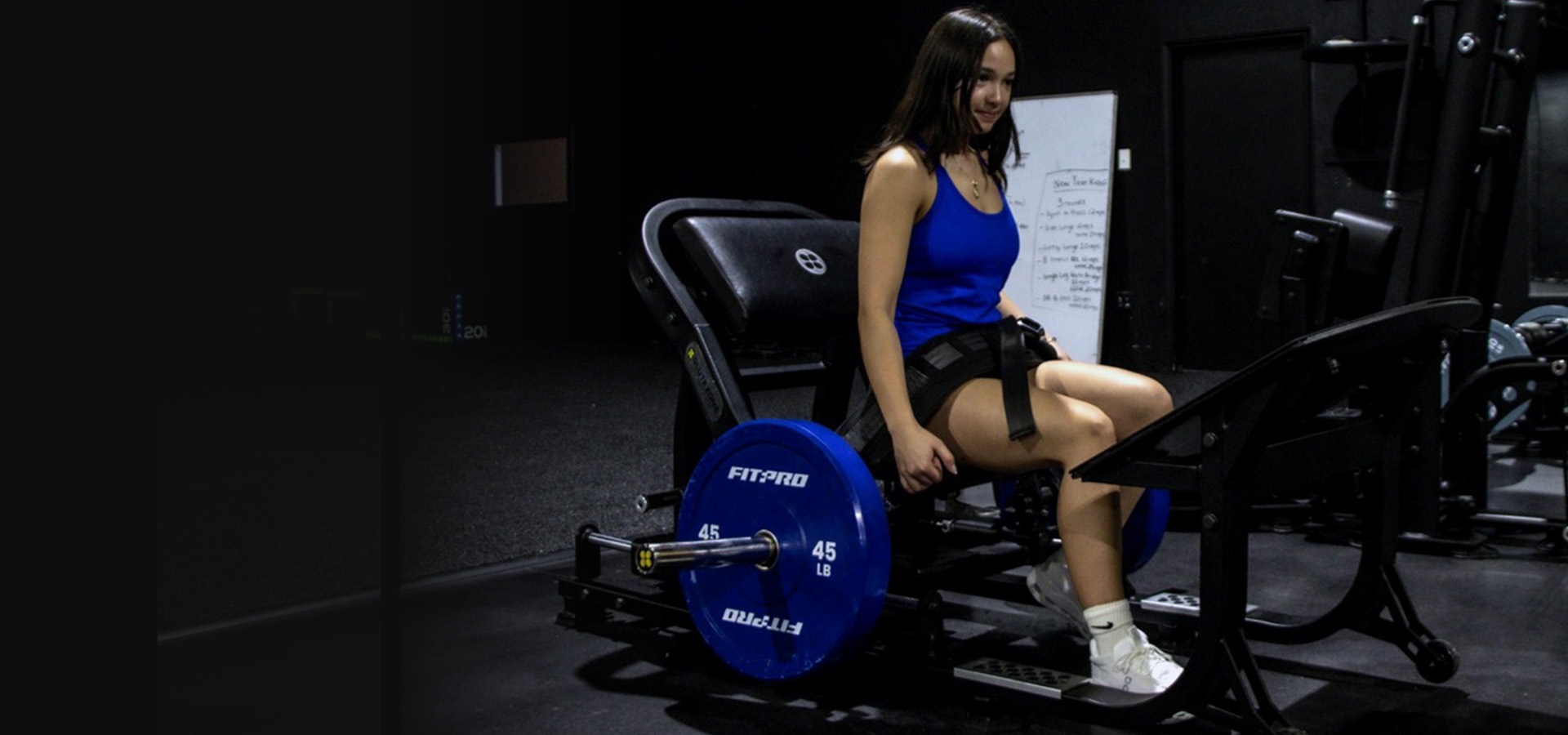
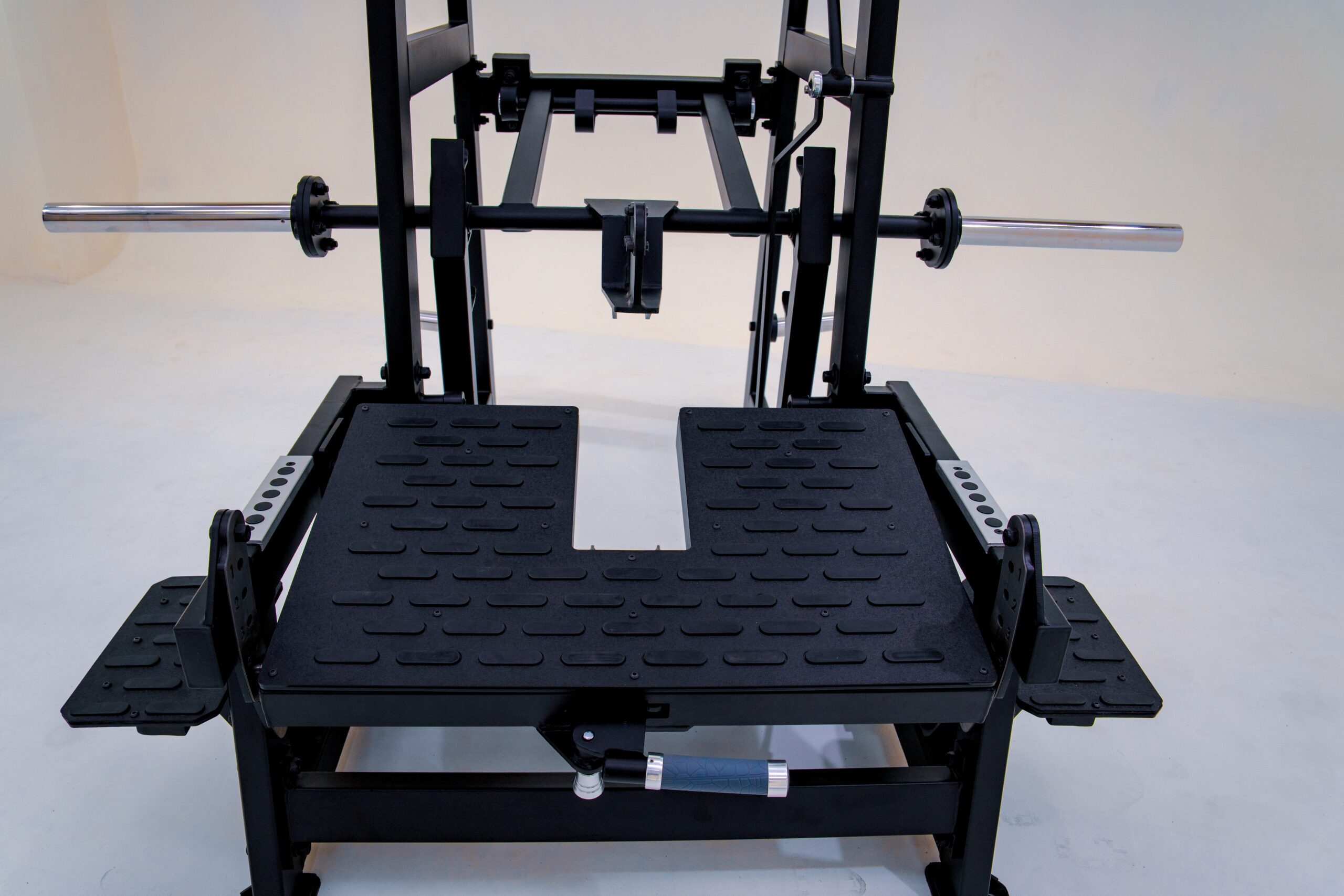
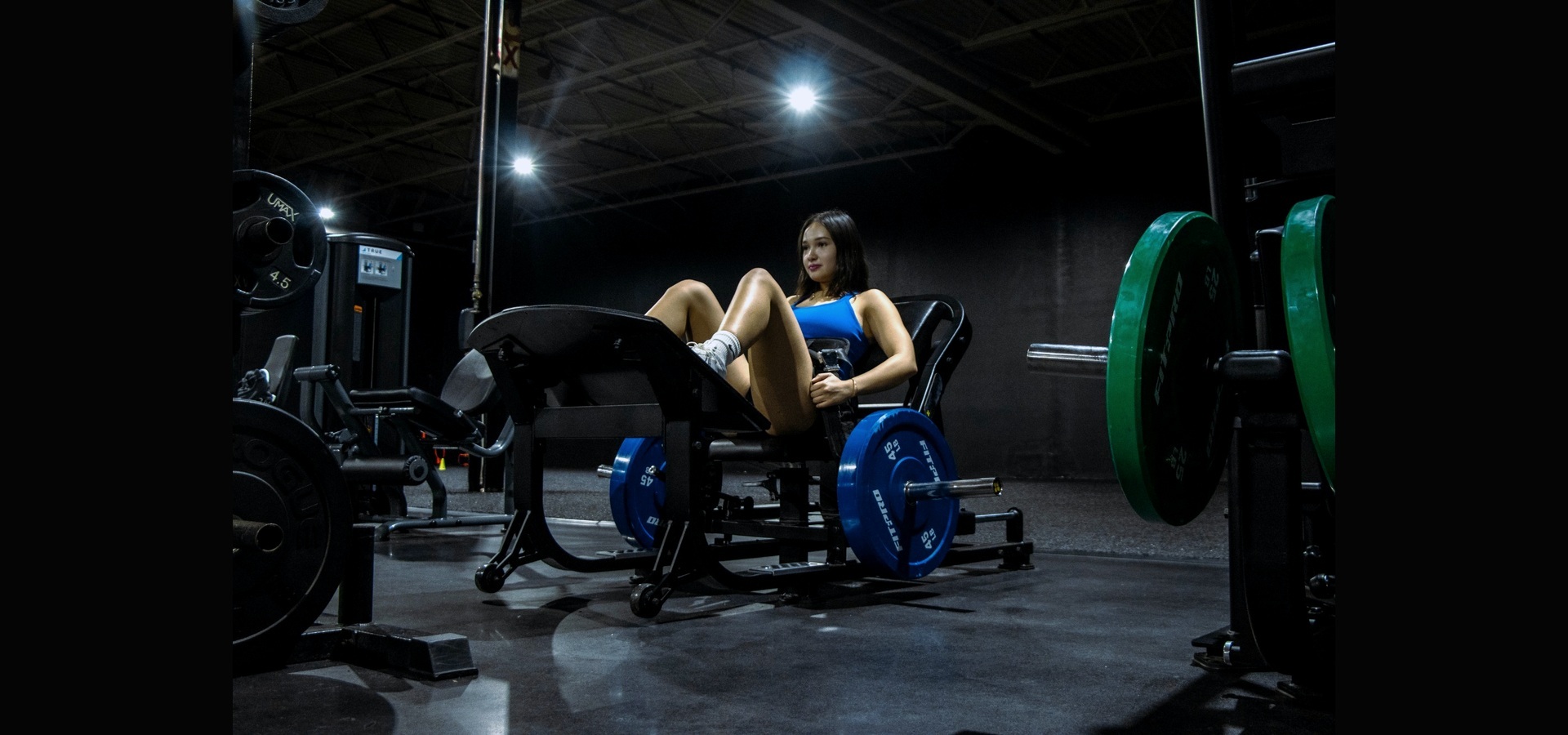
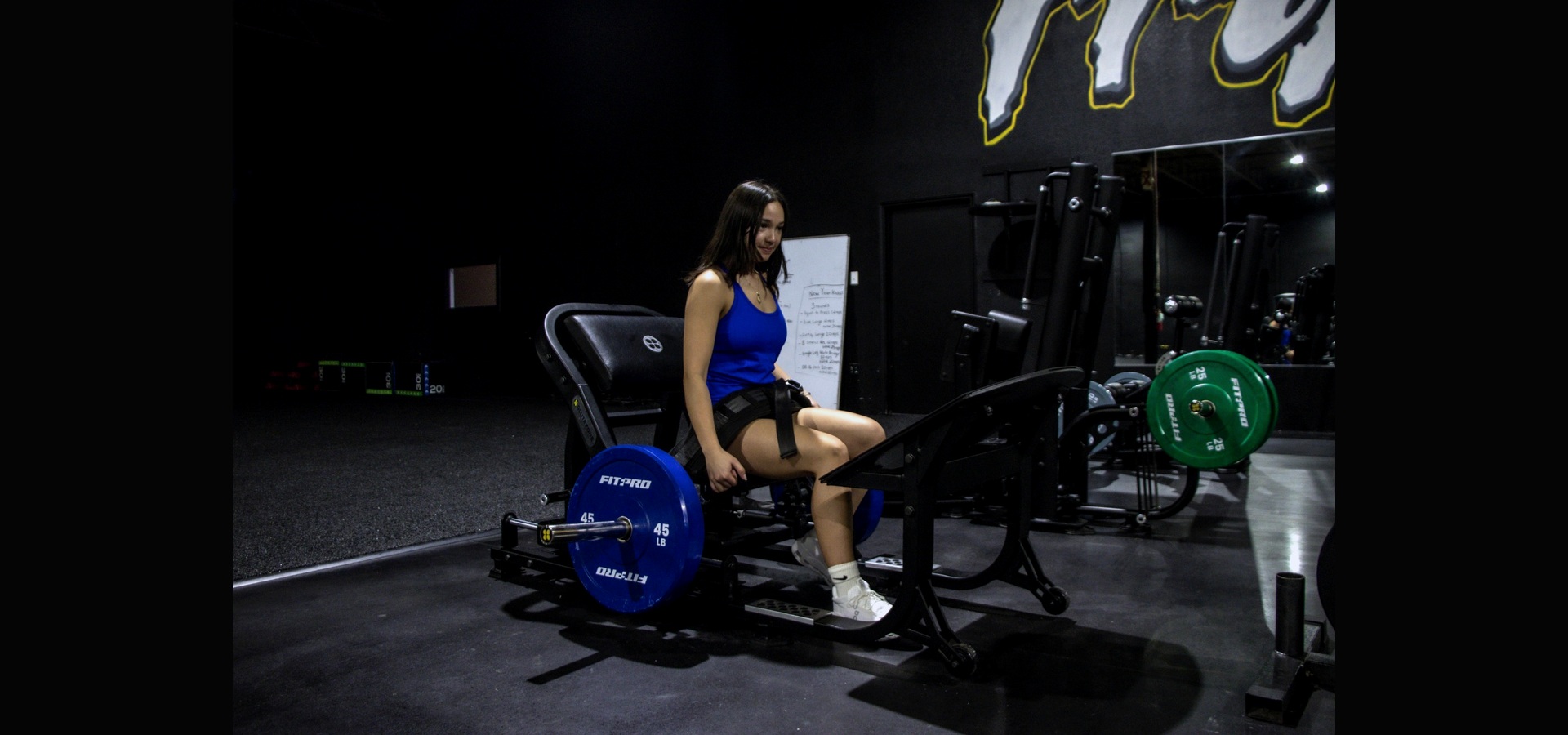
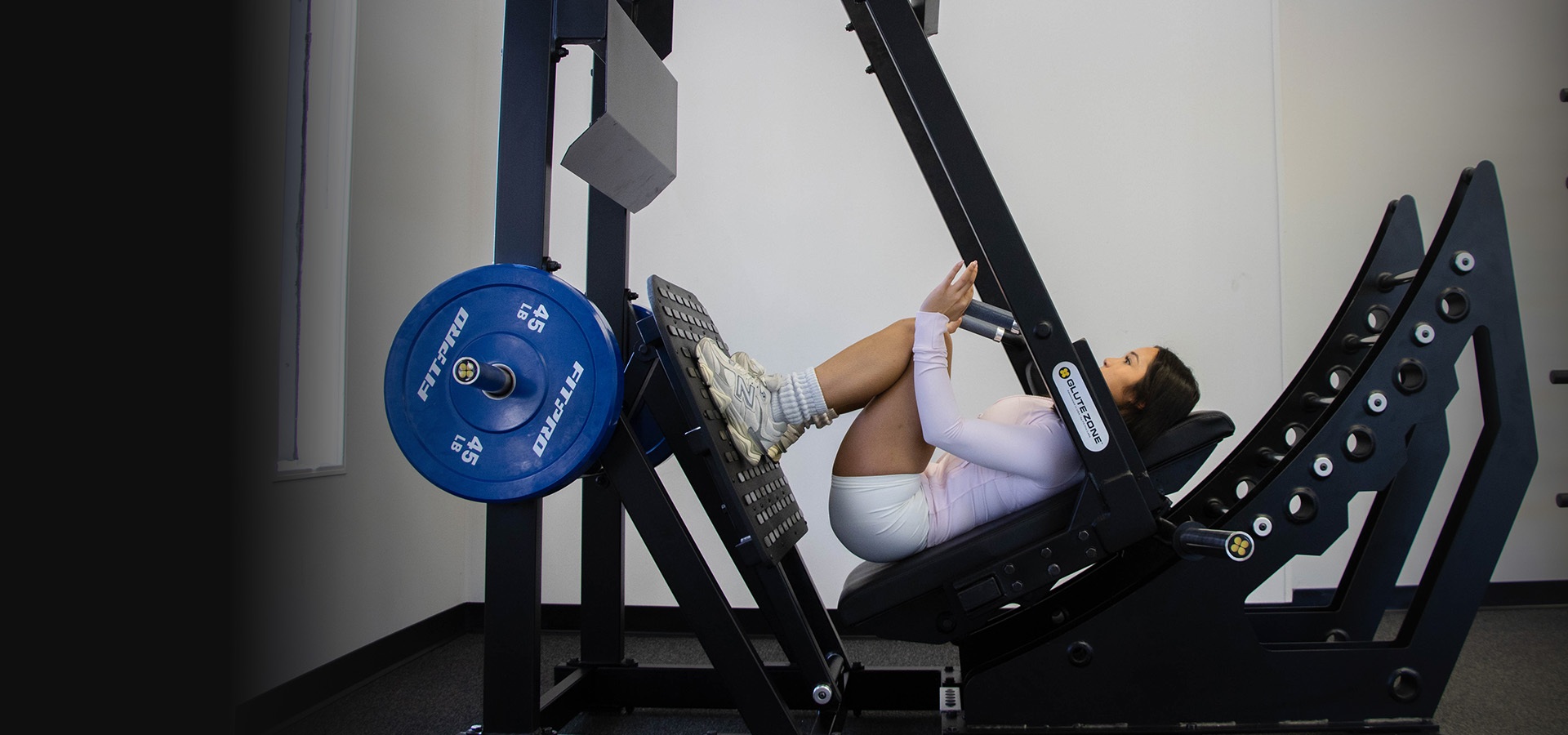
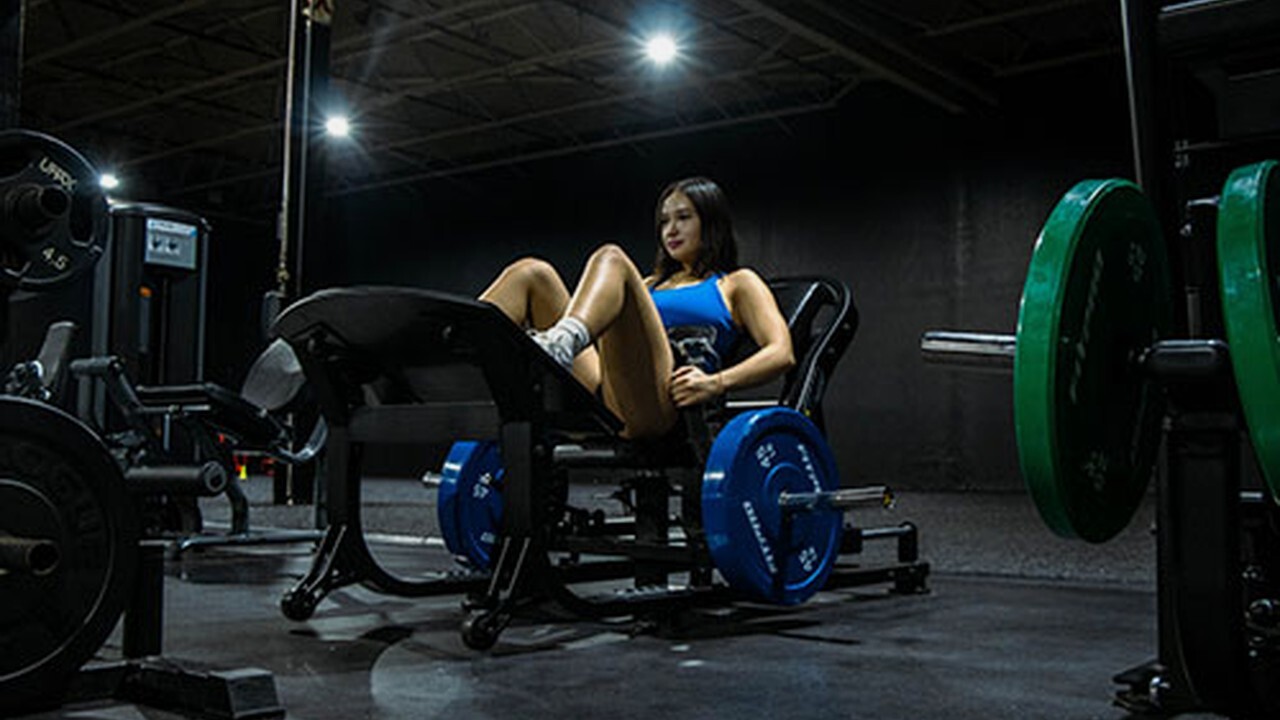
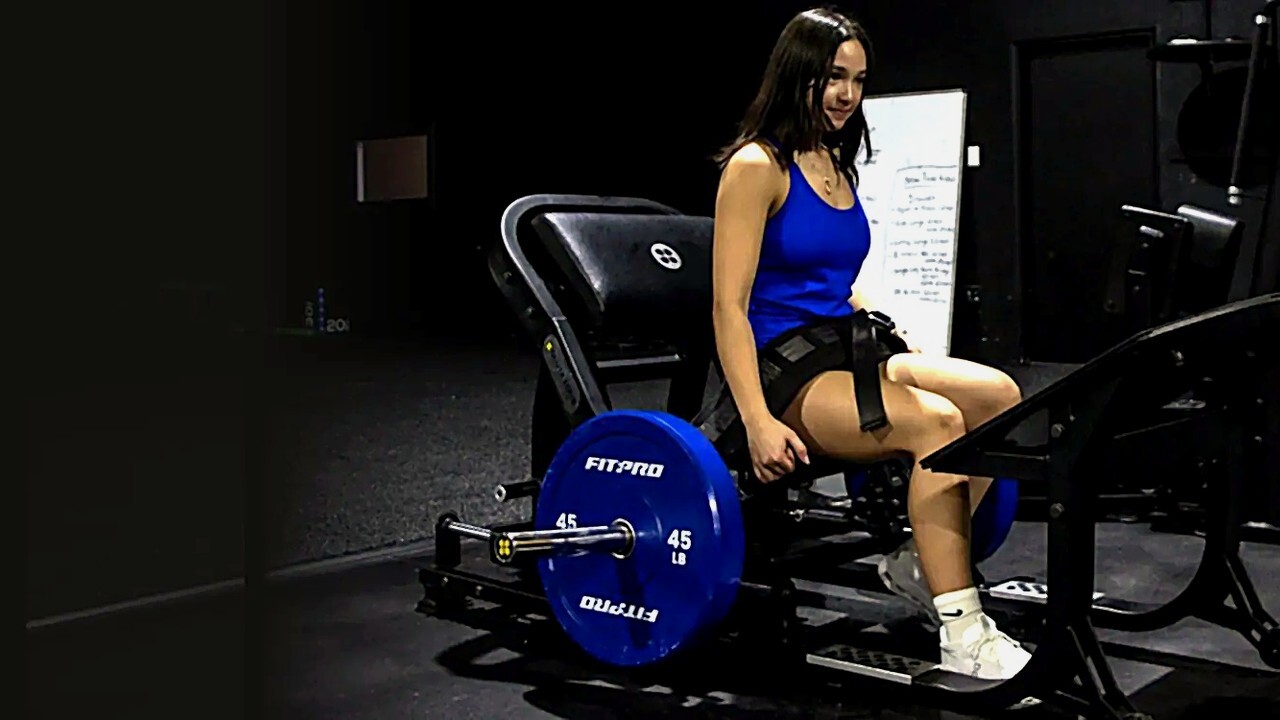
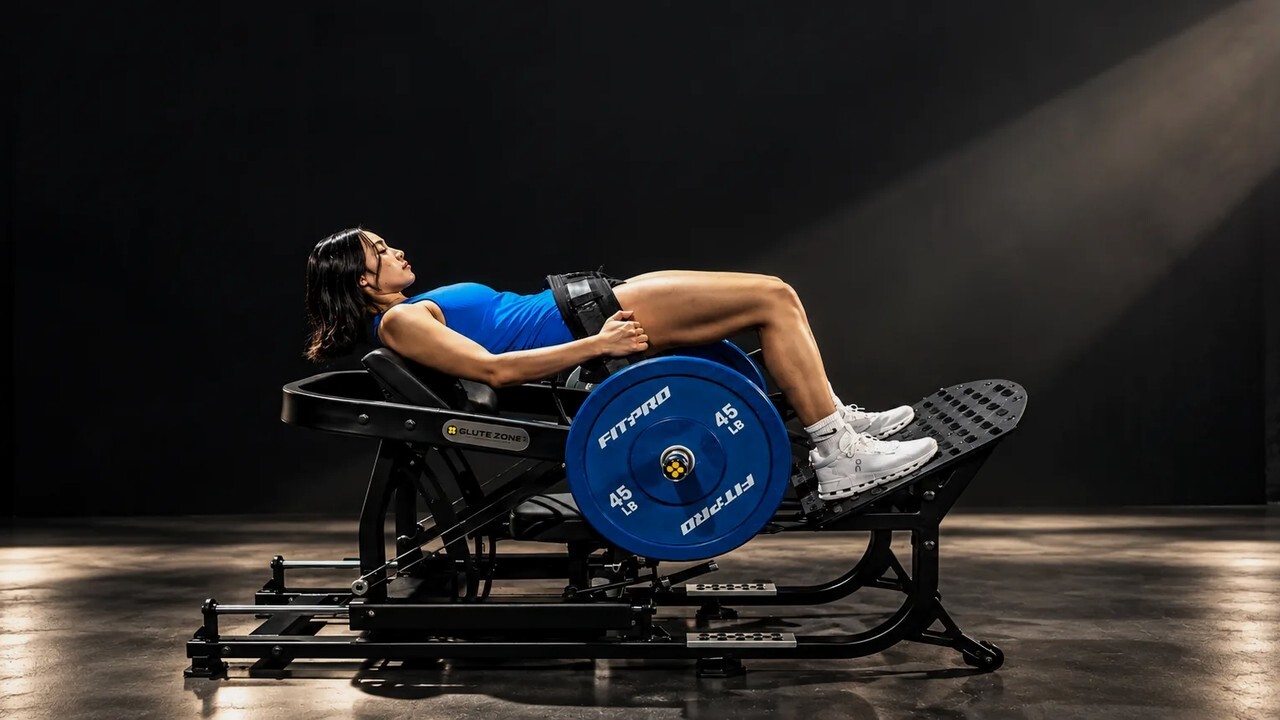
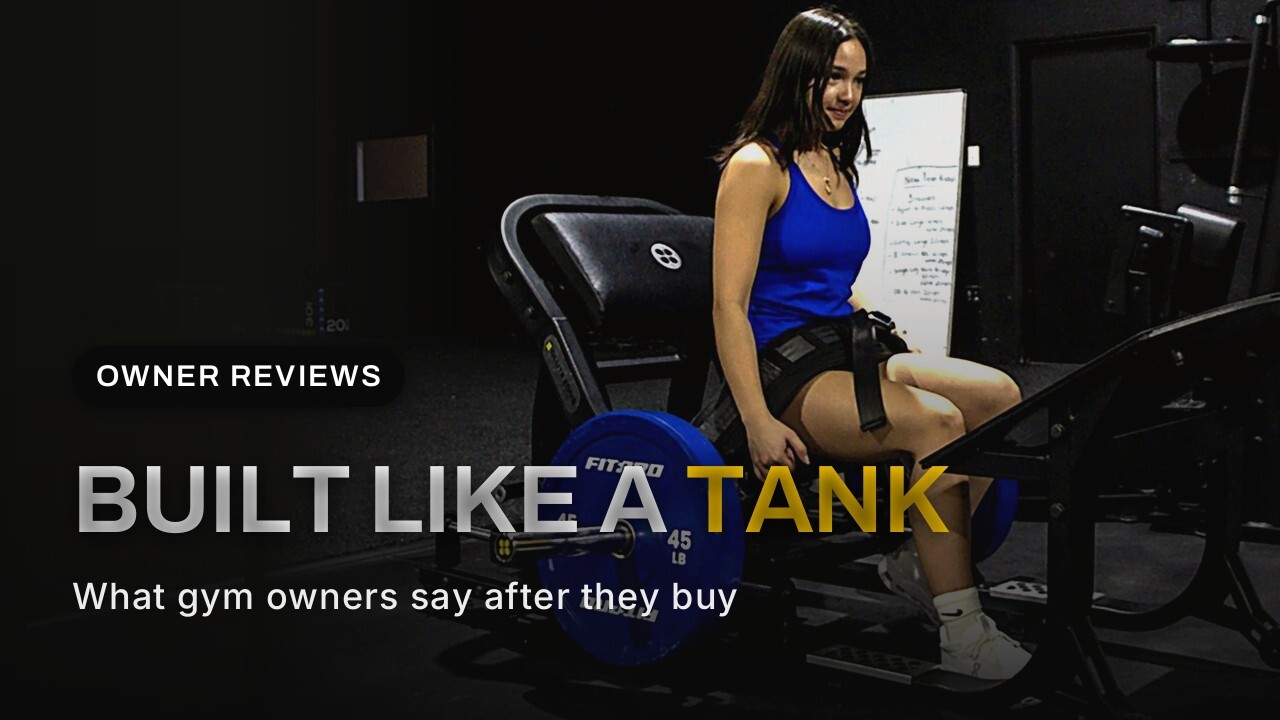
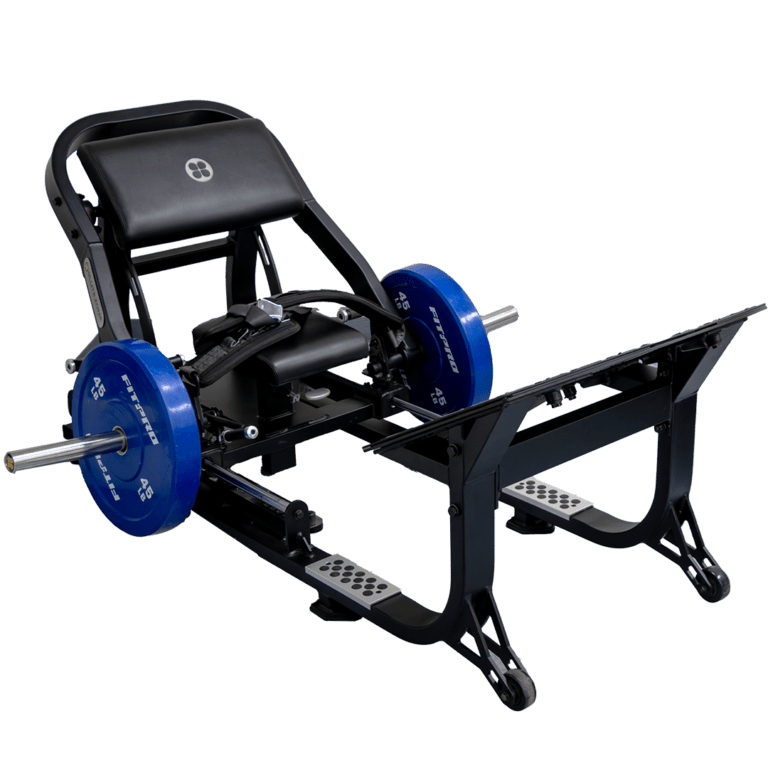
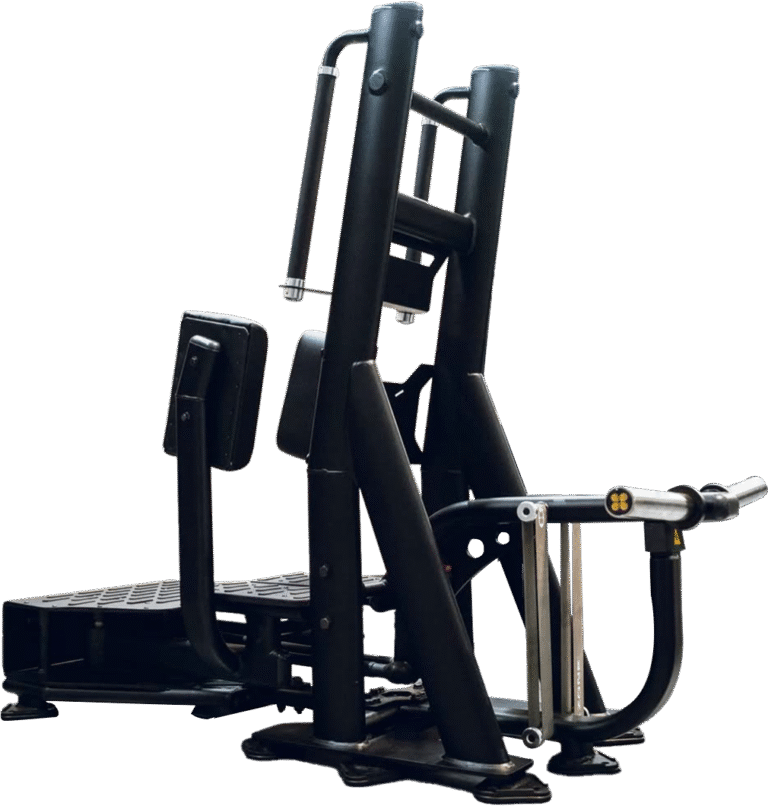
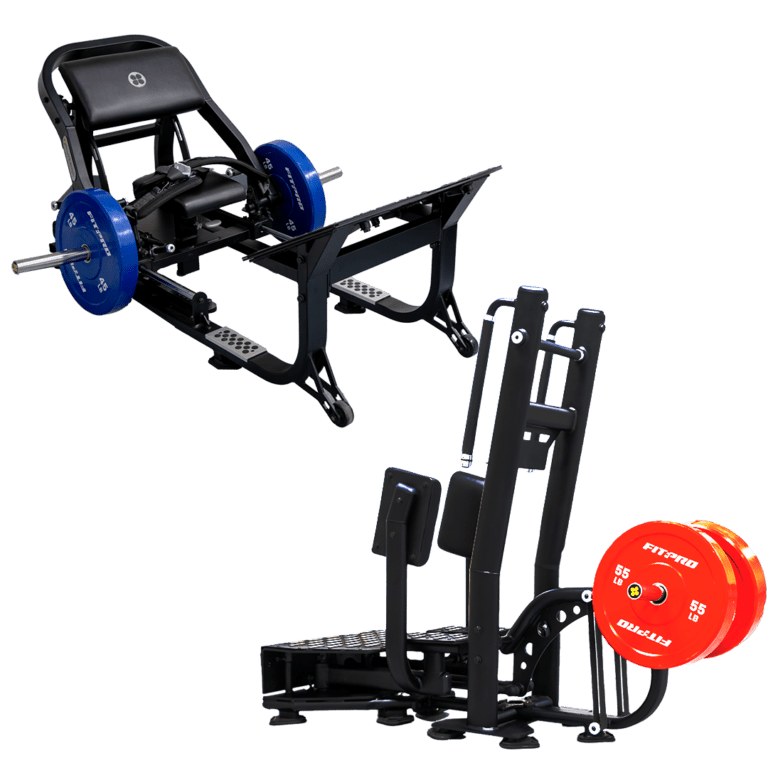
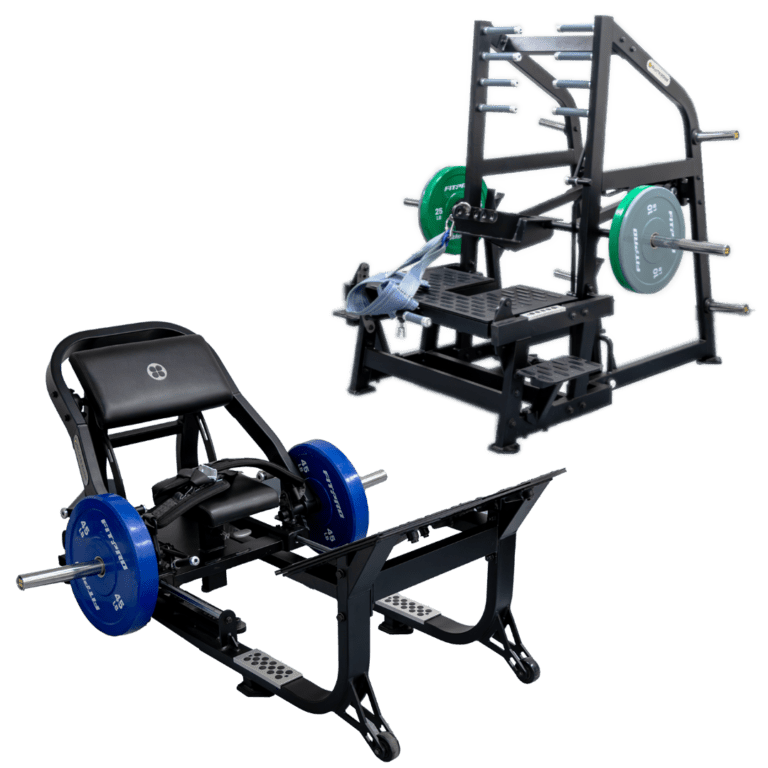
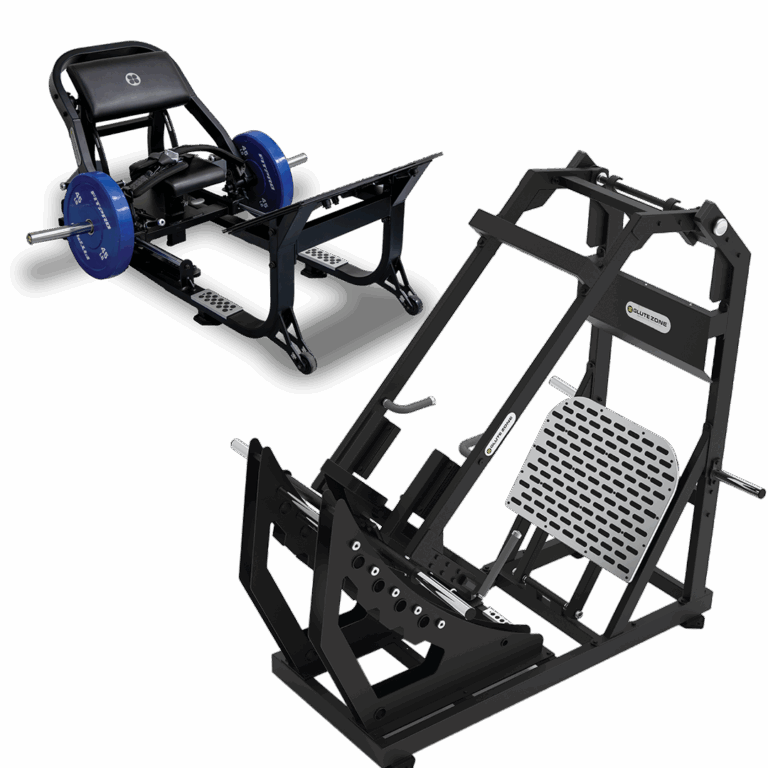
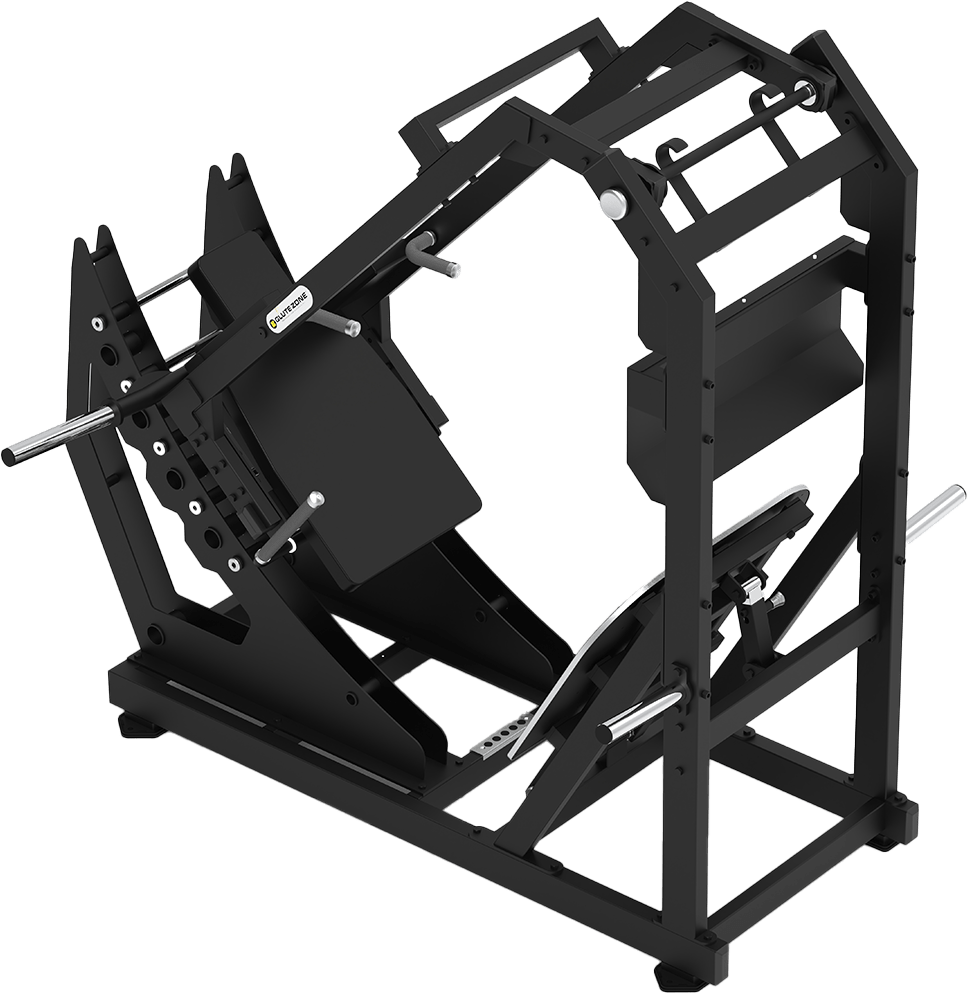
The machine itself is built for that traffic. It supports up to 550 lb on its plate horns, the frame weighs about 357 lb, and anchor hole ports on each foot allow optional bolting to the floor. The seat adjusts forward and backward through 16 points, which is what makes one station work for a 5 foot beginner and a tall advanced lifter in the same peak hour rush. Commercial grade, plate loaded, and priced for a single station decision rather than a full floor renovation: that combination is why the hip thrust machine is usually the first purchase, not the last.
Build the Zone Around the Anchor
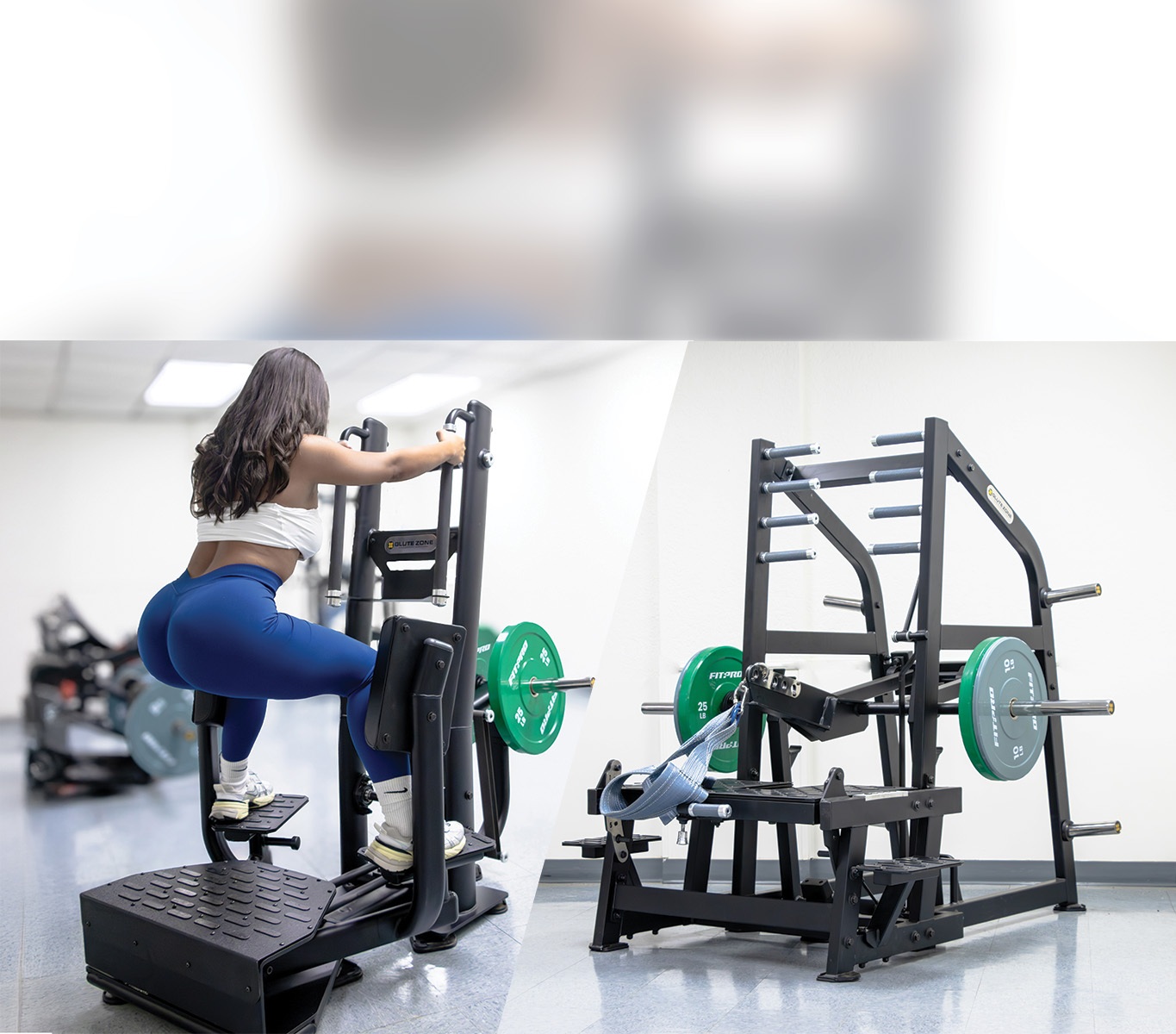
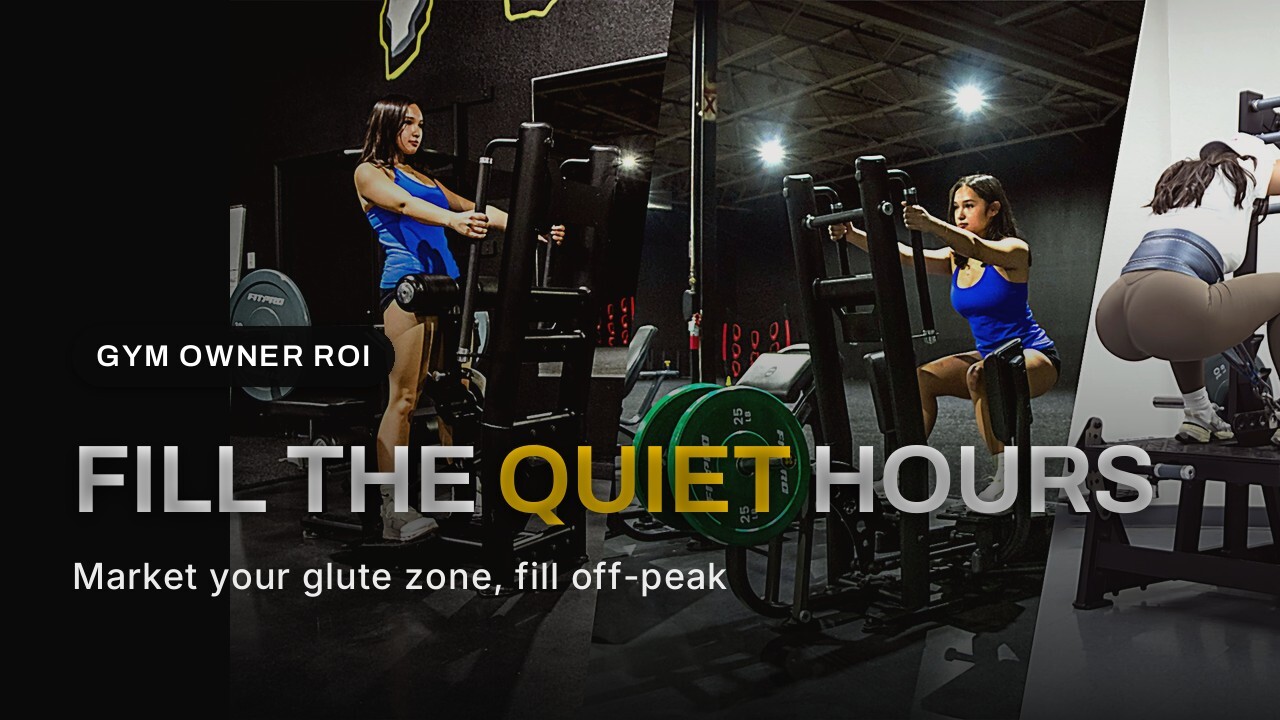
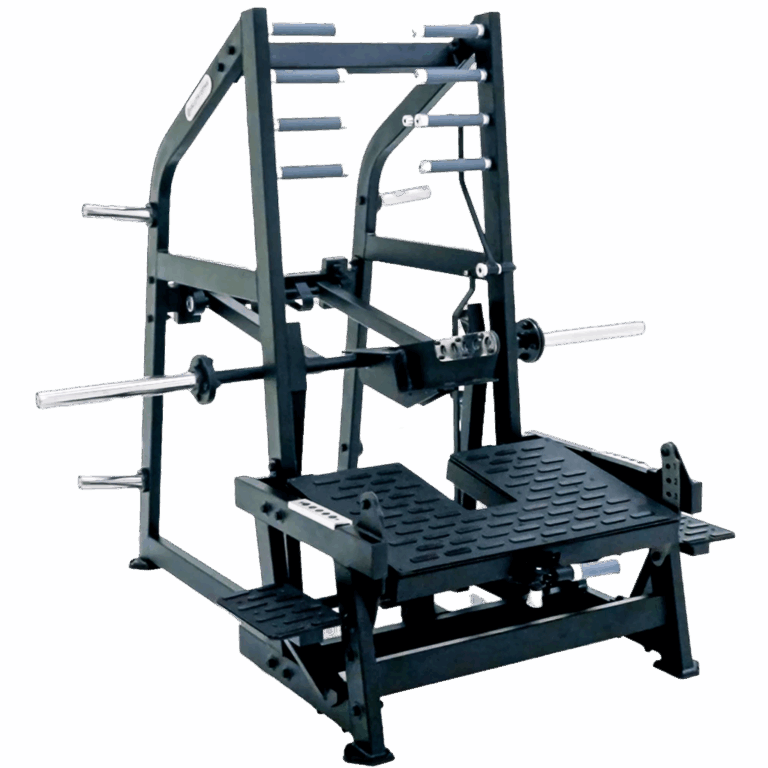
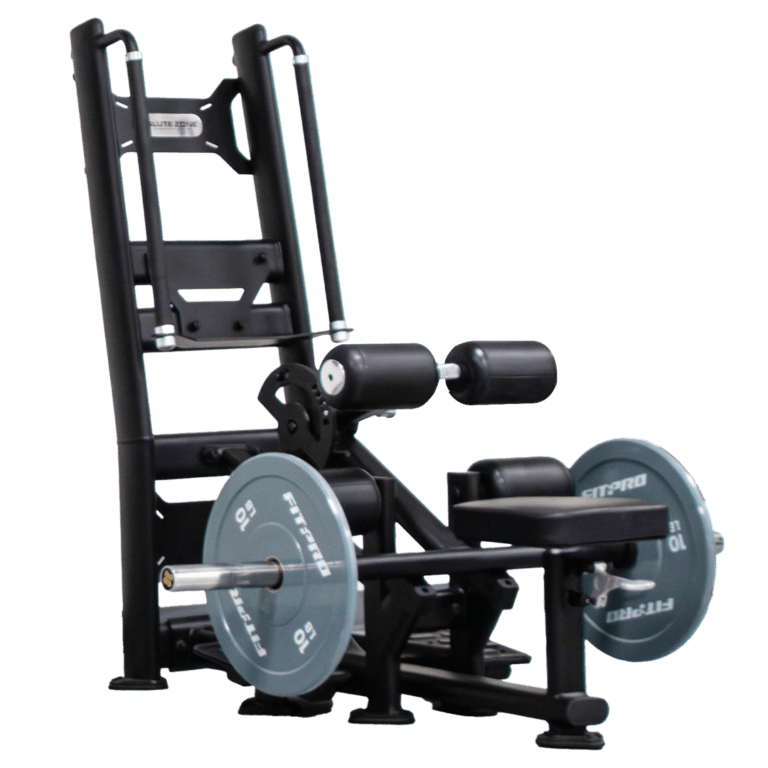
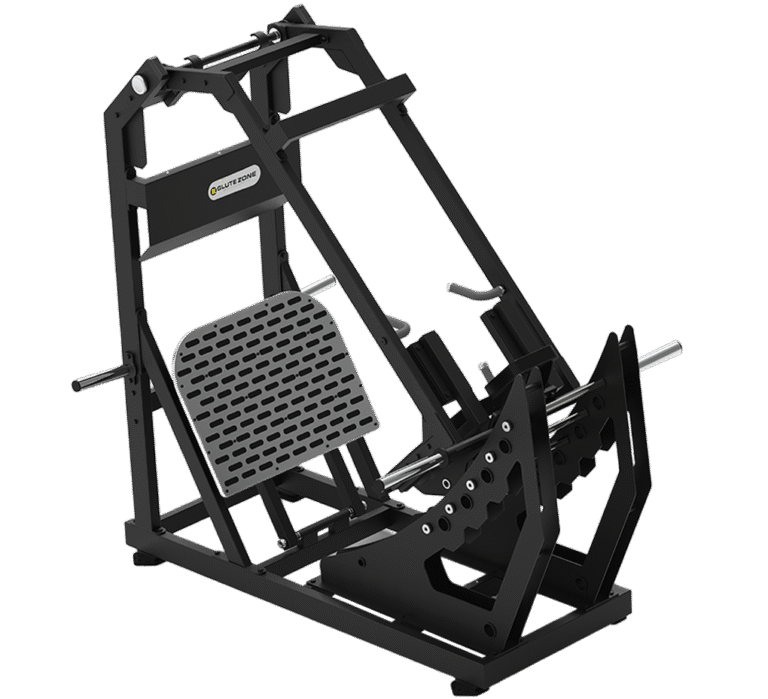
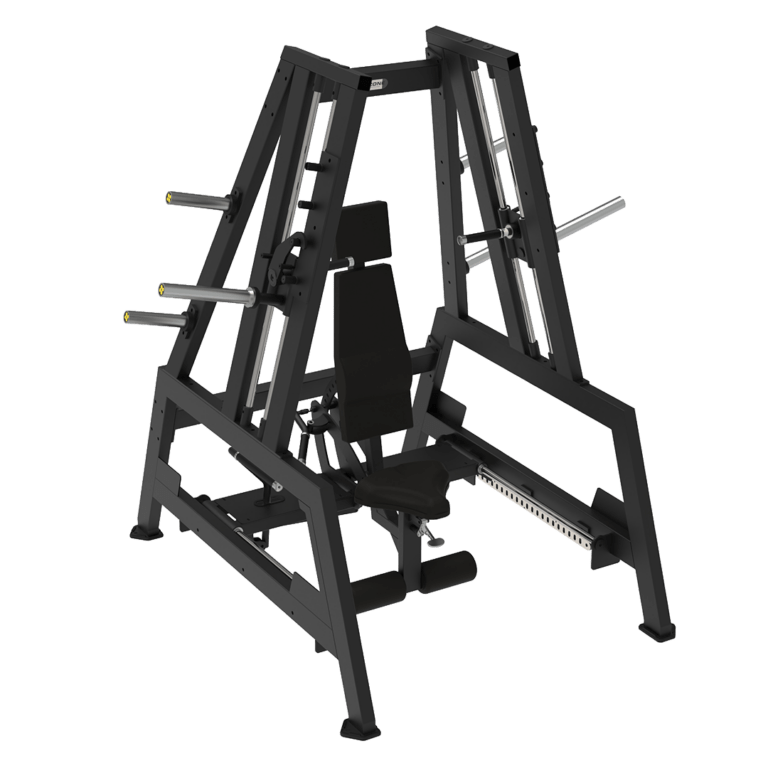
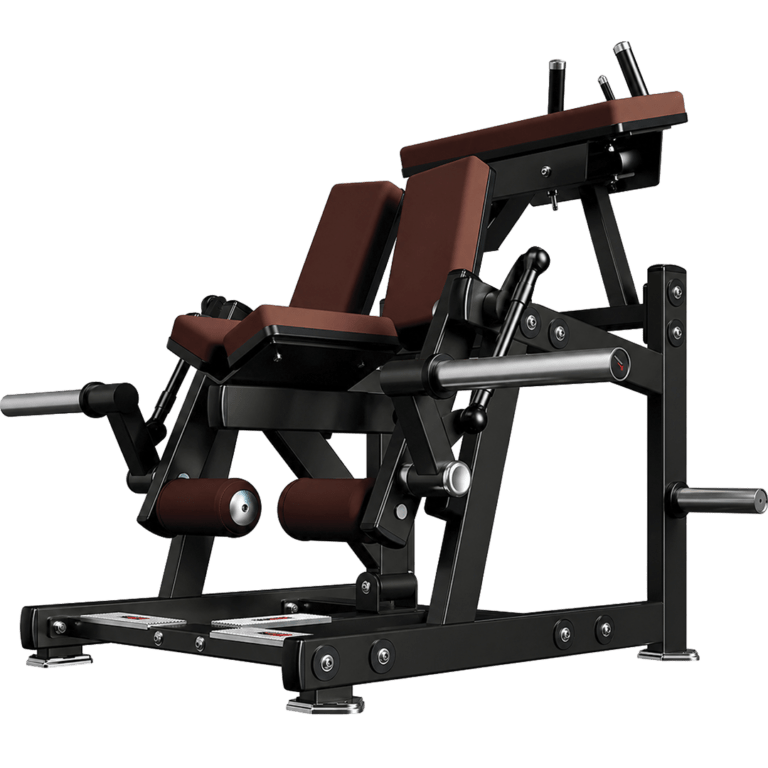
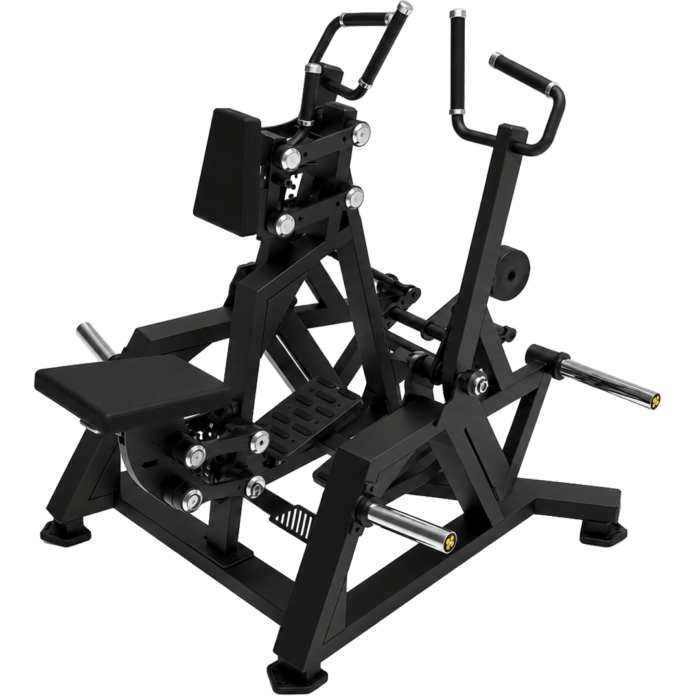
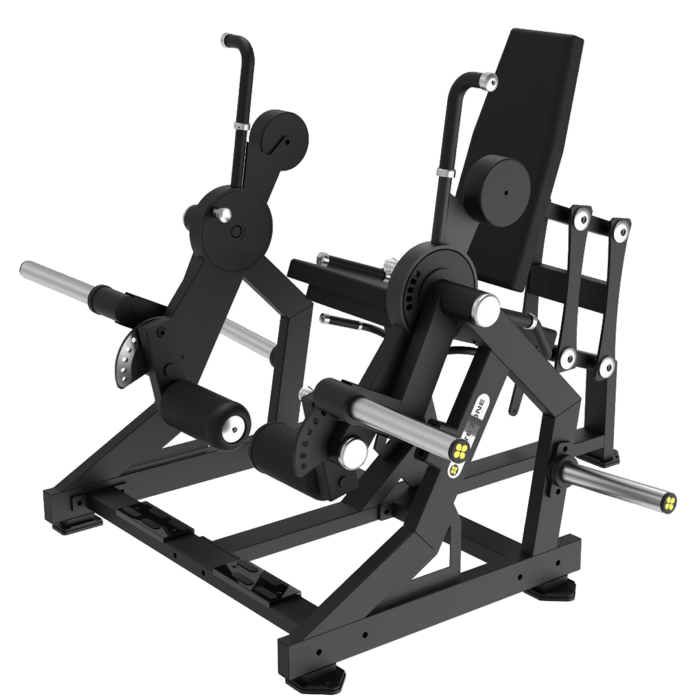
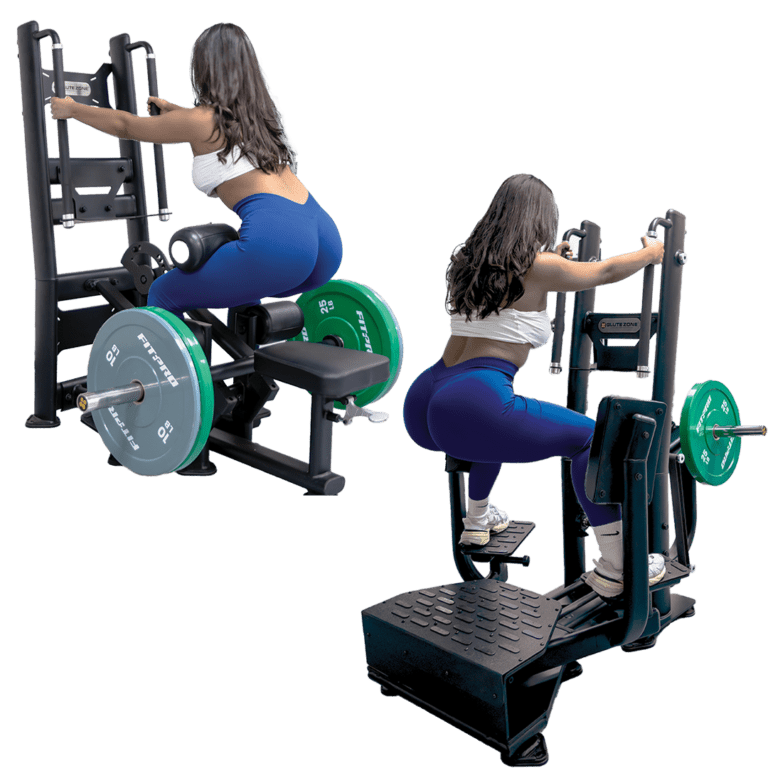
A working glute zone does not need a construction project. It needs an anchor, support pieces, and a layout members can read at a glance. Anchor it with the hip thrust machine, placed where the line of sight from the entrance can find it, because the zone is also an advertisement during tours. Add the GluteZone Pendulum Squat as the second station when space allows: it gives the zone a guided squat pattern that members who avoid barbell squats will actually use, and it turns one machine into a lower body circuit. Round it out with the abduction and belt squat options your floor plan supports, plate storage within arm's reach, and enough open floor in front of the machines for coaching and filming, because members will film there whether you plan for it or not.
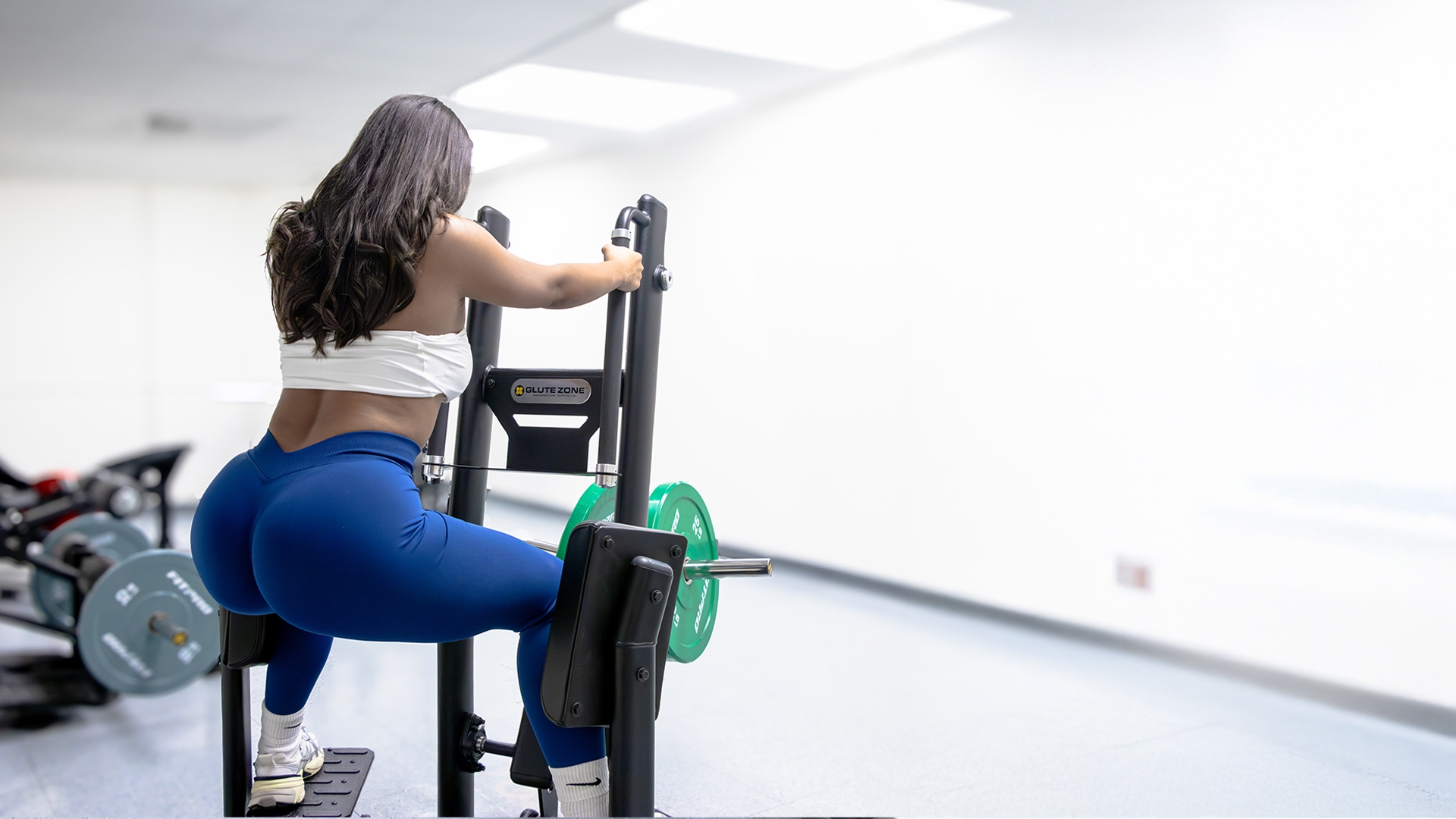
Then program it, because an unprogrammed zone decays into furniture. Put a beginner glute session on the class schedule or the small group board. Run a four week intro block that teaches the hip thrust setup once and progresses load weekly. Post the zone's rules where members can see them: how to set the seat, where the belt sits, how to rack plates. The operators who get the recruitment effect Fitness Worx described treat the zone as content as well as equipment: launch photos, member progress posts, and coach demos all point back to the same corner of the gym.
The Home Gym Version of the Same Logic
Everything above scales down. Serious home gym buyers are reading the same training data, following the same programs, and hitting the same wall with a barbell, a bench, and a pad that slides. For them the dedicated machine is not about acquisition. It is about training the priority muscle group properly, at home, without a ten minute setup before the first working set. If glutes are a priority in three quarters of women's training blocks in app data, a home gym built around a treadmill and a dumbbell rack is missing its owner's main event. One commercial grade station, the same 16 point seat and 550 lb plate horns, solves it in the footprint of the bench setup it replaces.
Frequently Asked Questions
Do women members really train glutes more than men?
Yes, in the largest recent data sets available. Fitbod's 2025 State of Strength report, based on 71 million logged workouts, found women trained glutes 56 percent more than men. In the RP Hypertrophy App analysis of 231,741 training blocks, glutes were a priority in 75.1 percent of women's blocks.
How many members does a hip thrust machine need to attract to pay for itself?
Using the HFA average member value of $517 per year as an illustration, a $2,239 machine is covered by about five members who join or stay because of it in a year. That is member value only, before any training or program revenue, and it is an illustration, not a guaranteed return.
Is a glute zone only for women?
No. Operators who have built them, such as Fitness Worx in the UK, report strong use by men as well, for posterior chain strength, posture, and sport performance. The zone is anchored on the exercises women members prioritize most, and the whole membership benefits.
What should anchor a glute zone?
A commercial grade hip thrust machine is the usual anchor, because it replaces the improvised barbell and bench setup with a guided, repeatable station. The GluteZone machine offers a 16 point adjustable seat, 550 lb plate horn capacity, and a frame of about 357 lb, at a $2,239 price at the time of writing.
How big is the US gym market right now?
The HFA 2026 Consumer Report counted 81 million US fitness facility members in 2025, an all time high, up 5.2 percent from 2024, with more than 100 million total users and an estimated 7 billion visits.
Build the corner of your gym that members ask for by name
Talk to GluteZone about anchoring your glute zone with the Hip Thrust Machine, for your gym or your home gym. Financing is available through Affirm, so you can spread the cost while the machine goes to work.
Sources
- Health and Fitness Association, 2026 US Health and Fitness Consumer Report: Headline Trends, reported by Athletic Business, April 2026. 81 million US members in 2025, up 5.2 percent, 26.1 percent penetration, Gen Z 18 to 24 penetration 35.5 percent, more than 100 million users, about 7 billion visits.
- Fitbod, 2025 State of Strength Report. 71 million workouts analyzed from December 2024 to December 2025. Women trained glutes 56 percent more than men.
- Renaissance Periodization Hypertrophy App data, analyzed in Men's Fitness Online, 2026. 231,741 training blocks, including 28,655 from women. Glutes emphasised in 75.1 percent of women's blocks.
- Strava, Year in Sport reports 2024 and 2025. Weight training was the fastest growing sport type among women in 2024, with uploads up 25 percent. In 2025, women were 21 percent more likely than men to record weight training.
- Health and Fitness Association, 2025 Fitness Industry Benchmarking Report, summarized by Gymdesk. Average annual retention 66.4 percent, average annual member value $517, based on 175 companies and more than 17,000 facilities.
- Health Club Management, Fitness Worx Gyms embraces the Glute Zone trend, March 18, 2026. Operator rollout of dedicated glute zones, member ratings of 10 out of 10, recruitment among members aged 18 to 25, social media and word of mouth effect.
- GluteZone Hip Thrust Machine official product page, glutezone.com, accessed November 4, 2026. Price $2,239, 550 lb plate horn capacity, 357 lb frame, 16 point adjustable seat, anchor hole ports.