





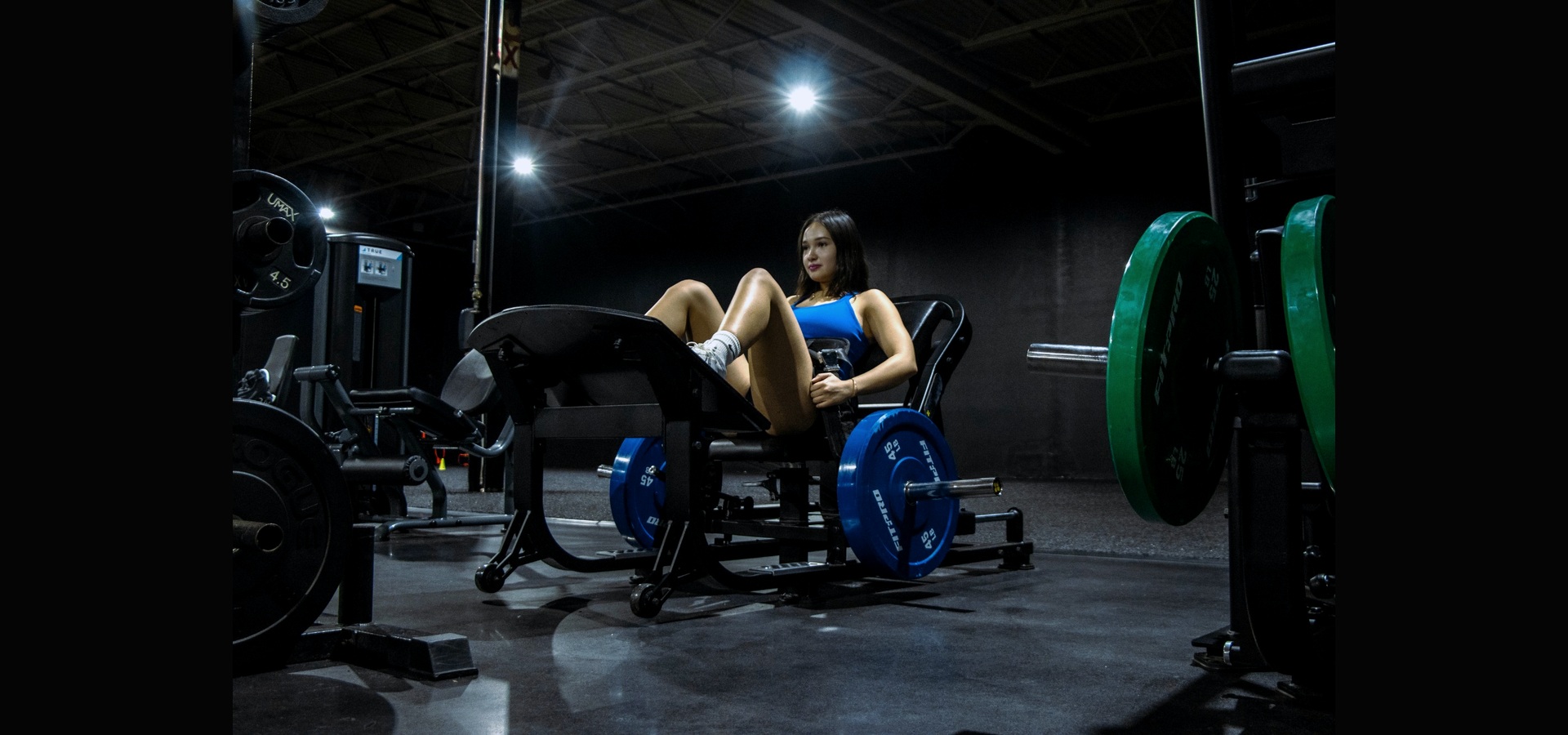

Most gym owners already own the hardest part of a profitable glute program: members who want to train glutes, and at least one machine they line up for. What they do not have is a paid structure around that demand. The hip thrust station sits free on the open floor, busy at peak hours and empty the rest of the day, while the members who use it most get no coaching, no progression and no reason to pay a dollar more than their basic membership.
Small group glute training fixes that gap. You take a small, fixed group, coach it properly for several weeks, and charge for the coaching, not just for access. This guide shows how the format works, what the numbers look like, and how to build it around a hip thrust machine and a pendulum squat.
The demand is already in your building
Small group training is not a niche experiment anymore. In the Health and Fitness Association 2025 US Health and Fitness Consumer Report, 32.3 percent of US gym members took part in small group training in 2024. Nearly one in four members, 23 percent, used a personal trainer, and women drove much of that growth, with the number of women using personal training up 16 percent year over year to 7.3 million.
Glutes are the right anchor for that demand. In Fitbod State of Strength data for 2025, women trained glutes 56 percent more than men. That does not mean a glute program is only for women. It means the goal your members already talk about most is the one to build a paid program around.
32.3%
US gym members who took part in small group training in 2024 (HFA 2025)
4 to 6
Clients per coach in the sweet spot for small group personal training
$30 to $60
Typical price per small group session, per client (PushPress)
56%
More glute training logged by women than men in 2025 (Fitbod)
What small group training is, and what it is not
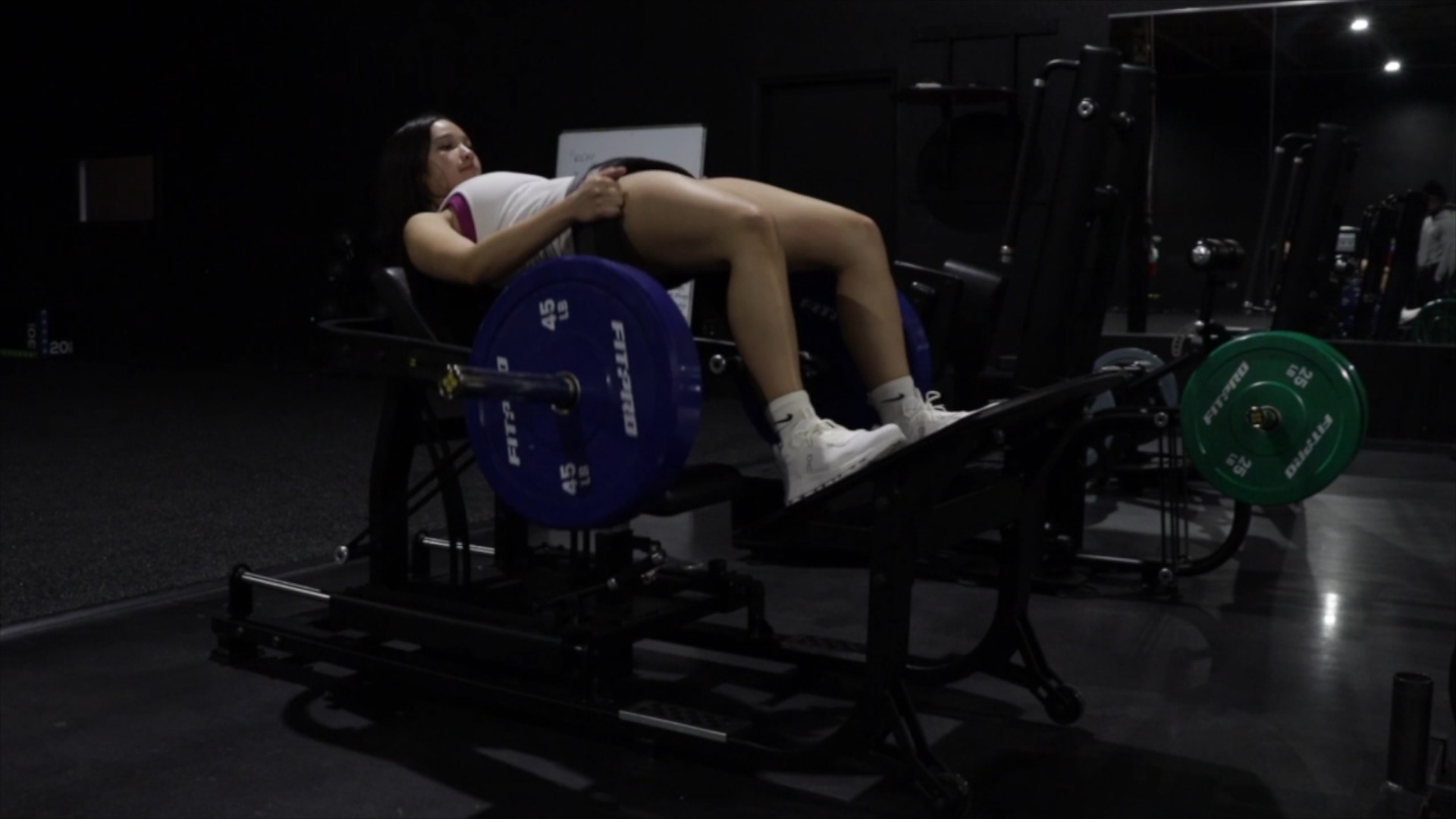
Small group personal training means one coach working with a small, fixed group, usually 4 to 6 people, in the model described in the PushPress gym owner guide. Each person follows their own weights and progressions inside a shared session. The coach knows their goals, tracks their numbers and adjusts the work week to week. Groups run in multi week blocks, at the same times, with the same people.
That is different from a large group class, where 15 to 30 people follow the same workout, and from one to one training, where the client carries the full cost of the coach hour alone. A drop in class with a hip thrust station in a circuit is not a program. A six week block with an intake, a progression plan and a retest is a program.
The session math, with real price ranges
PushPress puts typical small group pricing at $30 to $60 per session per client, or $200 to $500 per month on a membership model, compared with $80 to $150 per session for one to one training. With 4 to 6 clients in the room, that works out to $120 to $360 in revenue per coach hour, against $80 to $150 for the same hour sold one to one.
Two-Brain Business reports a similar picture: a small group session rate of about $50, more than double the large group rate of about $22, and revenue per session of about $230 against about $145 for a large group class. Two-Brain treats $200 in revenue per session as a healthy benchmark.
Run an illustration with your own numbers before you launch. Five members paying $40 per session, training twice a week, is 5 times $40 times roughly 8 sessions a month, or $1,600 a month from one group, before coach cost. Two groups a week at that level is $3,200 a month of program revenue built around stations you may already own. That is an illustration using published price ranges, not a promise. Your market, your coach cost and your fill rate decide your real number, which is exactly why the worksheet matters more than any benchmark.
Build the program around the machines, not around a whiteboard
A glute small group works best as a station based session. One station anchors the day, and the other stations support it, so the coach can watch the main lift closely while the rest of the group keeps moving.
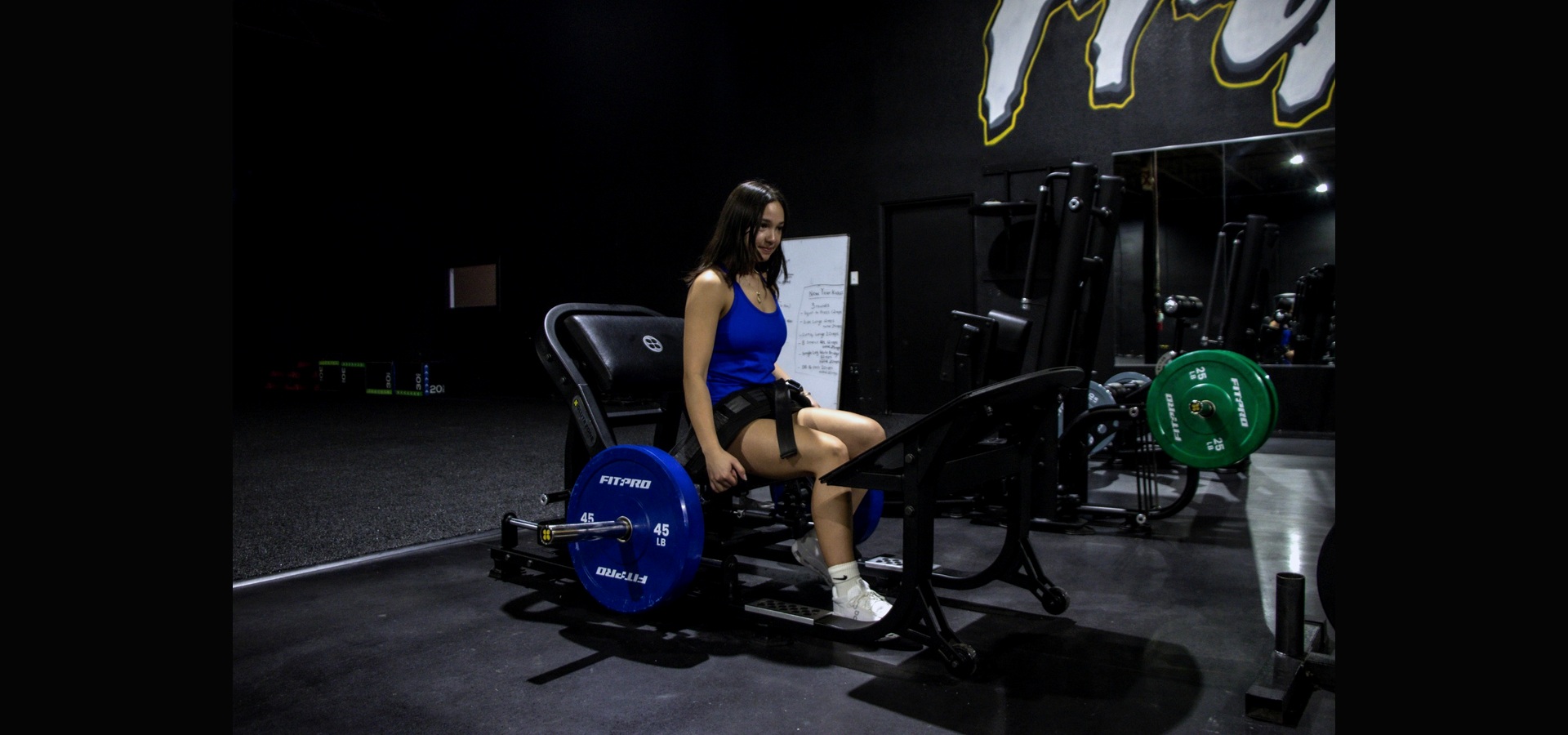
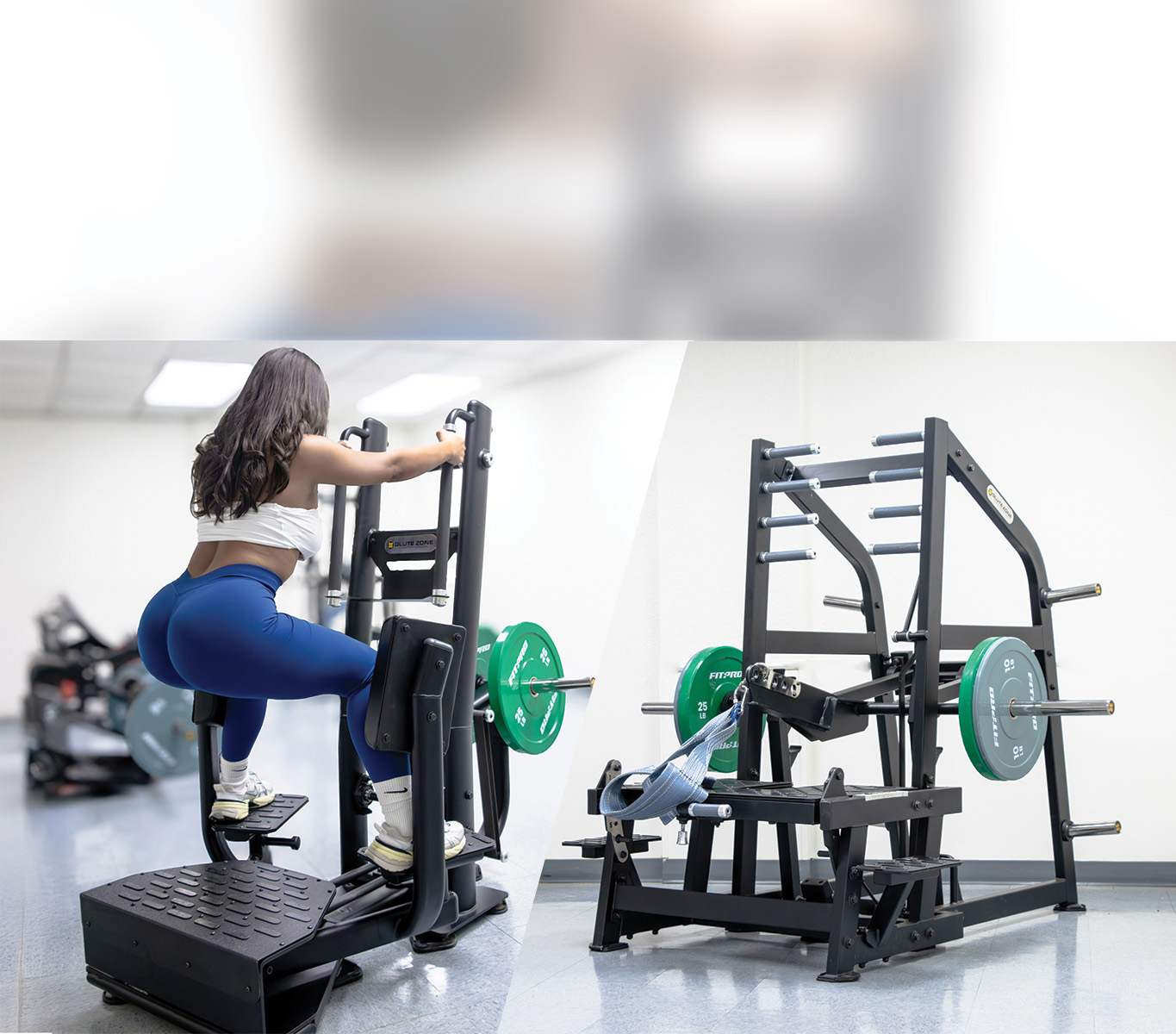
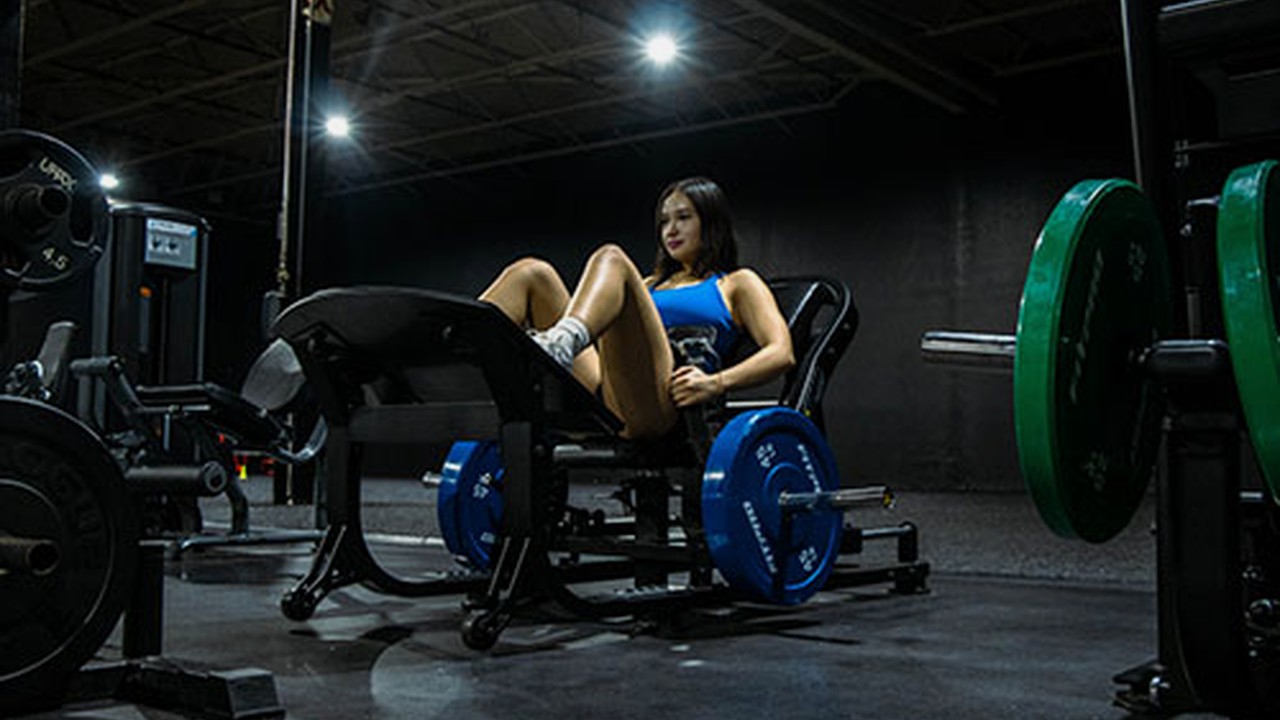
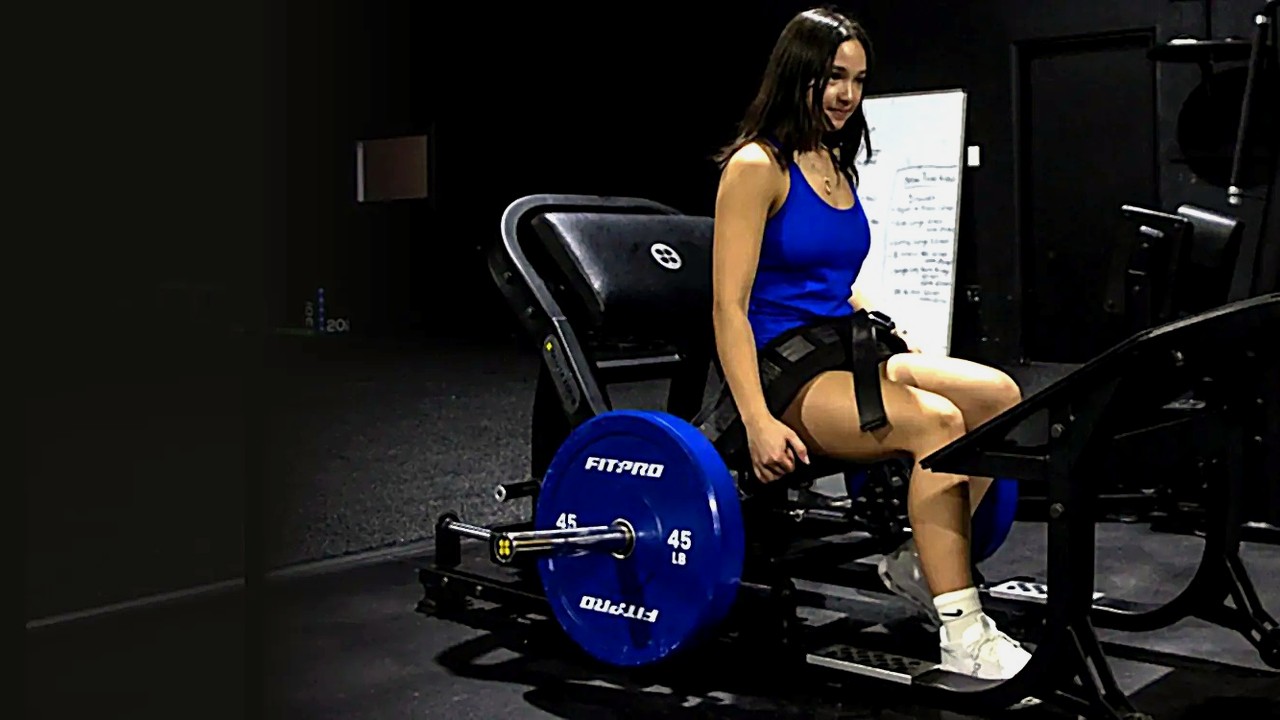
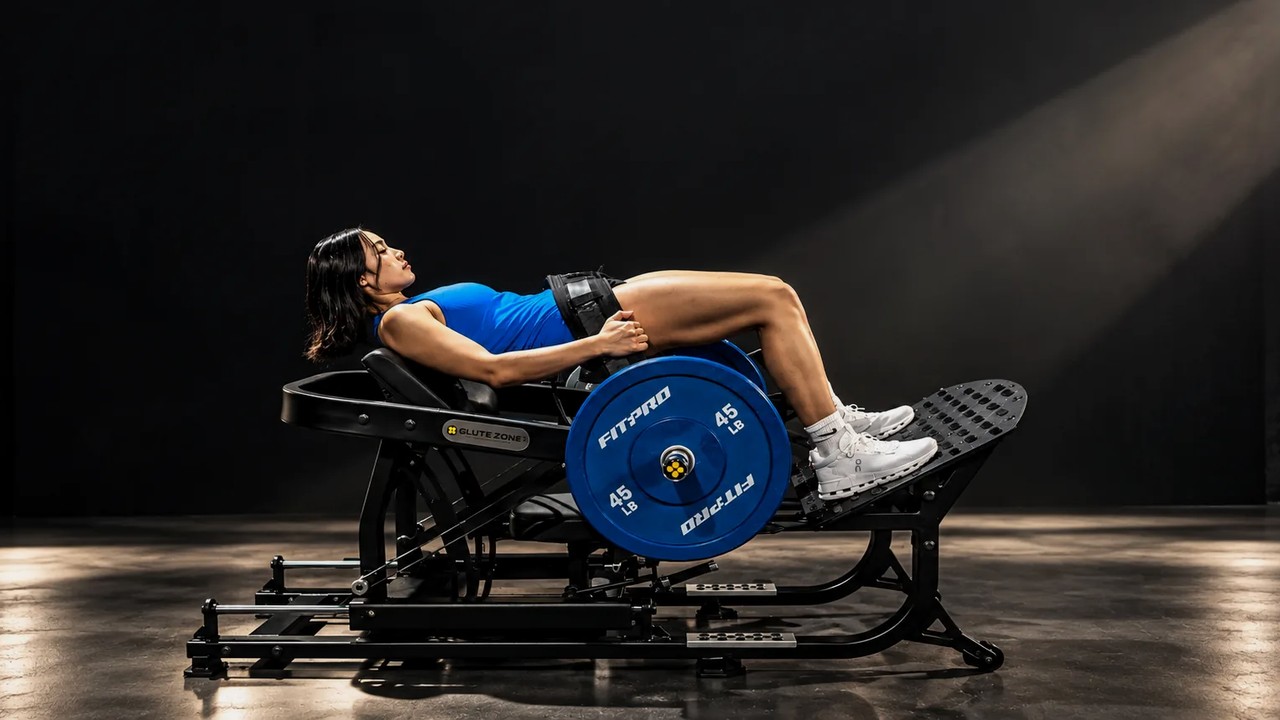
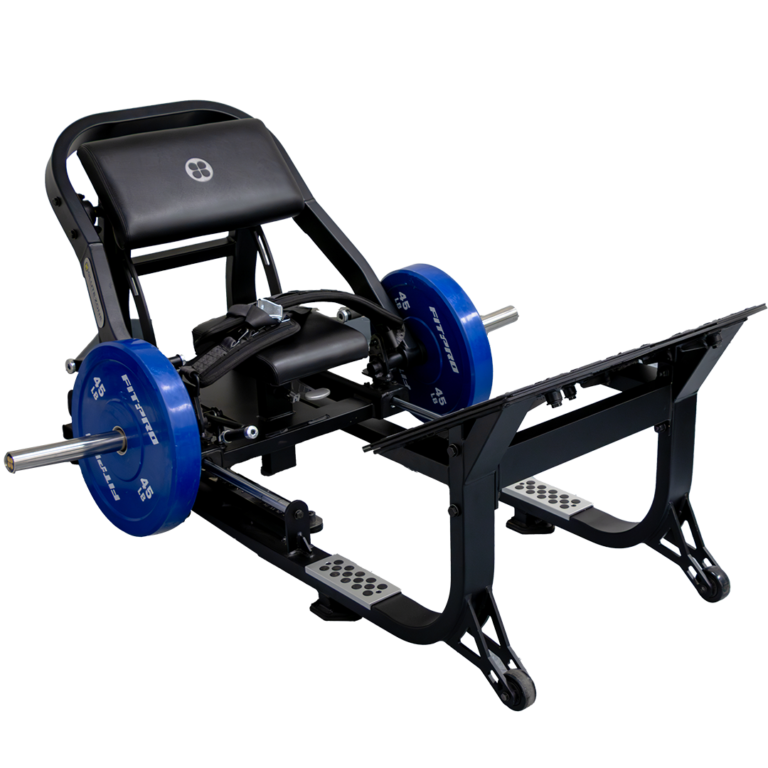
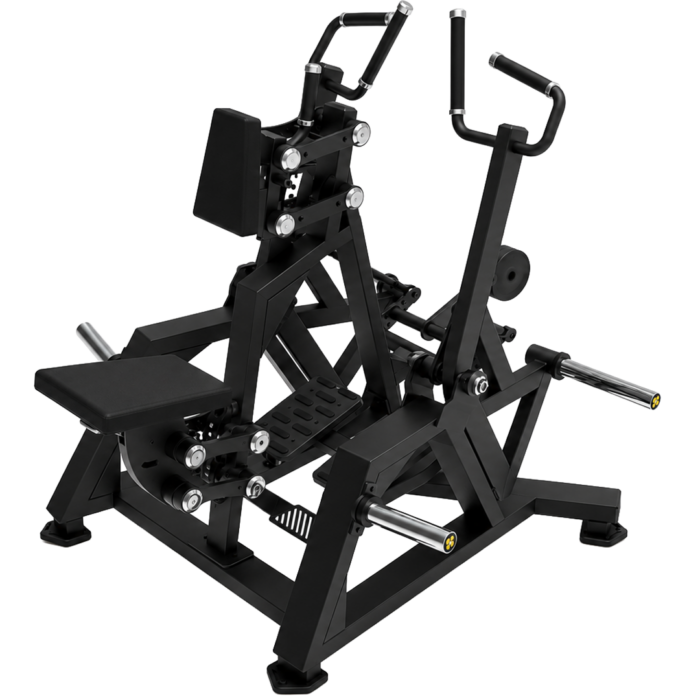
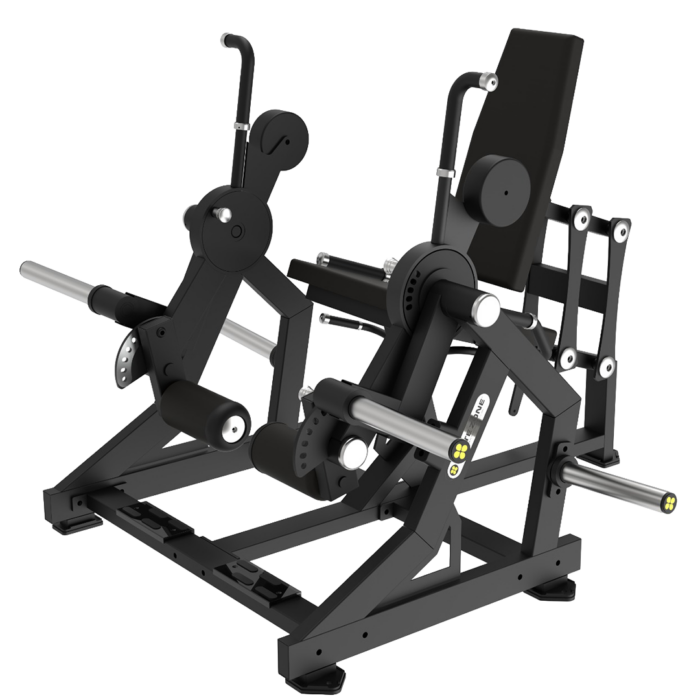
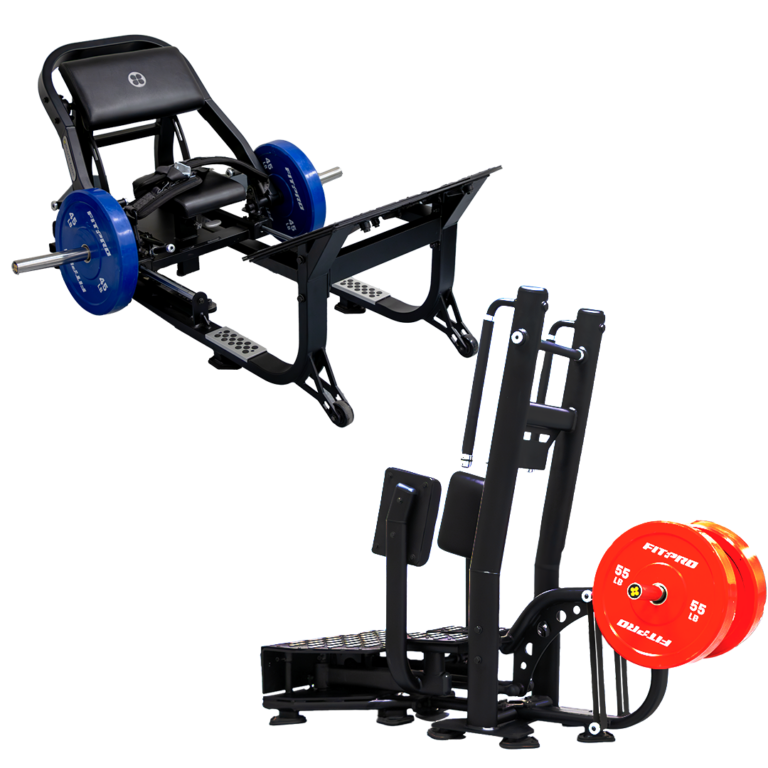
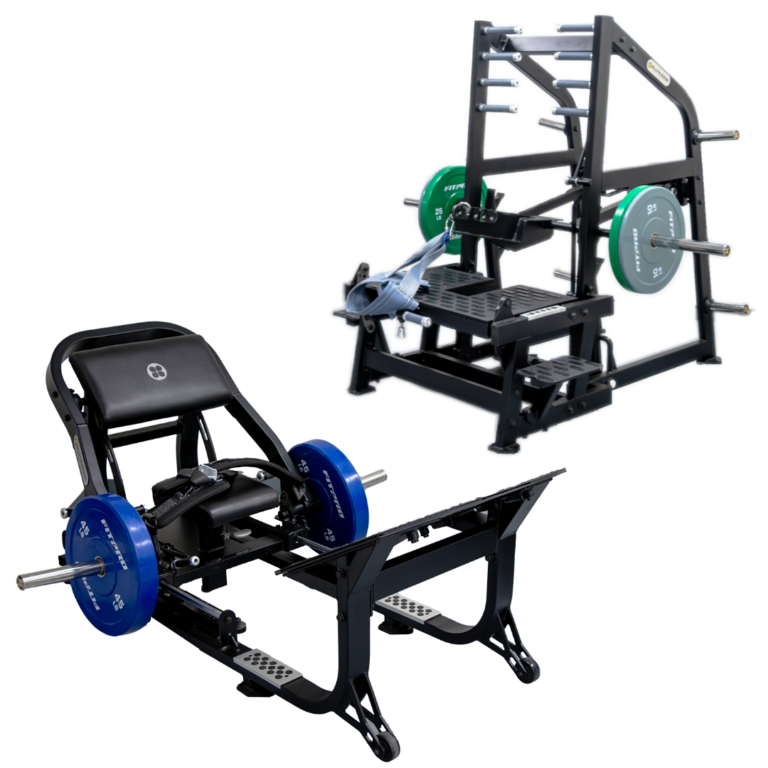
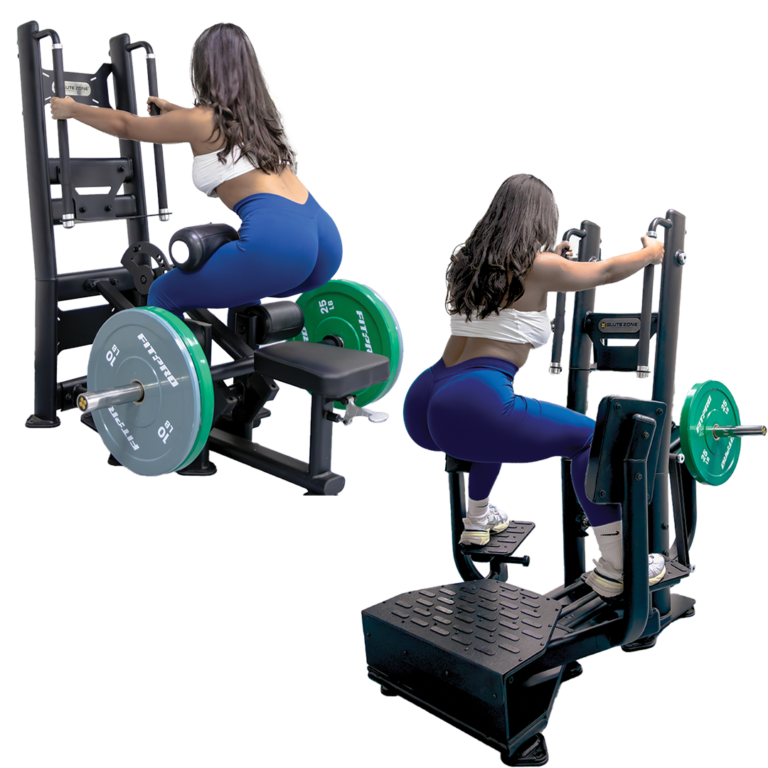
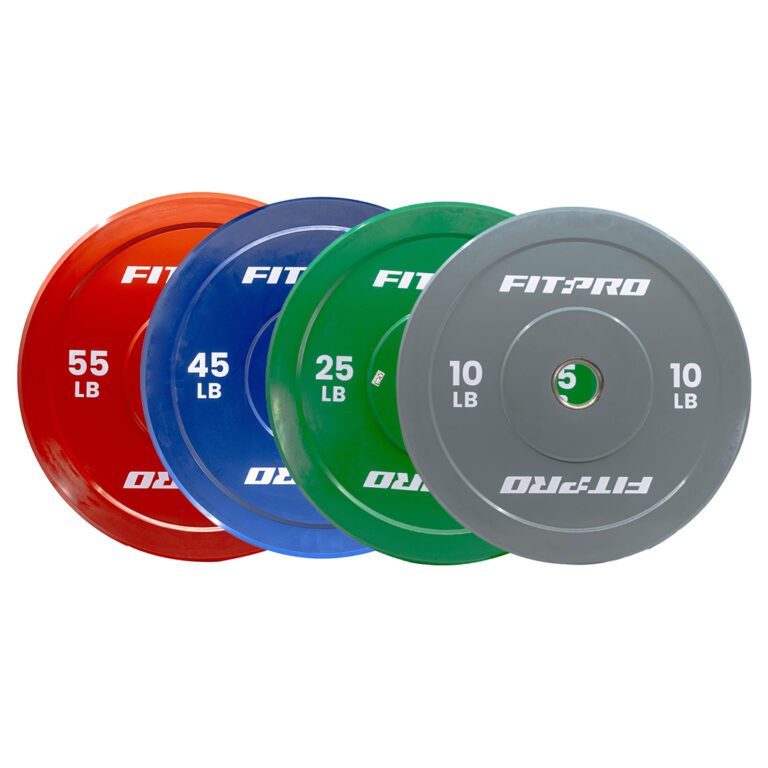
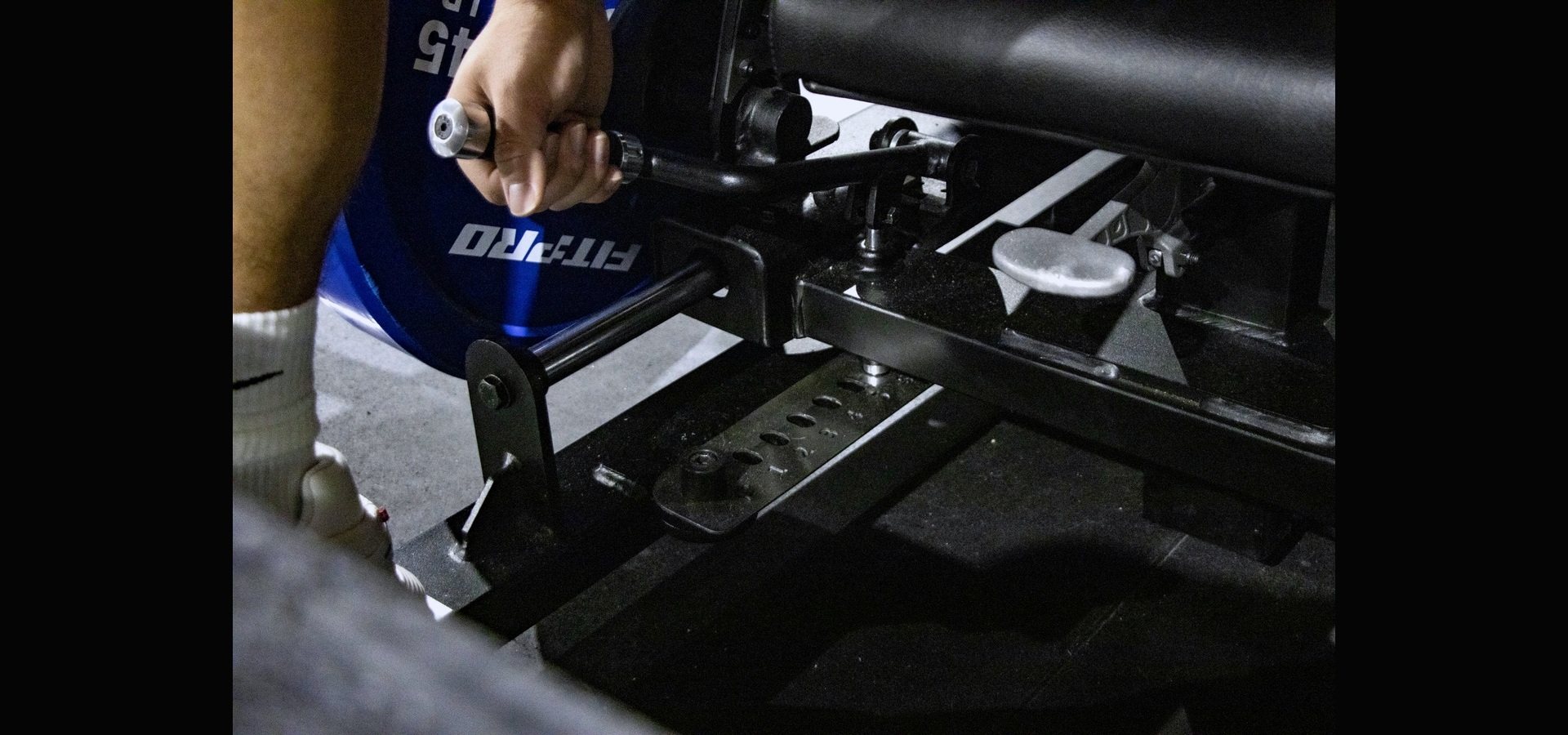
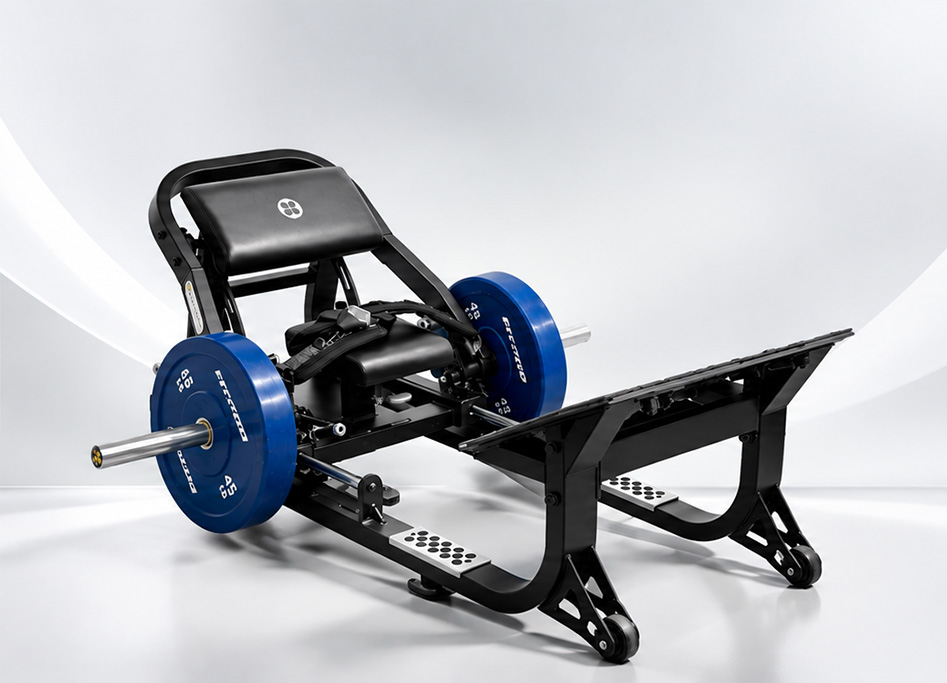
Station one, the anchor: the GluteZone Hip Thrust Machine. A dedicated machine is what makes group flow possible. There is no bench to set up, no bar to pad and no platform to rebuild between members. The 16 point forward and backward adjustable seat lets the coach fit each member fast, the plate horns support up to 550 lb so stronger members are not capped, and the frame, at about 357 lb with anchor hole ports on each foot, stays planted when a full group rotates through it. At $2,239, it is also a station a small gym can actually buy without a remodel.
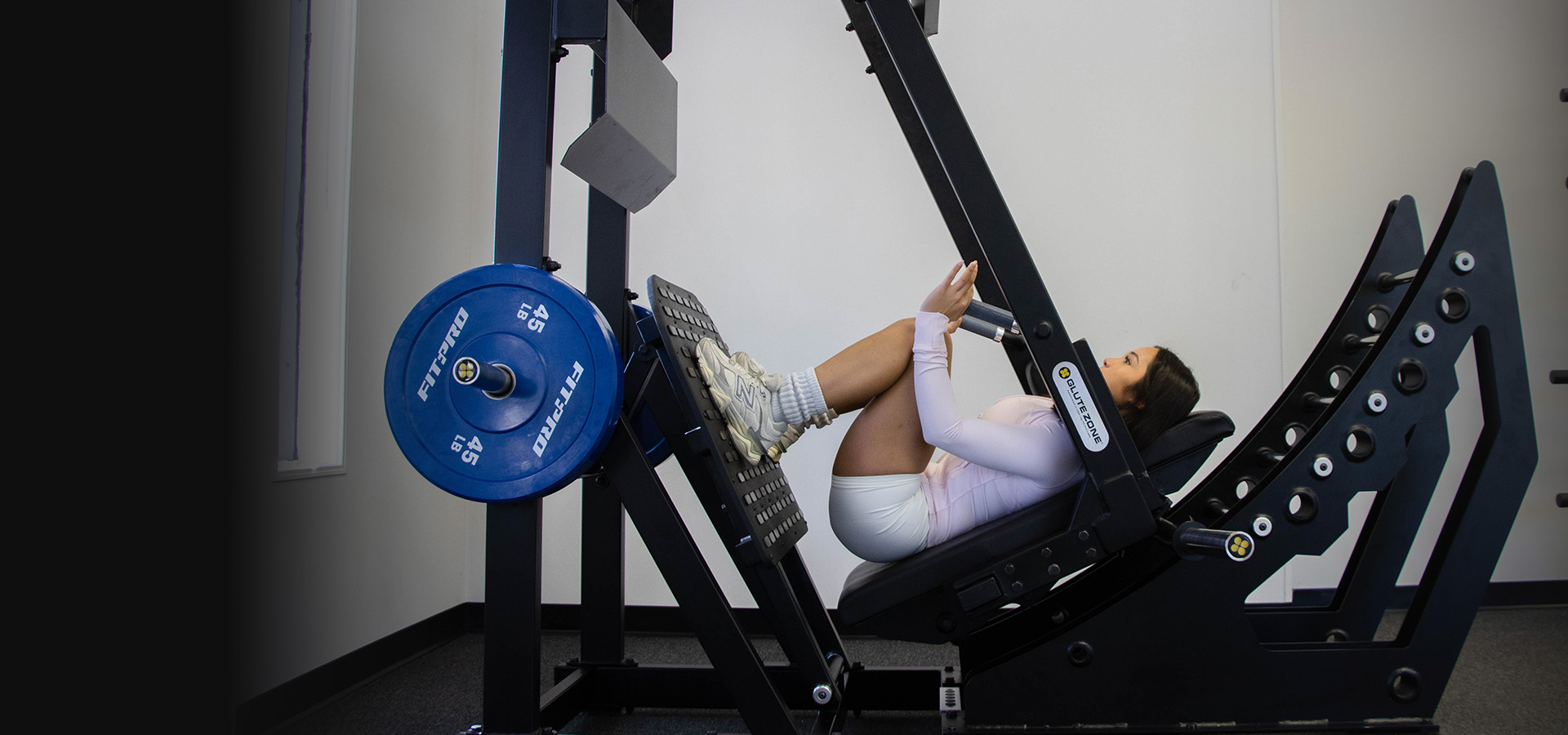
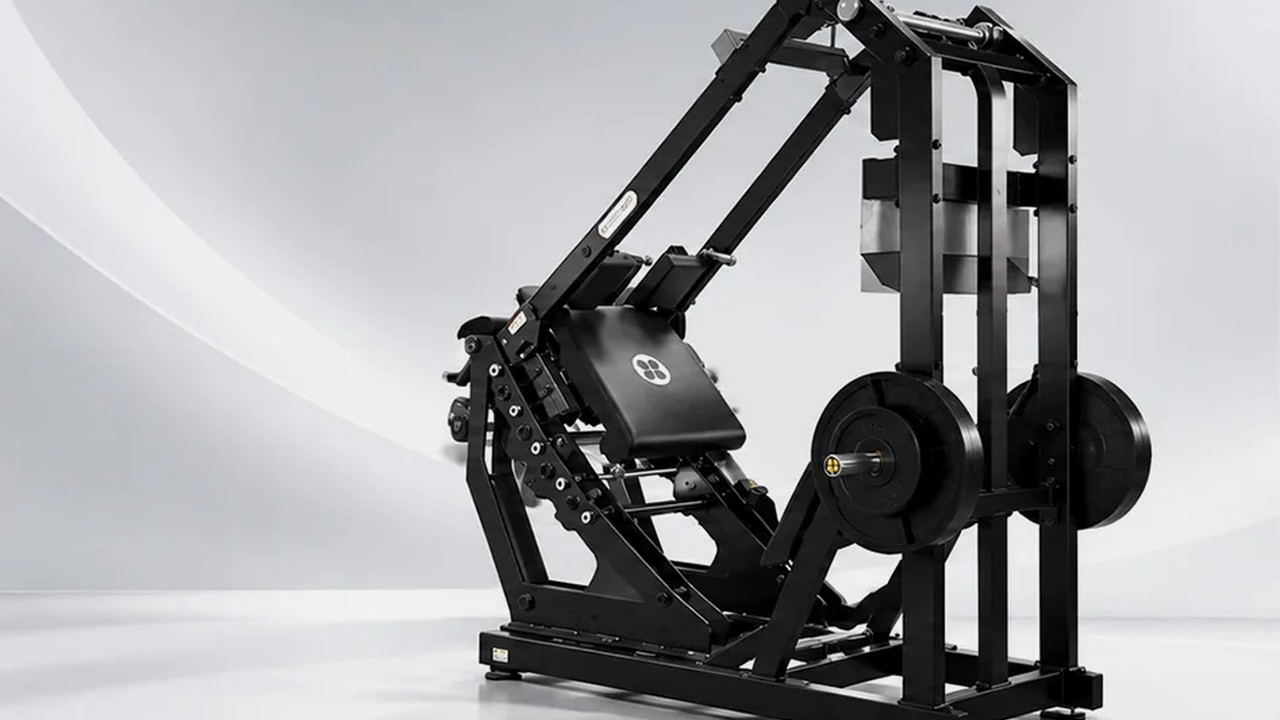
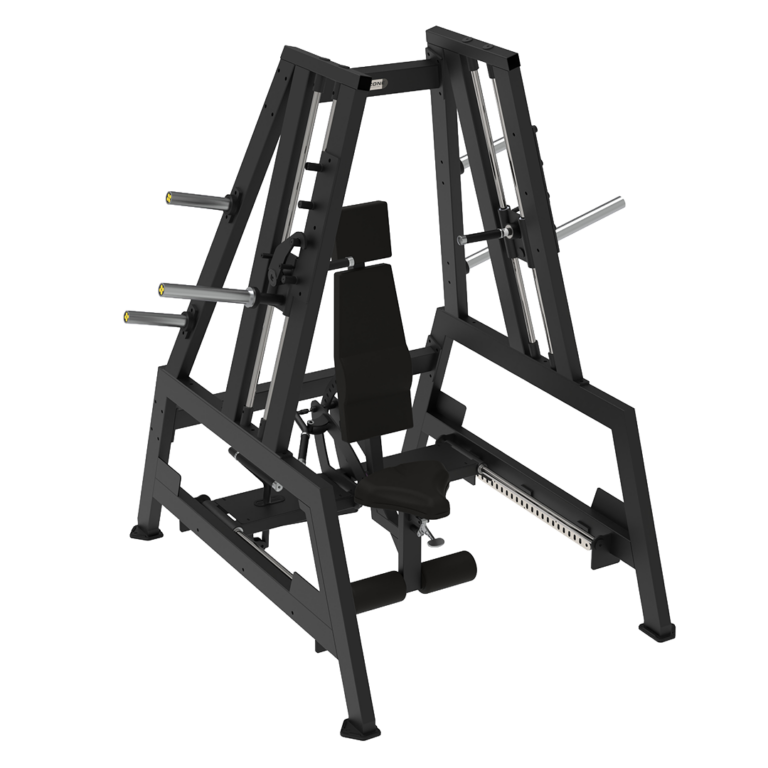
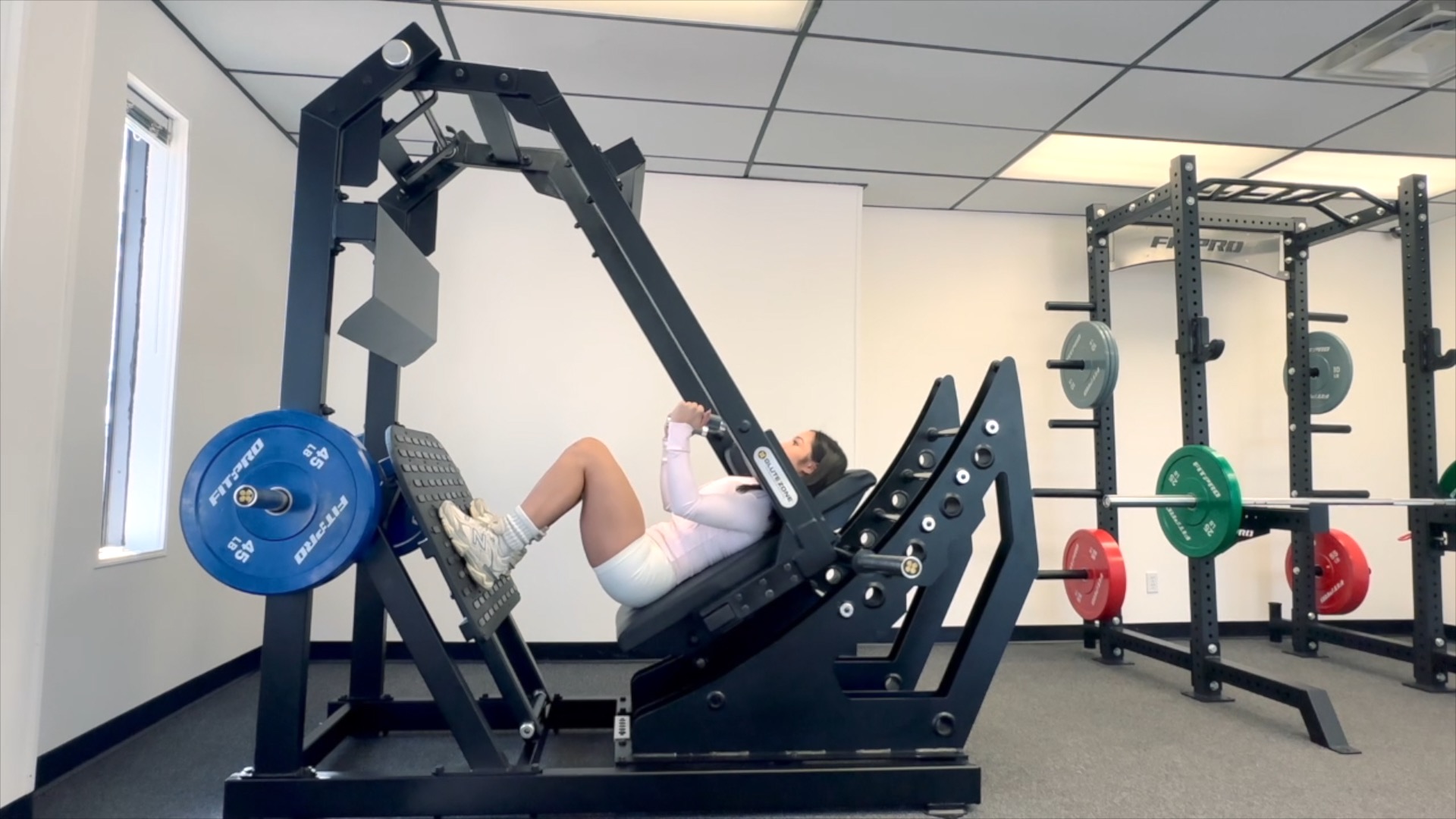
Station two, the strength builder: the GluteZone Pendulum Squat at $3,999. Its dual arm guided system, multi position angle adjustable footplate and wide backrest with lumbar support let the coach change the emphasis between glutes and quads by foot position, and the low entry step keeps it approachable for newer members. In a group session it pairs naturally with the hip thrust: one station for hip extension, one for a deep, guided squat pattern.
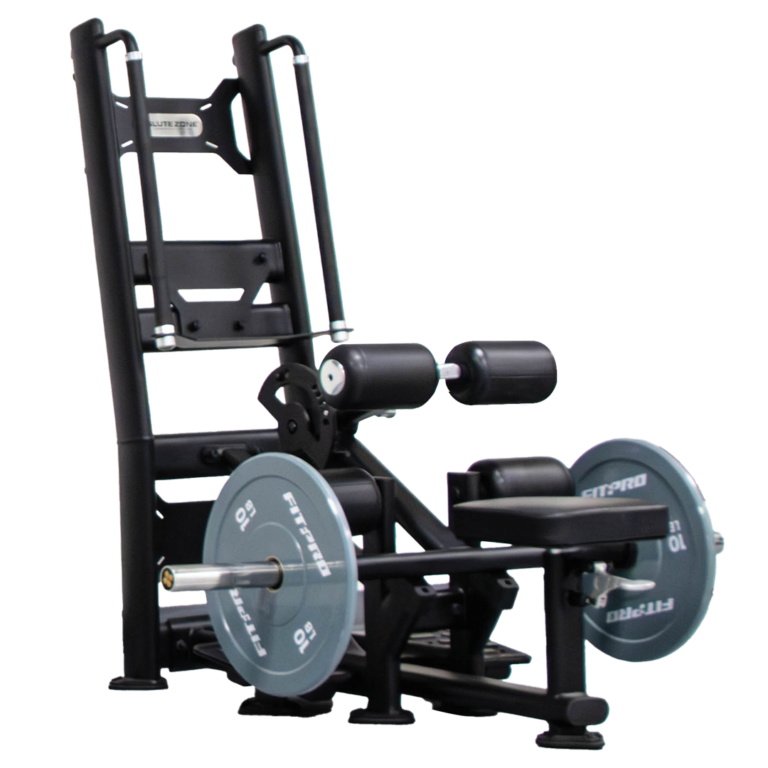
Support stations: fill the rest of the rotation with work you already own, such as cables for abduction work and dumbbells for a Romanian deadlift pattern. The program needs two anchor machines that never bottleneck, not ten machines.
How to structure a six week block that members finish
Week zero, intake: a short assessment, training history, any limitations, a starting hip thrust load and a simple measure to retest, such as a top set weight at a set rep range. PushPress is clear on this point: intake and progress tracking are what separate small group training from a smaller class.
Weeks one to five, progression: two sessions a week is a practical default. Keep the anchor lift in the same slot, rotate support stations, and add load or reps in small steps the coach records.
Week six, retest and next block: repeat the starting measure, show each member their change in writing, and open enrollment for the next block before the current one ends. The retest is not a ceremony. It is your renewal conversation, with proof in hand.
Scheduling tip: put at least one group in an off peak slot. A coached glute block at mid morning or early afternoon turns dead floor hours into paid hours, and it serves members whose schedules never fit the evening rush.
Why coached groups help retention, not just revenue
Program revenue is the visible win. Retention is the quieter one. Members in a fixed group have a standing appointment, training partners who notice when they miss, and a coach who knows their numbers. Gymdesk, summarizing Les Mills research across 601 UK facilities, reports that members who took group classes three or more times a week stayed about 51 percent longer than members who never took a class, 35.3 months against 23.4 months. A small coached group is not the same product as a large class, but the mechanism is the same and stronger: scheduled attendance, social ties and visible progress.
A member who finishes a block has a result, a group and a next block to join. A member left alone on the open floor has only a bill to reconsider.
Four mistakes that kill small group glute programs
Pricing it like a class. If you charge a class price for a coached program, you cannot pay the coach properly and the coaching quietly disappears. Price it between your classes and your one to one training, because that is what it is.
Letting the group grow. Past 8 people, individual coaching erodes, and past 10 you are running a class with extra steps. Keep the cap, run a waitlist, and let the waitlist prove demand for a second group.
No individual tracking. Shared session, individual numbers. If the coach cannot tell a member what they lifted two weeks ago, the member is paying program prices for class attention.
Starting with the sale, not the intake. Members who skip intake start at the wrong load, progress randomly and blame the program. Fifteen minutes of assessment protects six weeks of coaching.
For home gym owners and small studios
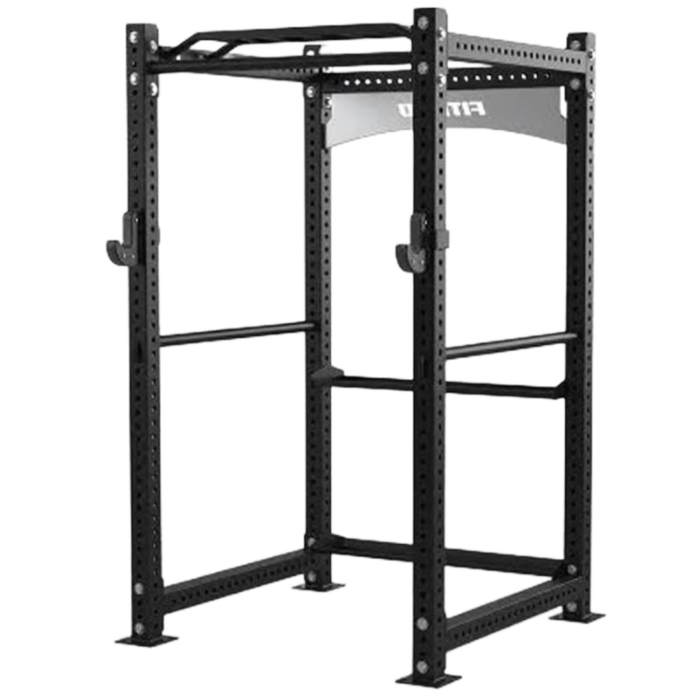
The same model scales down. A coach running a studio from a garage or a small rented space can build a 4 person glute block around one hip thrust machine and a rack, with the same intake, progression and retest structure. A serious home gym owner training with a partner or a small, consistent group gets the other half of the benefit: a fixed schedule and tracked loads, which is what most solo training lacks. The machine requirements do not change. Fast seat adjustment between people of different heights, enough load capacity for the strongest person in the group, and a frame that does not move under hard sets.
Frequently asked questions
How many people should be in a small group glute session?
Four to six per coach is the sweet spot most successful small group programs use. Four to eight can work, but below four the economics look like discounted one to one training, and above eight the individual coaching that defines the format starts to erode.
How much should a gym charge for small group glute training?
Published guides put small group personal training at $30 to $60 per session per client, or $200 to $500 per month on a membership model. Price inside that range based on your market and coach cost, and check your revenue per session against a $200 benchmark.
Do I need more than one machine to start?
No. Start with one anchor station, a dedicated hip thrust machine, plus support work you already own. Add a pendulum squat as the second anchor when the first group fills and a waitlist forms. Demand first, second machine second.
How long should a glute program block run?
Six weeks is a practical default: a week zero intake, four to five weeks of progression at two sessions a week, and a retest in the final week. It is long enough for measurable load progress and short enough that members commit without hesitation.
Can beginners and advanced members train in the same group?
Yes, if the programming is individualized inside the shared session. The coach sets each person load and progression separately, and a machine with fast seat adjustment and a wide load range makes those changeovers quick enough to keep the session moving.
Turn your glute floor into a paid program
Start with the anchor station. The GluteZone Hip Thrust Machine is $2,239, built for commercial gyms and heavy use, with financing available through Affirm so you can start the program before the first block sells out. Talk to our team for a quote and a layout check for your space.
Get a quoteFinancing available with Affirm at checkout. See our contact page to get started.
Sources
- Health and Fitness Association, 2025 US Health and Fitness Consumer Report, small group training participation 32.3 percent, personal training 23 percent, women personal training users up 16 percent to 7.3 million, via HFA and Recreation Management summaries found October 28, 2026.
- PushPress, What Is Small Group Personal Training, A Gym Owner Guide, March 11, 2026, group size 4 to 6, pricing $30 to $60 per session and $200 to $500 per month, revenue per coach hour $120 to $360.
- Two-Brain Business, The Data-Backed Way to Price Your Gym Memberships, small group session rate about $50, revenue per session about $230, $200 revenue per session benchmark.
- Fitbod, State of Strength Report 2025, women trained glutes 56 percent more than men.
- Gymdesk, 100 Gym Membership Statistics, citing Les Mills 2019, members in group classes 3 or more times a week stayed 35.3 months vs 23.4 months.
- GluteZone product pages, Hip Thrust Machine and Pendulum Squat, prices and specifications verified October 28, 2026.