







Two squat machines promise the same thing: heavy leg training without a barbell crushing your spine. The pendulum squat machine guides you through a deep, arced squat with your back supported. The belt squat machine hangs the load from your hips and lets you squat in a free, upright pattern. Gym owners ask us the same question every week: if the budget or the floor space only allows one, which one earns its place?
This comparison uses what the research actually measured, plus the verified specs of both GluteZone machines, checked on their product pages today. No invented numbers, and one honest warning up front: no long term trial has ever trained one group on a pendulum squat and another on a belt squat and measured who grew more. Anyone who claims that study exists is selling you something. What we do have is solid data on spinal load, depth, and muscle activation for each pattern, and that is enough to make a smart buying decision.
How Each Machine Loads the Body
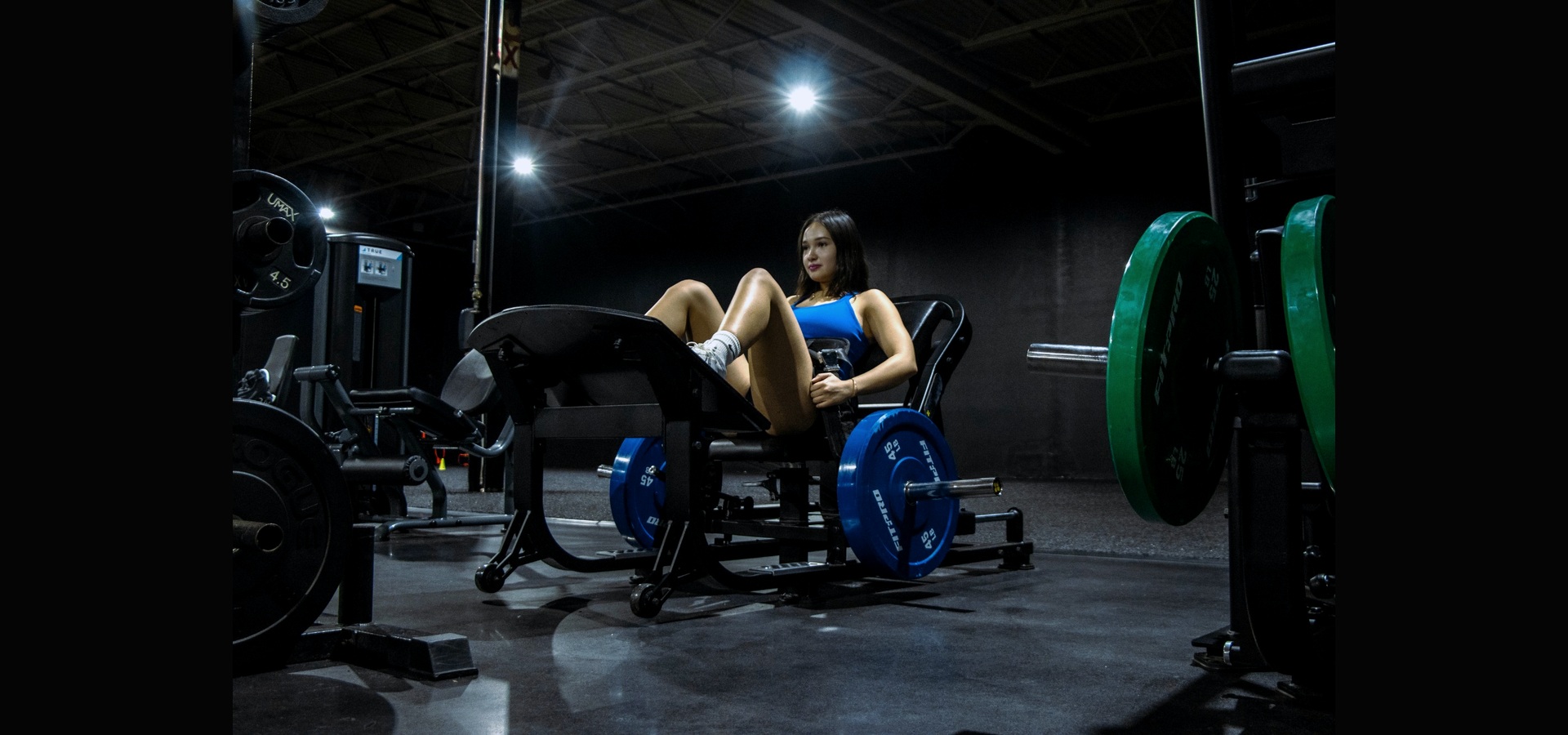
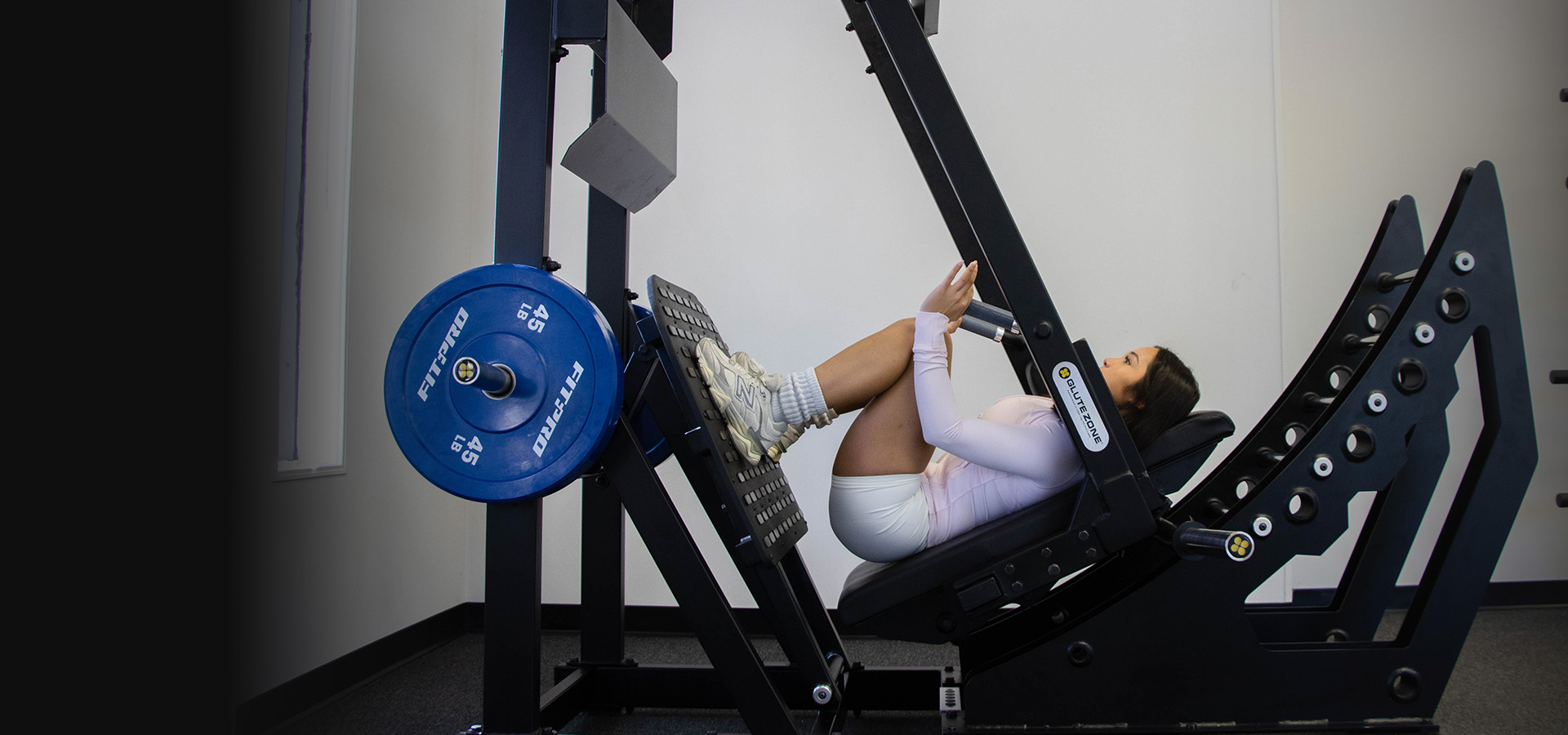
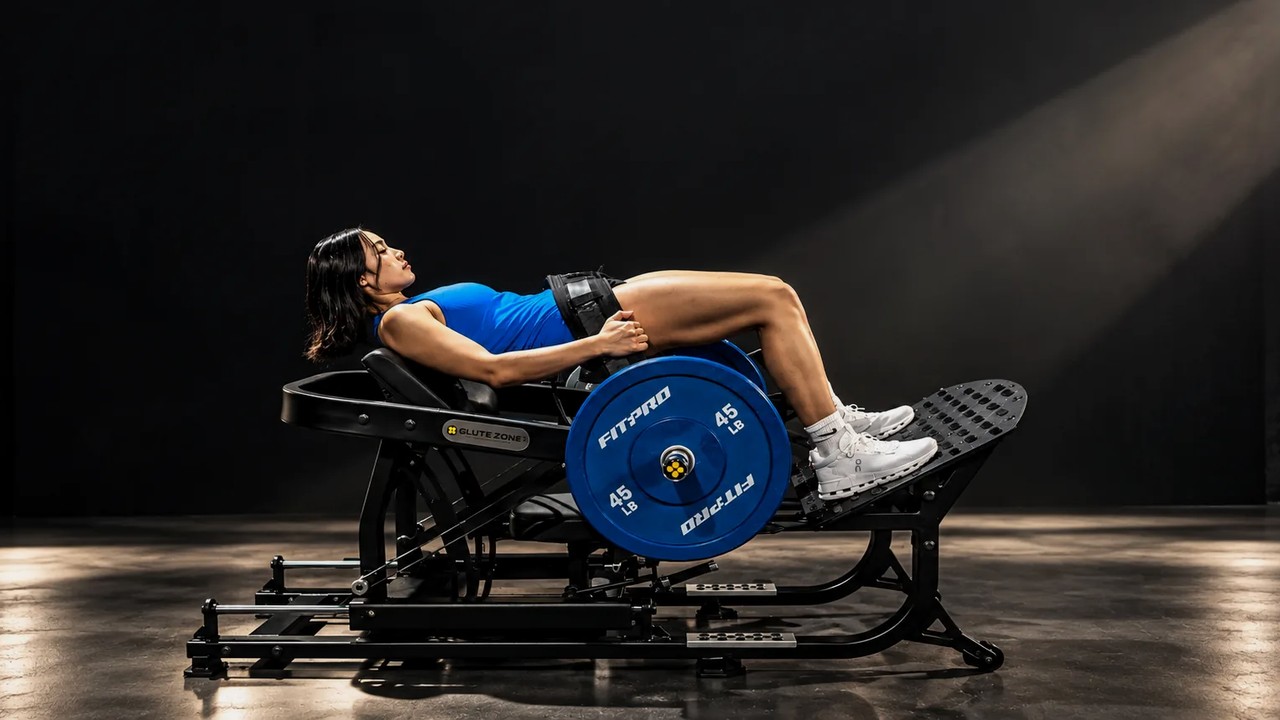
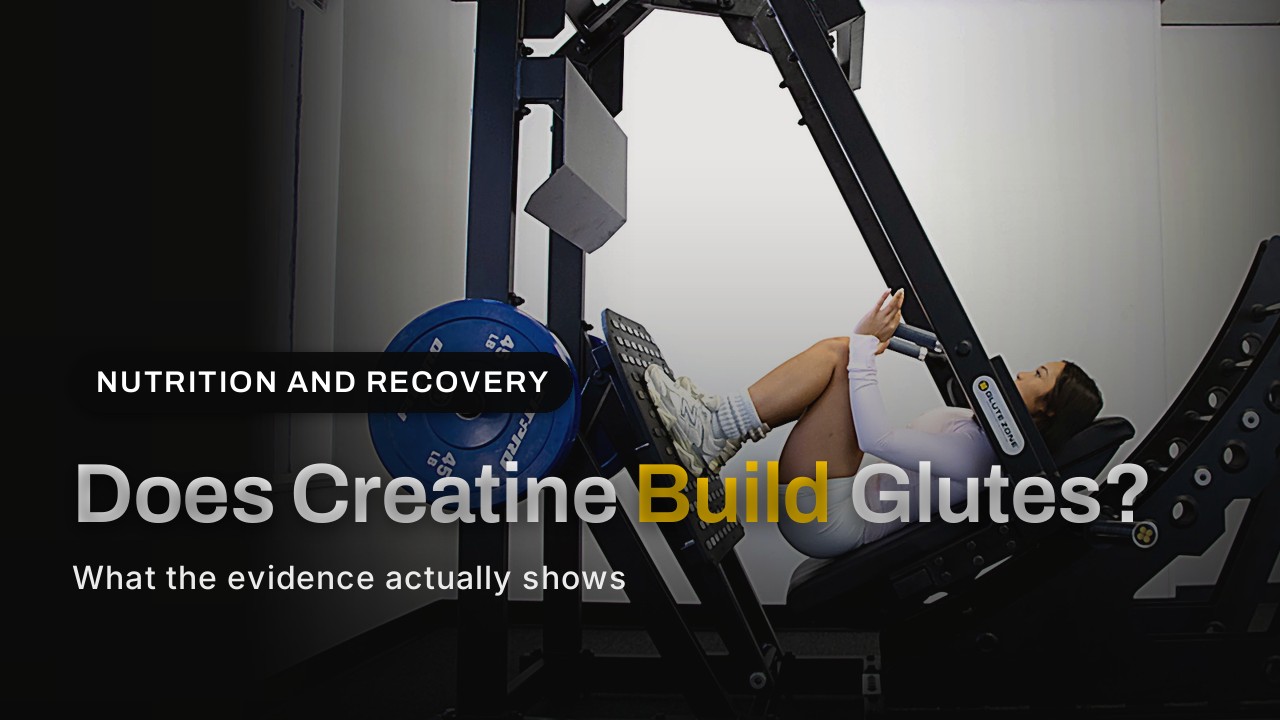
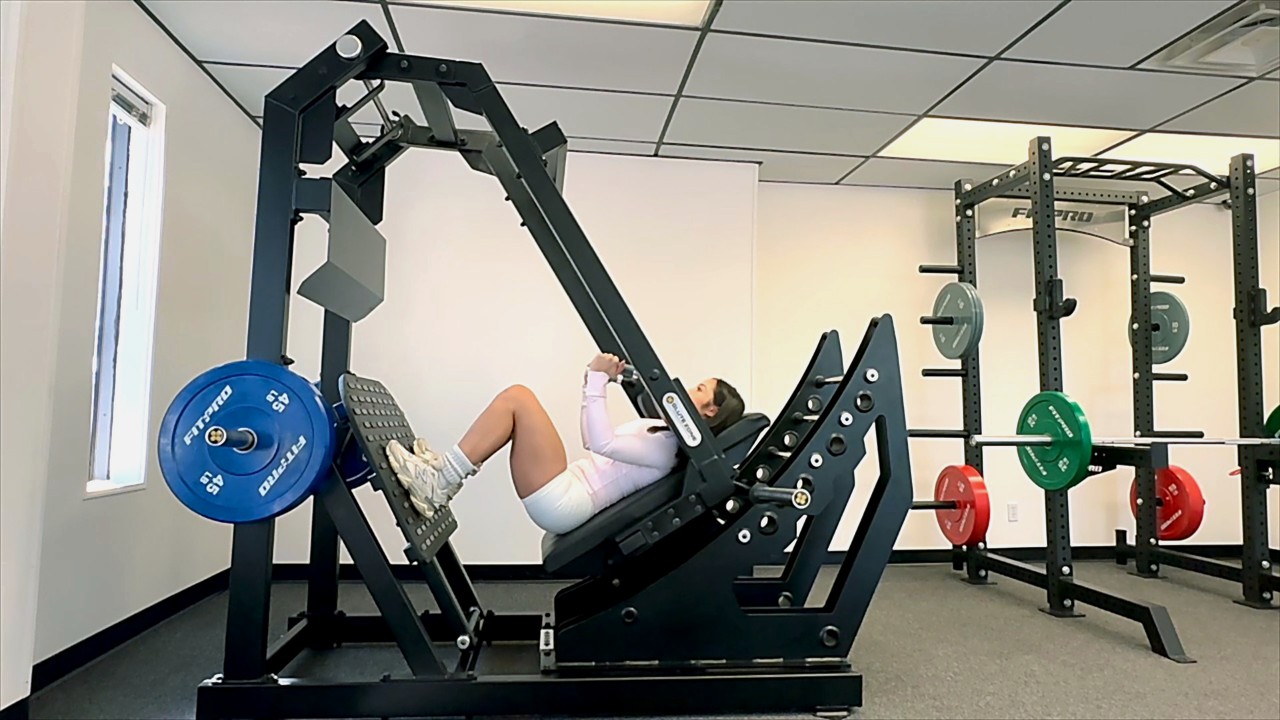
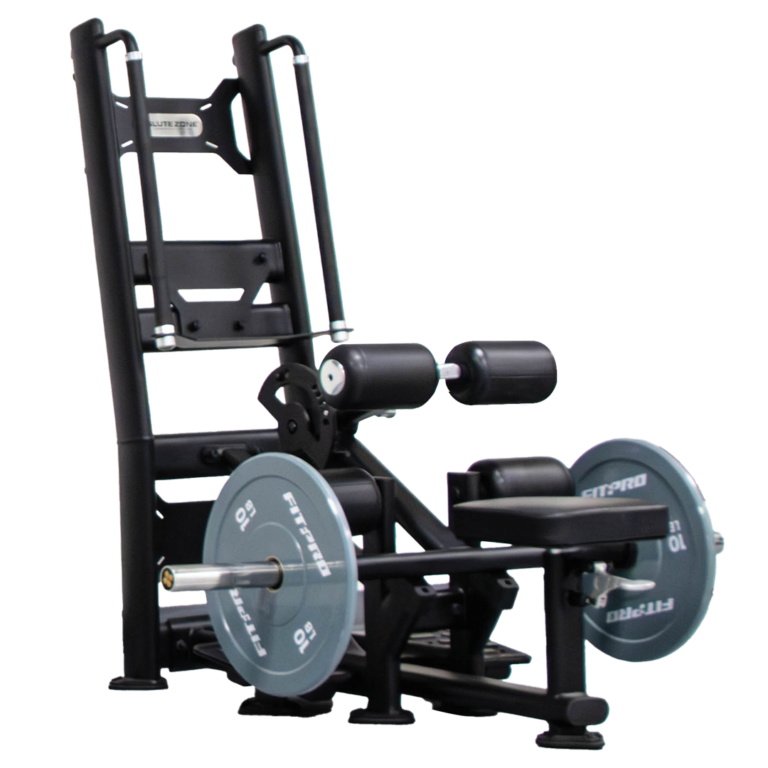
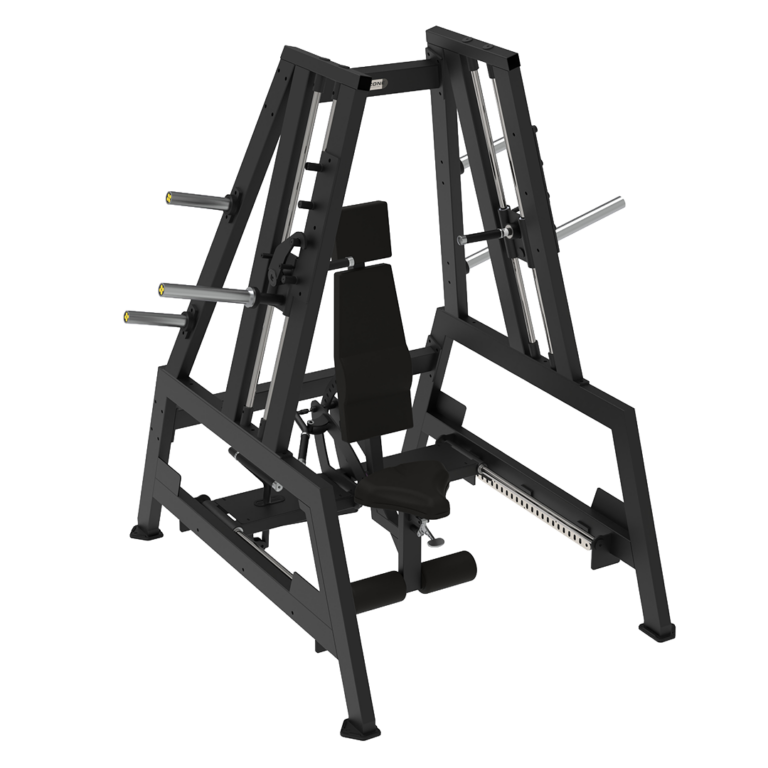
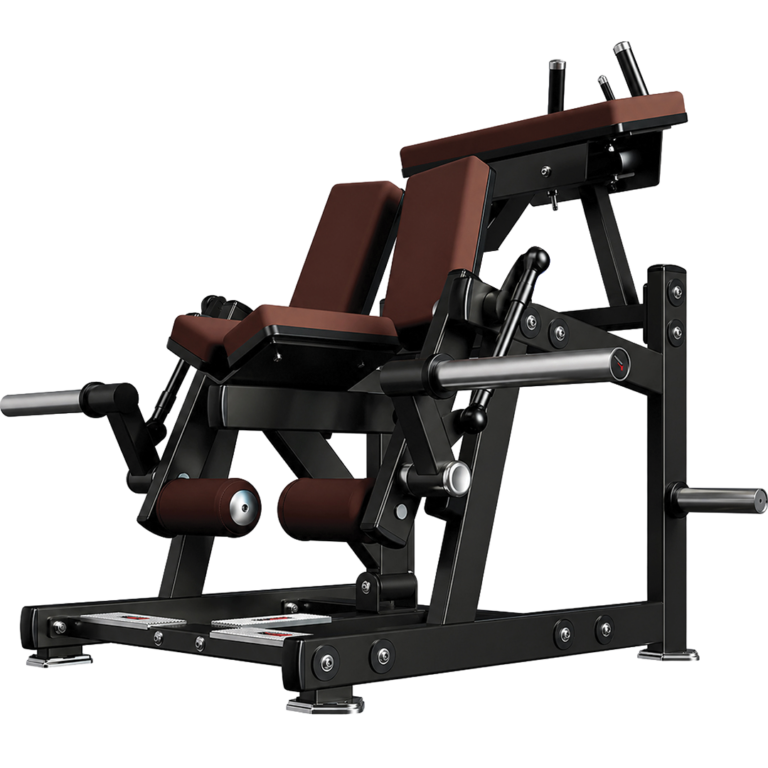
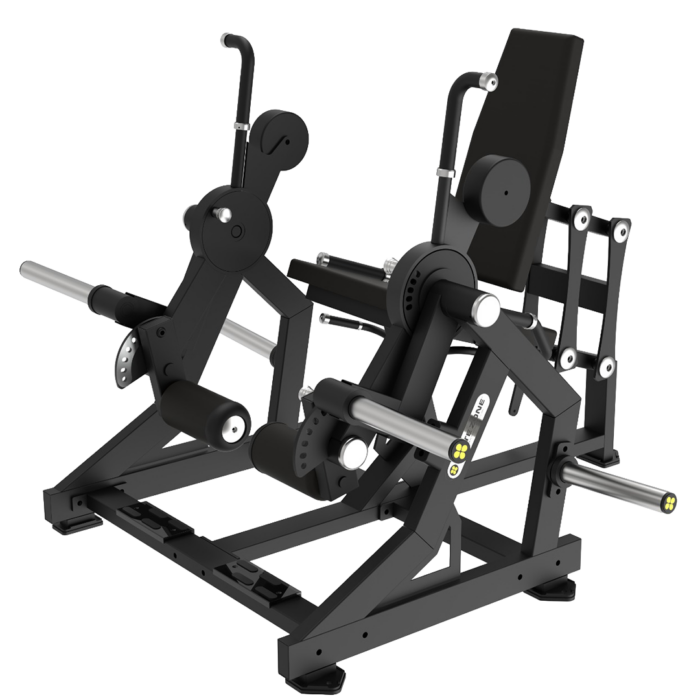
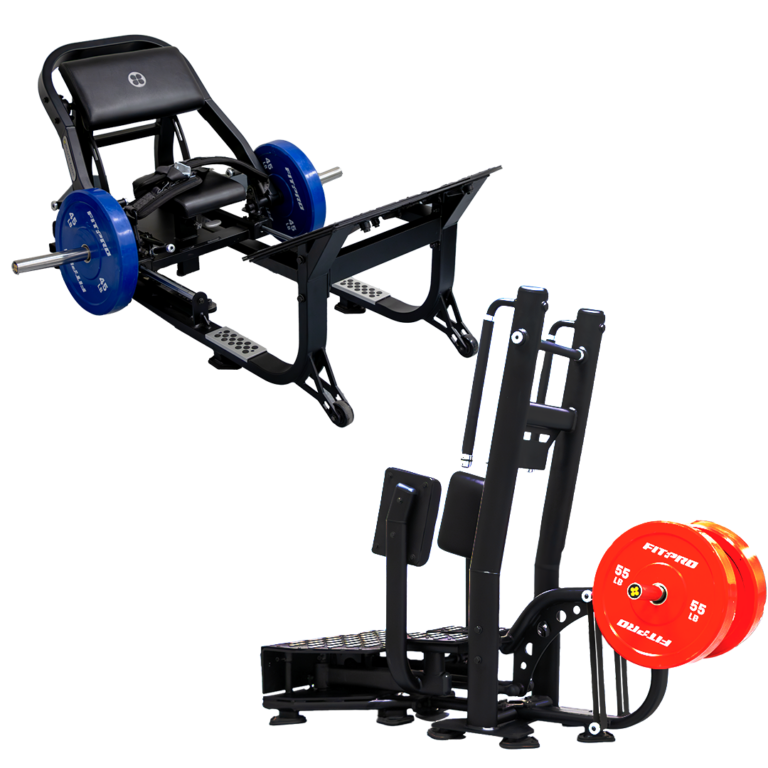
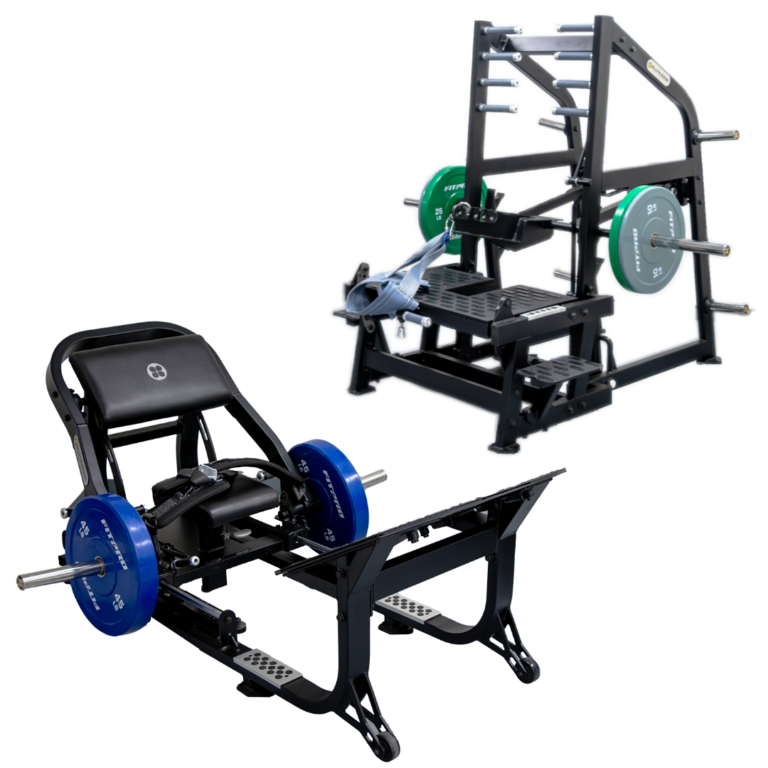
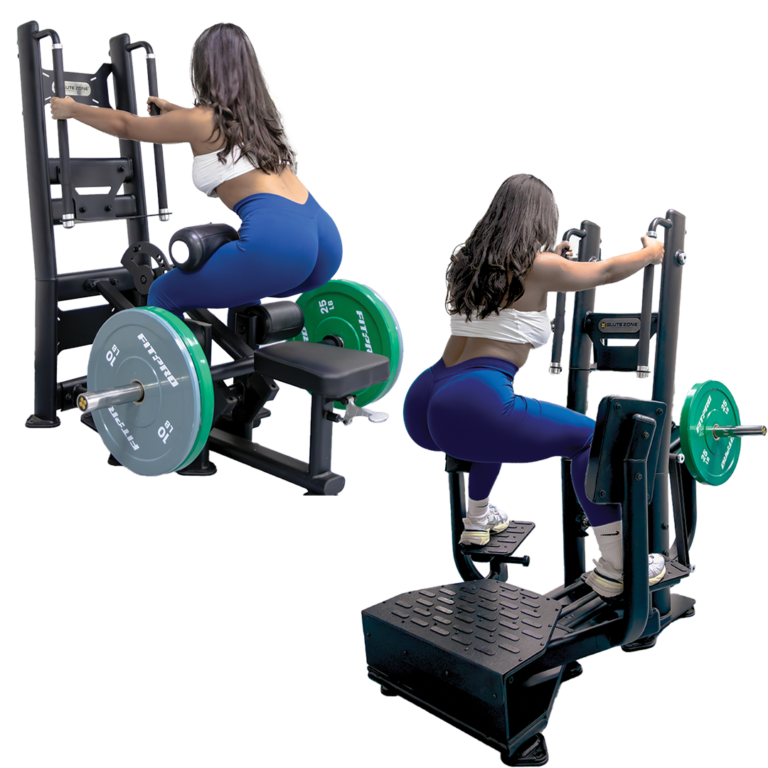
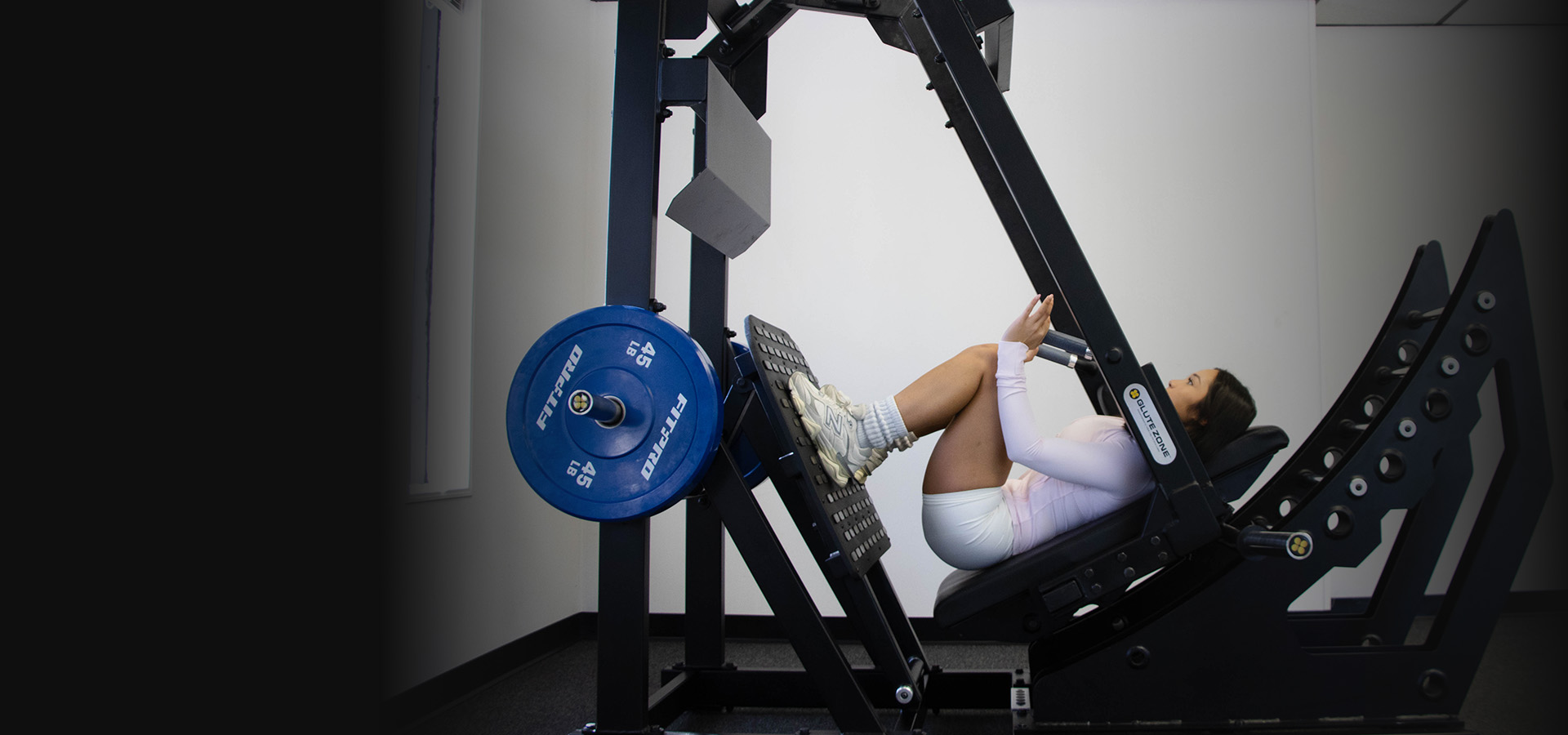
The pendulum squat loads you through the shoulders and back pad. The weight travels on a dual arm guided arc, so the machine handles balance while you drive through the footplate. On the GluteZone Pendulum Squat, that arc comes with a multi position, angle adjustable footplate, a wide backrest with lumbar support, and a low entry step, which is why beginners, athletes, and rehab clients can all use the same station.
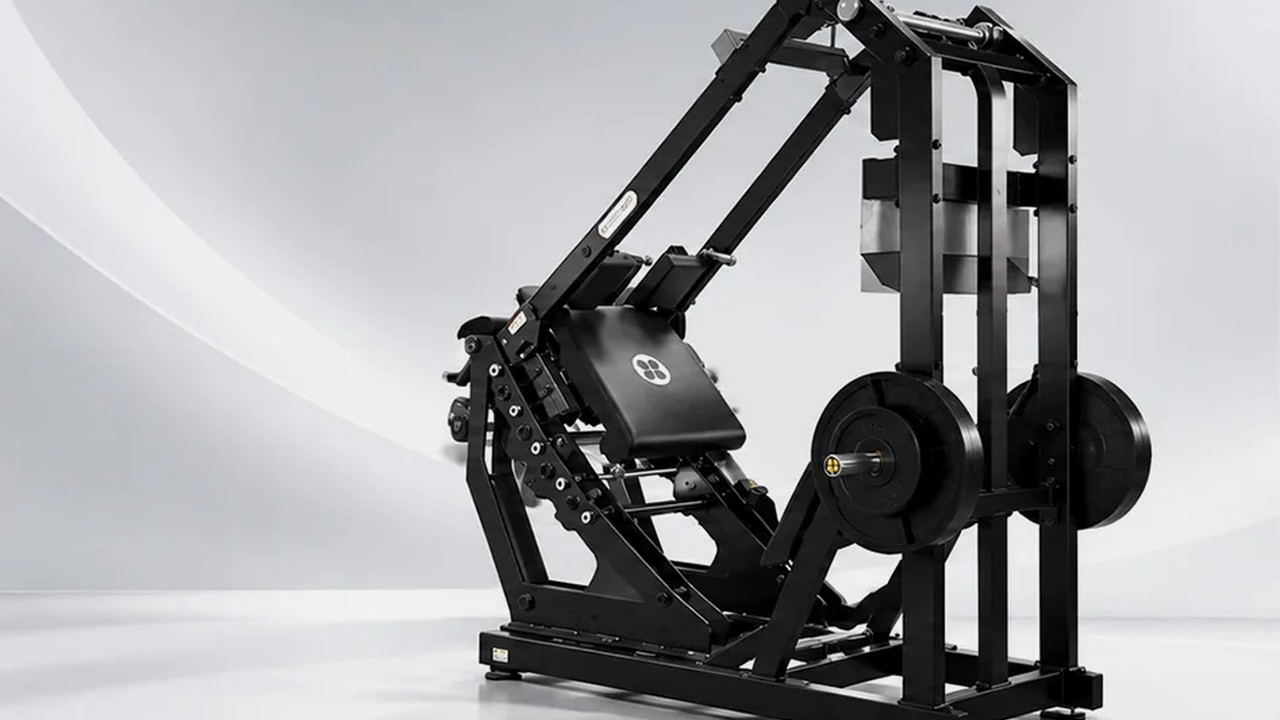
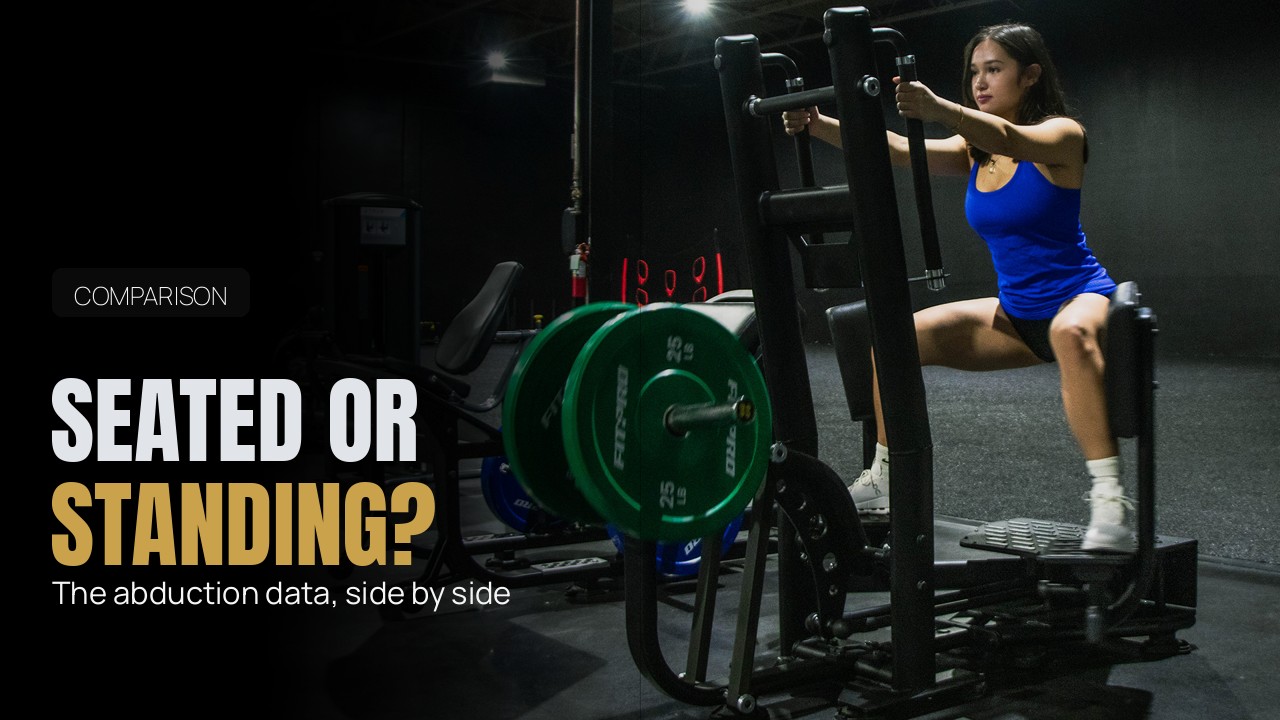
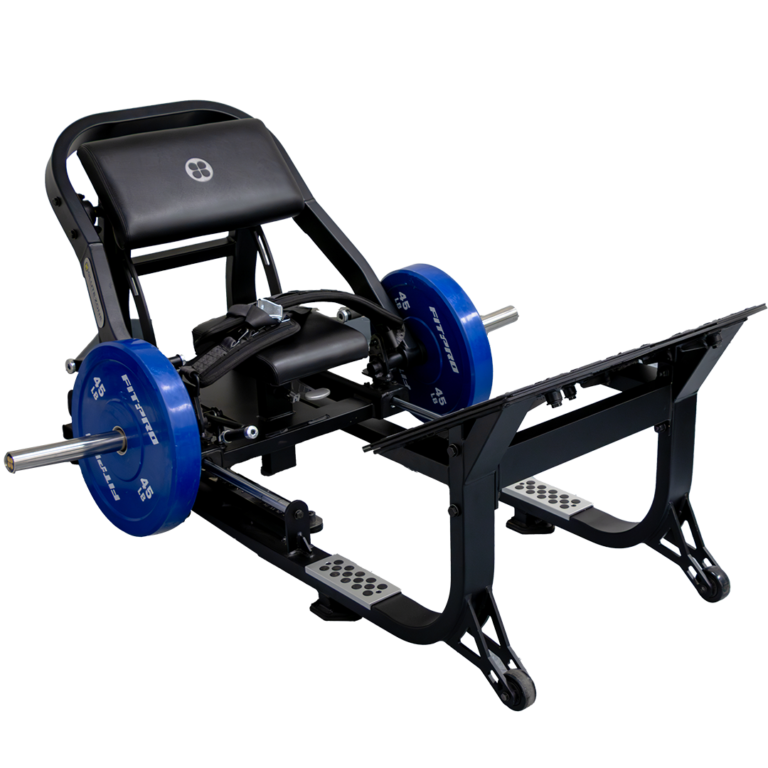
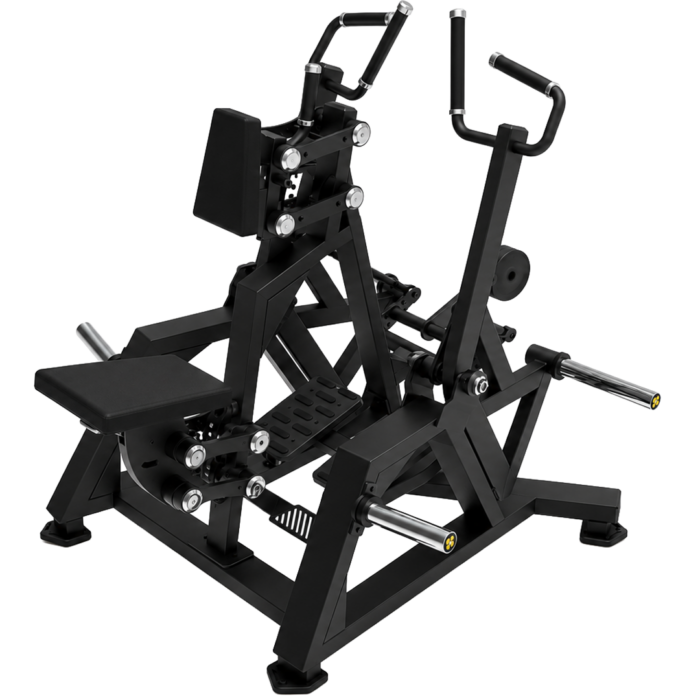
The belt squat removes the shoulders from the job completely. The load hangs from a belt at your hips, close to your center of gravity, and your trunk stays upright. The GluteZone Professional Belt Squat Machine adds a raised platform for extra range of motion, an adjustable tilt foot plate, four pairs of handles for users of different heights, and anchor holes for floor mounting. It also supports lunges and calf raises beyond the basic squat.
52.0%
Lower peak lumbar erector activation, belt squat vs back squat
6.7%
Gluteus maximus volume gain from full depth squat training in 10 weeks
0.88
Effect size for full range of motion on lower limb hypertrophy
16
Studies in the full vs partial range of motion meta analysis
Spinal Load: The Belt Squat Wins, and It Is Not Close
This is the clearest data point in the whole comparison. In a study of 10 trained lifters performing sets of 5 reps with 100 percent of bodyweight, belt squatting cut lumbar erector impulse by 45.4 percent and peak lumbar erector activation by 52.0 percent compared with the back squat. Trunk stabilizer demand fell across the board, while quadriceps, hamstring, and calf demands stayed similar. The load simply never travels through the spine.
The pendulum squat also reduces spinal stress compared with a barbell, because the back pad supports the torso and the guided path removes the forward lean that turns a tired squat into a good morning. But the load still enters through the upper back. For a member with a history of back pain, or a lifter whose lower back is already fried from deadlifts, the belt squat is the safer heavy option. For everyone else, both machines are far kinder to the spine than a barbell.

Depth and Range of Motion: The Pendulum Squat Wins
Depth is where glutes get built in a squat pattern. In the Kubo 2019 trial, 17 men trained squats twice a week for 10 weeks. The full depth group grew gluteus maximus volume by 6.7 percent and adductors by 6.2 percent, against 2.2 percent and 2.7 percent for the half squat group, while knee extensor growth was similar in both groups. A 2021 meta analysis of 16 studies reached the same conclusion at scale: full range of motion training produced greater lower limb hypertrophy (effect size 0.88) and greater strength gains (effect size 0.56) than partial range work.
The pendulum machine is built to make that depth automatic. The guided arc, the supported back, and the adjustable footplate let almost any member sit deep with confidence, rep after rep, without a coach standing next to them. The belt squat can also go deep, especially on a raised platform like the GluteZone model, but depth there depends more on the lifter's own mobility, stance, and confidence. In a busy commercial gym, the machine that guarantees depth for the average member usually produces more results per square foot.
Glutes vs Quads: Read the Activation Data Carefully
Here is the part most comparison articles get wrong. The same belt squat study that showed the huge spinal savings also found lower glute activation than the back squat: gluteus maximus impulse fell 35.2 percent and gluteus medius impulse fell 54.1 percent. A second study with 31 participants found the same direction, with gluteus maximus activation lower in the belt squat than in the back squat on both sides. The belt squat is a quad and leg strength tool first. It trains glutes, but it does not beat a hip extension movement for glute activation, and it was never designed to.
The pendulum squat, with its deep knee and hip flexion and a footplate you can set higher and wider for a glute focused stance, gives the glutes a stronger stretch position than the belt squat for most lifters. Even so, the honest programming answer for a glute focused gym is the same one we give every buyer: pair either squat pattern with a dedicated hip extension machine like the Hip Thrust Machine. Squats build the legs and the deep position. Hip thrusts finish the glutes.

Coaching, Confidence, and Who Each Machine Suits
Choose the pendulum squat if: your members train unsupervised, your coaches want one leg station that works for beginners and advanced lifters, and your brand is built around glute and leg development. The guided path shortens the learning curve to almost zero, and the deep position is the product.
Choose the belt squat if: you serve lifters with back limitations, athletes who need heavy leg volume without spinal fatigue, or experienced members who want a free pattern with stance freedom. It is also the more versatile station, covering squats, lunges, calf raises, and marches in one footprint.
For a serious home gym: the pendulum is the guided, repeatable choice if you train alone and want depth without a spotter. The belt squat suits the experienced home lifter who wants heavy loading with zero spinal compression and room to experiment with stances.

Price, Footprint, and the Verified Specs
Verified on glutezone.com today: the GluteZone Pendulum Squat is $3,999, commercial grade, with a dual arm guided system, a multi position angle adjustable footplate, a wide backrest with lumbar support, and a low entry step. The GluteZone Professional Belt Squat Machine is $3,799, commercial grade and plate loaded, with a raised platform, an adjustable tilt foot plate, four pairs of handles, anchor holes, and dimensions of 5 ft 10 in long, 6 ft 4 in wide, and 5 ft 4 in high. The $200 gap is small enough that the decision should be made on your members and your programming, not on price.
The Verdict
If you can only buy one and your gym sells glute training, buy the pendulum squat first. It delivers the depth the research rewards, it coaches itself, and it pairs perfectly with a hip thrust station. If your population is older, rehab adjacent, or full of strong lifters managing their backs, buy the belt squat first. It is the lowest spinal load way to train legs heavy, full stop. The best equipped glute zones eventually run both, because they solve different problems.
Frequently Asked Questions
Is the belt squat better for your back than the pendulum squat?
For spinal load, yes. Belt squatting loads the hips directly and cut peak lumbar erector activation by 52.0 percent versus the back squat in the study cited above. The pendulum squat still reduces back stress versus a barbell thanks to its supported, guided path, but the load enters through the upper back.
Which machine builds bigger glutes?
Between the two, the pendulum squat has the edge for most lifters because it makes deep hip and knee flexion easy and repeatable, and full depth squat training grew gluteus maximus by 6.7 percent in 10 weeks in the Kubo trial. For maximum glute growth, pair either machine with a dedicated hip thrust machine.
Can beginners use a pendulum squat or a belt squat?
Yes to both. The pendulum squat is the easier first session because the machine guides the path and supports the back. The belt squat needs one short lesson on belt position and stance, then it is simple and very safe to fail on.
What does each GluteZone machine cost?
The Pendulum Squat is $3,999 and the Professional Belt Squat Machine is $3,799, verified on their official product pages on October 29, 2026. Both are commercial grade and plate loaded.
Build the Leg Zone Your Members Talk About
Talk to our team about the Pendulum Squat, the Belt Squat, or a complete glute zone layout for your gym or home. Financing is available through Affirm, so you can put the equipment on your floor now and pay over time.
Sources
- Joseph, L. et al. (2020). Activity of Trunk and Lower Extremity Musculature: Comparison Between Parallel Back Squats and Belt Squats. Journal of Human Kinetics. Belt squat lumbar erector impulse 45.4 percent lower and peak 52.0 percent lower than back squat; gluteus maximus impulse 35.2 percent lower; 10 participants, sets of 5 at 100 percent bodyweight. PubMed 32269663.
- Evans, T.W. et al. (2019). Comparison of Muscle Activation Between Back Squats and Belt Squats. Journal of Strength and Conditioning Research, 33, S52 to S59. 31 participants; gluteus maximus activation lower in belt squat than back squat on both sides.
- Kubo, K. et al. (2019). Effects of squat training with different depths on lower limb muscle volumes. European Journal of Applied Physiology, 119, 1933 to 1942. 17 men, 10 weeks; full squat gluteus maximus +6.7 percent vs half squat +2.2 percent; adductors +6.2 percent vs +2.7 percent.
- Pallares, J.G. et al. (2021). Effects of range of motion on resistance training adaptations: a systematic review and meta analysis. Scandinavian Journal of Medicine and Science in Sports. 16 studies; full range of motion lower limb hypertrophy effect size 0.88, strength effect size 0.56.
- GluteZone Pendulum Squat product page, glutezone.com, verified October 29, 2026: $3,999, dual arm guided system, multi position angle adjustable footplate, wide backrest with lumbar support, low entry step.
- GluteZone Professional Belt Squat Machine product page, glutezone.com, verified October 29, 2026: $3,799, raised platform, adjustable tilt foot plate, four pairs of handles, anchor holes, 5 ft 10 in by 6 ft 4 in by 5 ft 4 in.