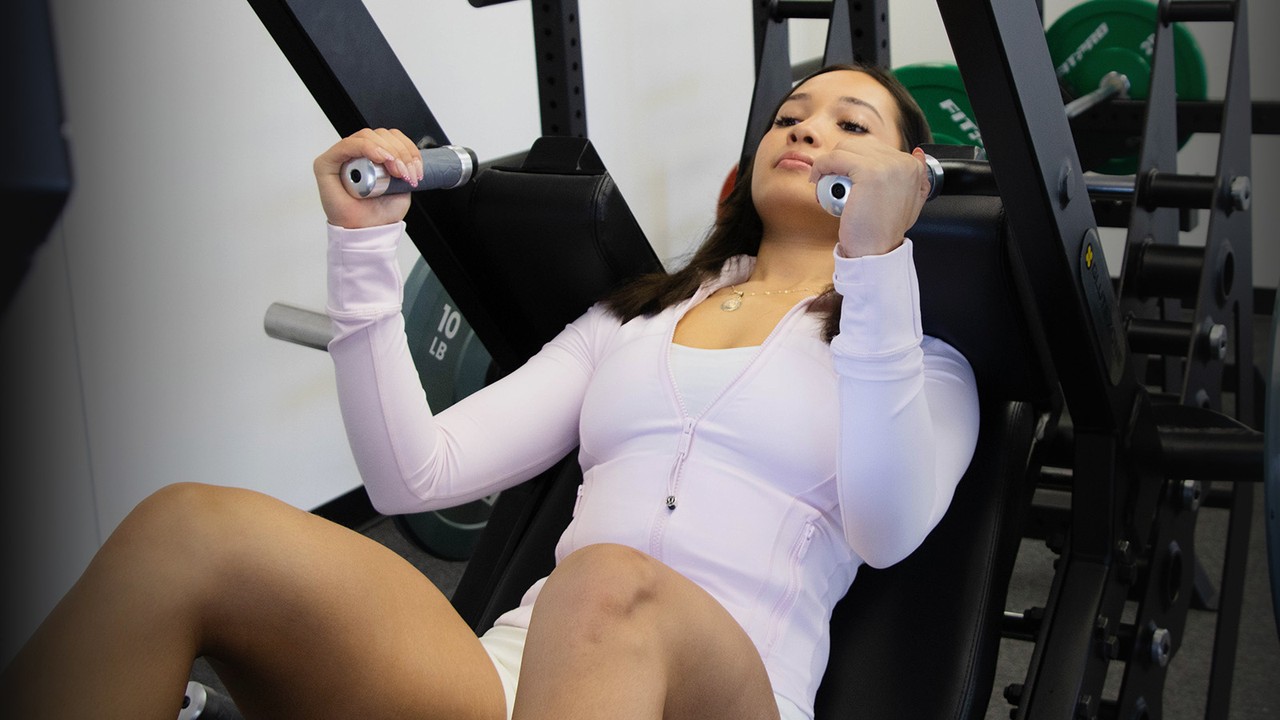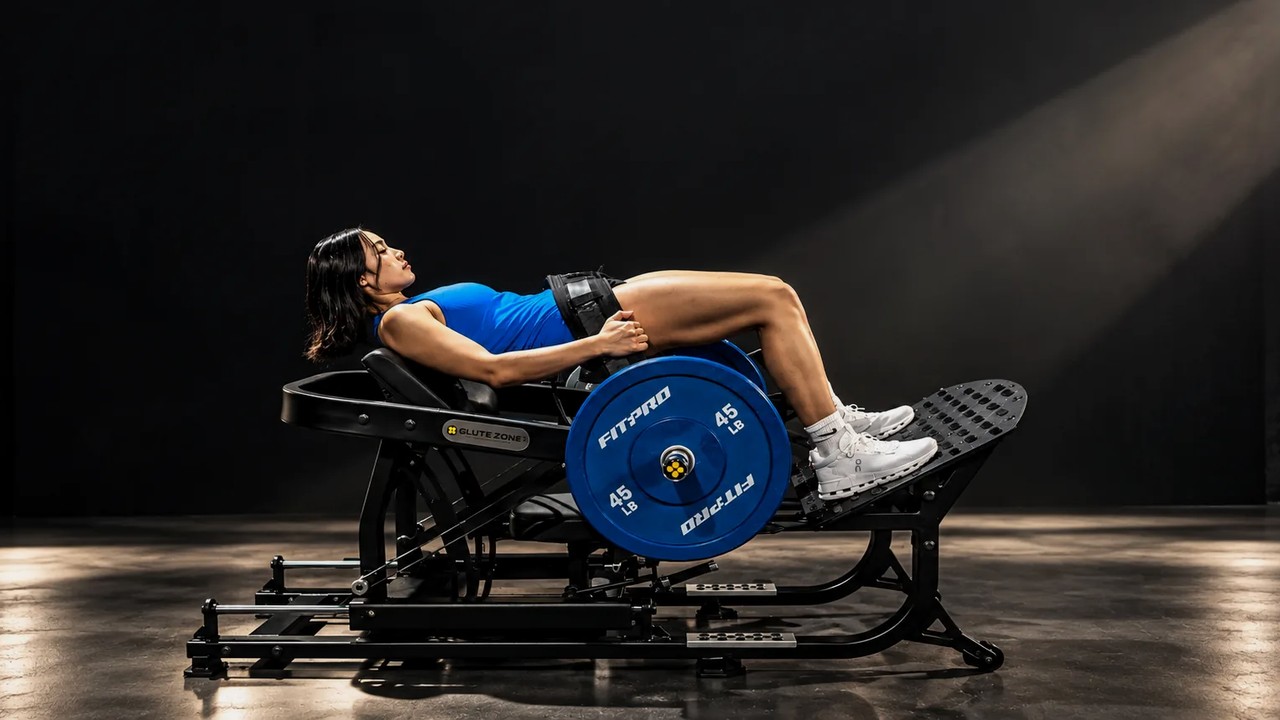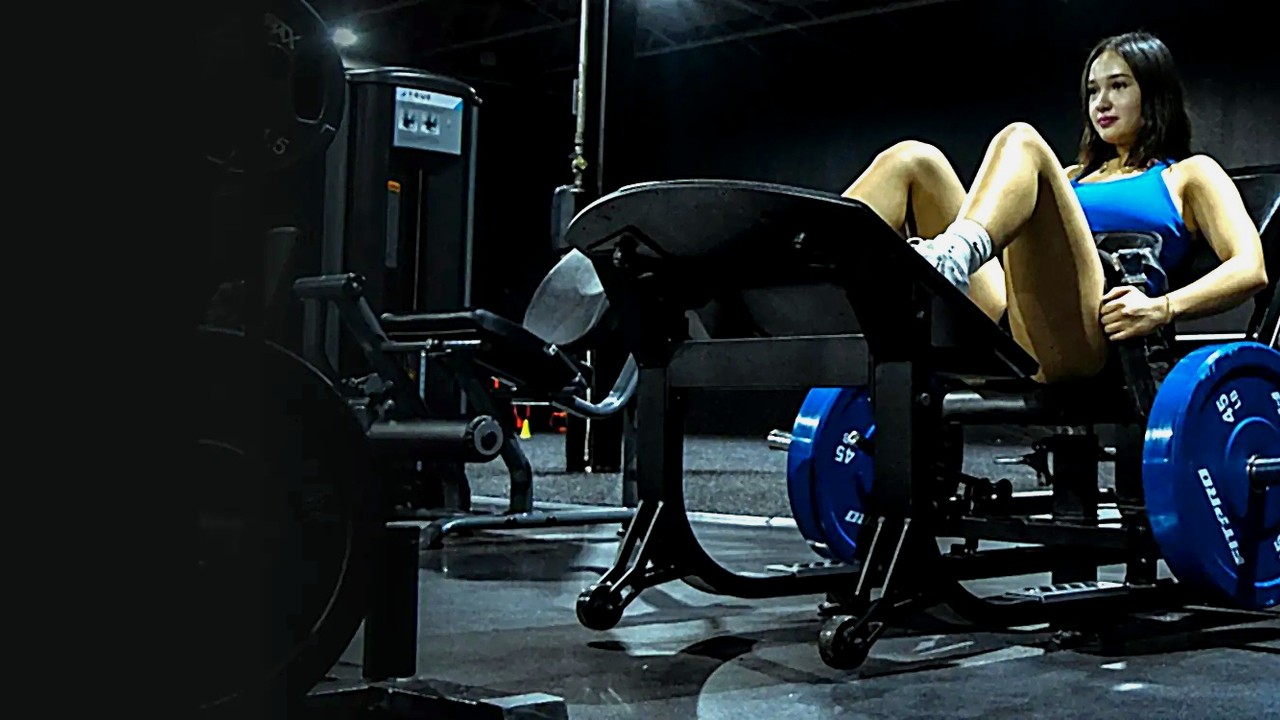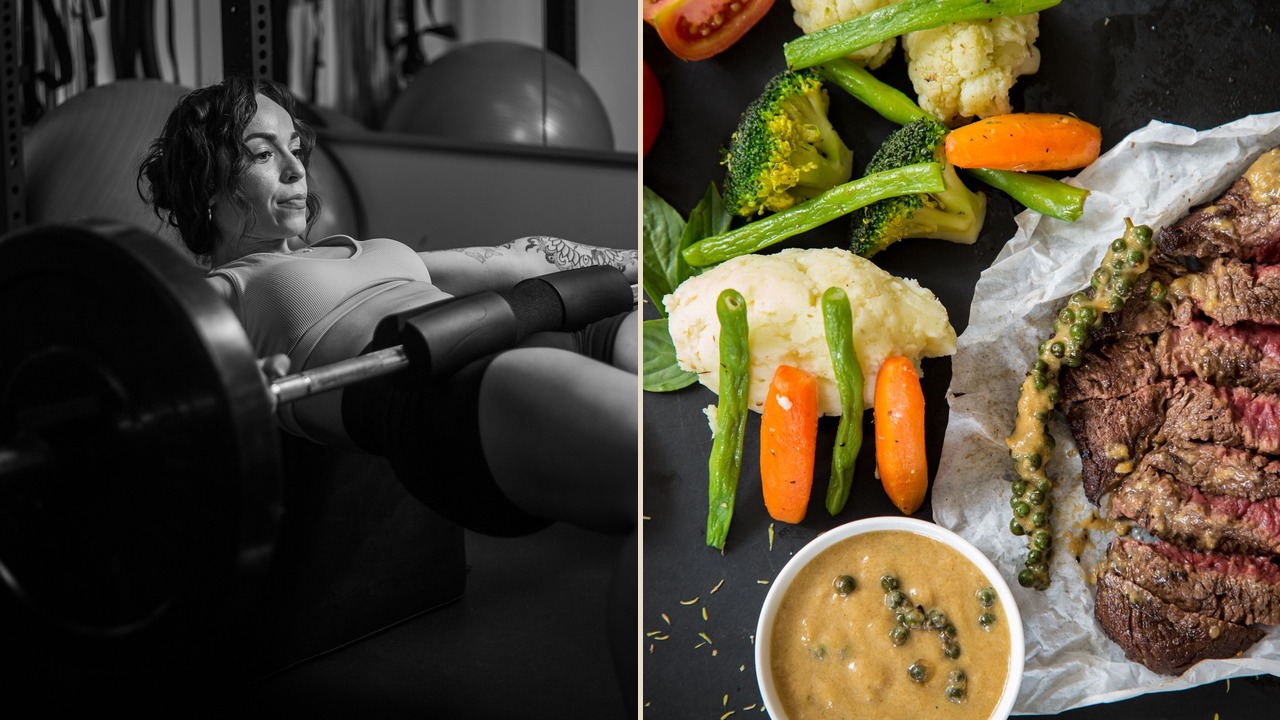







Your members train their glutes hard. They load the hip thrust machine, chase depth on the pendulum squat, and log every set. Then they walk out of your gym and guess their way through the two meals that decide whether that work turns into muscle: the one before training and the one after it.
The good news is that the science here is calmer than the supplement industry makes it sound. There is no 30 minute panic window. There is a daily protein target, a sensible meal rhythm around training, enough carbohydrate to fuel hard lower body work, and one underrated meal right before sleep. This guide breaks down what to eat before and after a glute workout, what the studies actually say, and how gym owners can turn that clarity into better coaching.
1.6 g/kg
Daily protein where muscle gains plateau in the Morton 2018 analysis
23
Studies in the 2013 protein timing meta-analysis by Schoenfeld and colleagues
22%
Higher overnight muscle protein synthesis with protein before sleep (Res 2012)
24 to 40%
Type II fiber glycogen a hard resistance session over 45 minutes can use
The 30 Minute Window Is Mostly a Myth
Start with the claim your members have heard a hundred times: drink a shake within 30 minutes of your last rep or the workout is wasted. In 2013, Schoenfeld, Aragon and Krieger published a meta-analysis of 23 studies on protein timing and muscle growth. Once the analysis accounted for how much protein people ate across the whole day, the apparent benefit of precise timing around the workout largely disappeared. Total daily protein was the variable doing the heavy lifting.
Aragon and Schoenfeld made the same point in their review of the post exercise anabolic window: the window is real, but it is wide. If you ate a normal protein containing meal a few hours before training, amino acids from that meal are still available while you train and after you finish. Their practical guidance is that the meals bracketing your workout should sit roughly 3 to 4 hours apart for a typical session, or 5 to 6 hours if those meals are large and mixed. Miss your shake by 20 minutes and nothing is lost. Skip eating for most of the day and the workout suffers, not because of a stopwatch, but because the daily total never arrives.
There is one exception worth teaching. Members who train first thing in the morning on an empty stomach have no recent meal covering them. For fasted training, eating protein reasonably soon after the session matters more. Everyone else can relax and focus on the totals.
What to Eat Before a Glute Workout
A glute session is heavy work. Hip thrusts, pendulum squats and Romanian deadlifts ask for high force from the largest muscles in the body, and that force runs on glycogen, the stored form of carbohydrate in muscle. Research on resistance exercise shows that sessions longer than about 45 minutes can draw down type II fiber glycogen by roughly 24 to 40 percent. Arriving under fueled means the last sets, the ones that drive growth, get weaker.
The pre workout meal has two jobs: top up glycogen and put amino acids in the bloodstream before the first set. Keep it simple:
- 1 to 3 hours before: a normal meal with protein and carbohydrate. Chicken and rice, eggs and toast, or Greek yogurt with oats and fruit all work. The International Society of Sports Nutrition (ISSN) nutrient timing position stand supports protein doses of 20 to 40 g around training as part of the daily pattern.
- 30 to 60 minutes before: if the last meal was hours ago, use a small, easy to digest snack instead of a full meal. A banana with a small shake, or yogurt with berries, sits better than a heavy plate right before heavy thrusts.
- Keep fat and fiber moderate close to training. Both slow digestion. Save the big high fiber meal for later in the day.
For home gym lifters training in a garage before work, this is the difference between a session that fades at set three and one that holds load across every exercise. Fuel is part of the program, not an afterthought.
What to Eat After: Protein First, Carbs Close Behind
After training, the priorities are clear and unglamorous. First, get a solid protein dose in the next normal meal. Second, replace the carbohydrate the session burned so the next session starts full. The ISSN position stand on nutrient timing recommends 20 to 40 g of high quality protein per dose, which for most lifters means a palm and a half of meat, a large Greek yogurt, or a shake plus a real meal soon after.
Carbohydrate after training is about readiness, not magic. A single glute session does not empty glycogen the way a marathon does, and for members training each muscle group once or twice a week, normal meals across the day refill stores in time. Carbs right after training matter most when the schedule is dense: two a day sessions, a glute day followed by a hard leg day, or tournament and camp blocks. In those cases, eating carbohydrate in the first hours after training speeds glycogen rebuilding while the muscle is most receptive.
What does a good post workout plate look like? Protein in the 20 to 40 g range, a clear carbohydrate source such as rice, potatoes or pasta, vegetables for volume and micronutrients, and fluid. Water first. Most members do not need a specialty recovery drink to cover a one hour session.
Spread Protein Across the Day, Not Just Around the Workout
If timing around the workout is overrated, timing across the day is underrated. In a controlled feeding study, Mamerow and colleagues found that distributing protein evenly across breakfast, lunch and dinner produced about 25 percent greater 24 hour muscle protein synthesis than loading most of the day's protein into the evening meal, even at the same daily total.
Schoenfeld and Aragon translated this into a per meal target in their review of protein distribution: about 0.4 g of protein per kilogram of body weight per meal, across at least four meals, to cover the daily goal. The ISSN lands in the same place, recommending 20 to 40 g doses every 3 to 4 hours. For an 82 kg lifter, that is roughly 33 g per meal, four times a day, which adds up to the 1.6 g/kg daily level where Morton and colleagues, analyzing 49 studies with 1,863 participants, found muscle gains stopped rising with more protein.
This is the coaching upgrade hiding in plain sight. Most members do not have a post workout problem. They have a breakfast problem, eating almost no protein until dinner and then wondering why the daily total never lands.
The Meal Nobody Counts: Protein Before Sleep
The most interesting timing finding of the last decade happens overnight. In a 2012 study by Res and colleagues, 16 healthy young men performed resistance exercise in the evening and received normal recovery nutrition after training. Thirty minutes before sleep, half drank 40 g of casein protein and half received a placebo. During the night, muscle protein synthesis rates were about 22 percent higher in the protein group, and whole body protein balance stayed positive instead of negative.
The ISSN nutrient timing stand reflects this directly: consuming roughly 30 to 40 g of casein before sleep can acutely raise muscle protein synthesis and metabolic rate through the night. Slow digesting foods fit the same role for members who prefer real food: cottage cheese, Greek yogurt, or a casein based shake. For evening trainers, this turns sleep from dead time into a second recovery shift, which pairs well with what we know about sleep itself driving growth.

A Sample Glute Day, Meal by Meal
Here is how the research looks on an actual training day for a lifter of about 82 kg targeting roughly 130 g of protein:
- Breakfast: eggs, toast and fruit, about 30 g protein. This fixes the most common gap in the day.
- Pre workout meal, 2 hours before: chicken, rice and vegetables, about 35 g protein plus the carbohydrate that fuels the session.
- Training: hip thrusts, pendulum squats and accessories. Water during the session.
- Post workout meal, within about 2 hours: salmon or lean beef with potatoes and vegetables, about 35 g protein.
- Before sleep: cottage cheese or a casein shake, 30 to 40 g protein.
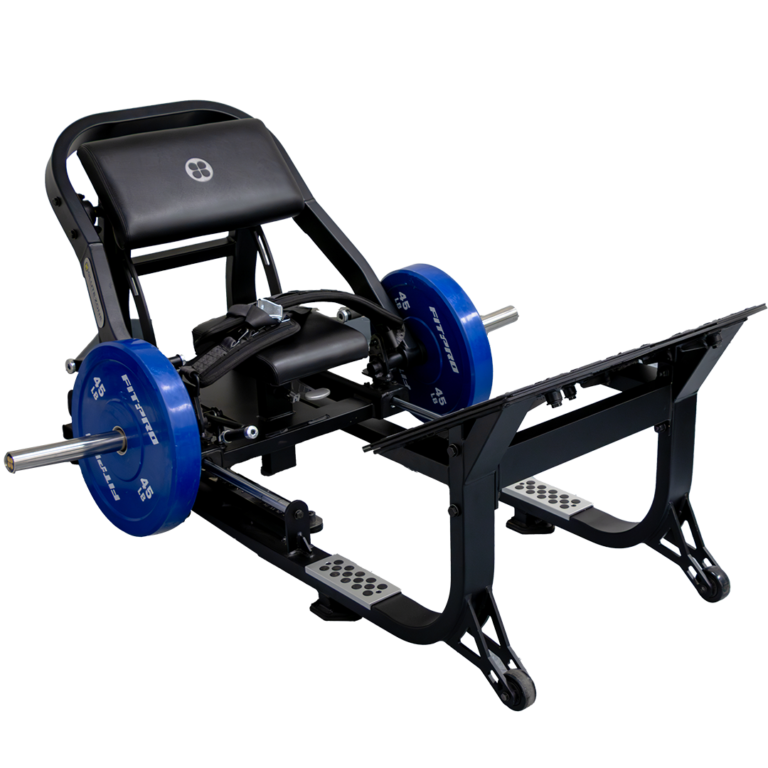
No exotic ingredients, no stopwatch, and every number traces back to the studies above. Members training at home can run the same template with a smaller kitchen window, which is one reason a well set up home glute station, anchored by a commercial grade hip thrust machine, pairs so well with a simple meal rhythm: train, eat, sleep, repeat.

What Gym Owners Can Do With This
Nutrition guidance is a retention tool. Members who eat enough to progress keep seeing change, and members who see change renew. Three low cost moves put this science to work on your floor:
- Teach the daily target, not the window. A single poster or onboarding card with the 1.6 g/kg target and the four meal rhythm ends more confusion than any supplement display.
- Program fuel into glute classes. When you schedule small group glute sessions, remind members in the booking message to eat a protein and carb meal 1 to 3 hours before. Attendance and effort both rise when people arrive fueled.
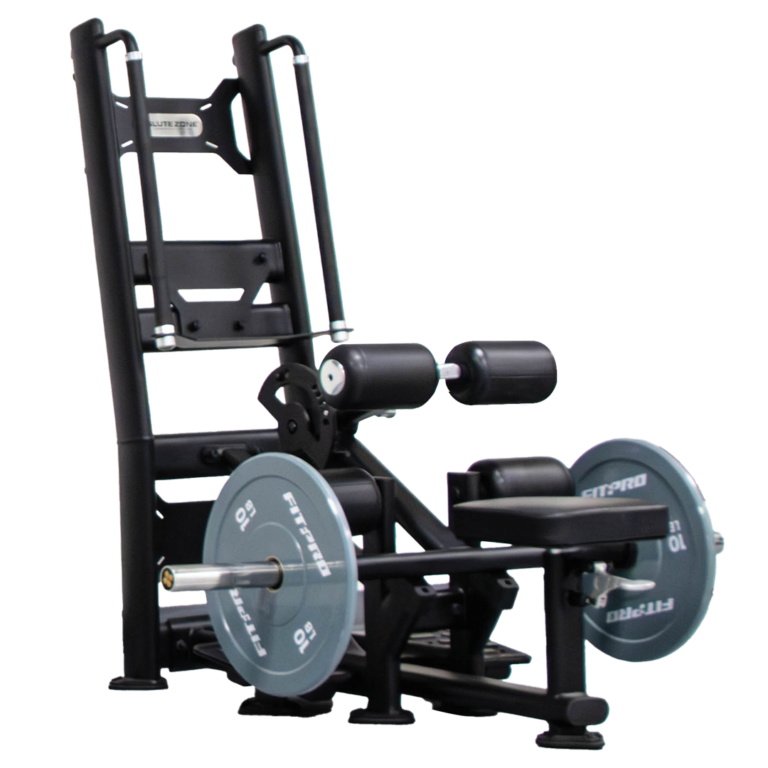
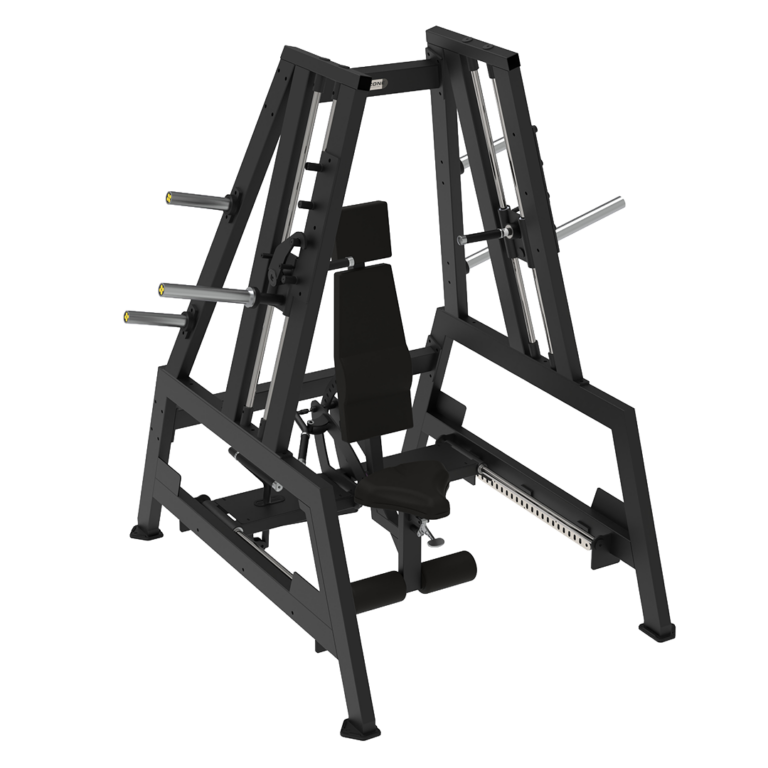
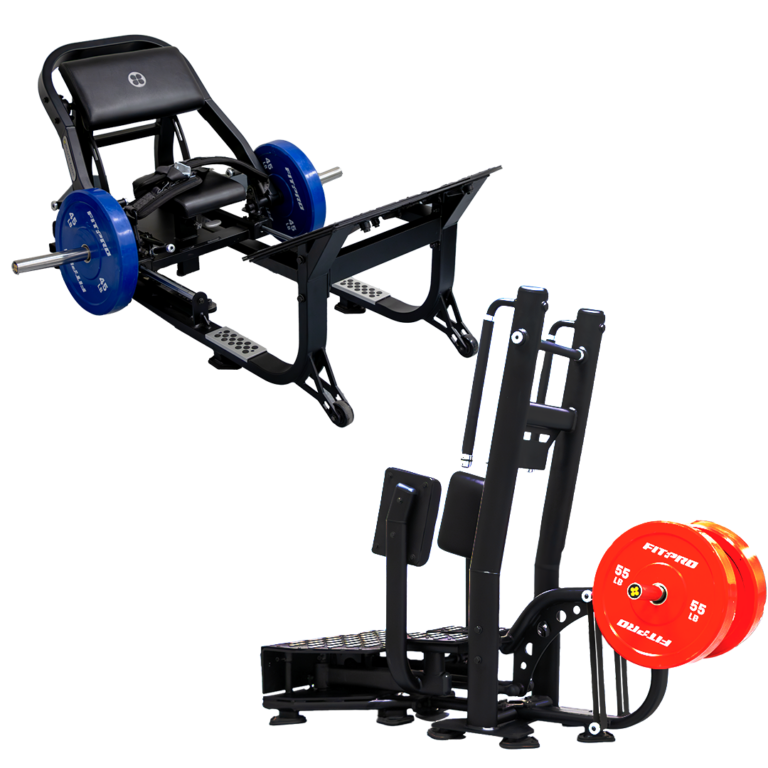
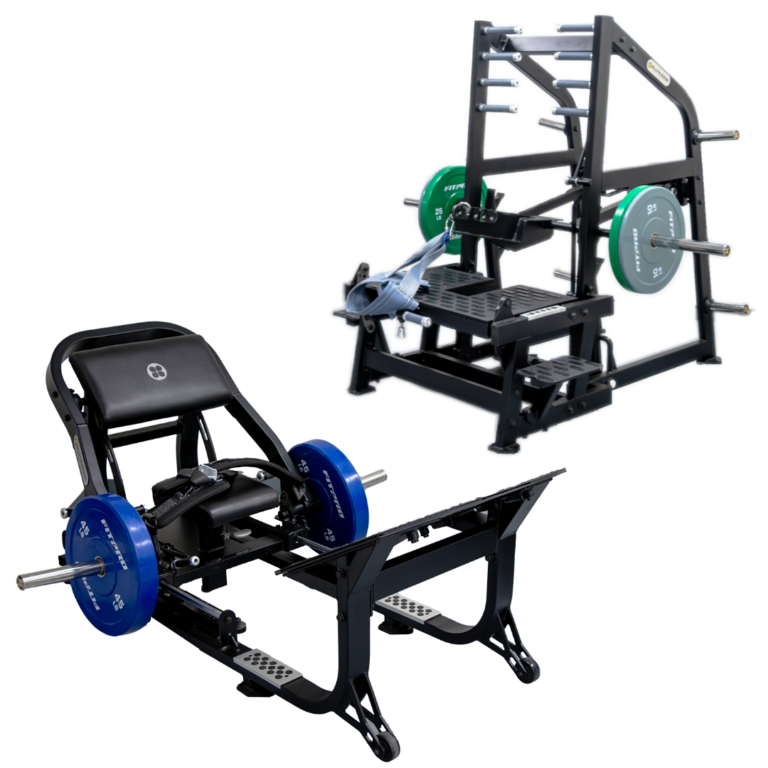
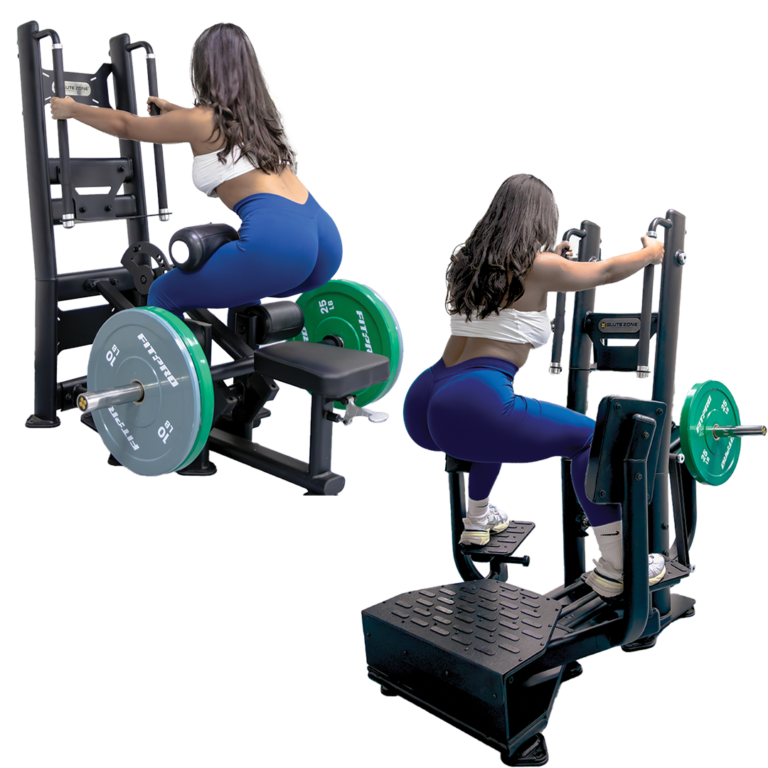
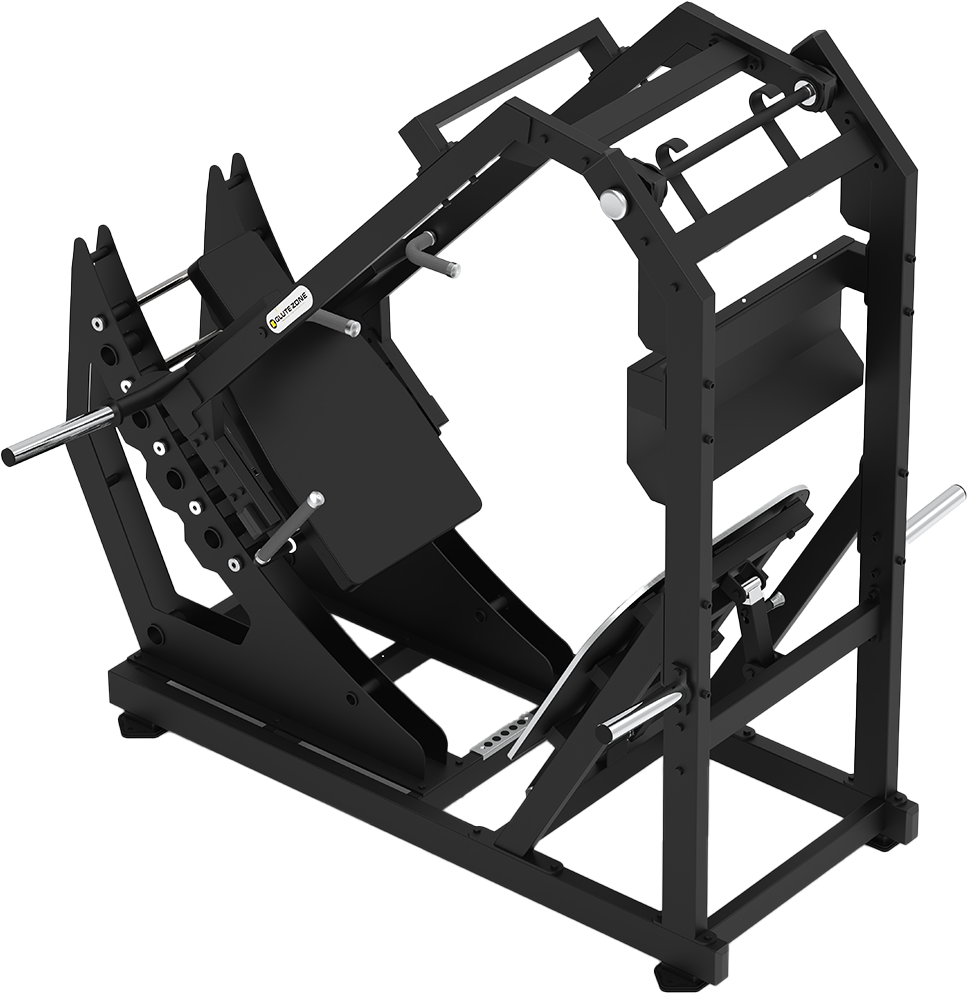
- Match the equipment to the ambition. Members eating to grow will push load. A dedicated glute zone built around a plate loaded hip thrust station and a pendulum squat gives that effort somewhere to go. Our hip thrust machine carries up to 550 lb on its plate horns, a 357 lb frame and a 16 point adjustable seat, and it is priced at $2,239. For the full picture of why fueling matters at different calorie levels, see our guide to the calorie surplus for glute growth.
Frequently Asked Questions
Do I really need a protein shake right after my workout?
No. The 2013 meta-analysis of 23 studies found that once daily protein intake was accounted for, precise timing around the workout added little. A shake is a convenient way to hit a 20 to 40 g dose, not a requirement. A normal meal within a few hours works.
What should I eat before a morning workout if I train fasted?
Fasted training is the one case where post workout timing matters more. Eat a protein rich meal reasonably soon after the session, in the 25 to 40 g range, with carbohydrate to start refilling glycogen.
How much protein do I need per meal for glute growth?
A practical target is about 0.4 g per kilogram of body weight per meal across at least four meals, per Schoenfeld and Aragon. Daily gains plateau near 1.6 g/kg in the Morton 2018 analysis of 49 studies.
Are carbs after training necessary if I only train glutes twice a week?
Normal meals across the day will refill glycogen in time at that frequency. Faster post workout carbohydrate matters most with dense schedules, such as two sessions in one day or back to back lower body days.
Does protein before bed really help?
In the Res 2012 trial, 40 g of casein before sleep raised overnight muscle protein synthesis by about 22 percent versus placebo. The ISSN recommends roughly 30 to 40 g of casein before sleep for the same effect.
Build the glute zone your members can actually grow in
Commercial grade hip thrust and pendulum squat machines, built for heavy daily use in gyms and serious home setups. Financing is available through Affirm, so you can spread the cost while the equipment earns its floor space.
Get a QuoteSources
- Schoenfeld BJ, Aragon AA, Krieger JW. The effect of protein timing on muscle strength and hypertrophy: a meta-analysis. Journal of the International Society of Sports Nutrition, 2013 (23 studies).
- Morton RW et al. A systematic review, meta-analysis and meta-regression of the effect of protein supplementation on resistance training-induced gains in muscle mass and strength. British Journal of Sports Medicine, 2018 (49 studies, 1,863 participants).
- Res PT et al. Protein ingestion before sleep improves postexercise overnight recovery. Medicine and Science in Sports and Exercise, 2012 (16 men, 40 g casein, overnight muscle protein synthesis about 22% higher).
- Kerksick CM et al. International Society of Sports Nutrition position stand: nutrient timing. Journal of the International Society of Sports Nutrition, 2017 (20 to 40 g protein every 3 to 4 hours; 30 to 40 g casein before sleep).
- Mamerow MM et al. Dietary protein distribution positively influences 24-h muscle protein synthesis in healthy adults. Journal of Nutrition, 2014 (even distribution about 25% greater than skewed).
- Aragon AA, Schoenfeld BJ. Nutrient timing revisited: is there a post-exercise anabolic window? Journal of the International Society of Sports Nutrition, 2013; and Schoenfeld BJ, Aragon AA. How much protein can the body use in a single meal for muscle-building? Journal of the International Society of Sports Nutrition, 2018 (0.4 g/kg per meal across at least 4 meals).