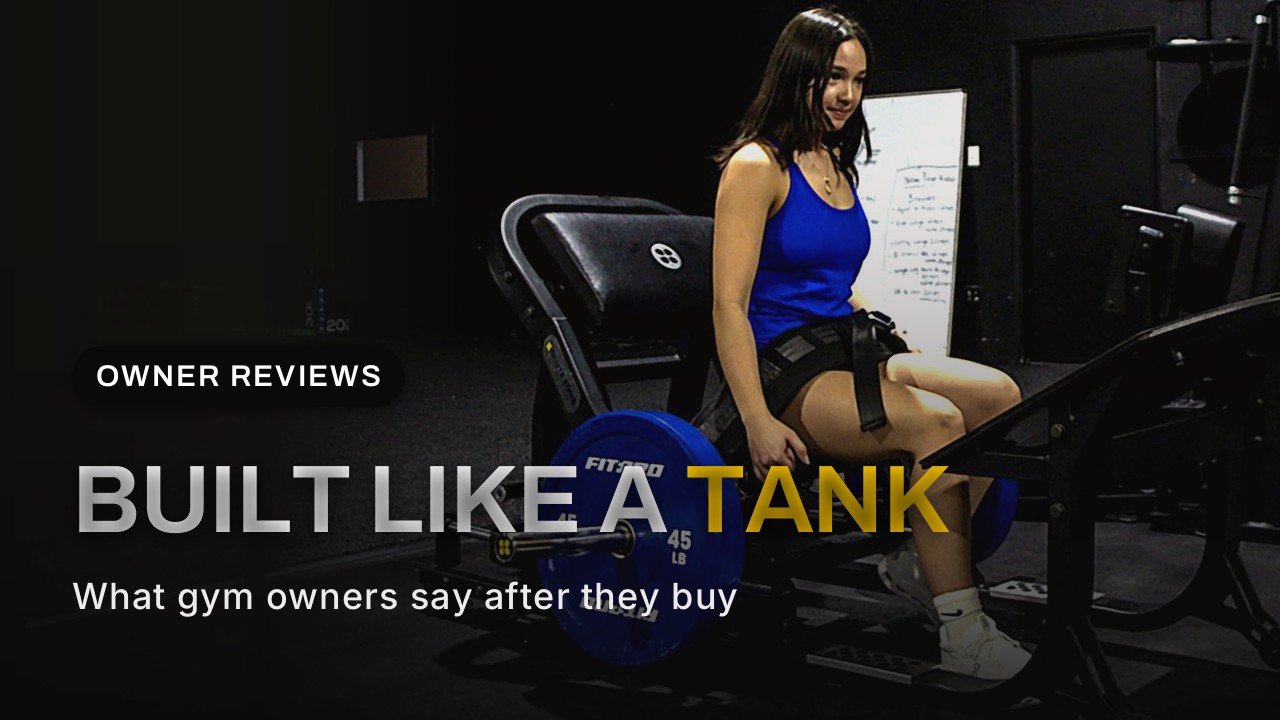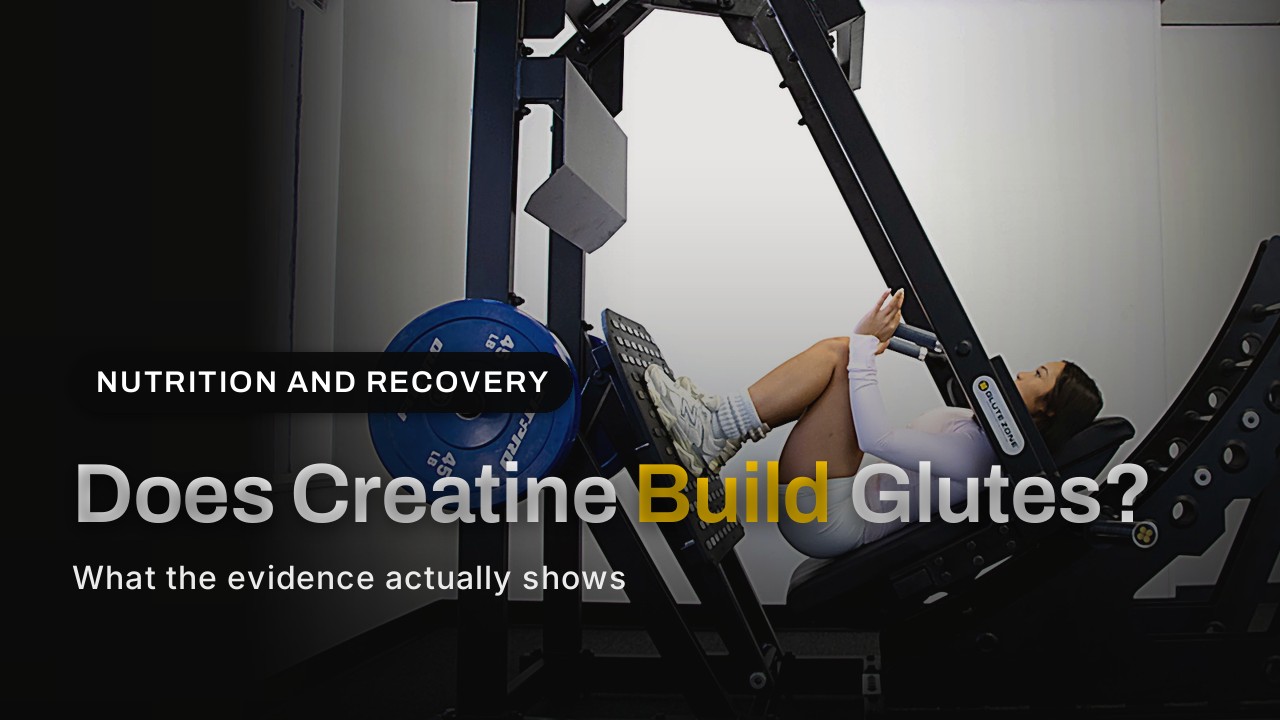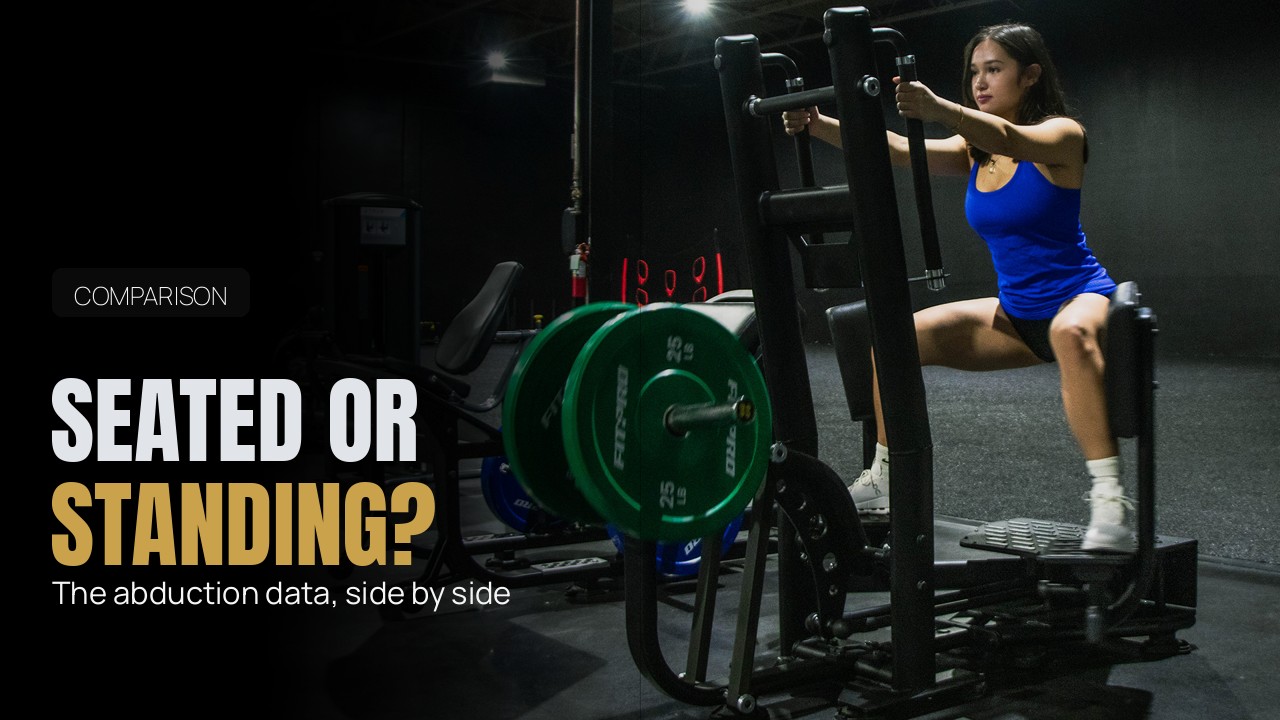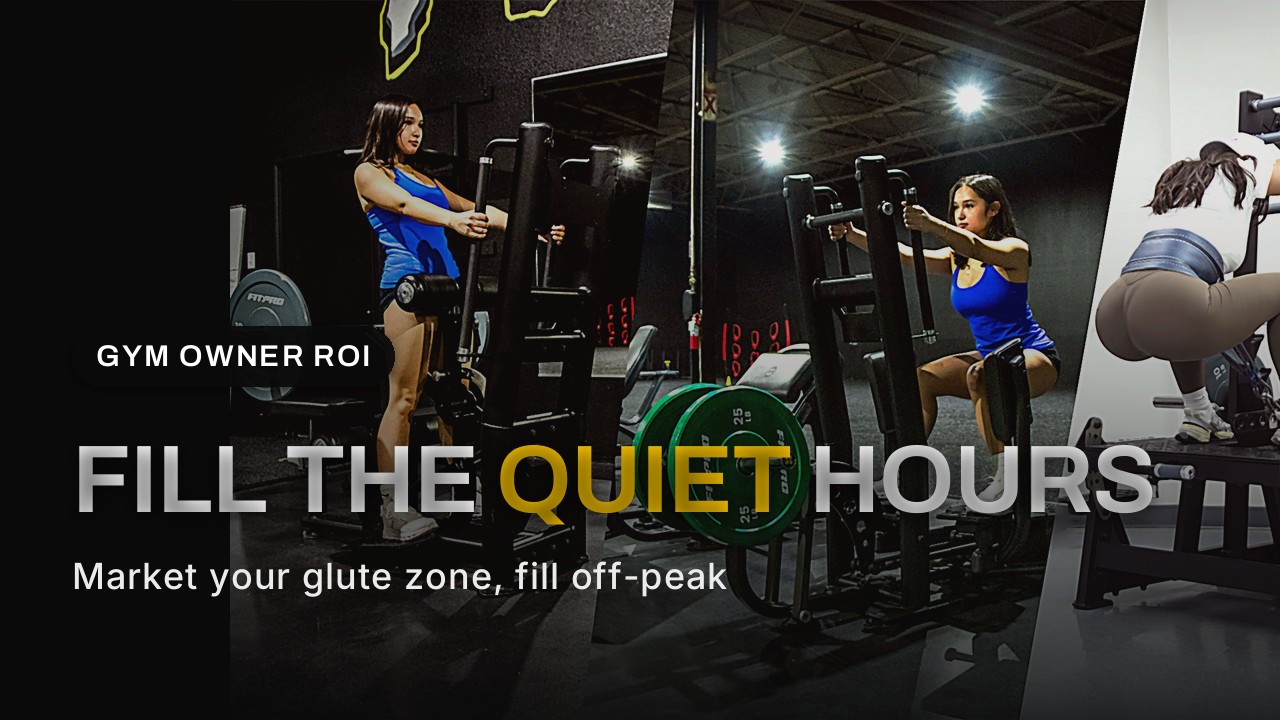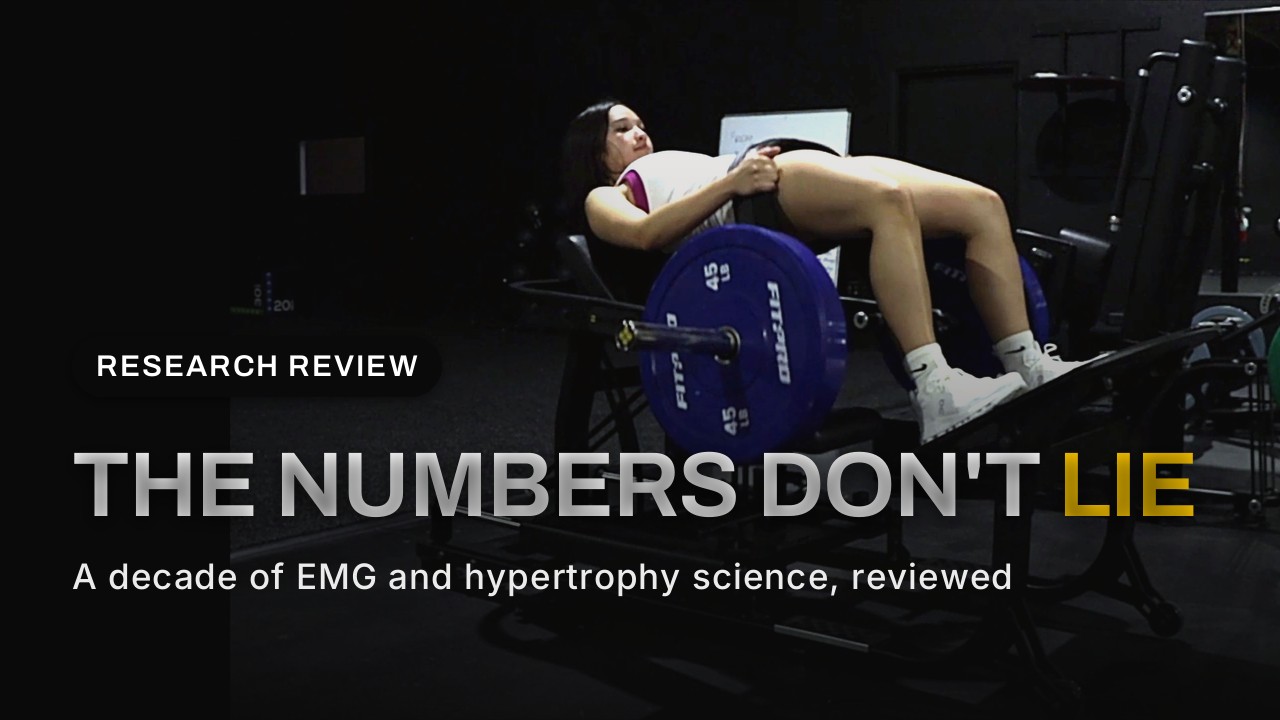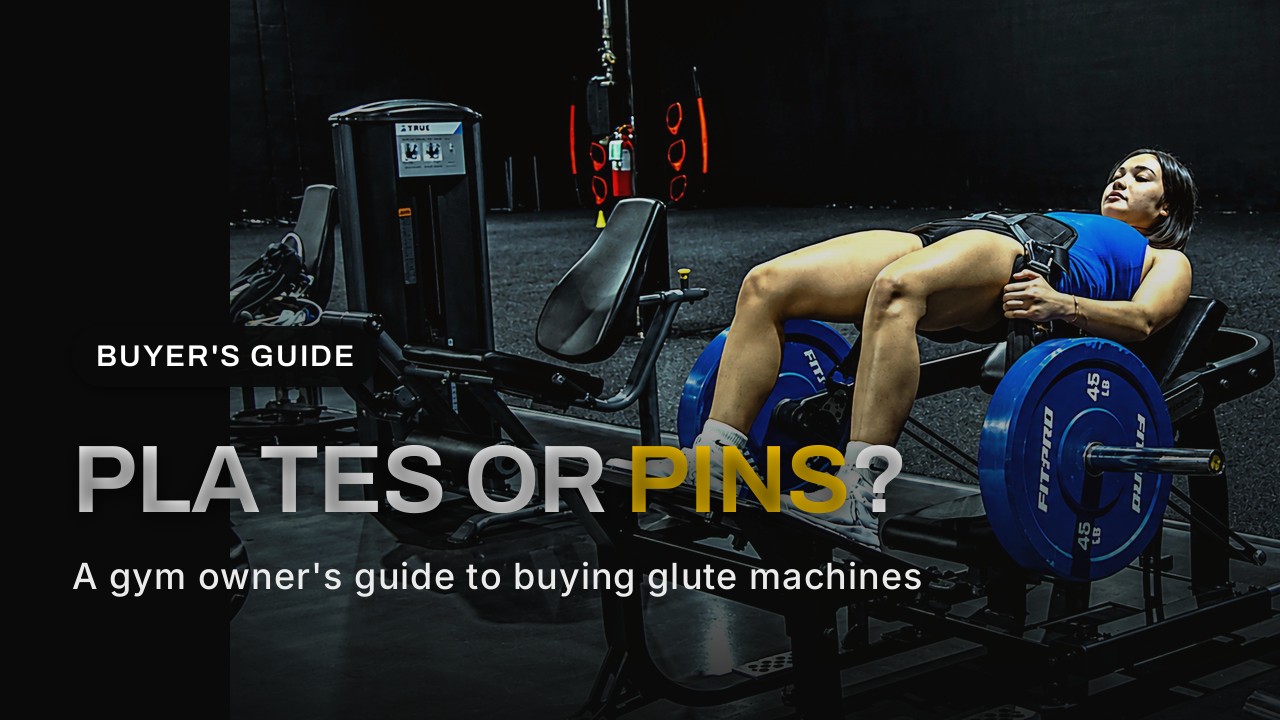






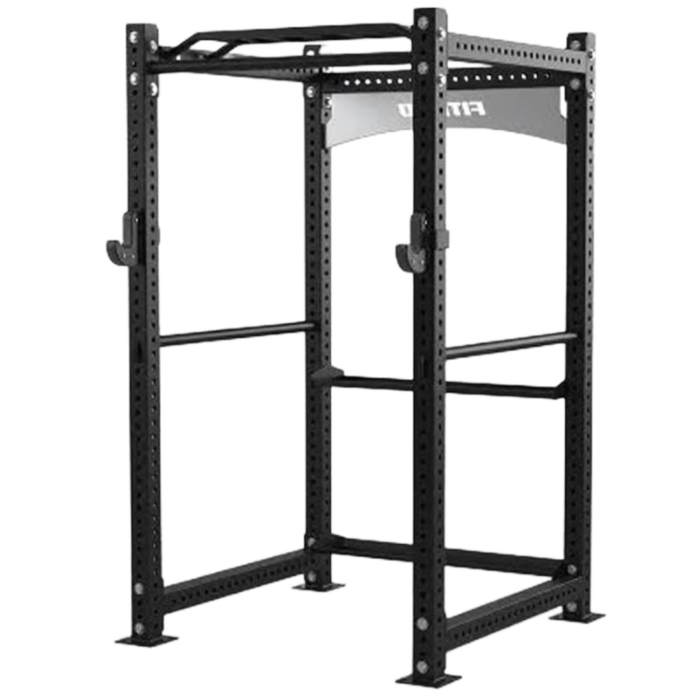
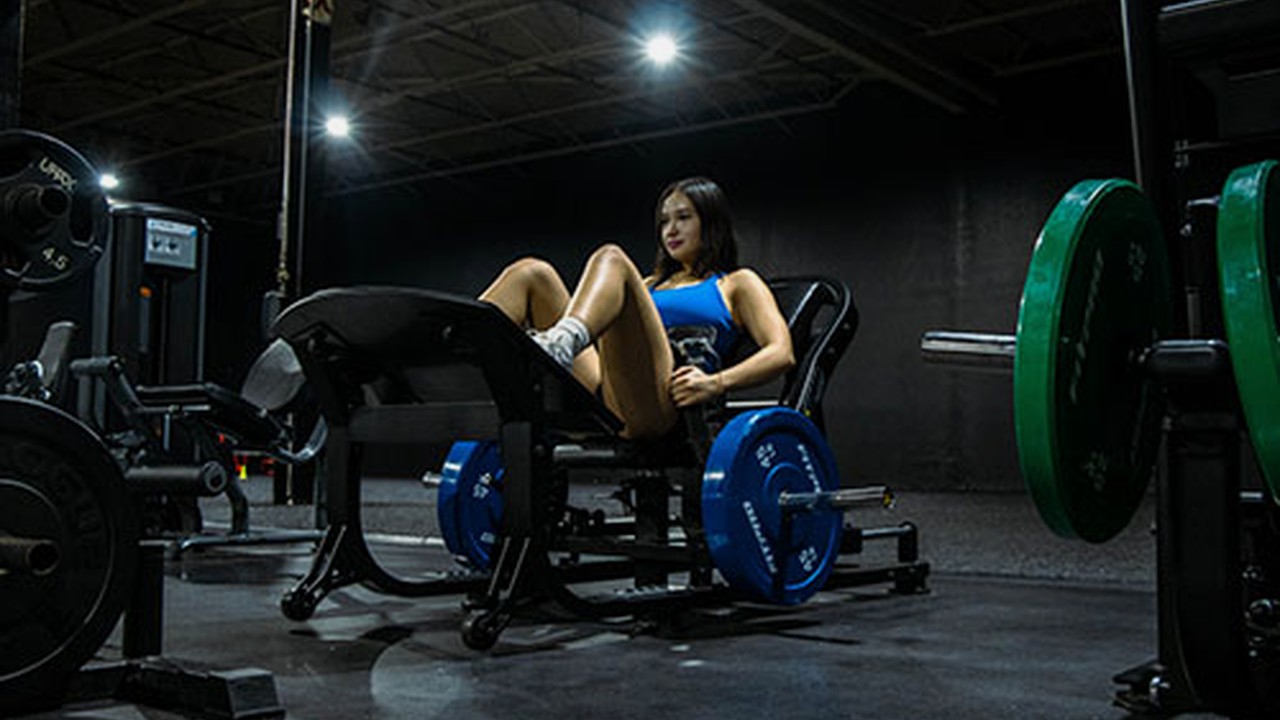

A member wants to train glutes, so she drags a bench into a rack, balances a padded barbell across her hips, and spends half the set getting into position. Two stations away, another member sits on a hip thrust machine, buckles in, and is working in seconds. Same exercise on paper. Very different experience on a busy floor.
Which one builds glutes better? There is no published long term trial that directly compares a plate loaded machine against a barbell for glute growth. What we do have is solid data on the movement itself, on activation differences between variations, and on what happens when people train it for weeks. Put that together with coaching, setup, and throughput, and the right choice becomes much clearer.

The short answer first
If your only question is whether the hip thrust movement grows glutes, the answer is yes for both tools. If your question is which tool your members will actually use correctly, load progressively, and repeat three times a week without a coach standing over them, the machine wins on consistency. If your question is which tool gives an advanced lifter the most freedom to vary angles, stance, and loading style, the barbell still has a place. Most gyms start with the station that removes friction, and that is usually the machine.
What the activation research actually says
The hip thrust became famous because of electromyography, or EMG, which measures electrical activity in a muscle during a movement. In 2015, Contreras and colleagues compared the barbell hip thrust with the back squat in 13 trained women using estimated 10 repetition maximum loads. The hip thrust produced far higher gluteus maximus activity: mean upper glute activity of 69.5 percent versus 29.4 percent for the squat, and mean lower glute activity of 86.8 percent versus 45.4 percent.
69.5%
mean upper glute EMG, hip thrust vs 29.4% squat (Contreras 2015)
86.8%
mean lower glute EMG, hip thrust vs 45.4% squat (Contreras 2015)
9.3%
glute thickness gain when hip thrust was added, vs 6.0% without it (Kassiano 2024)
550 lb
plate horn capacity on the GluteZone Hip Thrust Machine, verified on the product page
A second Contreras study compared barbell, band, and American hip thrust variations in 13 trained women. The barbell version produced greater mean upper gluteus maximus EMG than the American and band variations. That shows how you load and set up the thrust changes the stimulus. It does not prove one tool grows more muscle. EMG is a snapshot during a set, not growth after a training block.
What the growth research actually says
Long term studies tell a calmer story. In 2023, Plotkin and colleagues ran a nine week trial with 34 untrained college aged participants, 18 training the hip thrust and 16 training the back squat, with set volume equated. Glute growth was similar in both groups. The squat group grew quadriceps and adductors more, with quadriceps cross sectional area up by an extra 3.6 square centimeters and adductors by an extra 2.5 square centimeters. Strength gains were specific: each group got strongest in the lift it trained.
In 2024, Kassiano and colleagues followed 33 untrained young women for ten weeks. One group trained with the 45 degree leg press and stiff leg deadlift. The other group did the same work and added the barbell hip thrust. Gluteus maximus thickness rose 9.3 percent in the hip thrust group versus 6.0 percent in the group without it. The added group also did more total work, so the result does not isolate the thrust alone, but it supports a practical point: adding a dedicated hip extension movement people can load hard tends to help.
Read together, the evidence says this. The hip thrust pattern is a proven glute builder. No study gives the barbell a clear growth advantage over a well designed machine that lets the lifter use the same pattern, the same range of motion, and progressive load, week after week. The deciding factors are execution and consistency, and that is where the tools separate.
Setup time and consistency: where the machine pulls ahead
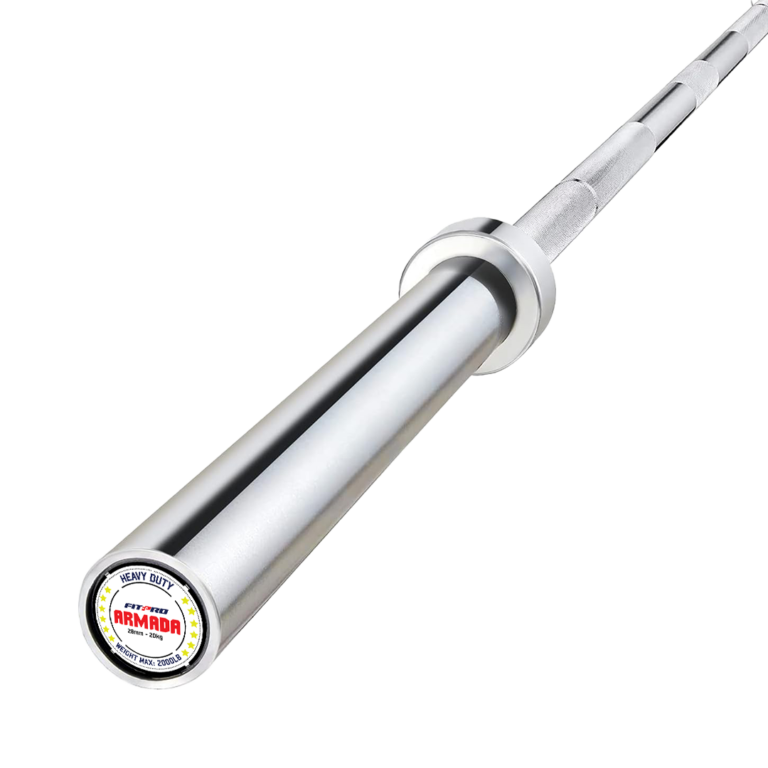
A barbell hip thrust is a small construction project. Bench position, bar pad, plate loading, collar checks, foot placement, and a bench that does not slide. Change one variable and the set feels different. For an experienced lifter, that ritual is part of the craft. For a new member at 6 p.m., it is friction, and friction kills consistency.
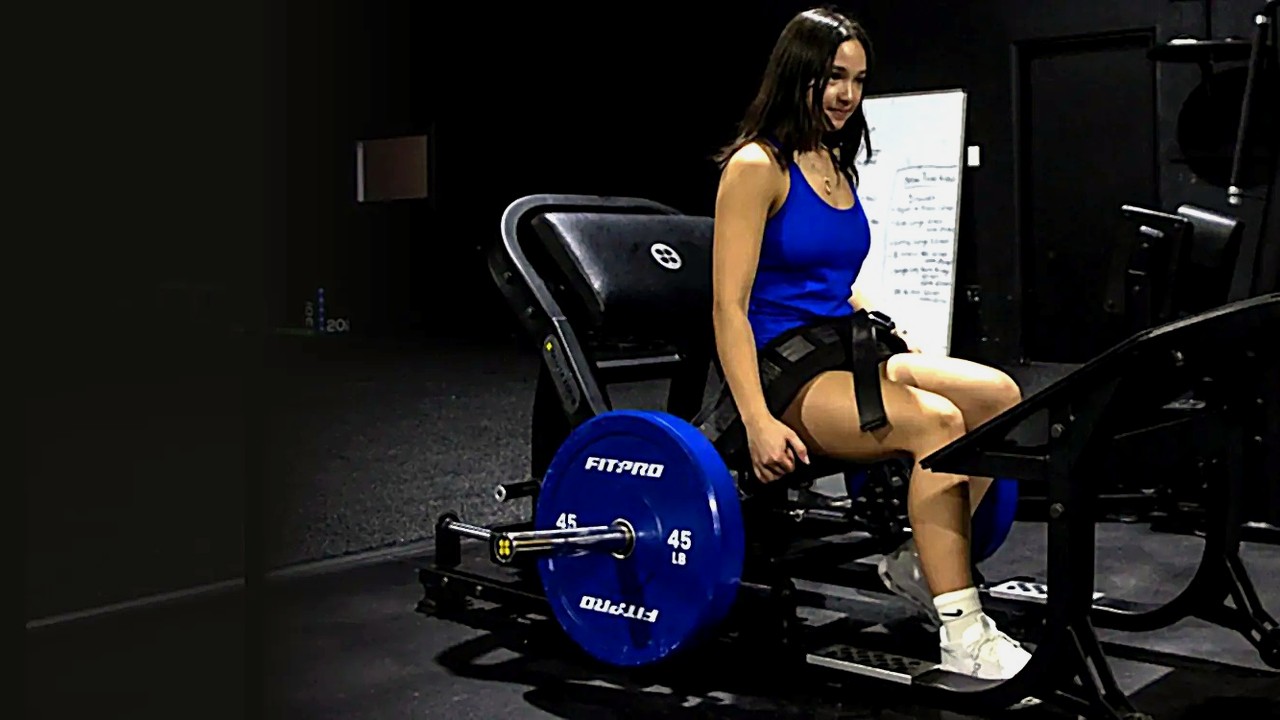
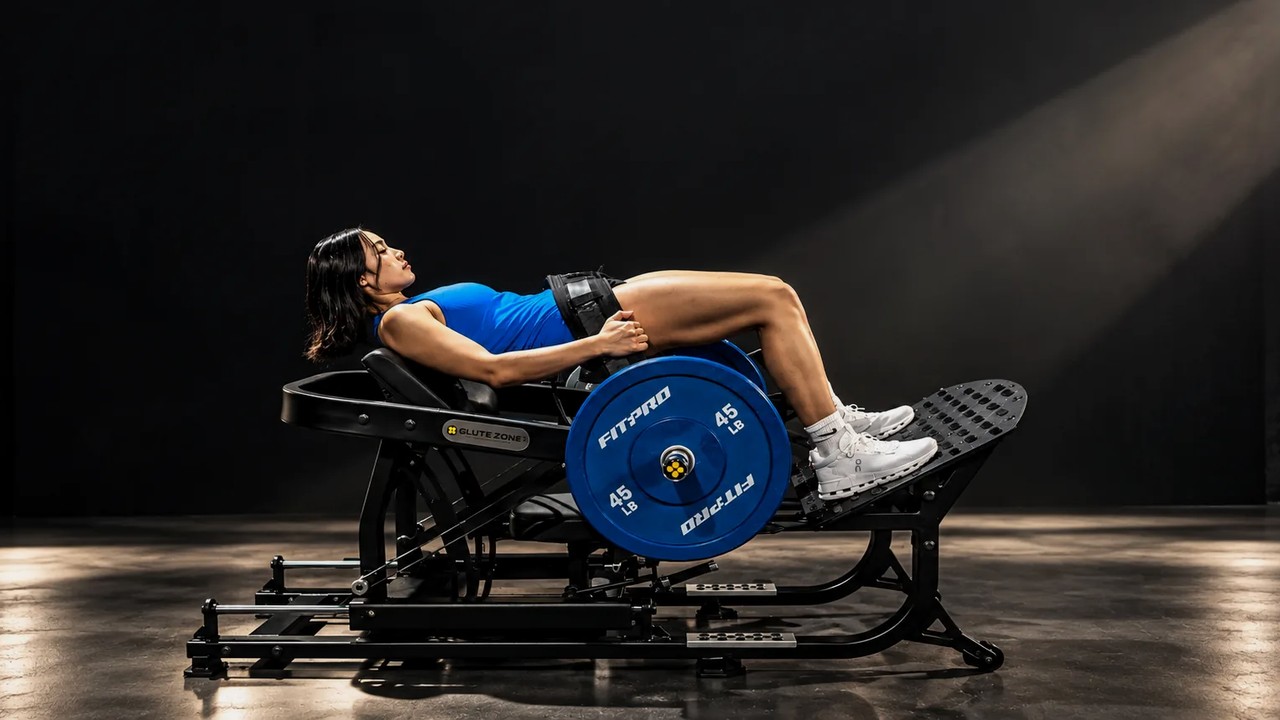
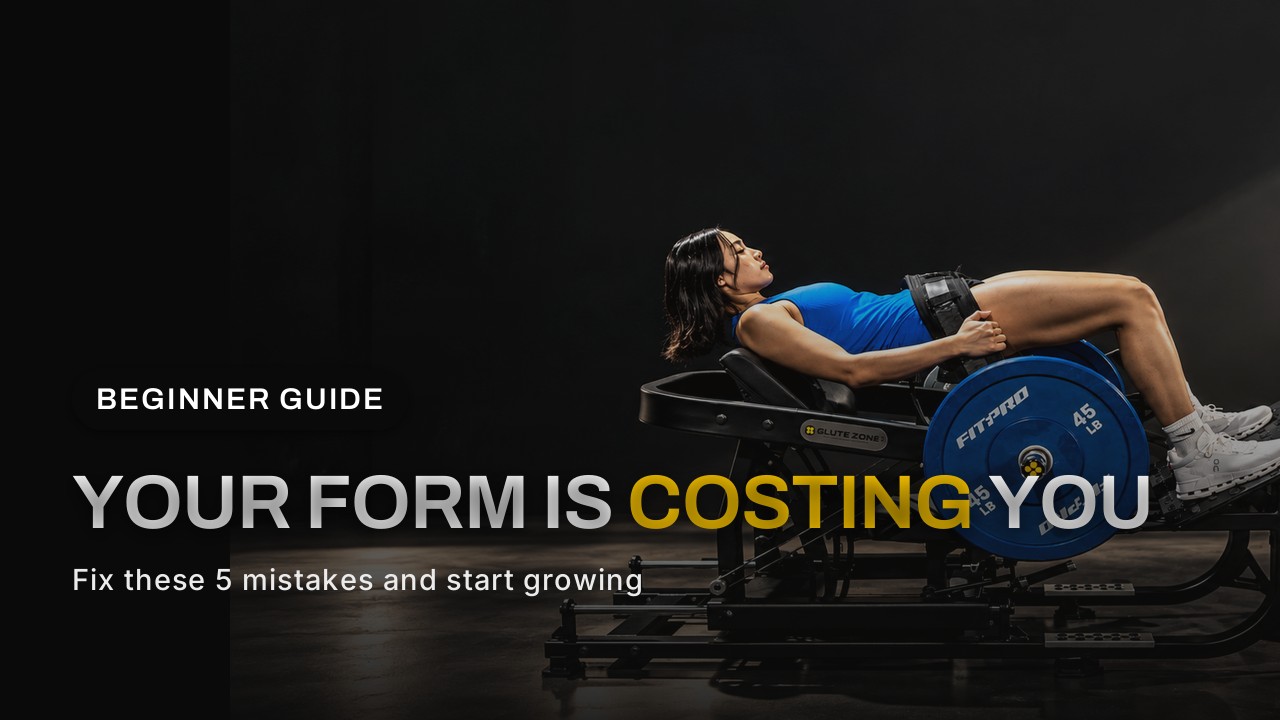
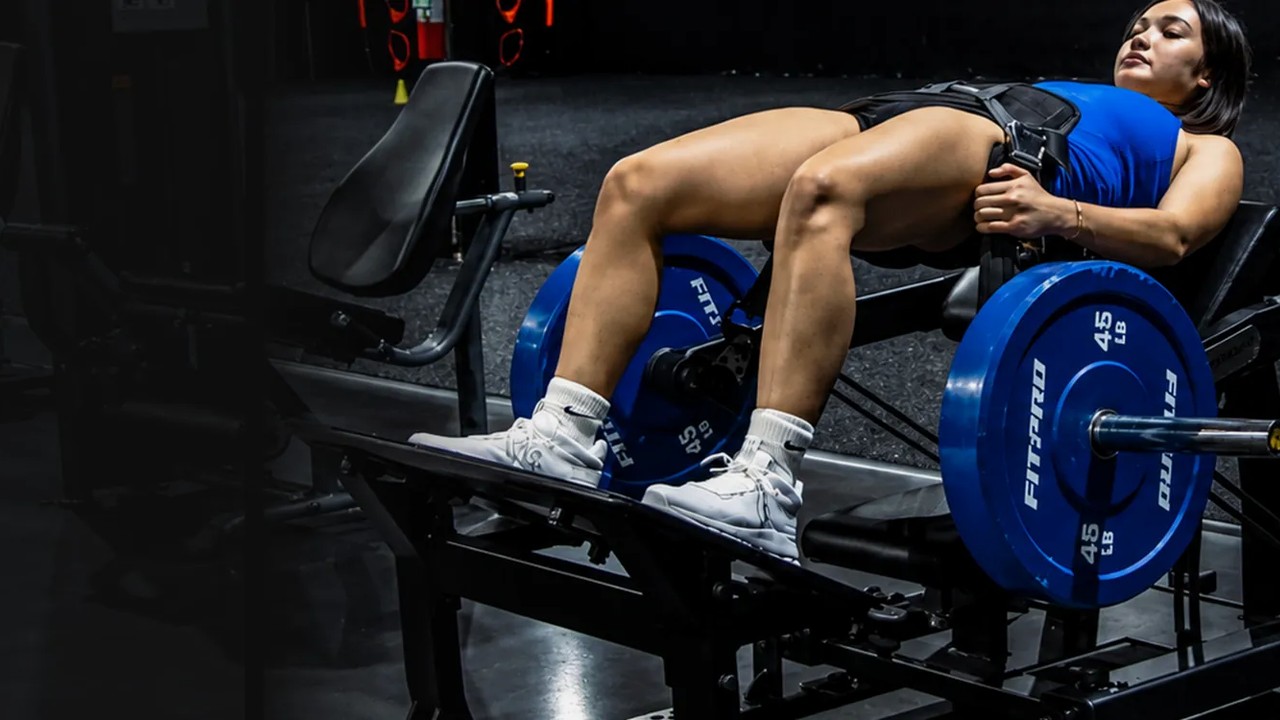
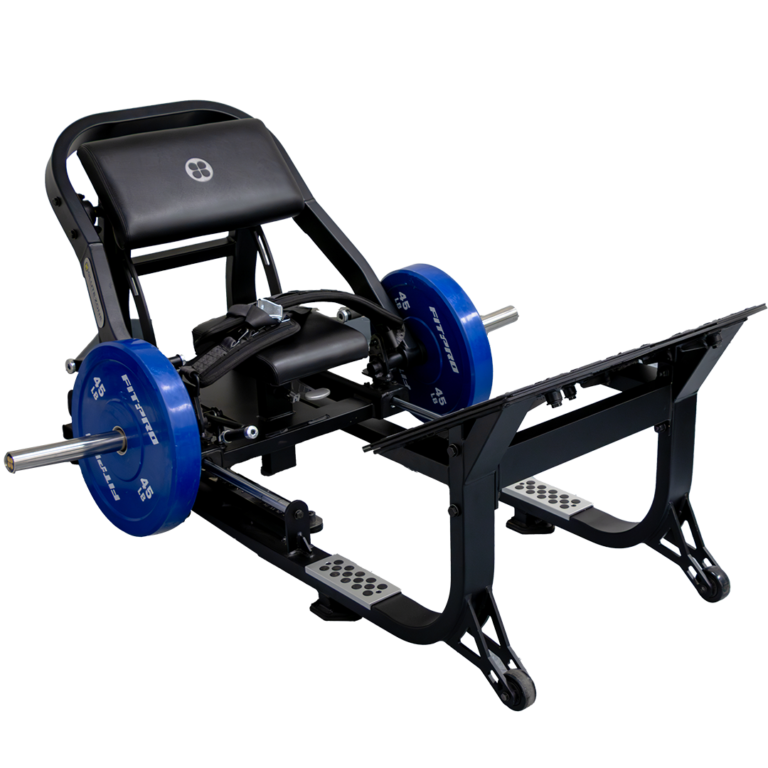
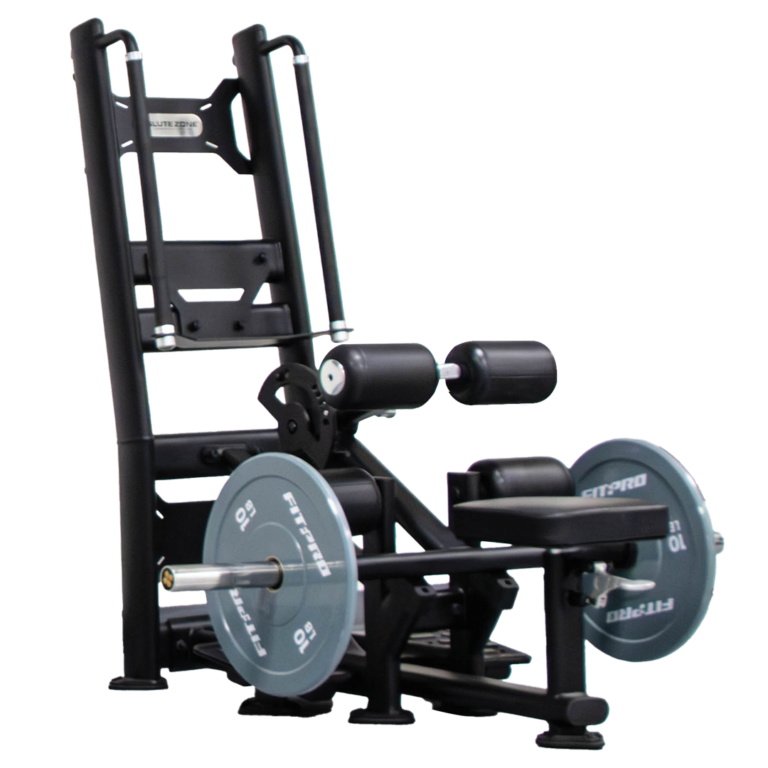
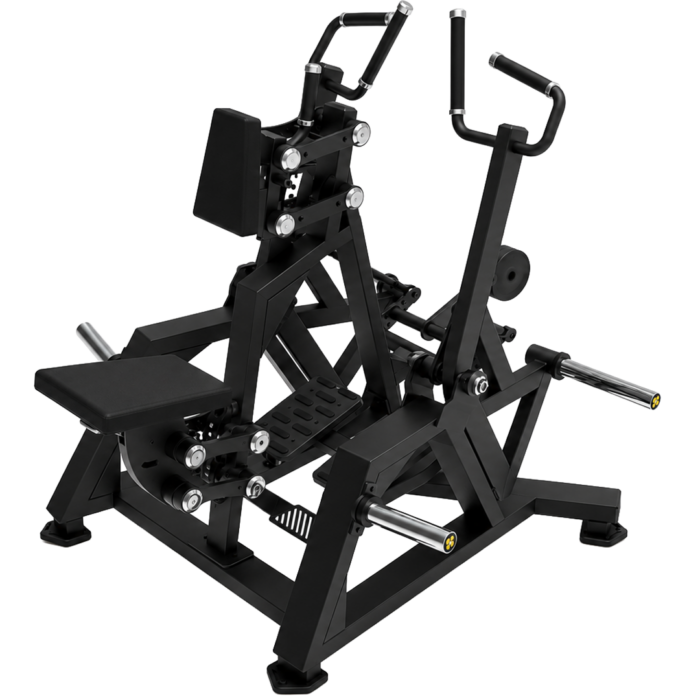
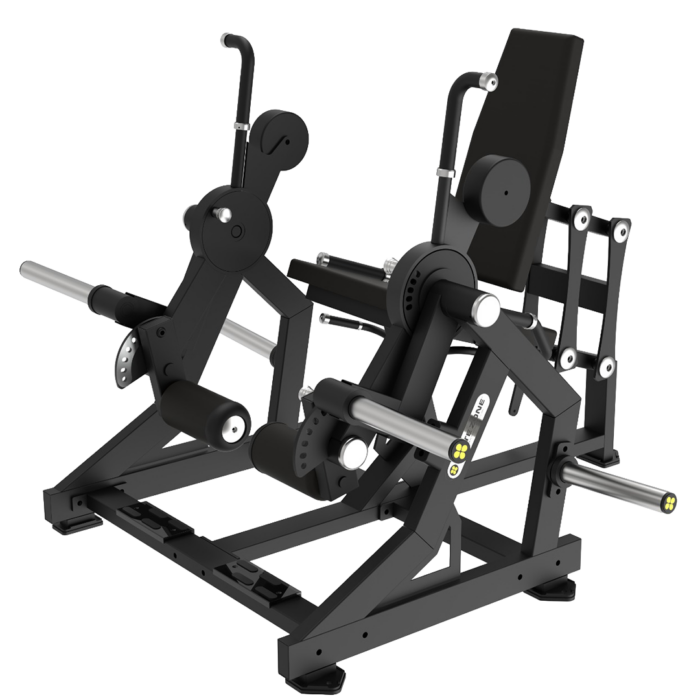
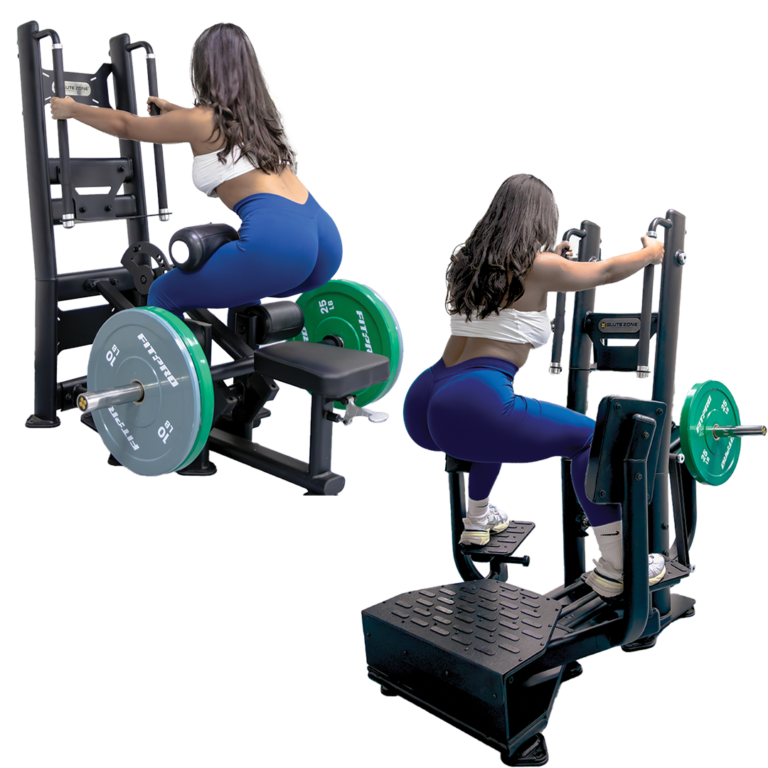
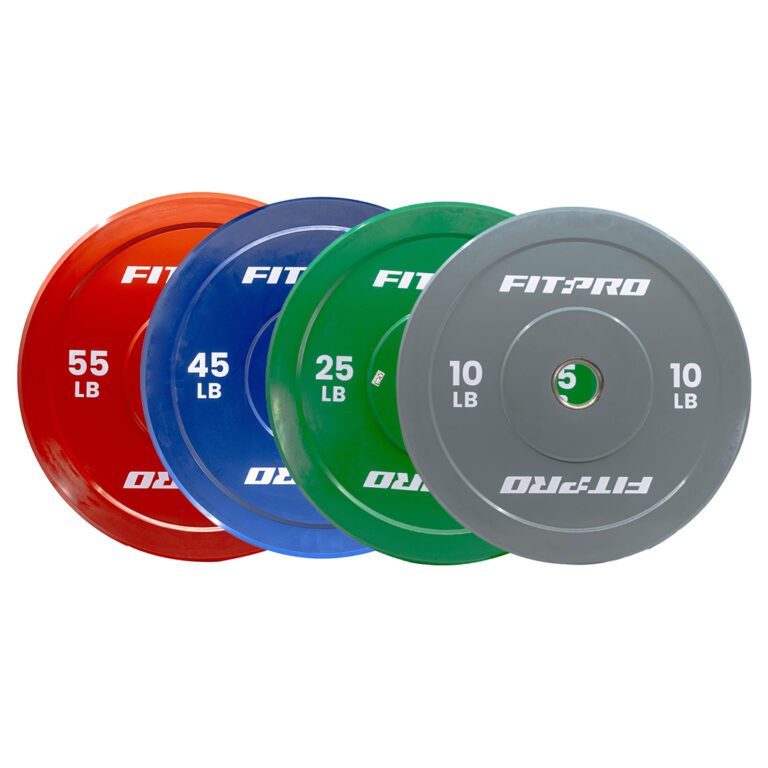
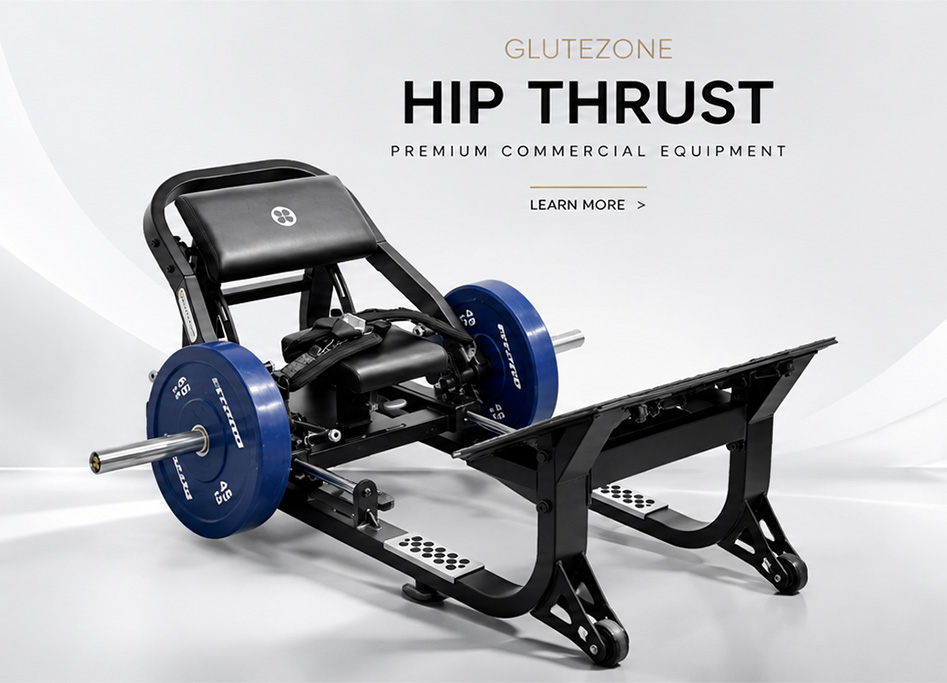
A dedicated hip thrust machine removes most of that setup. The lifter sits, adjusts the seat, buckles the belt, adds plates, and thrusts. On the GluteZone Hip Thrust Machine, verified today on the official product page, the seat adjusts forward and backward across 16 points, so members of different heights can line up their hips and knees without rebuilding the station. The frame weighs 357 lb, which keeps the station planted, and anchor hole ports on each foot allow optional bolting to the floor. The plate horns hold up to 550 lb, enough load for novice and elite lifters alike. The listed price today is $2,239.
That repeatability matters. Progressive overload only works when setup is consistent enough that a weight increase means a performance increase. Machines make that comparison clean.

Loading, safety, and coaching
The barbell offers freedom. You can change bench height, use bands, pause at lockout, or go single leg with a dumbbell variation nearby. It also asks more of the lifter: keep the bar centered, keep the bench from tipping, and manage a heavy bar across the hip crease if the set falls apart.
The machine offers guardrails. The movement path is guided, the belt distributes load across the hips, and getting in and out under load is simpler, which matters for beginners, for older members, and for anyone returning from a layoff. Coaches can teach the machine version faster, cue foot pressure and lockout, and move on to the next member. In a staffed gym, that coaching time is a real cost. At home, the version you can set up quickly is the version you will still be doing in month three.
Neither tool is automatically safer. Load management, full foot pressure, controlled lockout without overextending the lower back, and at least 48 hours between hard sessions keep training productive, whichever station you choose.
The gym owner math: throughput, floor space, and demand
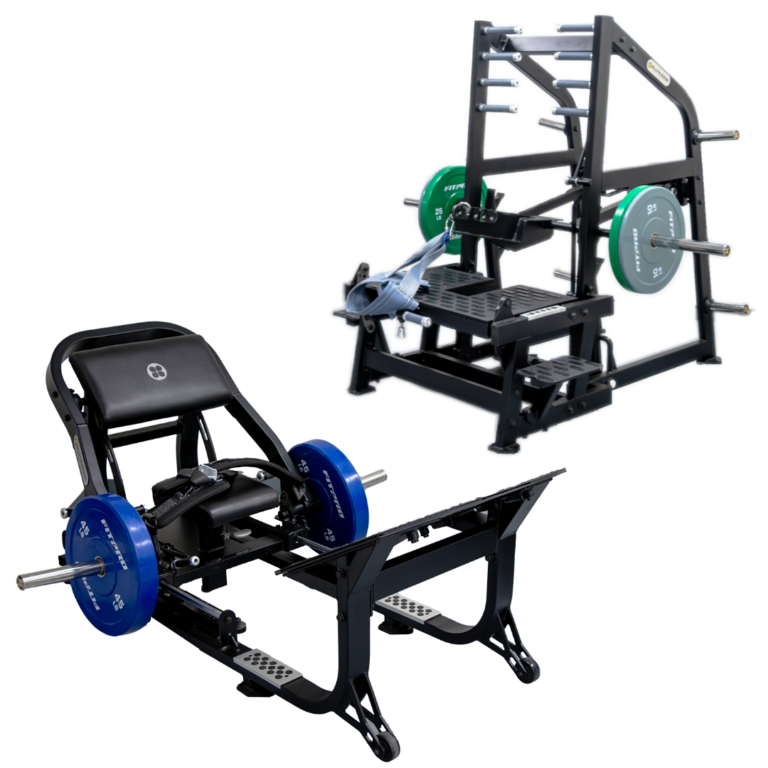
For a gym owner, this comparison is not only about muscle. It is about what happens on your floor. A barbell hip thrust ties up a bench, a bar, plates, and often a rack zone for one member at a time, with setup and teardown between users. A dedicated machine is a single purpose station with a fixed footprint that turns over faster, keeps barbells free for squats and deadlifts, and gives your glute training members a clear home base.
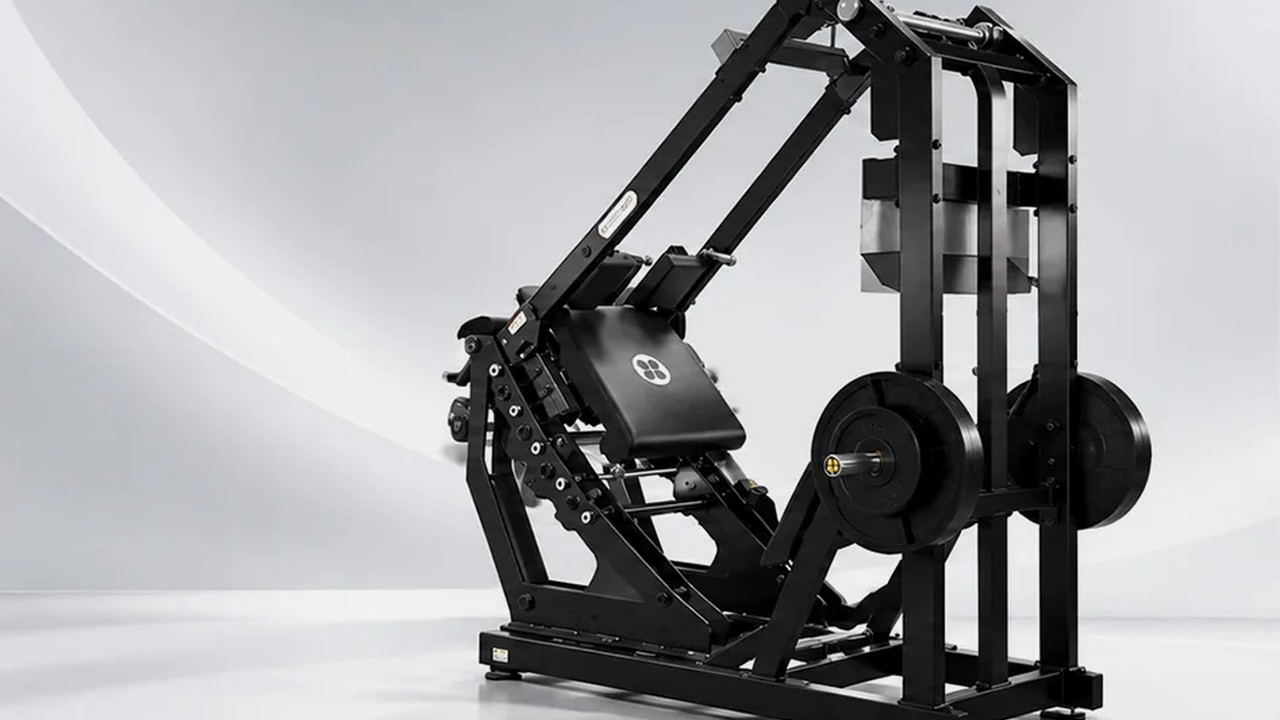
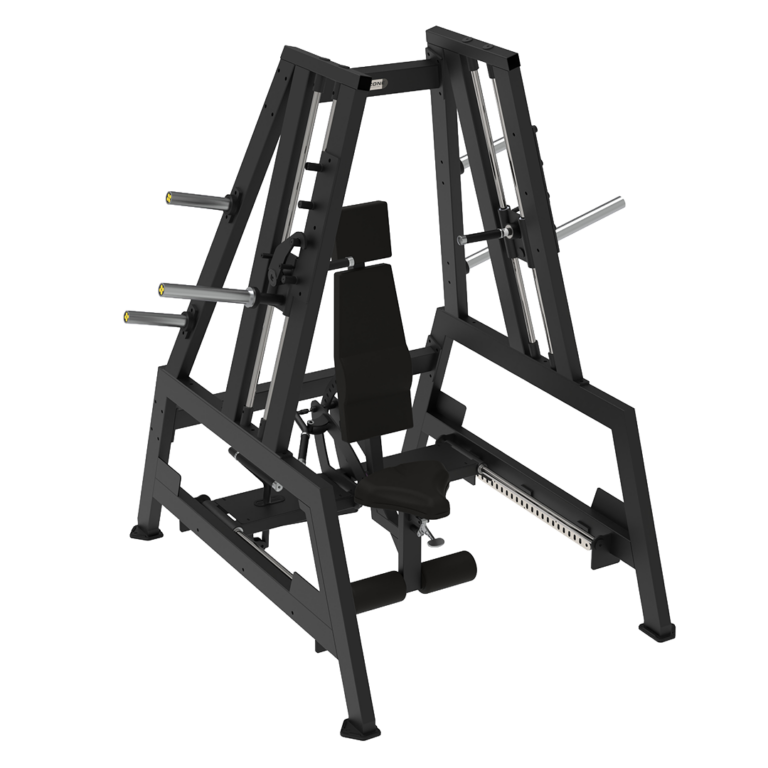
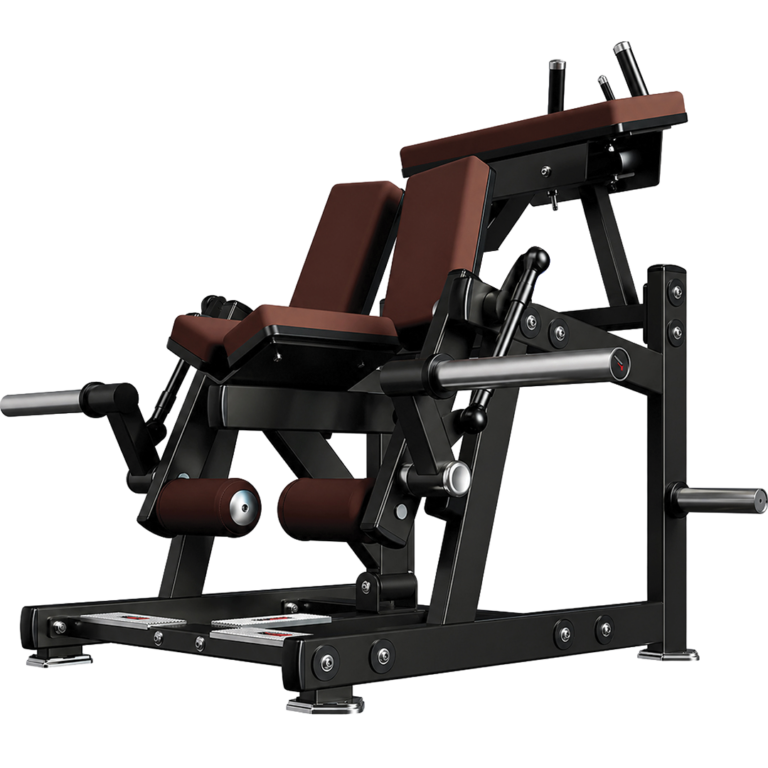
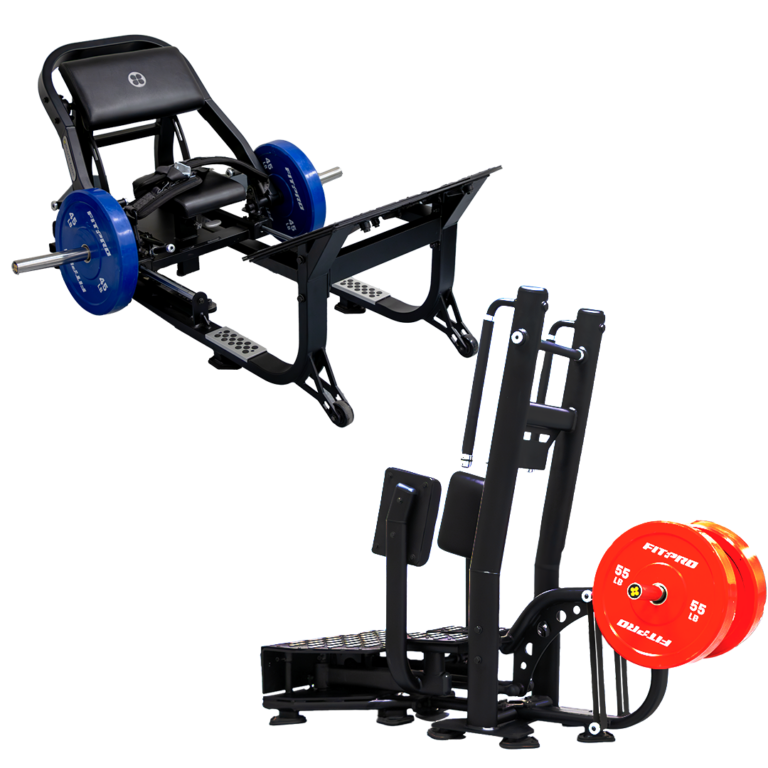
That home base matters commercially. For many members, glute training is the reason they came in. A visible, dedicated station signals you take that goal seriously, and it pairs naturally with a pendulum squat. The GluteZone Pendulum Squat, at $3,999, covers the squat pattern while the hip thrust machine covers hip extension, so members get a complete lower body session without improvising either lift.
For a serious home gym, if you already own a rack, bar, and bench, the barbell costs nothing extra. If setup is why glute training keeps slipping out of your week, a dedicated machine earns its footprint by making the session happen.
Who should choose which
Choose the barbell hip thrust if you are an advanced lifter who enjoys the setup ritual, wants maximum variation, and already owns the equipment. Choose a hip thrust machine if you run a gym and need fast turnover, consistent member setup, and easy coaching, or if you train at home and know that setup friction is what breaks your consistency. Choose both if your floor allows it: the machine as the high traffic default, the barbell as the specialty option for coached sessions.
Frequently asked questions
Is a hip thrust machine as effective as a barbell hip thrust?
Based on the evidence available today, yes, when load, range of motion, and effort are matched. No long term study shows a barbell growth advantage over the machine pattern, and growth studies support the hip thrust movement itself.
Why does EMG favor the hip thrust so strongly?
In Contreras 2015, hip thrust EMG for the gluteus maximus was much higher than back squat EMG, 69.5 versus 29.4 percent mean for the upper region. EMG measures activity during a set, not growth, so treat it as one signal, not a verdict.
How much weight can the GluteZone Hip Thrust Machine hold?
Verified on the product page today: the plate horns support up to 550 lb, the frame weighs 357 lb, and the seat offers 16 forward and backward adjustment points. The listed price is $2,239.
How often should members train hip thrusts?
The GluteZone product guidance and common programming both point to 2 to 3 sessions per week with at least 48 hours of rest between hard sessions for the same muscle group.
Should a gym buy a hip thrust machine or keep using barbells?
If glute training demand is high, a dedicated machine usually pays back in turnover, member consistency, and freed up barbells. Low demand floors can start with the barbell and upgrade when the bench queue becomes the complaint.
Ready to give your members a station that removes the friction?
If you are weighing a hip thrust machine for your gym or a serious home setup, talk to GluteZone about the commercial grade, plate loaded Hip Thrust Machine. Financing is available with Affirm, so you can spread the cost while the station goes to work. Request a quote or ask your sizing questions on our contact page: https://glutezone.com/contact/
Sources
Contreras B et al. (2015). A Comparison of Gluteus Maximus, Biceps Femoris, and Vastus Lateralis EMG Activity in the Back Squat and Barbell Hip Thrust Exercises. Journal of Applied Biomechanics, 31, 452-458.
Contreras B et al. (2015/2016). A Comparison of Gluteus Maximus, Biceps Femoris, and Vastus Lateralis EMG Amplitude for the Barbell, Band, and American Hip Thrust Variations. Journal of Applied Biomechanics.
Plotkin DL et al. (2023). Hip thrust and back squat training elicit similar gluteus muscle hypertrophy and transfer similarly to the deadlift. Frontiers in Physiology, 14, 1279170. 34 participants, nine weeks.
Kassiano W et al. (2024). Regional hypertrophy study: 45 degree leg press and stiff leg deadlift with or without barbell hip thrust, 33 untrained women, ten weeks, glute thickness +9.3% vs +6.0%.
GluteZone Hip Thrust Machine product page, glutezone.com, verified October 22, 2026: $2,239, 550 lb plate horns, 357 lb frame, 16 point adjustable seat, anchor hole ports.