


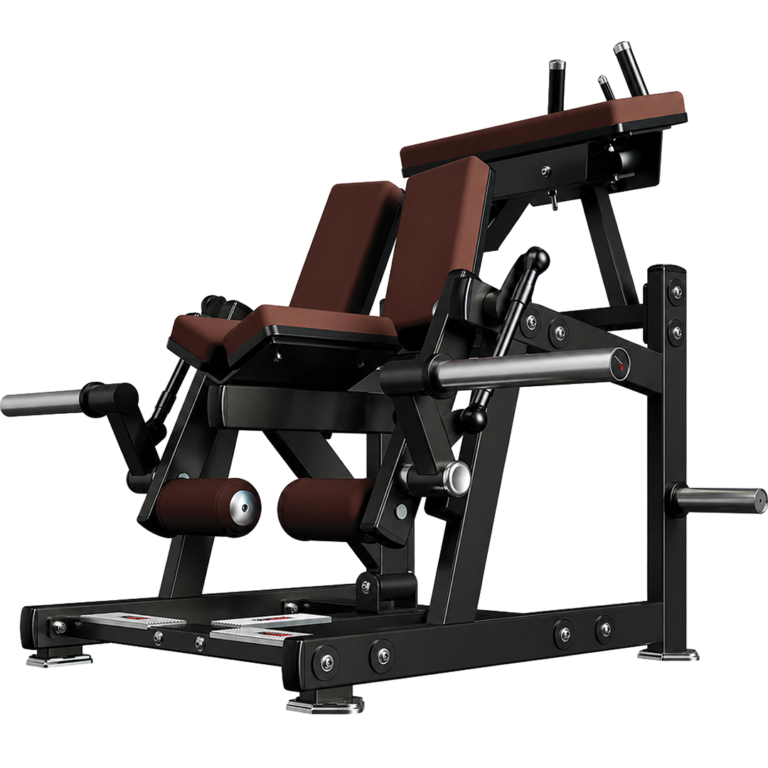
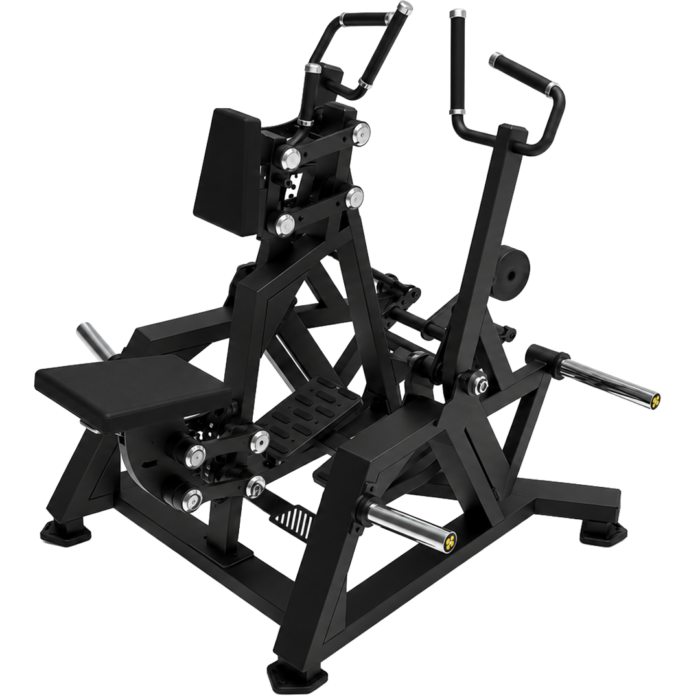
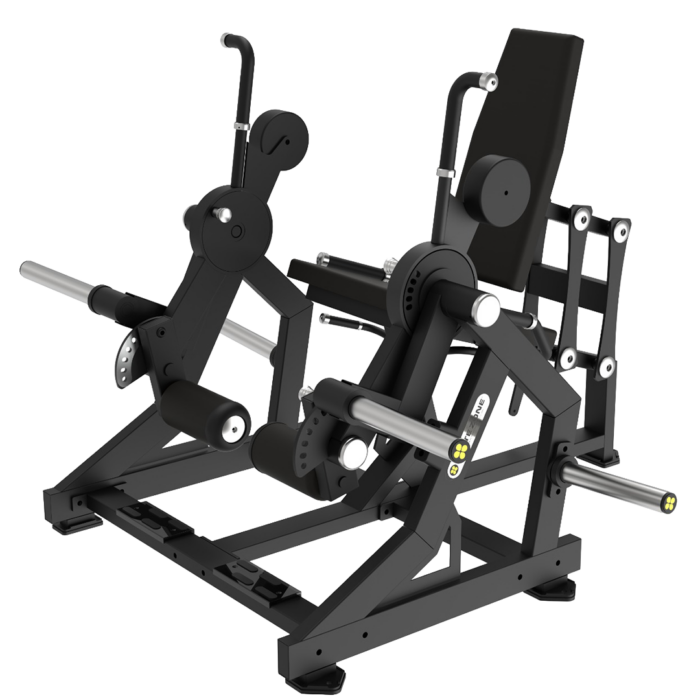
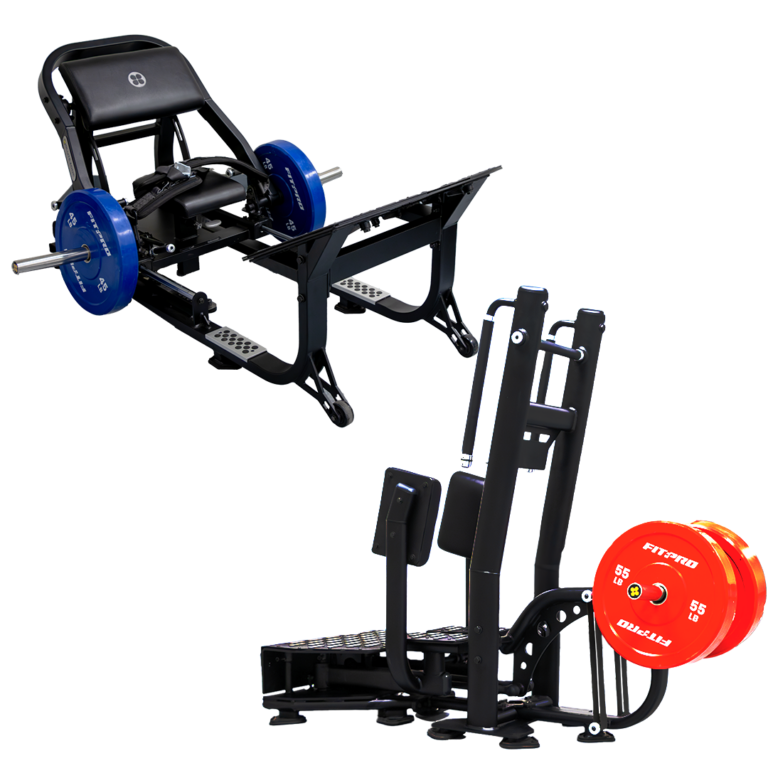
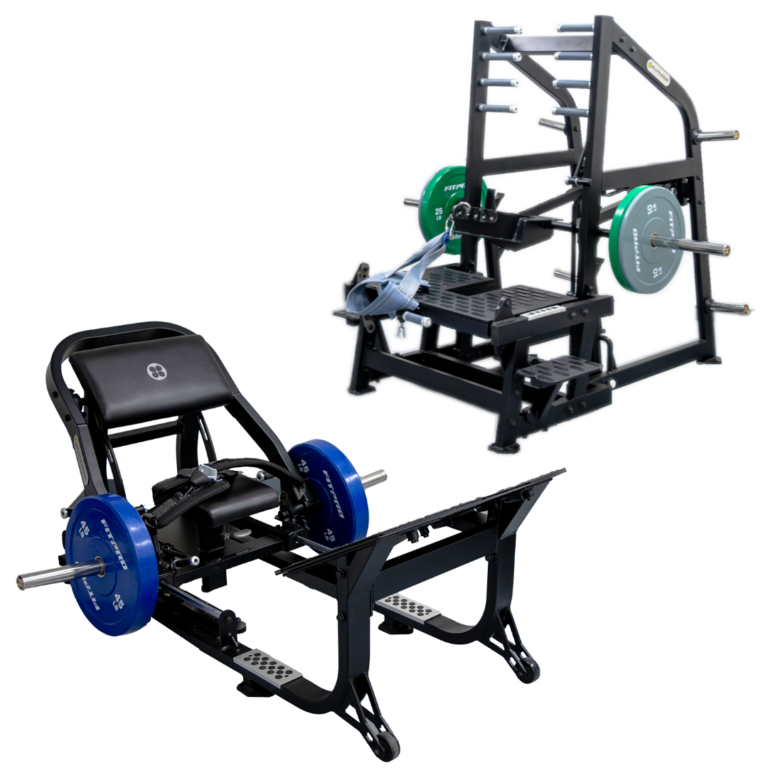




Seven o’clock on a Monday, and leg day is doing what leg day always does. The hack squat has a line. Two people waiting, one watching his rest timer, another doing mobility work on the turf, killing time until the sled frees up. Ten feet away sits the pendulum squat, empty, its back pad tilted up like it is waiting for someone brave enough. If you own a gym, you have watched this scene a hundred times. If you train in one, you have probably been the person in line.
The internet will tell you the pendulum squat is the glute machine and the hack squat is the quad machine, or the exact opposite, depending on which video you clicked. Here is the honest version, backed by biomechanics and the people who build and coach these machines: the glute difference between the two is smaller than the debates suggest, and the real reasons to pick one over the other have almost nothing to do with glutes.
How Each Machine Actually Moves
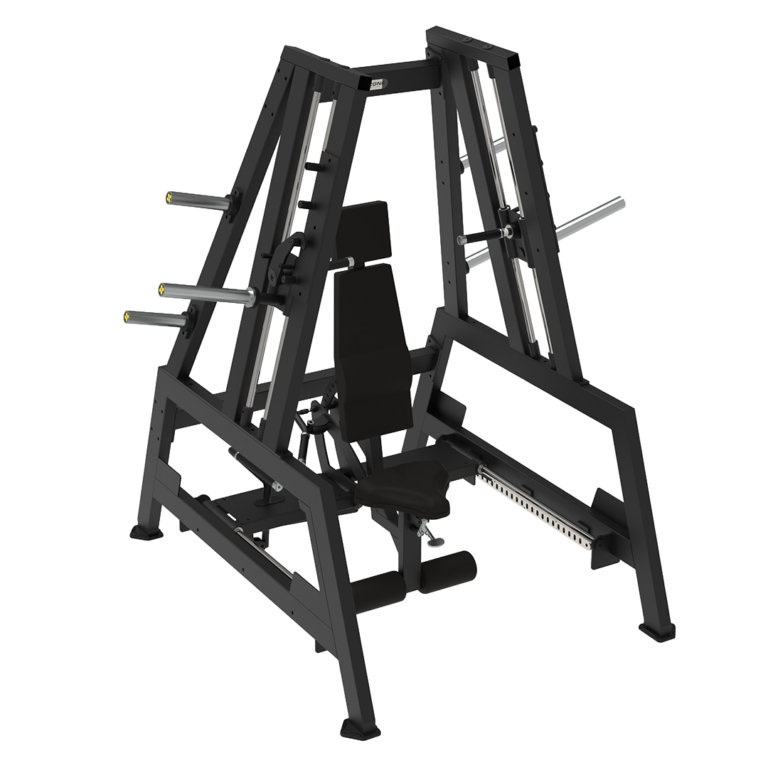
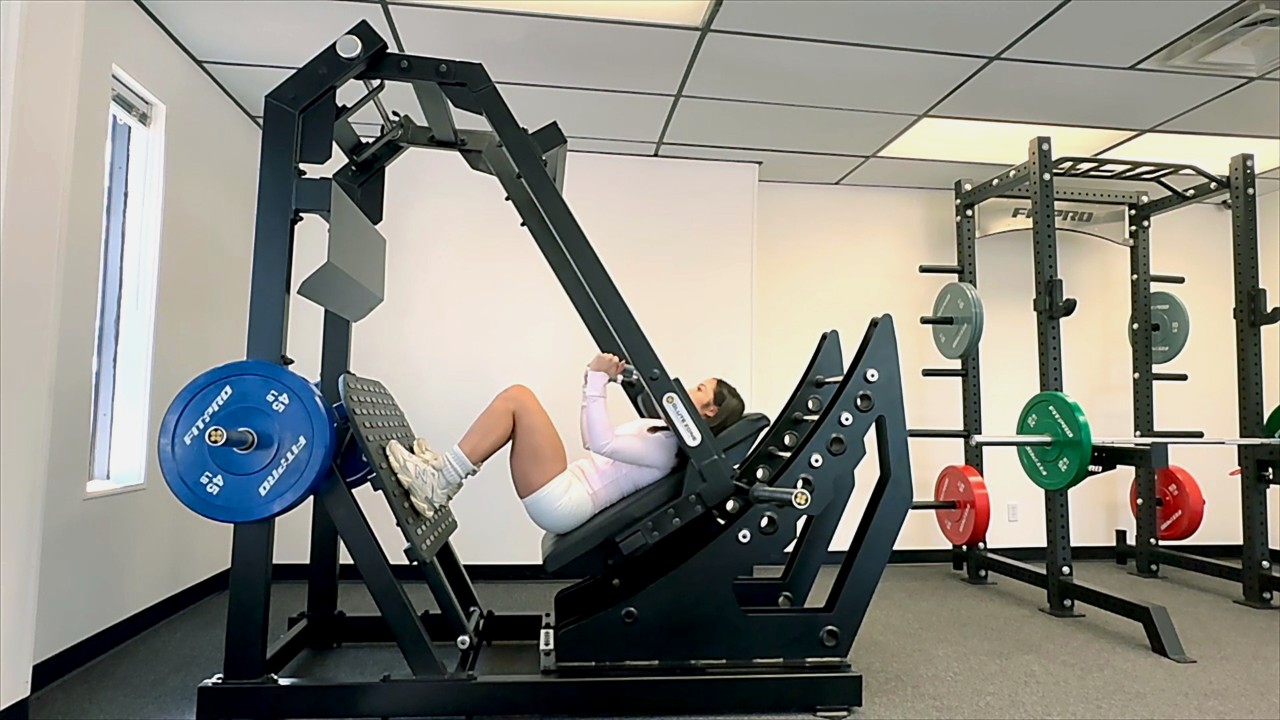
The hack squat is a sled on rails. You brace your back against the pad, settle your shoulders under the pads, and drive a fixed linear path, usually set on a 45 to 55 degree angle. The resistance stays consistent through the whole rep. It is simple, predictable, and brutally effective at loading the quads.
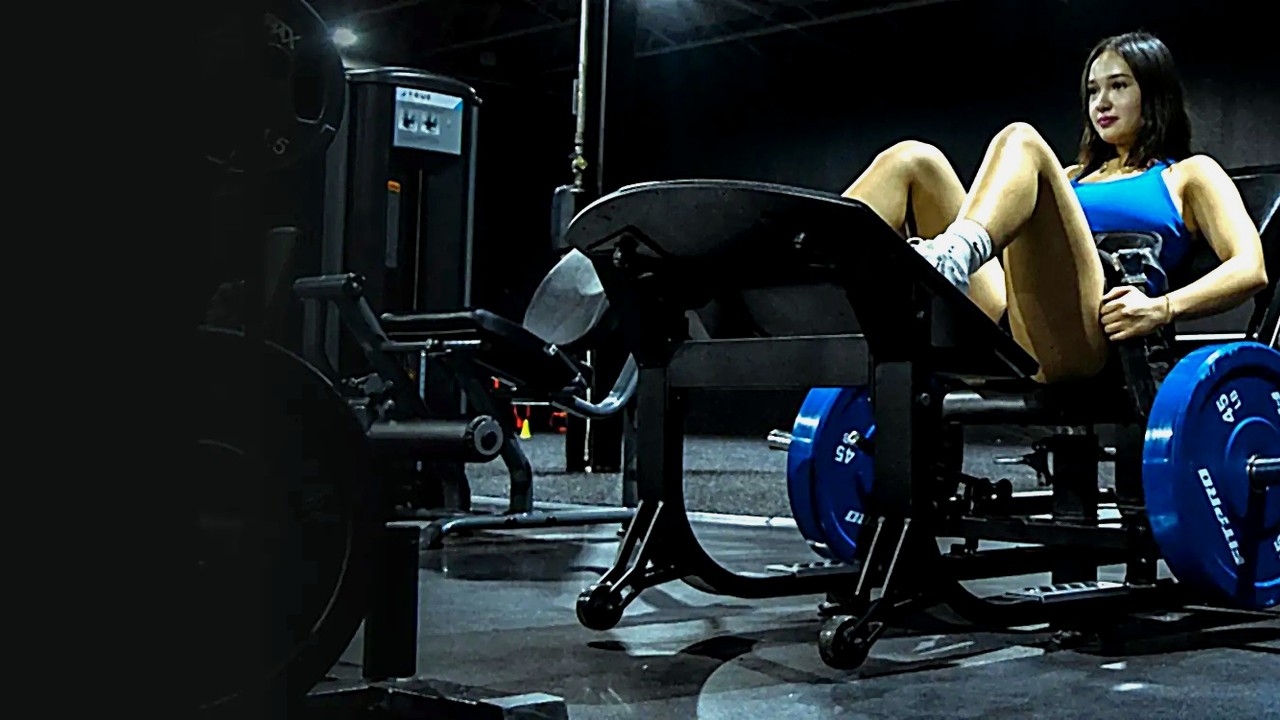
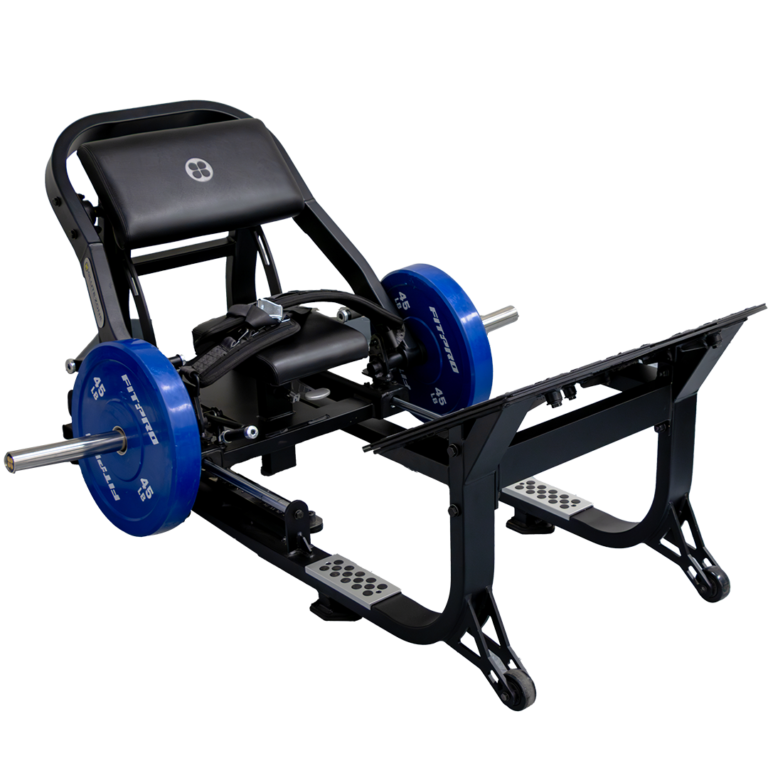
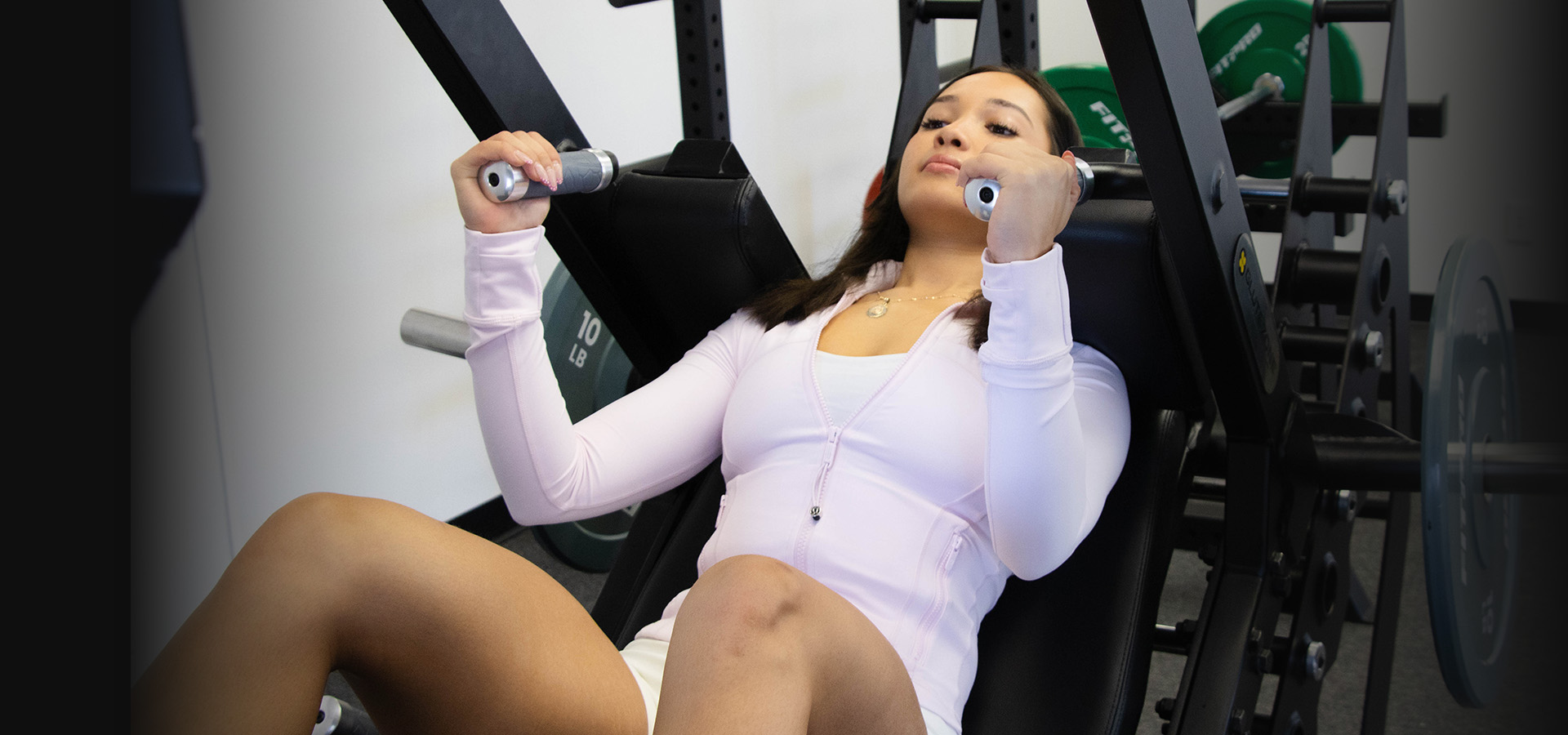
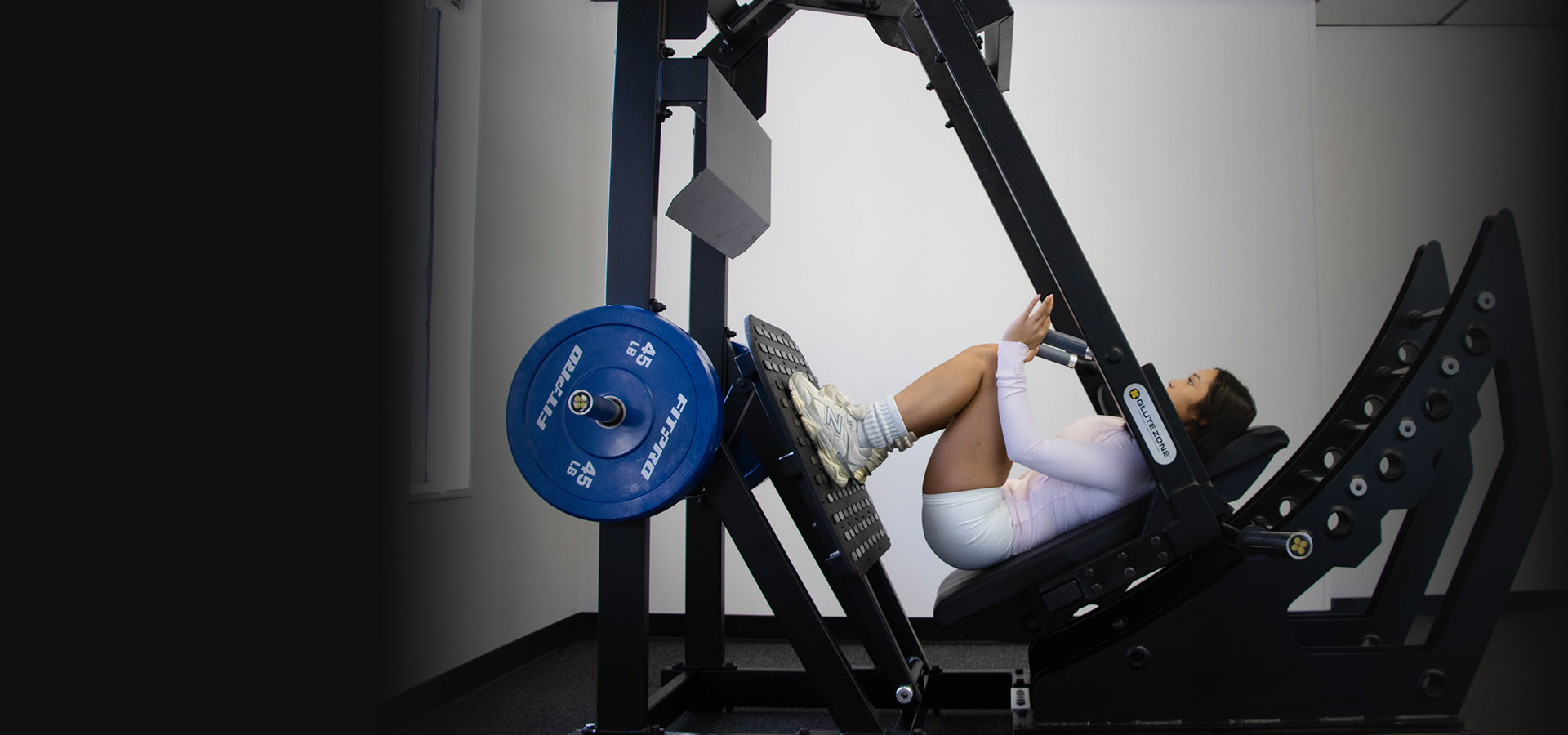
The pendulum squat hangs the weight on swinging arms that pivot from the top of the machine. Instead of riding rails, you swing through an arc. That arc changes the resistance curve: the effort tends to feel lighter at the bottom of the rep, where you are weakest, and heavier as you drive up toward lockout, where you are strongest. Life Fitness describes this same profile on its own pendulum design, lighter at the bottom and heavier at the top, and independent biomechanics breakdowns of pendulum machines confirm the physics behind it: the lever’s moment arm is shortest at the bottom of the squat and longest near the top.
Glute Activation: What the Evidence Actually Says
Let me save you the scroll: there is no published head-to-head EMG study that clamps electrodes on lifters and directly compares the pendulum squat against the hack squat. Anyone who quotes you a winner with decimal points is inventing data. What the evidence does tell us comes from three places.
First, detailed muscle-by-muscle equipment comparisons rate both machines as quad-dominant, with the pendulum generally credited with deeper glute involvement because the arc lets you sink into more hip flexion at the bottom. One published comparison table rates pendulum glute activation as moderate, peaking at the bottom transition, versus the hack squat’s moderate glute activation at extension. The gap is a matter of degrees, not categories.
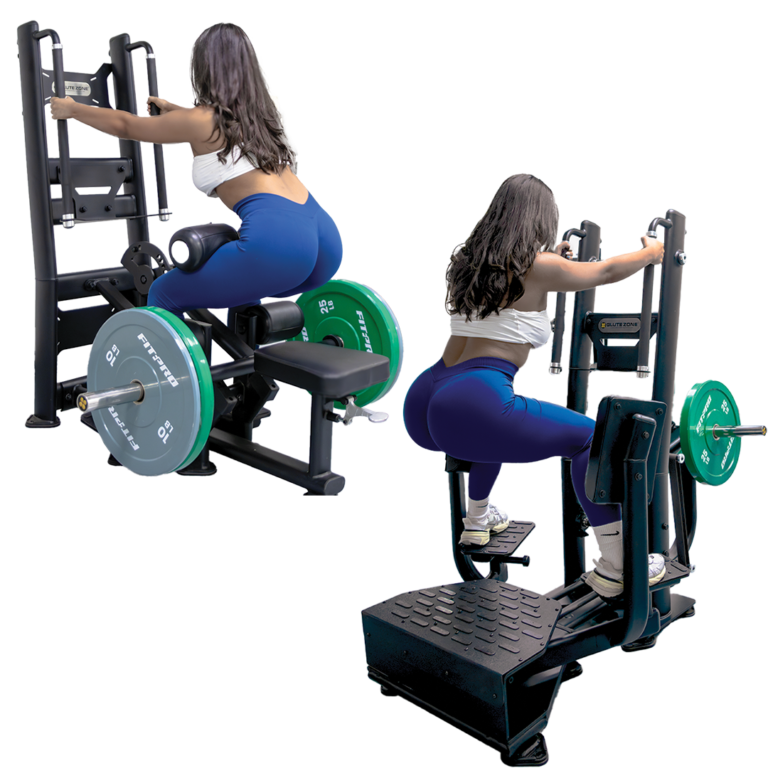
Second, foot placement moves the needle more than the machine choice does. Manufacturers and coaches agree on the rule: feet lower on the footplate biases the quads, feet higher shifts the work toward the glutes and hamstrings. On the GluteZone Pendulum Squat that adjustment is built into the hardware, with 3 foot pad angles to find the position that shifts the emphasis where you want it.
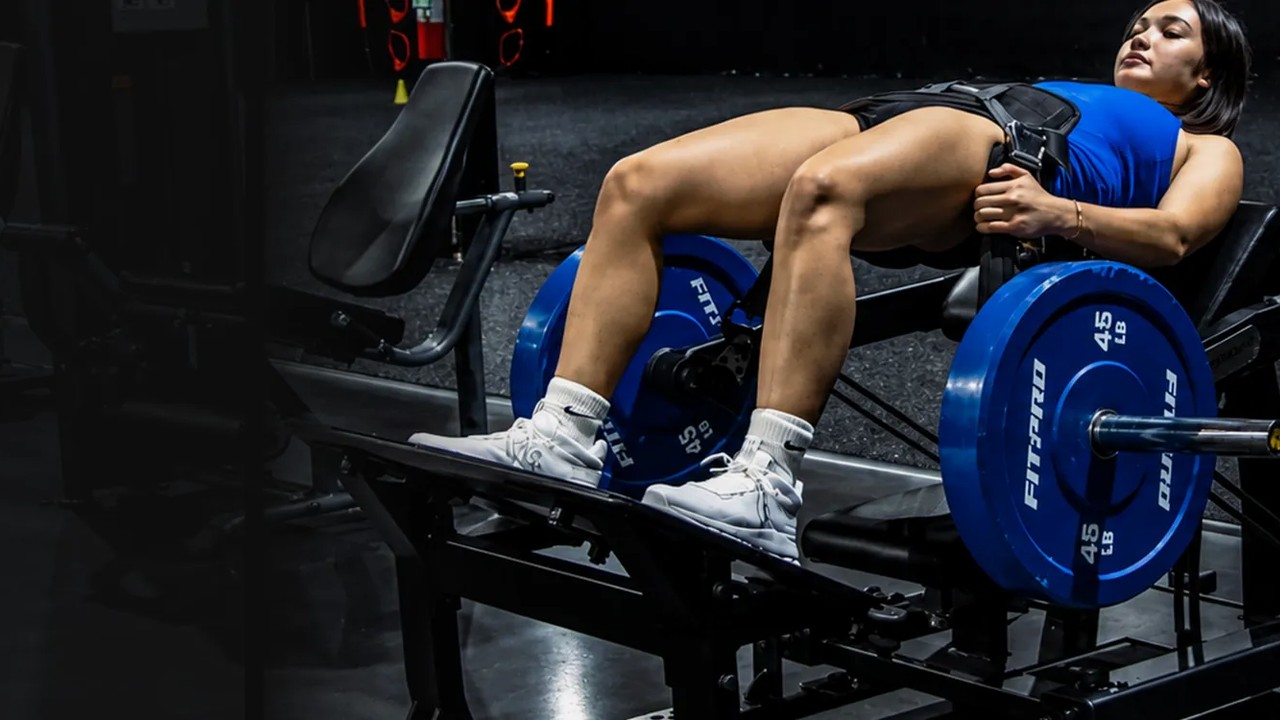
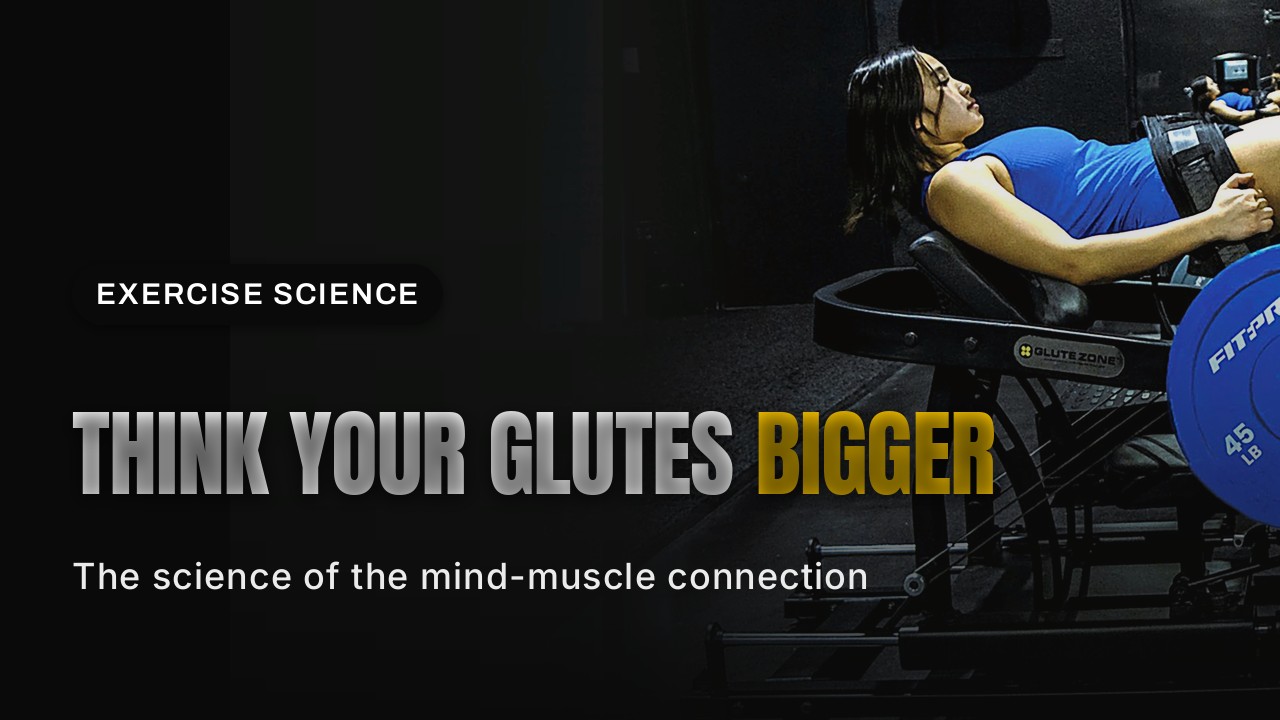
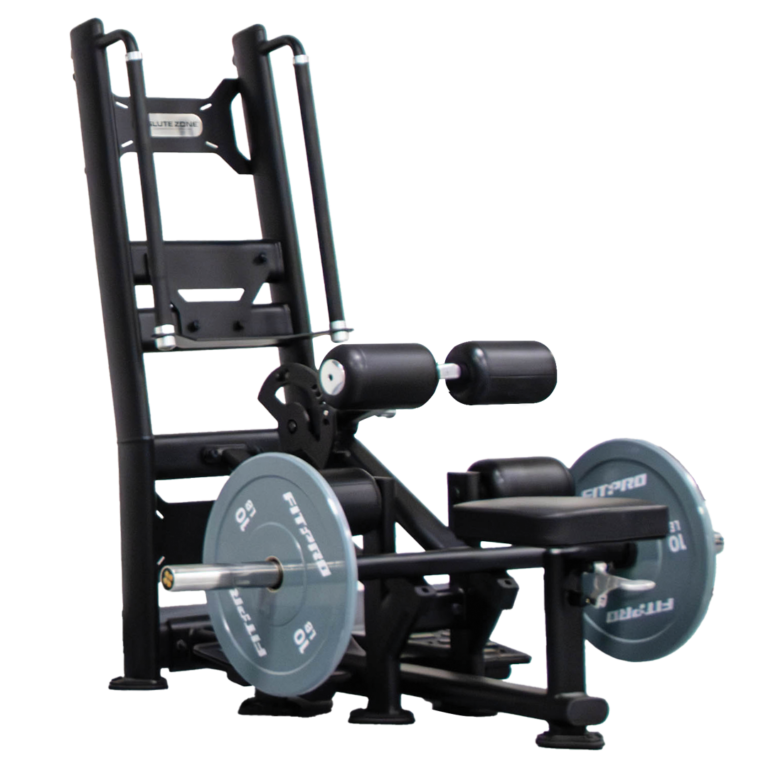
Third, neither machine wins the glute crown. Research by Contreras and colleagues found the barbell hip thrust produced higher peak gluteus maximus activation than the back squat. If glutes are the entire goal, the honest recommendation is a dedicated hip thrust machine, like the GluteZone Hip Thrust Machine with its 16-point adjustable seat. The squat machines are leg builders first. Treat them that way and program accordingly.
Joint Stress and Safety: The Pendulum’s Real Advantage
This is where the comparison stops being close. The arcing motion of the pendulum tends to be kinder on the knees and lower back than the fixed vertical track of the hack squat. Tom’s Guide notes the pendulum’s adjustable depth and range of motion make it less stressful for the lower back and joints, while the hack squat’s straight up-and-down motion can load the spine and knees more, especially at the bottom of the squat. BoxLife’s equipment guide goes further: the pendulum is the better pick for lifters with poor knee health, while the hack squat suits lifters without knee issues who want to hammer their quads.
For a gym owner, that translates directly into a wider user base. A machine that beginners, athletes, and rehab clients can all load safely gets more sessions per day than a machine only the healthy and the brave will touch. The GluteZone Pendulum Squat is designed around exactly that idea: a wide backrest with lumbar support, a low entry step, and intuitive handles sized for all users.
How to Program Each Machine for Glute Growth
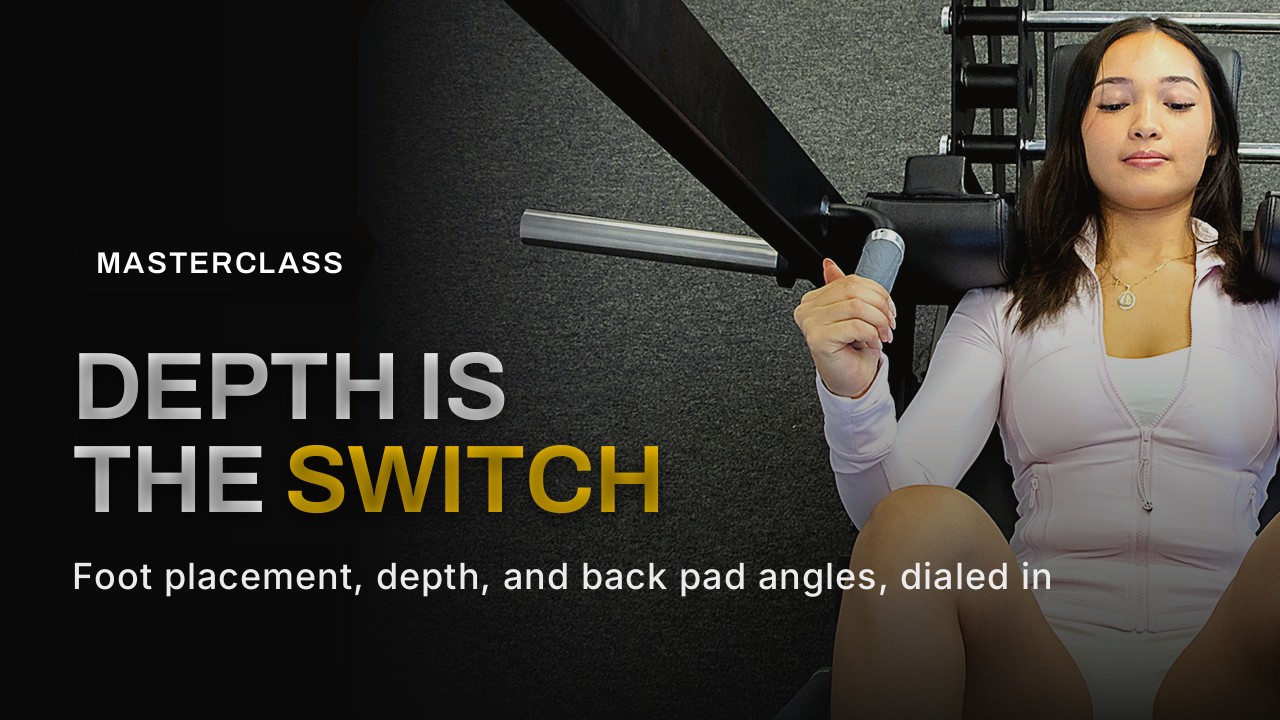
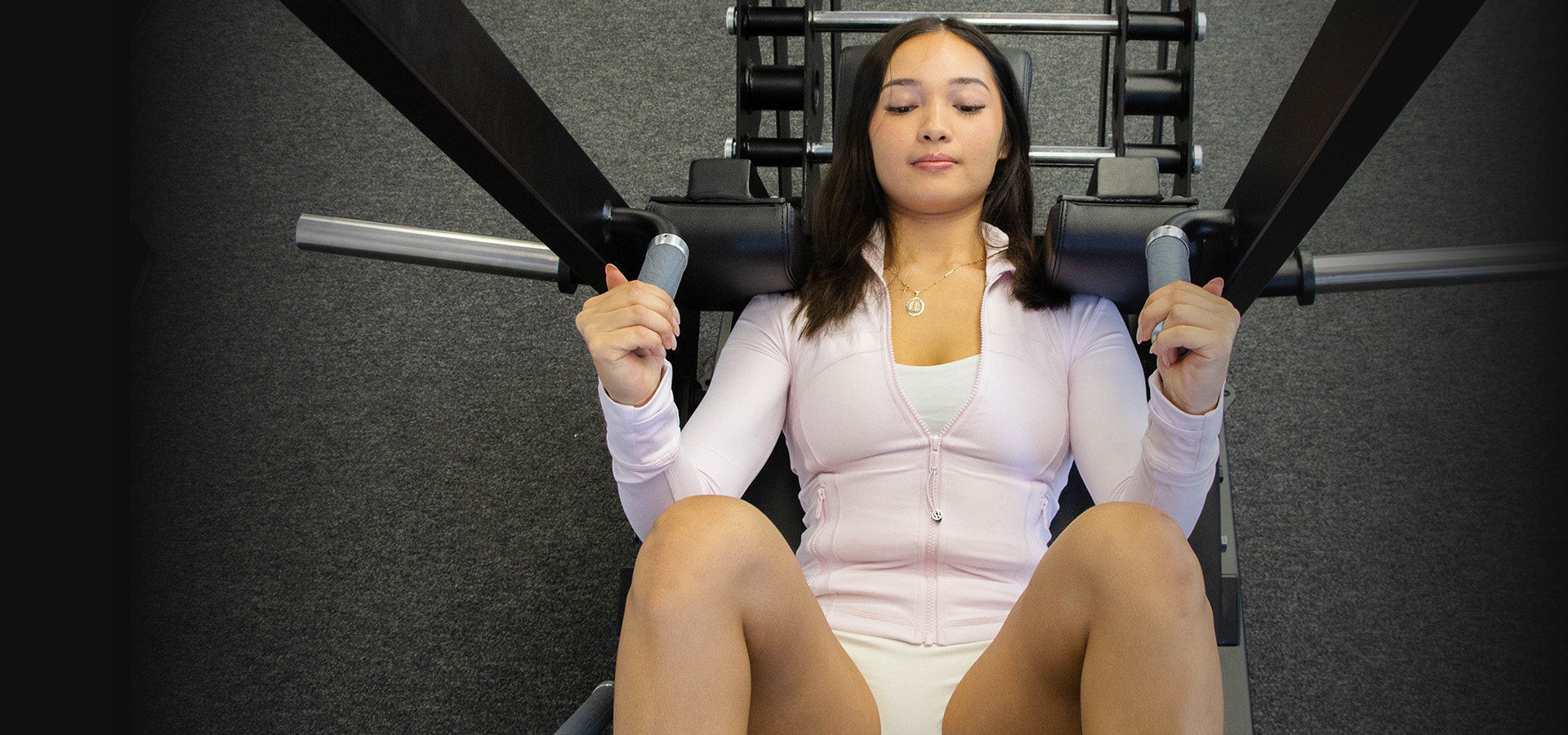
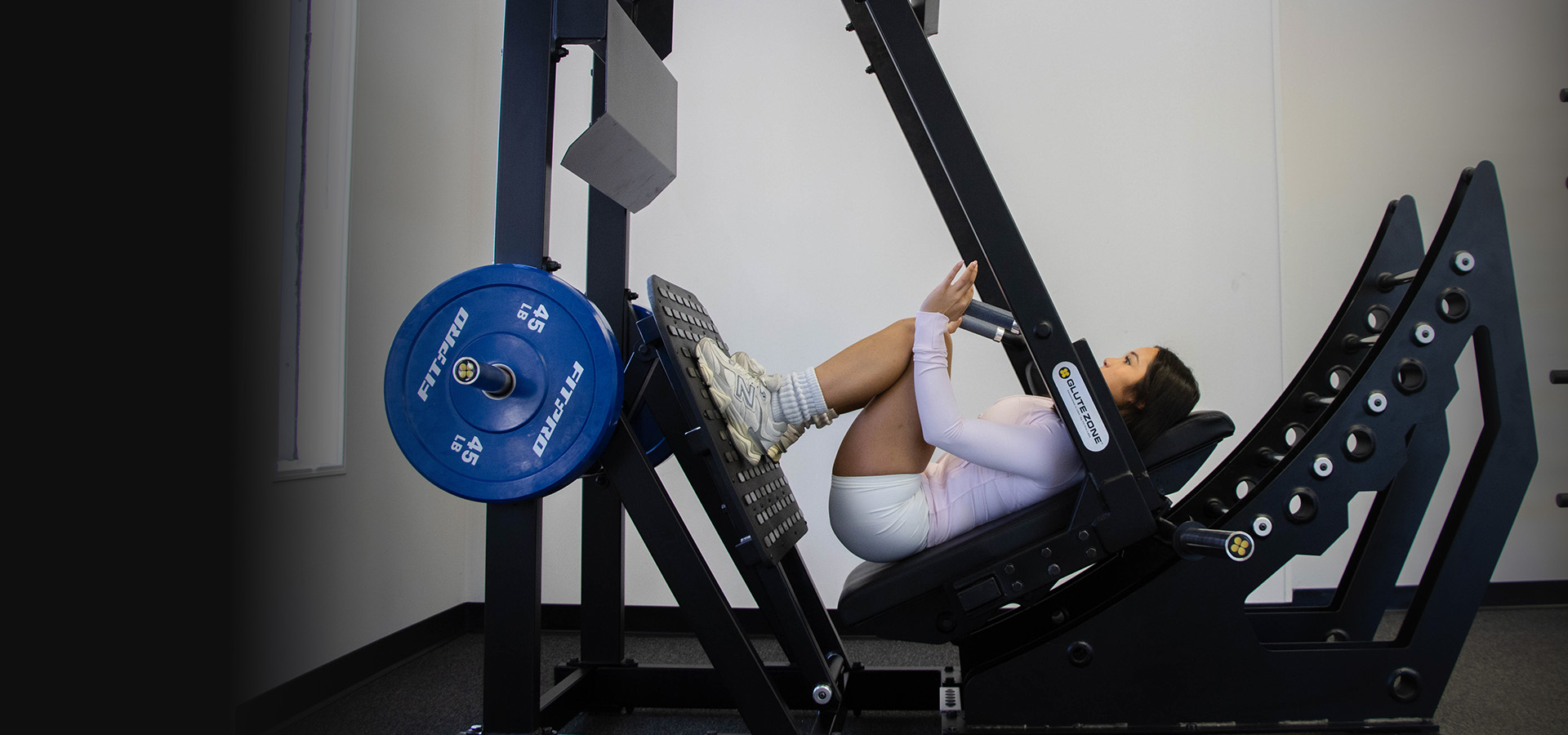
If glutes are the target, set up either machine the same way. Place your feet higher on the footplate, sit deep into the bottom position, and drive through your full foot. On the pendulum, lock in your depth with the back adjustment (GluteZone gives you 5 lock positions to choose from) and pick a foot pad angle that lets you feel the stretch at the bottom without your lower back rounding. On the hack squat, the same high-foot placement applies, but expect a harder stop on depth: the fixed track does not forgive mobility limits the way the pendulum’s arc does.
One programming note from the coaches: both machines are quad-first movements. Pair either one with a true hip-extension movement, Romanian deadlifts or hip thrusts, and you cover the full glute. That is also why the two machines coexist so well on one leg day: the pendulum for deep, joint-friendly volume, the hack squat for heavy top-end loading.
The Gym-Owner Decision: Which Machine Earns Its Floor Space
Walk your floor at peak hour and count. The hack squat is everywhere, which means it is also nowhere special. Members expect it. Nobody joins your gym because of it.
The pendulum squat is still specialty equipment in most markets. It is the machine serious lifters travel for and film themselves on. That scarcity is a business asset: it differentiates your leg area, gives your trainers a coaching tool for clients with cranky backs and knees, and it anchors a leg-day post on social media. If you are building a glute zone, the pairing writes itself: the hip thrust for peak glute activation, the pendulum for the deep squat pattern that feeds it.
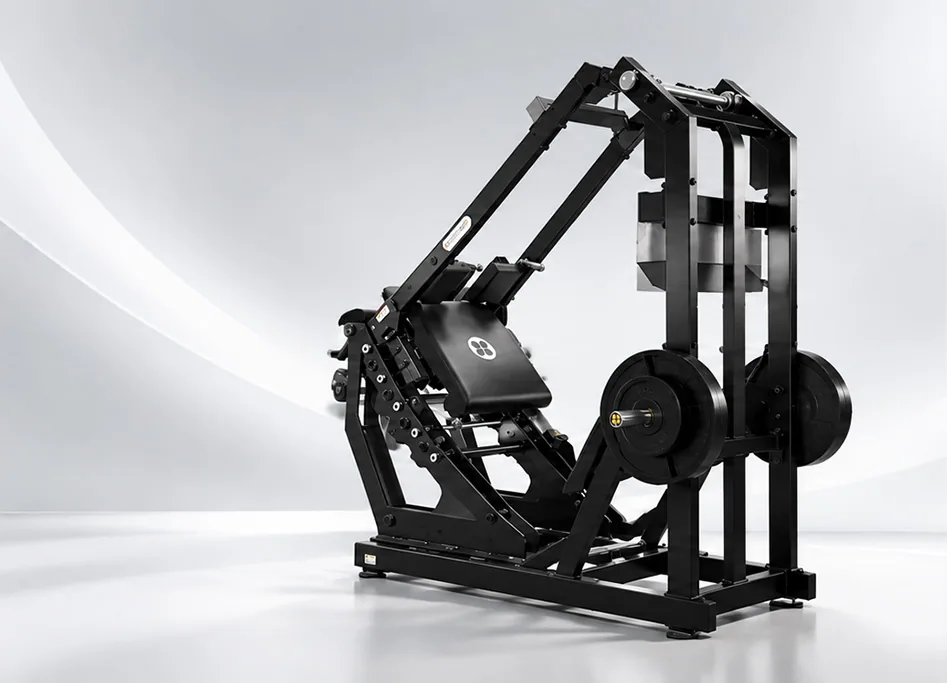
One build detail matters when you shop pendulums. Cheaper single-arm designs can shift or wobble under heavy or asymmetric loads. The GluteZone Pendulum Squat runs on a dual-arm guided system built specifically to keep the motion smooth and balanced with no lateral wobble, even loaded heavy. On a machine your members will load to the stops, that is not a luxury feature. It is the feature.
The Home-Gym Angle
For a serious home gym, the honest math is footprint versus versatility. A pendulum squat is a large, single-purpose machine. If you have the space and your knees or back complain about barbell squats, it is one of the best leg machines you can own. If space is tight, the hack squat’s smaller footprint and deeper secondhand market make it the more practical buy. Either way, buy commercial grade. A machine that flexes under load in a home gym is the same liability it is in a commercial one.
The Verdict
Pendulum squat: pick it for the deeper, joint-friendly range of motion, the glute-friendly bottom position, the resistance curve that matches your strength curve, and the differentiation it gives your floor. Hack squat: pick it for heavier absolute loading, a simpler learning curve for beginners, and a smaller footprint. For pure glute growth, buy the hip thrust machine and use either squat as the supporting act.
Ready to Put a Real Pendulum Squat on Your Floor?
The GluteZone Pendulum Squat is commercial grade, dual-arm guided, and built for high-traffic gyms. Talk to us for a quote, and ask about Affirm financing to split the investment into comfortable monthly payments.
Sources
- Tom’s Guide, “What is the pendulum squat, and how do you do it with proper form?”: movement-path comparison, joint stress, loading potential of pendulum vs. hack squat.
- BoxLife Magazine, “The Pendulum Squat: Bridging the Gap Between Strength and Safety”: pendulum vs. hack squat FAQ, knee-health guidance, safety catch.
- Sole Treadmills, “Hack Squat vs Pendulum Squat: Muscles Worked & Benefits Compared”: comparison table with movement path, resistance profile, range of motion, loading capacity, beginner friendliness.
- ATE Online, Pendulum Squat product FAQ: foot placement rule (feet lower for quads, higher for glutes), back-friendly design.
- Life Fitness / Hammer Strength, Pendulum-X Squat product comparison: resistance profile, lighter at the bottom and heavier at the top of the movement.
- Contreras et al., “Activation of the Gluteus Maximus During…”: barbell hip thrust produced higher peak gluteus maximus activation than the back squat.