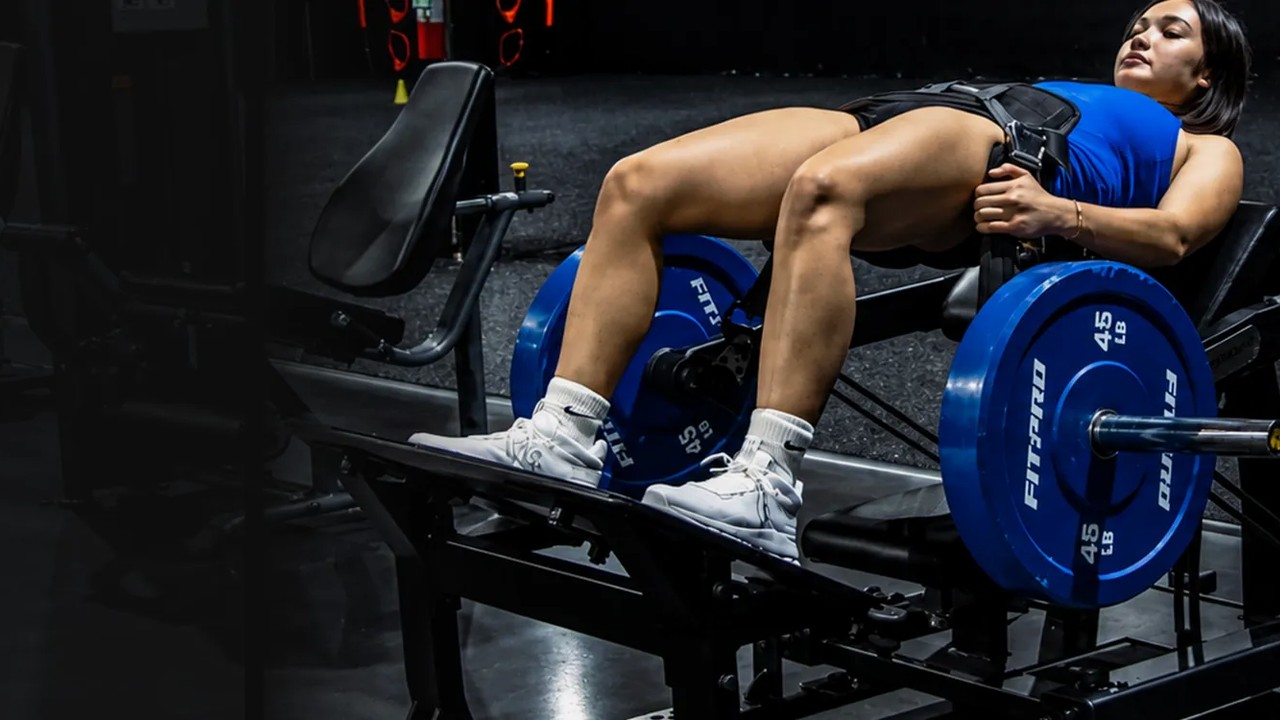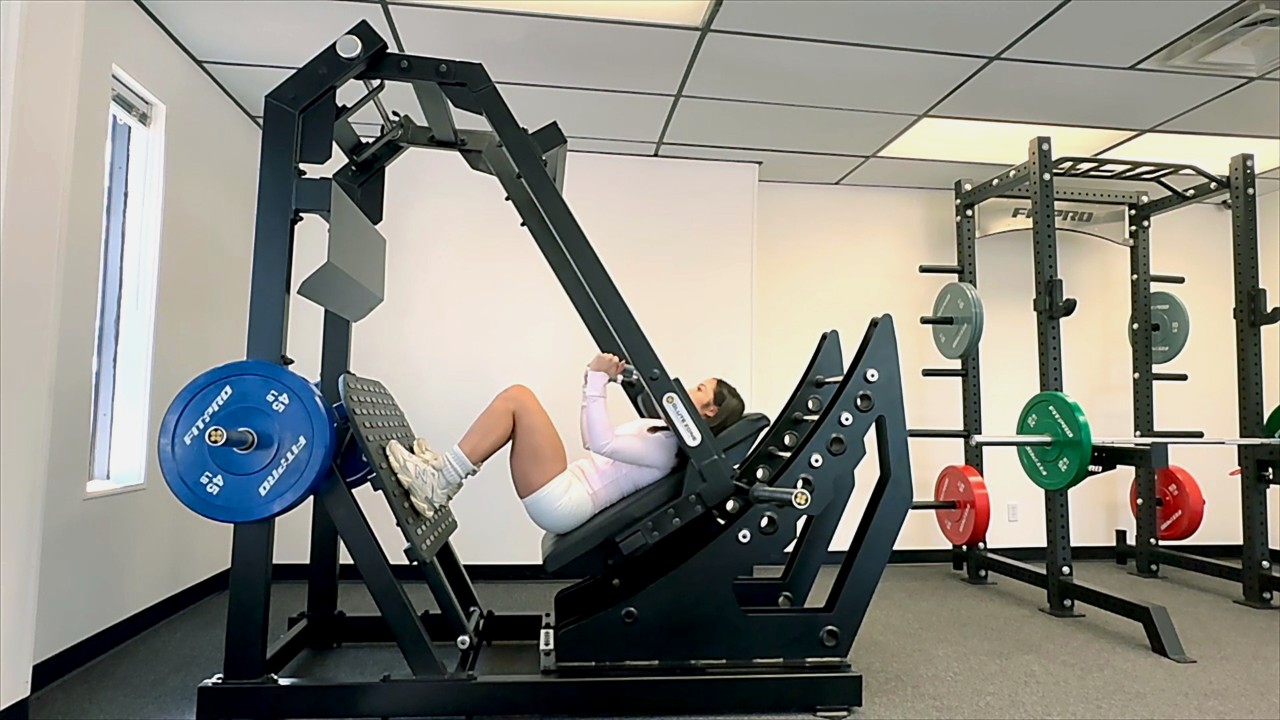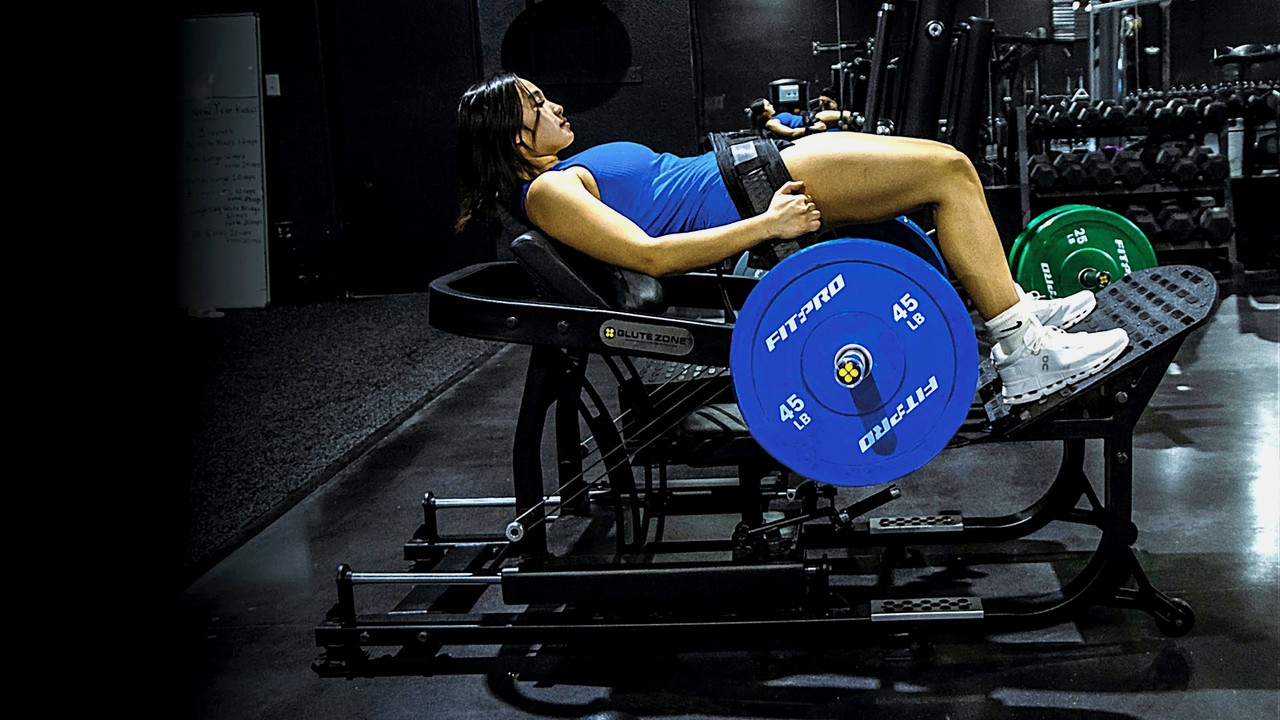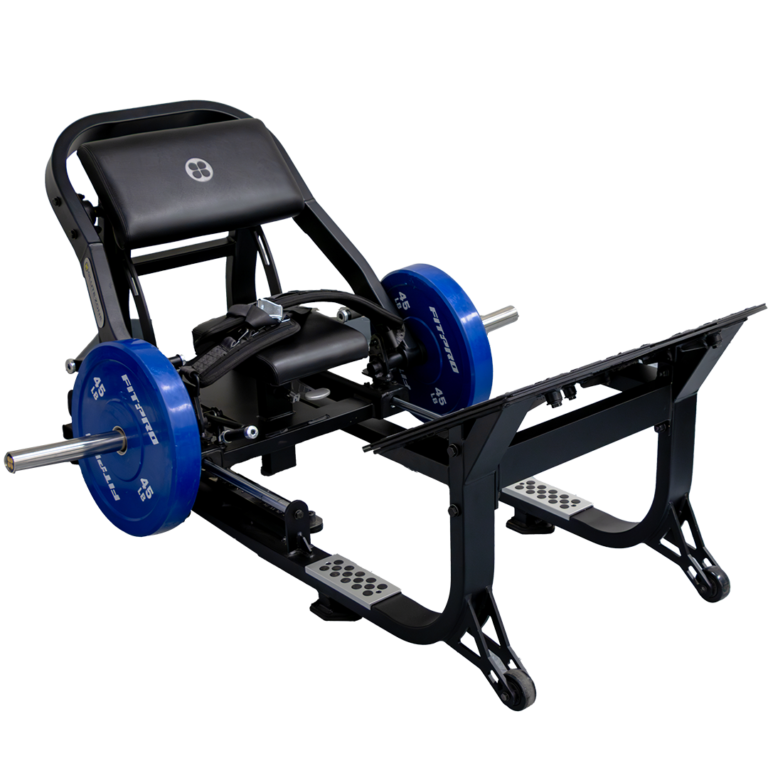


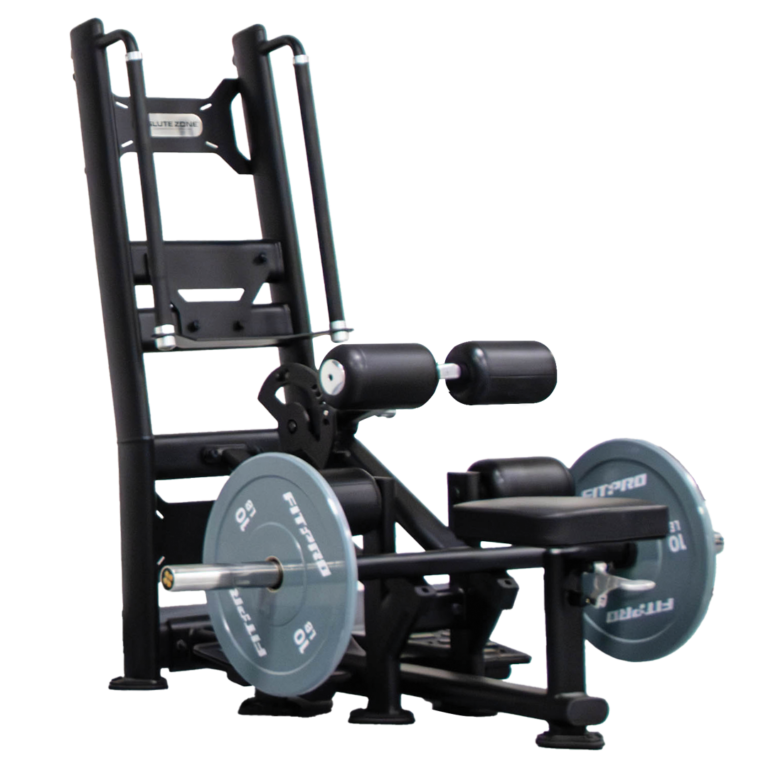

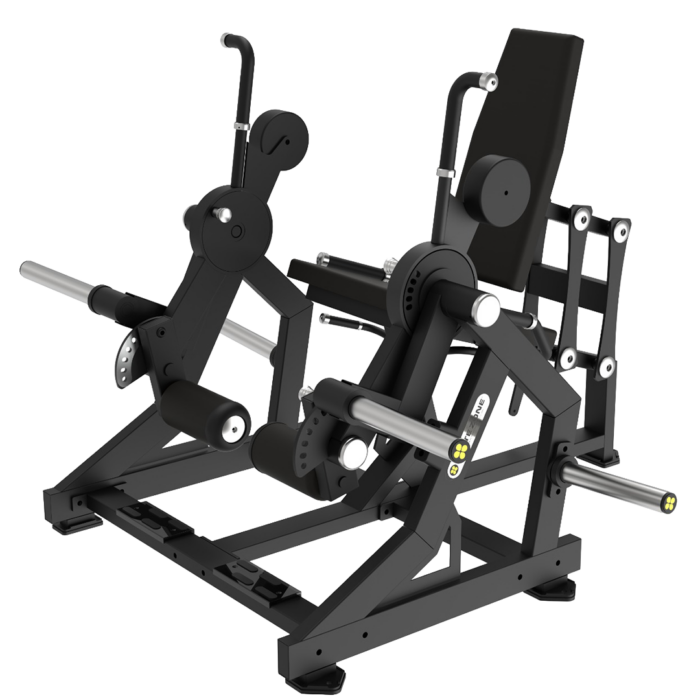
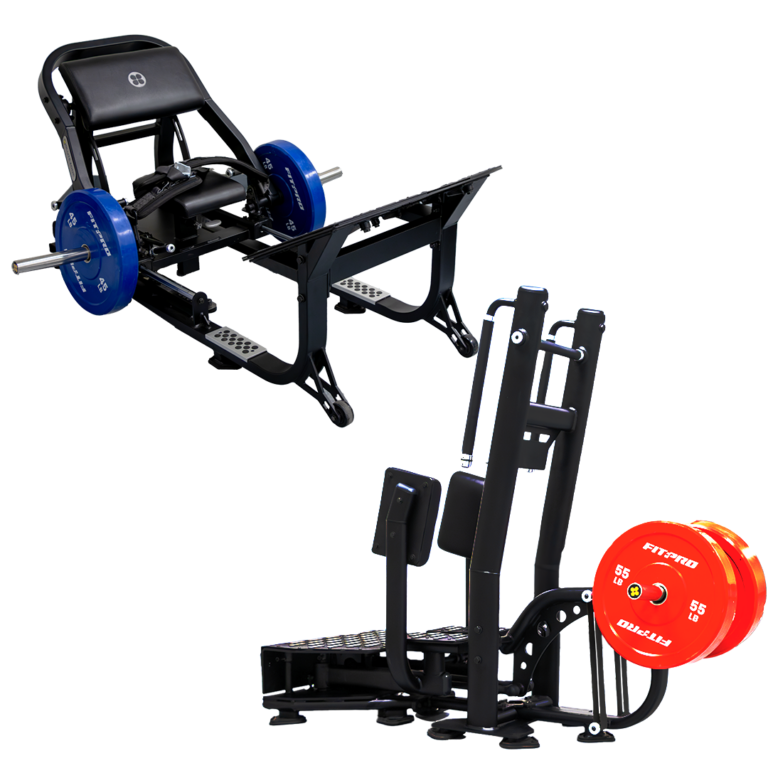
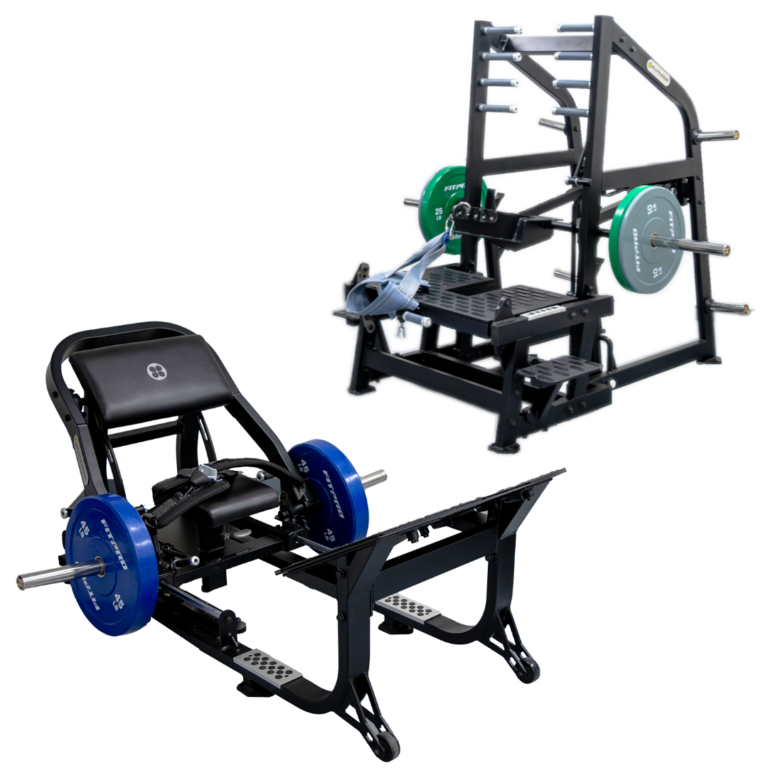

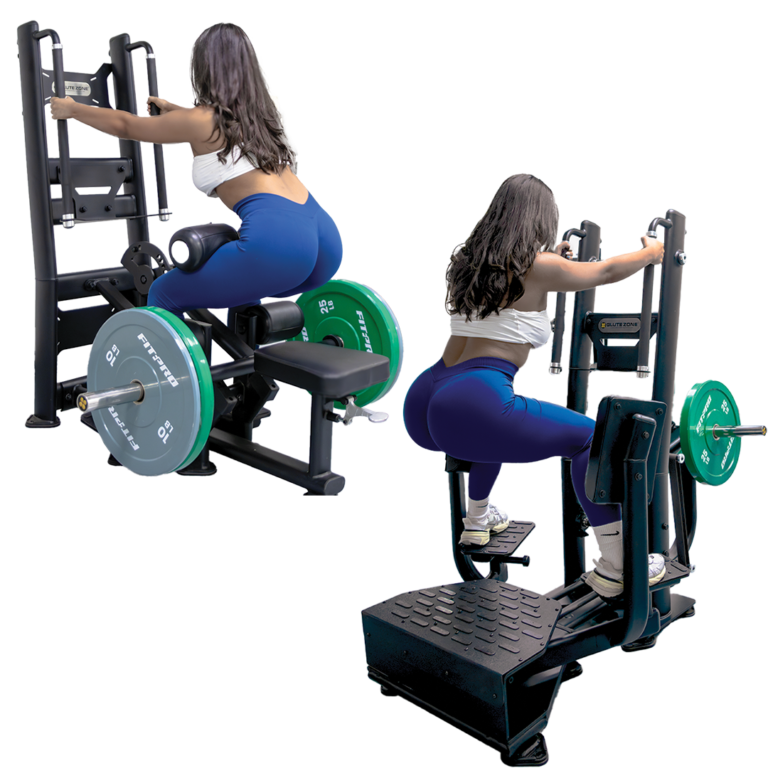


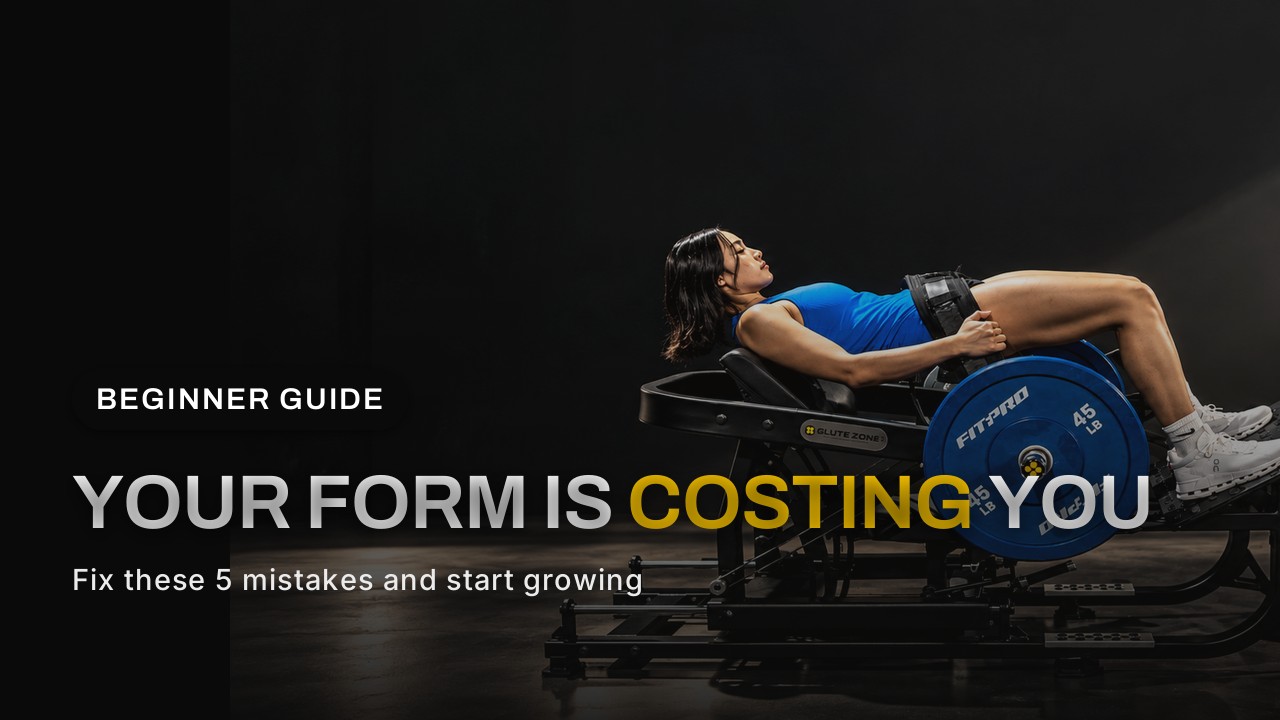

The hip thrust machine is the most beginner-friendly glute builder ever put on a gym floor. There is no bar to balance, no bench sliding out from under you, and the movement path is guided, so even a first-timer can load the glutes hard and safely. Surface EMG research found the barbell hip thrust produces far greater gluteus maximus activation than the back squat (Contreras et al., 2015), and the machine version keeps all of that glute focus while removing the awkward setup.
Yet walk into any commercial gym and you will see the same scene: someone on the hip thrust machine, working hard, making the same five mistakes week after week, and wondering why their glutes are not growing. The machine is not the problem. The habits are.
This guide breaks down the five mistakes that stall beginner glute progress the longest, with the science behind each one and the exact fix. Whether you run a gym full of beginners or you are building your own glute program at home, these are the details that separate months of spinning wheels from visible growth.
Mistake #1: You Skip the Setup
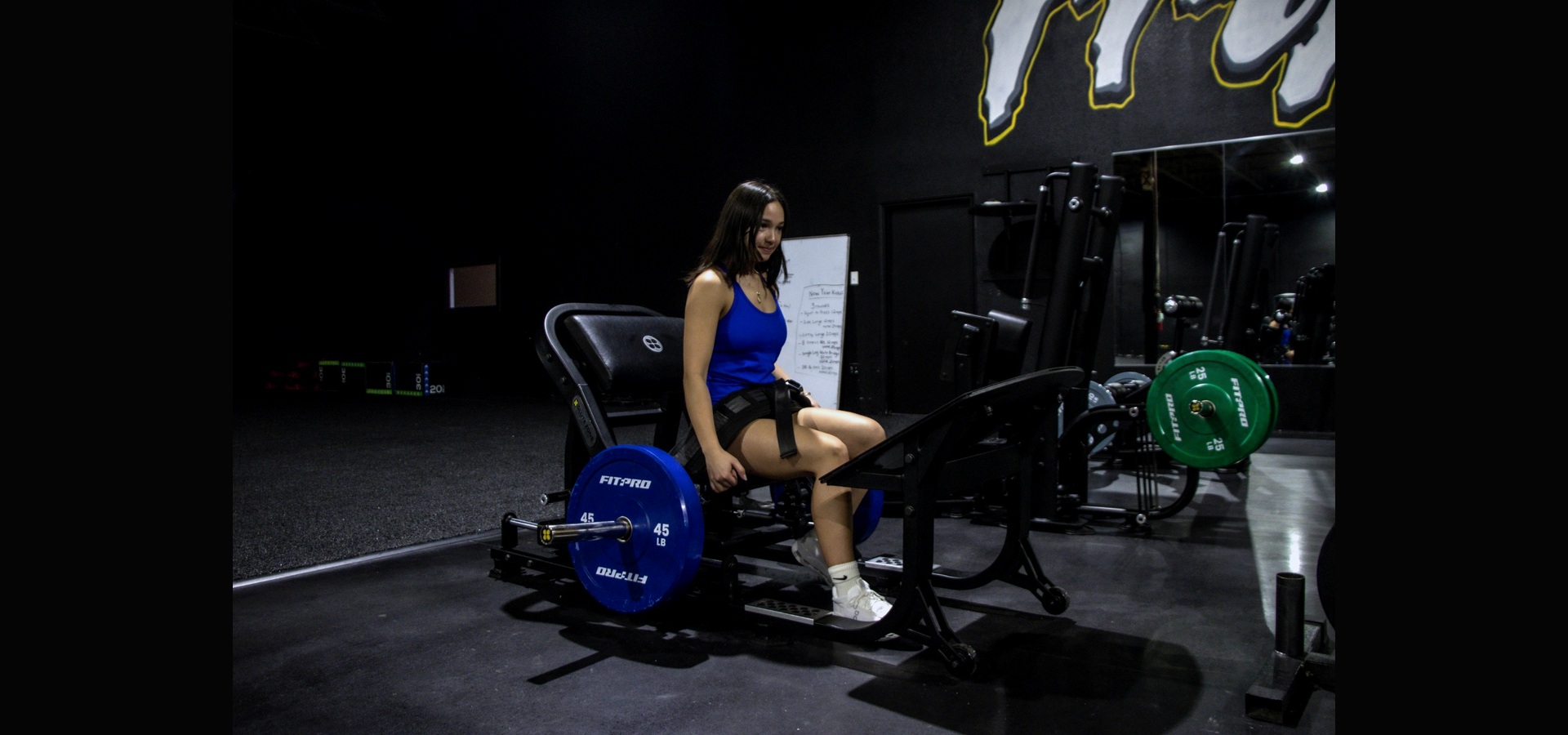
The number one beginner error happens before the first rep. People sit down, throw plates on, and thrust. Feet land wherever they land, the back pad sits at whatever height it was left at, and the whole set is fought against bad geometry instead of gravity.
Setup on a machine matters just as much as setup with a barbell. Here is the checklist that fixes it:
- Feet flat, shoulder-width apart. At the top of the thrust, your knees should form roughly a 90-degree angle. Feet too far forward turns the movement into a hamstring exercise. Feet too close jams the knees.
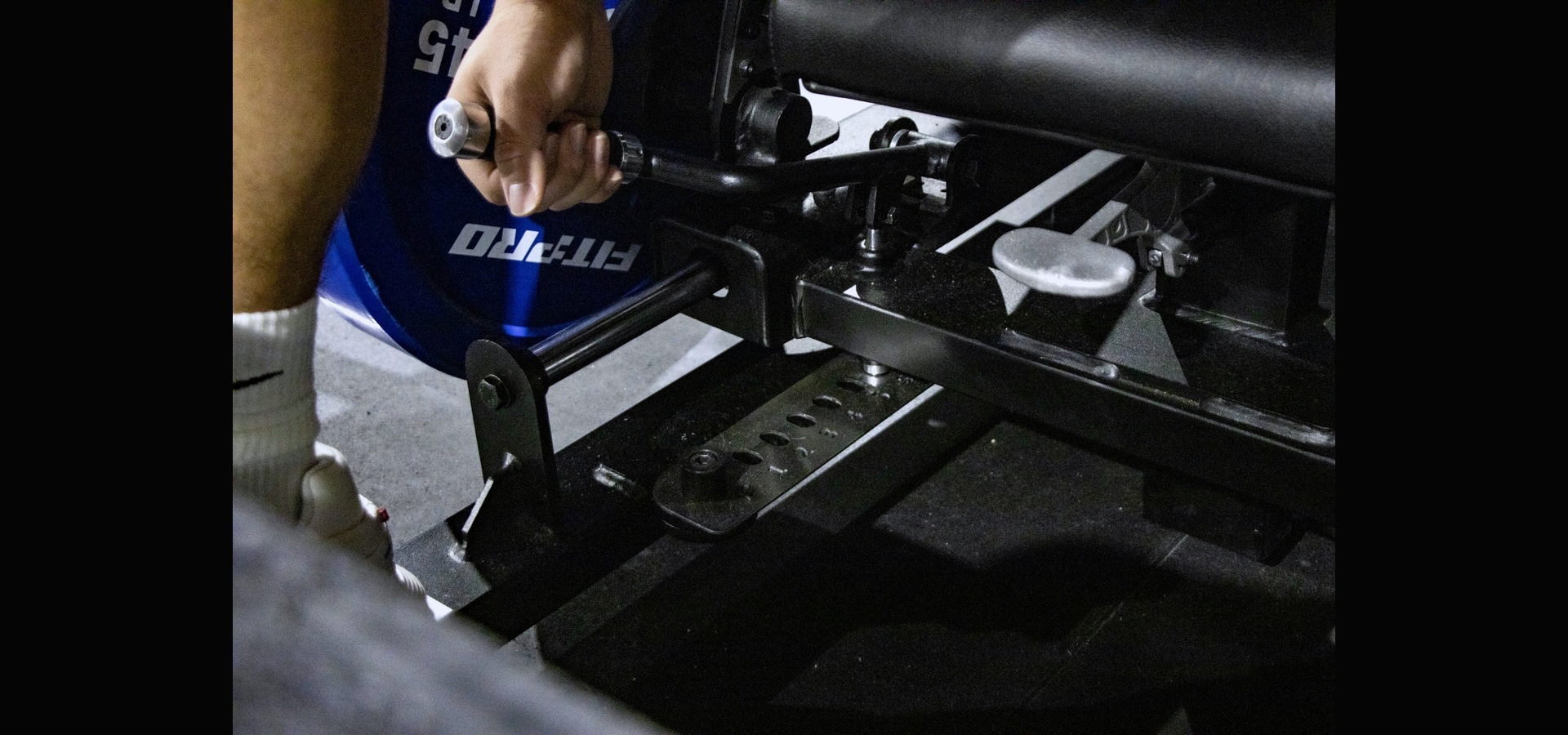
- Seat height dialed in. The GluteZone Hip Thrust Machine has a 16-point adjustable seat, so there is no excuse for a wrong fit. Move the seat until your upper back sits comfortably on the pad and your hip crease clears the belt line with room to move through full hip extension.
- Belt below the hip bones. The belt should sit at the crease of your hips, not on your stomach and not on your thighs. That placement keeps the load on the glutes instead of your lower back.
- Ribs down, chin tucked. This is the cue that kills the back arch. Think about keeping your ribs pulled toward your pelvis through the whole rep. If you feel the movement in your lower back instead of your glutes, your ribs are flaring.
For the full adjustment walkthrough, read our Hip Thrust Setup Guide, which explains all 16 seat positions for different body types.
Spend 60 seconds on setup before every session. The machine remembers nothing; your last adjustment is gone the moment someone else uses it.
Mistake #2: You Cut Every Rep Short
The second mistake is the half rep. The lifter drives up three-quarters of the way, never fully extends the hips, then drops back down fast. It looks like a lot of work. The glutes disagree.
A 2021 systematic review and meta-analysis in the Scandinavian Journal of Medicine and Science in Sports pooled 16 studies comparing full versus partial range of motion in resistance training. Full range of motion produced significantly greater improvements in muscle strength and, critically for glute goals, greater lower-limb muscle hypertrophy (Pallares et al., 2021). Shallow reps leave growth on the table, rep after rep, set after set.
The fix is simple and brutal: own the full range. Lower your hips until you feel a deep stretch in the glutes, drive all the way to full hip extension, and pause for a full second at the top while squeezing hard. Lower under control over two to three seconds. If you cannot complete full reps with your current load, the load is too heavy. Drop the weight, keep the range, and your glutes will grow faster on less weight than they ever would on heavy partials.
Full hip extension on every rep. The top of the movement, where the glutes are fully shortened and contracted, is the money position. Never skip it.
Mistake #3: You Train Glutes Once a Week
Beginners love the classic “leg day” and then ignore their glutes for six more days. One hard weekly session feels productive, but the biology says otherwise.
A landmark meta-analysis by Schoenfeld, Ogborn, and Krieger (2016), published in Sports Medicine, compared training frequencies across the available research and concluded that training each muscle group twice per week produced significantly greater hypertrophy than training it once per week, even when total weekly volume was matched. The mechanism is straightforward: each hard session elevates muscle protein synthesis for roughly 24 to 48 hours. Train once a week and you get one growth window. Train twice and you get two.
For glute development, the practical prescription is two to three hip thrust sessions per week with at least 48 hours between them. That schedule fits naturally into an upper/lower split or a full-body routine, and it is exactly what the GluteZone product team recommends in the machine’s own programming FAQ. Beginners recover faster than they think; the glutes are a large, resilient muscle group that responds well to frequency.
Put glutes on the calendar twice a week minimum. Frequency is a growth variable, not just a scheduling detail.
2x per week — Training a muscle group twice weekly beats once-weekly for hypertrophy, volume matched (Schoenfeld, Ogborn & Krieger, 2016)
1.6 g/kg/day — The protein intake where muscle gains plateau; more adds nothing (Morton et al., 2018, 49 trials, 1,863 people)
Full ROM — Full range of motion beat partial ROM for lower-body hypertrophy across 16 studies (Pallares et al., 2021)
69.5% vs 29.4% — Mean upper gluteus maximus activation, hip thrust vs. back squat (Contreras et al., 2015)
Mistake #4: You Use the Same Weight for Months
Here is the uncomfortable truth about most beginner programs: the logbook never changes. Same plates, same reps, same effort, month after month. Muscles adapt to the stress you give them; if the stress never increases, growth stops.
Progressive overload is the engine of hypertrophy, and on a machine it is beautifully simple to apply. Add a small amount of load when you hit the top of your rep range. Add a rep when you cannot add load. Track every session in your phone’s notes app so “a little more than last time” becomes a number, not a feeling.
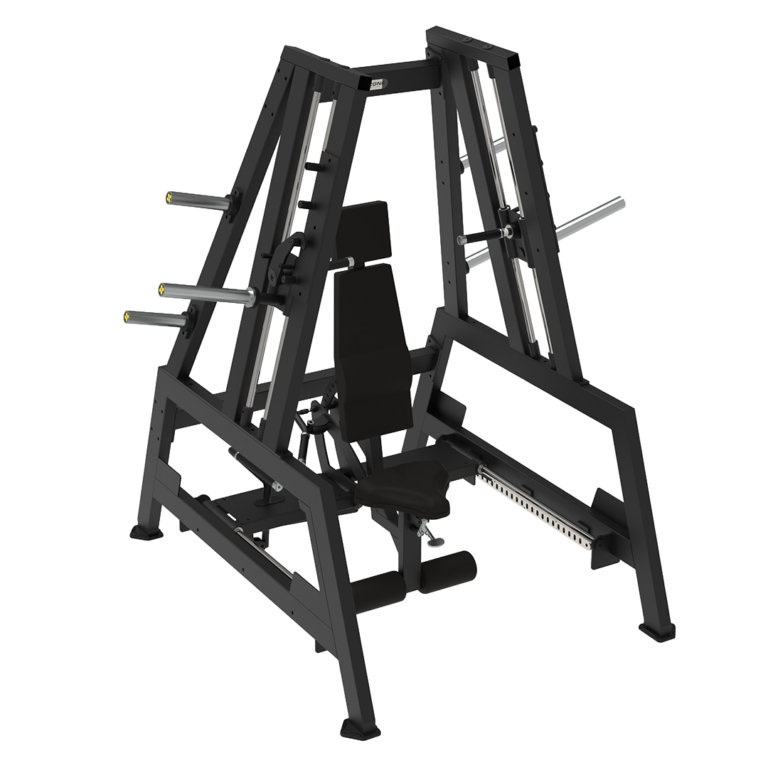
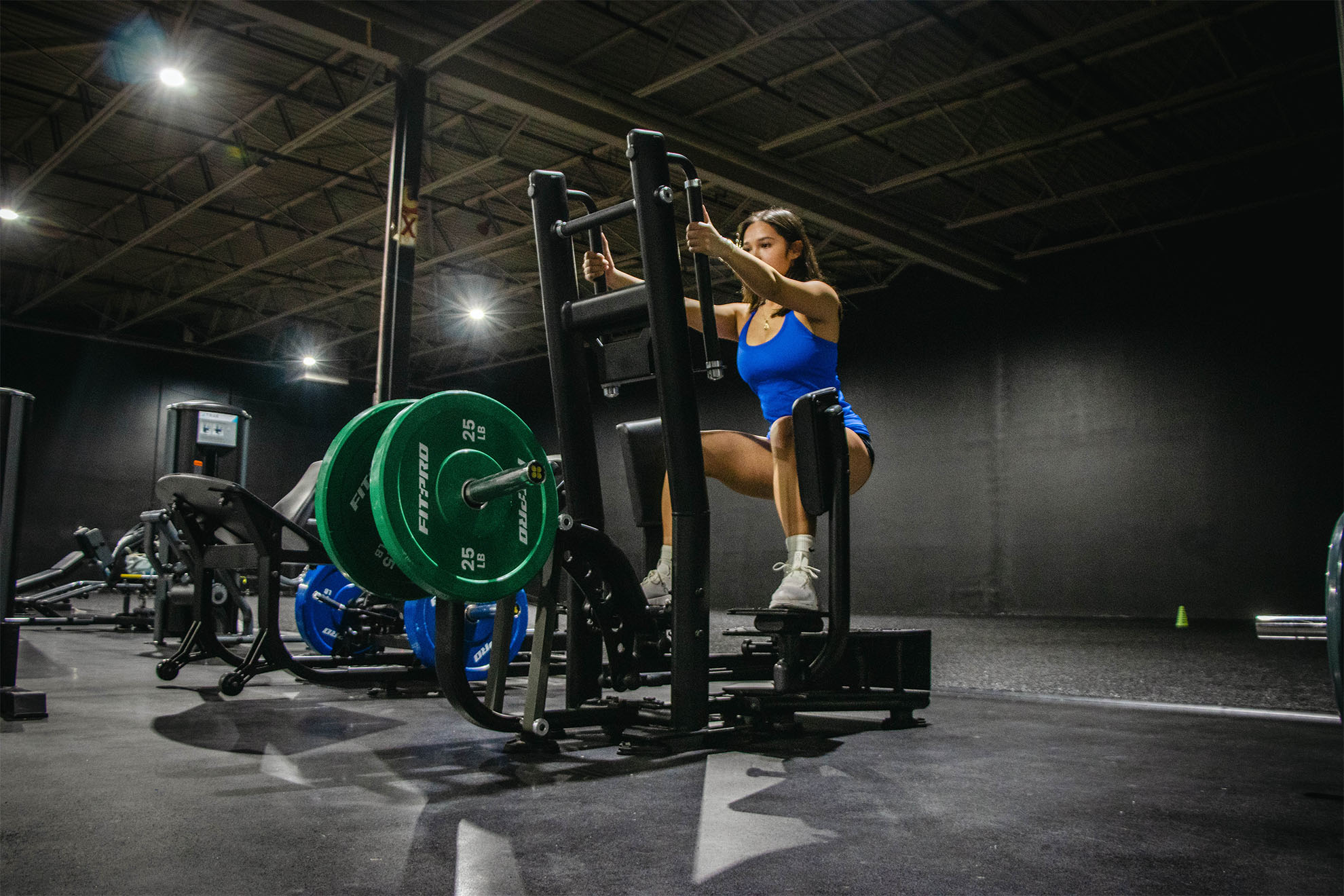
Two programming details multiply the effect. First, rest long enough between hard sets. Research on trained lifters found that 3-minute rest intervals produced greater increases in muscle strength and muscle thickness than 1-minute rests (Schoenfeld et al., 2016). Beginners rushing through 45-second rests are leaving reps, and growth, behind. Second, when progress on the hip thrust stalls, add a second glute movement instead of just pushing the same one harder. The Pendulum Squat hits the glutes through a deep loaded stretch from a completely different angle, which is a proven way to restart stalled growth.
Beat last week’s numbers, even by a little. Small, tracked increases compound into big glutes.
Mistake #5: You Under-Eat Protein
You can train perfectly and still not grow if the raw materials are missing. Beginners routinely eat like casual dieters while training like athletes, then blame the program.
The evidence-based target comes from a large meta-analysis by Morton and colleagues (2018) in the British Journal of Sports Medicine: 49 randomized trials with 1,863 participants found that protein intakes above roughly 1.6 grams per kilogram of body weight per day produced no further gains in fat-free mass during resistance training. In plain terms, a 70 kg (155 lb) lifter needs about 110 grams of protein daily to maximize growth. Most beginners eating without a plan land far below that.
You do not need a complicated meal plan. Anchor each meal with a palm-and-a-half of protein, add a protein shake on training days if needed, and keep it consistent. Training builds the signal; protein builds the tissue.
Aim for about 1.6 g of protein per kg of body weight daily. It is the cheapest performance upgrade in this entire article.
A Note for Gym Owners: Beginners Are Your Biggest Segment
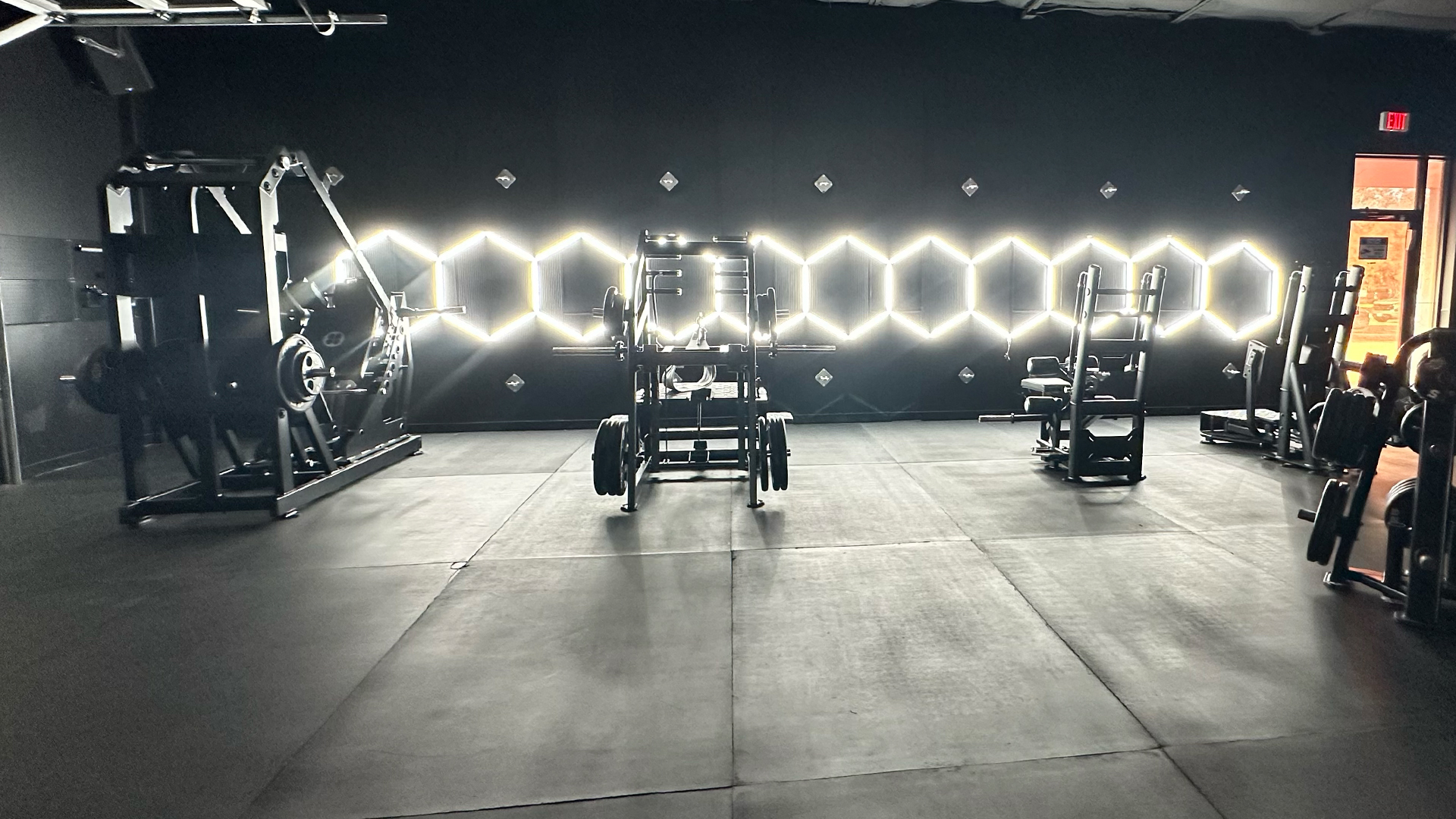
If you run a commercial gym, this article is also a business memo. Beginners are the largest and most intimidated group walking through your doors, and the equipment you choose decides whether they stay. A guided hip thrust machine removes the two things beginners fear most: complicated setup and looking foolish. The 16-point seat adjustment means one machine fits a 5’2″ new member and a 6’4″ athlete equally well, and the fixed movement path means a trainer can teach correct form in a single session.
Machines that coach themselves keep beginners training, and beginners who train become members who renew.
Beginner Hip Thrust FAQ
How many times per week should a beginner do hip thrusts?
Two to three times, with at least 48 hours between sessions. Research shows twice-weekly training per muscle group beats once-weekly for hypertrophy (Schoenfeld et al., 2016). Three full-body days with hip thrusts in each is a perfect beginner template.
How much weight should a beginner start with on the hip thrust machine?
Start with just the machine’s empty arm to learn the movement path, then add load gradually. The goal of the first two weeks is perfect form and full range of motion, not heavy weight. Add plates only when every rep looks identical.
Is the hip thrust machine better than the barbell hip thrust for beginners?
For beginners, yes. Both are highly effective, but the machine guides the movement, eliminates the awkward barbell setup, and lets new lifters focus entirely on feeling their glutes work. The GluteZone product FAQ notes both variations build glutes well; the machine simply shortens the learning curve.
How long until I see glute growth as a beginner?
With consistent training, progressive overload, and enough protein, most beginners notice strength gains in 3 to 4 weeks and visible changes in 8 to 12 weeks. The studies behind these recommendations ran 6 weeks or longer. There are no 2-week transformations; there is only compounding consistency.
Train Glutes the Right Way, From Rep One
The GluteZone Hip Thrust Machine is commercial grade, plate-loaded up to 550 lbs, and adjustable to 16 positions, so every member, from first-timer to competitor, trains with perfect form. Affirm financing available.
Sources
- Schoenfeld, B. J., Ogborn, D., & Krieger, J. W. (2016). Effects of resistance training frequency on measures of muscle hypertrophy: A systematic review and meta-analysis. Sports Medicine. ResearchGate
- Morton, R. W., et al. (2018). A systematic review, meta-analysis and meta-regression of the effect of protein supplementation on resistance training-induced gains of muscle mass and strength in healthy adults. British Journal of Sports Medicine. academicworks.cuny.edu
- Pallares, J. G., et al. (2021). Effects of range of motion on resistance training adaptations: A systematic review and meta-analysis. Scandinavian Journal of Medicine & Science in Sports. onlinelibrary.wiley.com
- Contreras, B., Vigotsky, A. D., Schoenfeld, B. J., Beardsley, C., & Cronin, J. (2015). A comparison of gluteus maximus, biceps femoris, and vastus lateralis electromyographic activity in the back squat and barbell hip thrust exercises. Journal of Applied Biomechanics. ResearchGate
- Schoenfeld, B. J., et al. (2016). Longer interset rest periods enhance muscle strength and hypertrophy in resistance-trained men. Journal of Strength and Conditioning Research, 30(7), 1805-1812.
- GluteZone Hip Thrust Machine product page (specs and programming FAQ verified 2026-10-11). glutezone.com/product/hip-thrust-machine/