





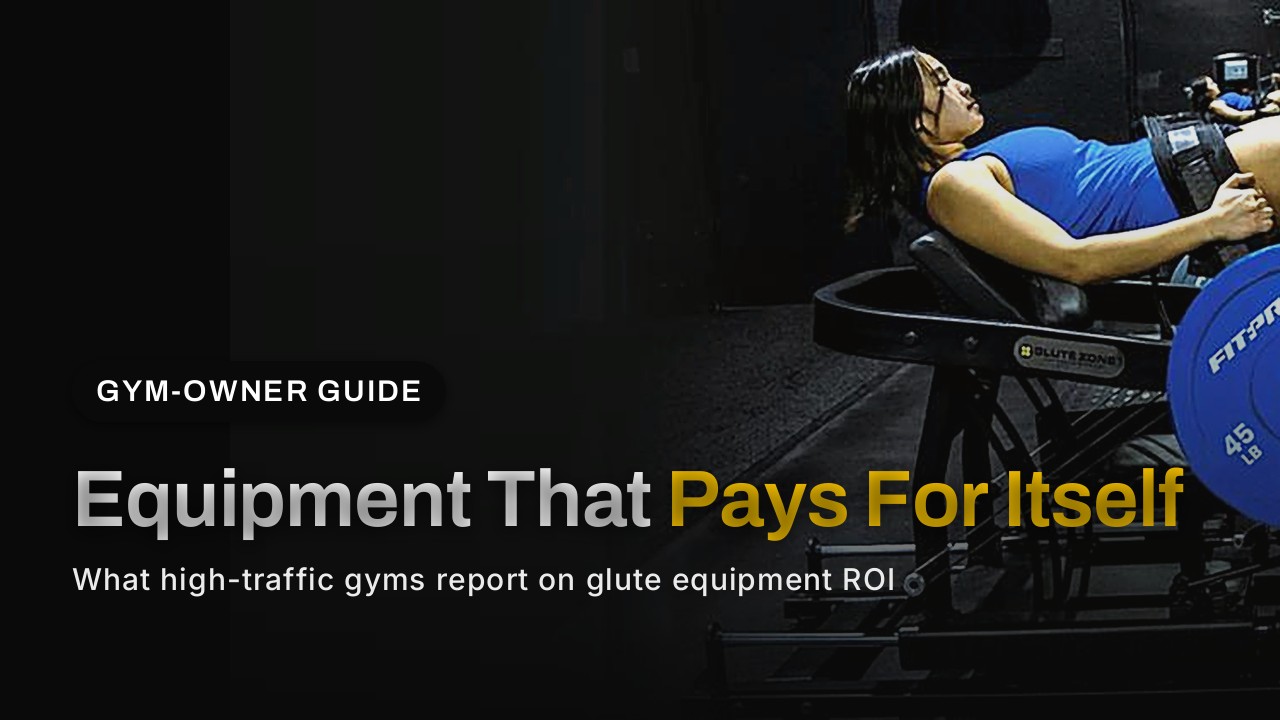

Every gym owner has walked the floor and spotted it: a machine that cost thousands, sitting empty while members queue for the equipment they actually came for. Equipment graveyards are real, and they are expensive.
But the opposite is also real. Some machines pay for themselves in months, then keep earning for years. In high-traffic gyms, glute equipment has quietly joined that category. Not because of hype, and not because glute training is a passing trend. The reason is simpler: retention math, proven demand, and differentiation. This is the business case, built on verified data, that gym owners are actually using.
The Real Currency Is Retention, Not Foot Traffic
New members are expensive. Keeping members is not. That single fact decides the ROI of almost every equipment purchase you will ever make.
The Health and Fitness Association’s 2026 U.S. Consumer Report found that 81 million Americans held gym, studio, or facility memberships in 2025, an all-time high, and the share of members who never used their membership fell to a record low of 4.6 percent. More people are paying for gyms and actually training. That also means more clubs are competing for the same loyal members.
Here is the retention picture, all from industry sources published this year:
The HFA’s benchmarking data puts median annual member retention at 66 percent, with top-performing clubs exceeding 75 percent (via SGB Online). Industry research consistently finds that acquiring a new member costs roughly five times more than retaining an existing one (PushPress, 2026). Bain and Company’s oft-cited analysis holds that a 5 percent increase in retention can increase profits by 25 to 95 percent (via ClubWise). And roughly half of new gym members quit within their first six months, according to Glofox’s 2025 onboarding research (via ABC Fitness).
5x
More expensive to acquire a member than to retain one (PushPress, 2026)
25-95%
Profit lift from a 5% increase in retention (Bain & Company)
50%
New members who quit within their first six months (Glofox, 2025)
The conclusion writes itself: the machine that gives members a reason to stay is worth more than the machine that impresses on a tour. Every retained member-month is revenue against the machine’s price. Run that math before you run any other math.
The Demand Is Already on Your Floor
Glute equipment does not need manufactured demand. The audience is walking into your gym every day, and the data says it is growing fast.
Strength training was the fastest-growing sport among women on Strava in 2024, with uploads up 25 percent. Women’s resistance-machine use jumped 558 percent between 2011 and 2021 (Harrison Co.). Crunch Fitness’s CEO has stated that women now account for more than half of lifting-platform usage, and Planet Fitness removed more than 40 percent of its cardio machines across roughly 1,700 locations to make room for weights demand (Fitt Insider, 2025).
In plain terms: the fastest-growing segment in the industry is strength-training women, and their training centers on glutes, legs, and lower body. A gym without dedicated glute equipment is sending that audience a message, whether it means to or not. (We covered the retention side of this in detail in Why a Dedicated Glute Zone Increases Member Retention.)
Differentiation: Be the Gym With the Glute Zone
Here is the part most equipment buyers miss. A hip thrust machine is not just a training tool. It is a positioning tool.
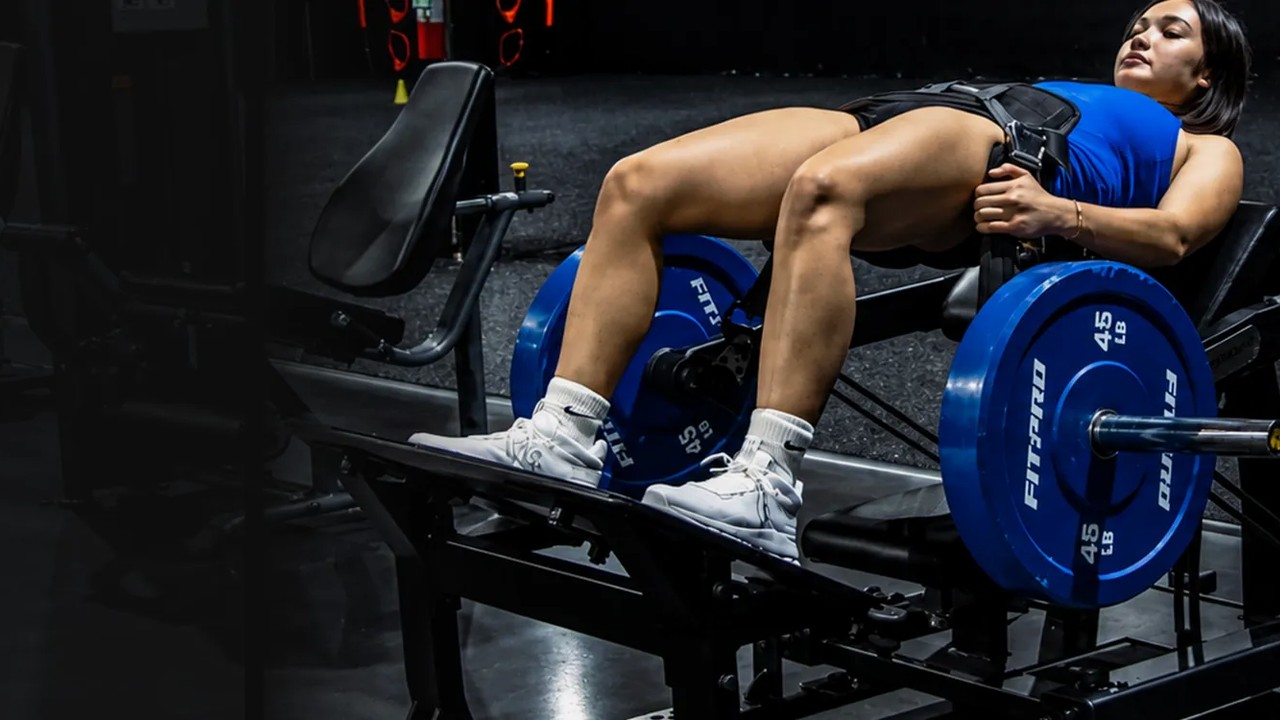
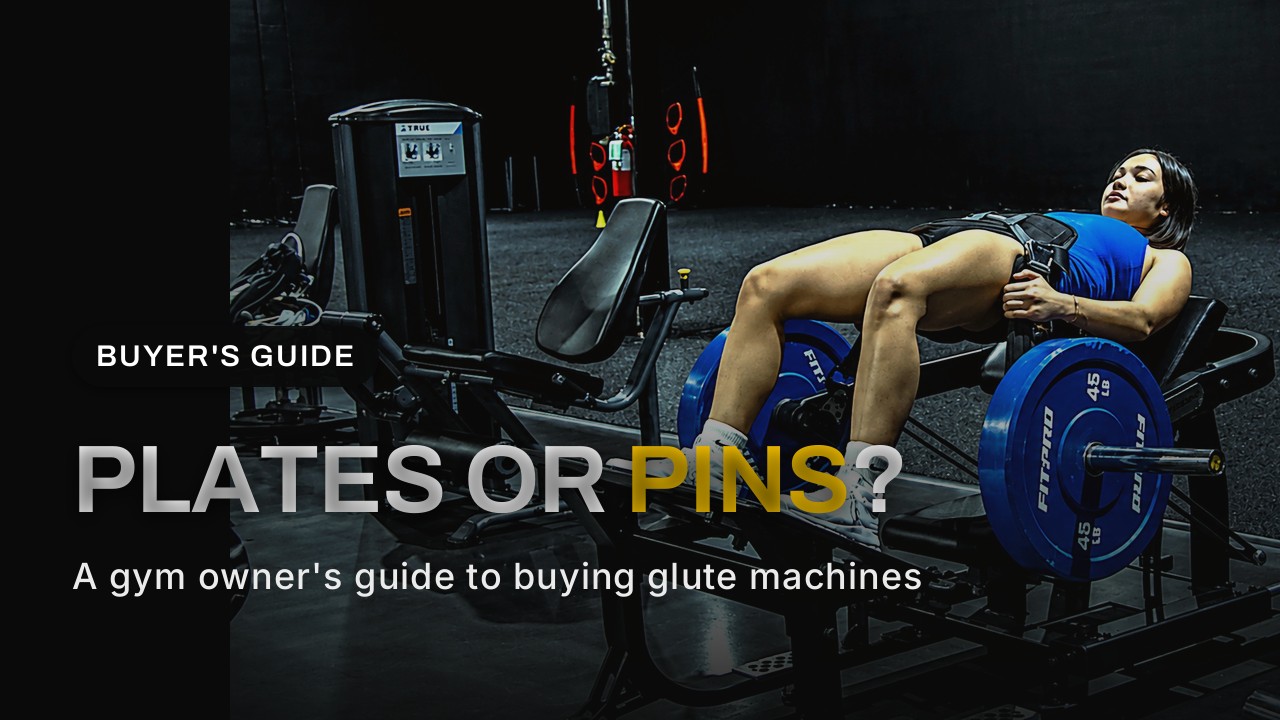
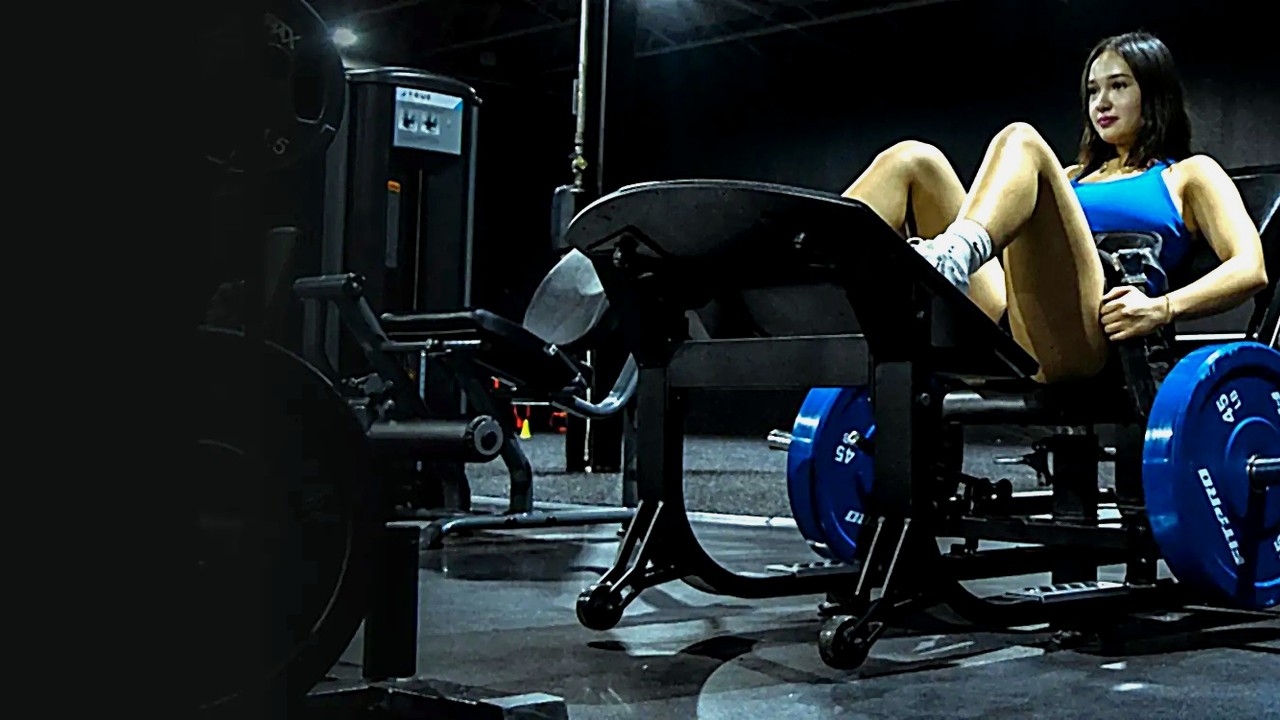
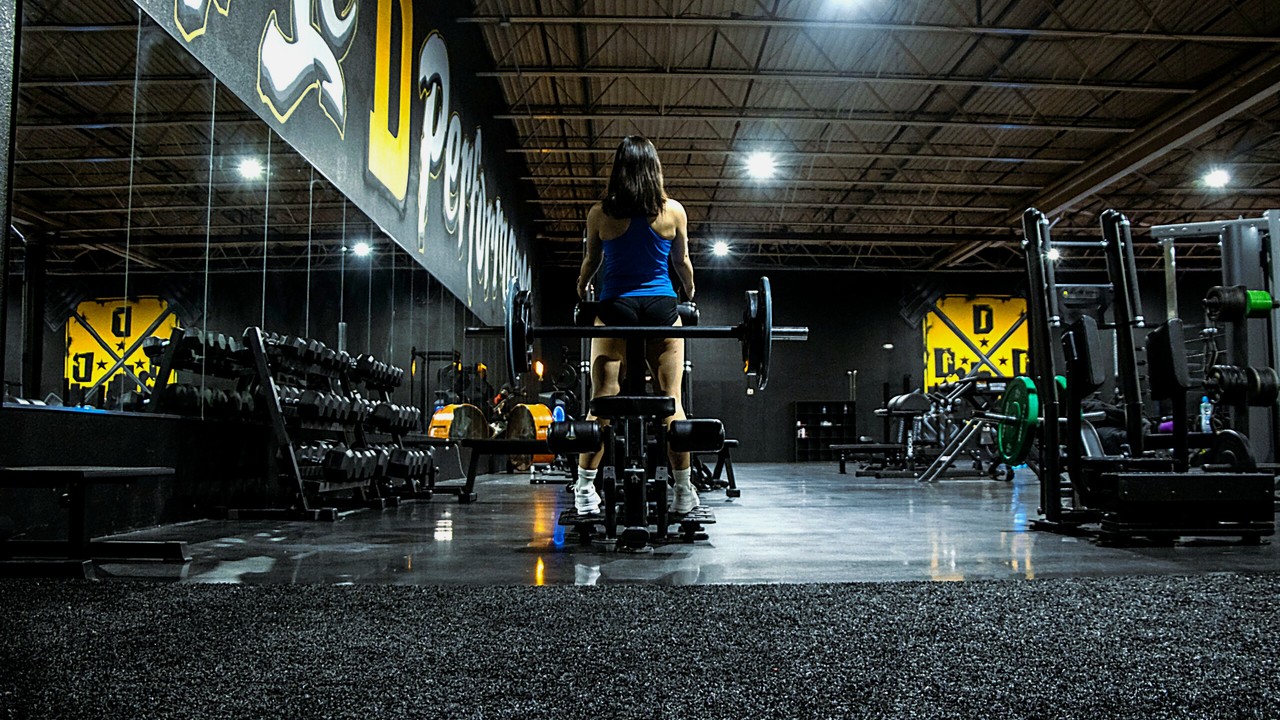
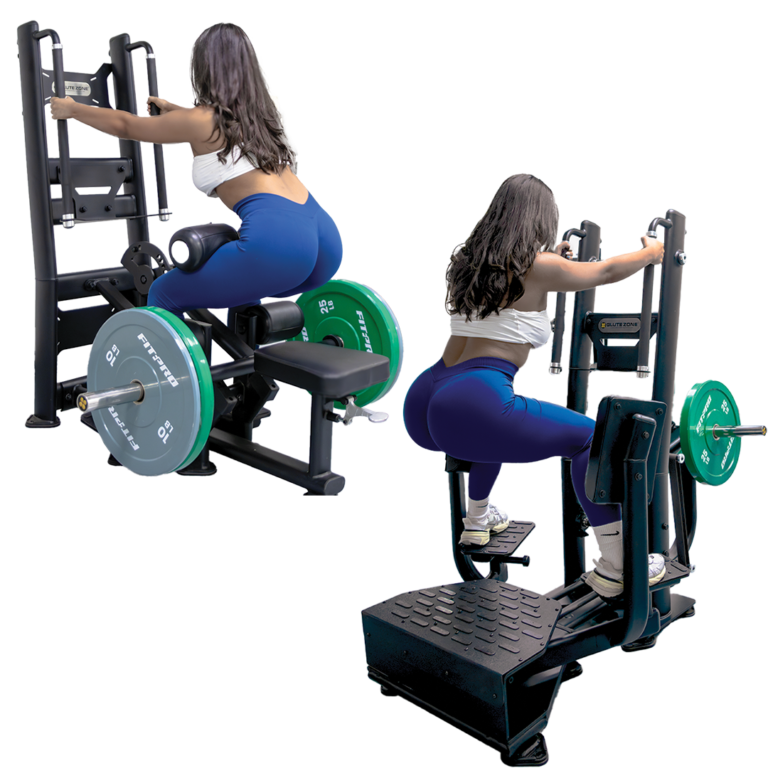
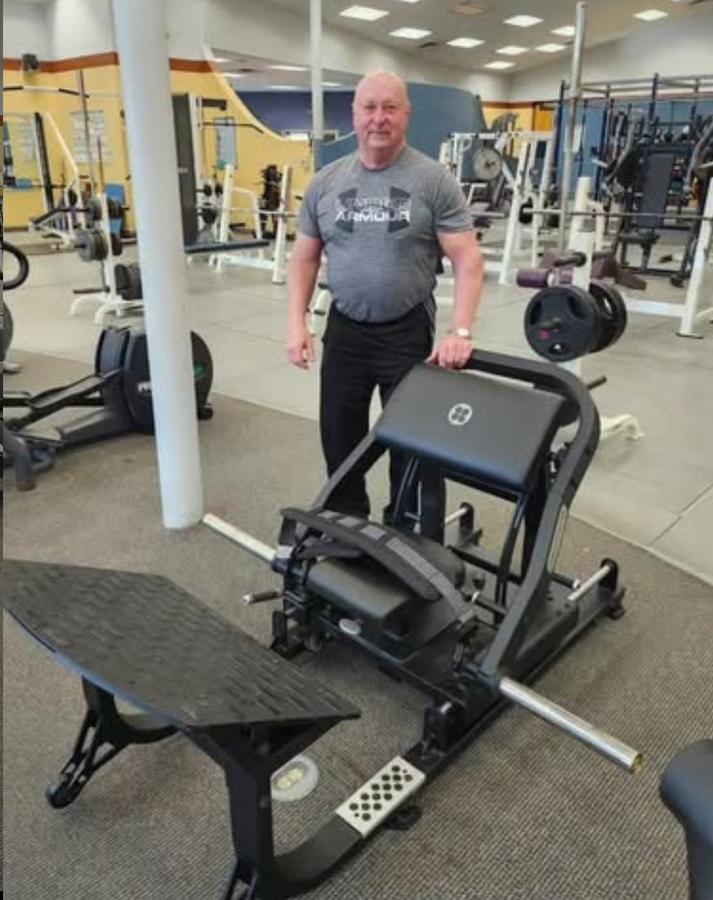
Members do not post selfies at a leg press. They do post glute-day content: PRs, transformations, training partners, booty-builder jokes. Every one of those posts is organic marketing that tags your gym. A dedicated glute zone, a corner of your floor with hip thrust machines, a pendulum squat, and supporting pieces, becomes an identity: “that is the gym with the glute zone.”
That identity does three business jobs at once. It gives prospects a reason to choose you over the competitor two miles away. It gives new members, half of whom would otherwise quit in six months, an onboarding anchor: a trainer can walk them through the glute zone in their first session and they immediately have favorite machines. And it gives your existing members something they cannot get at the budget club down the street.
The Math: How Glute Equipment Pays Back
Strip away the marketing and the payback formula is simple:
Payback period = machine cost / (average monthly dues x members the zone attracts or retains)
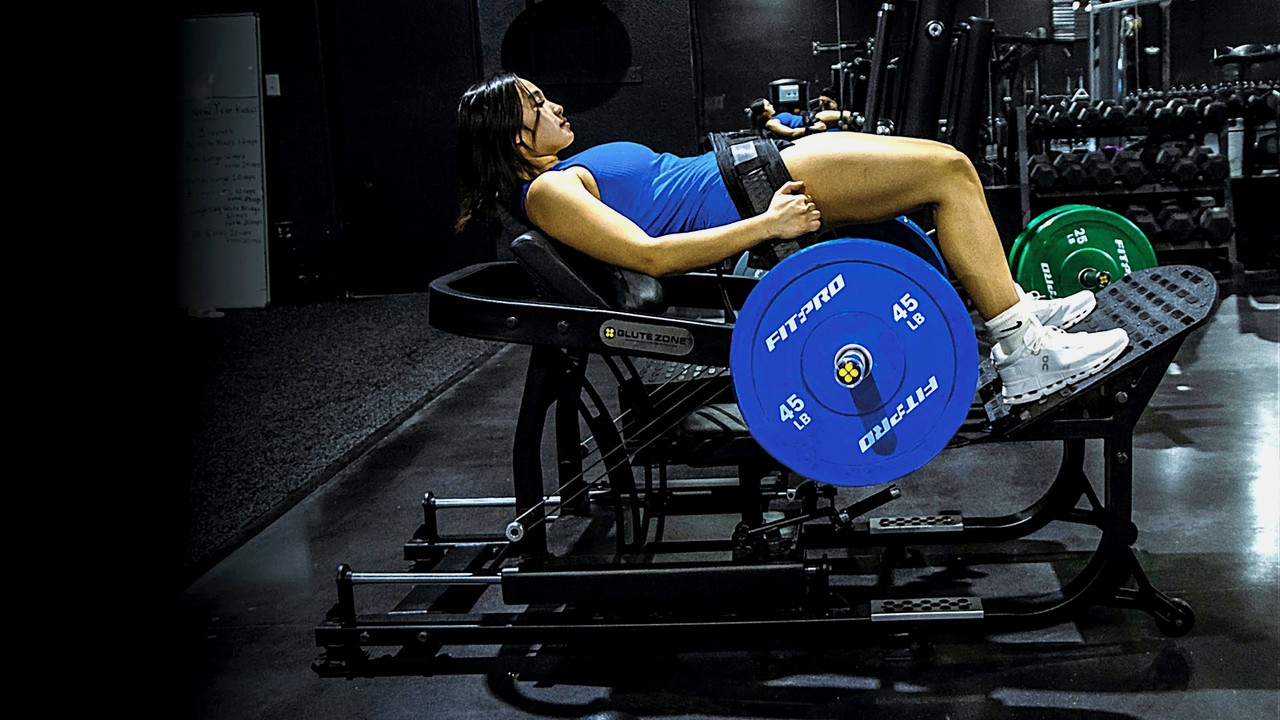
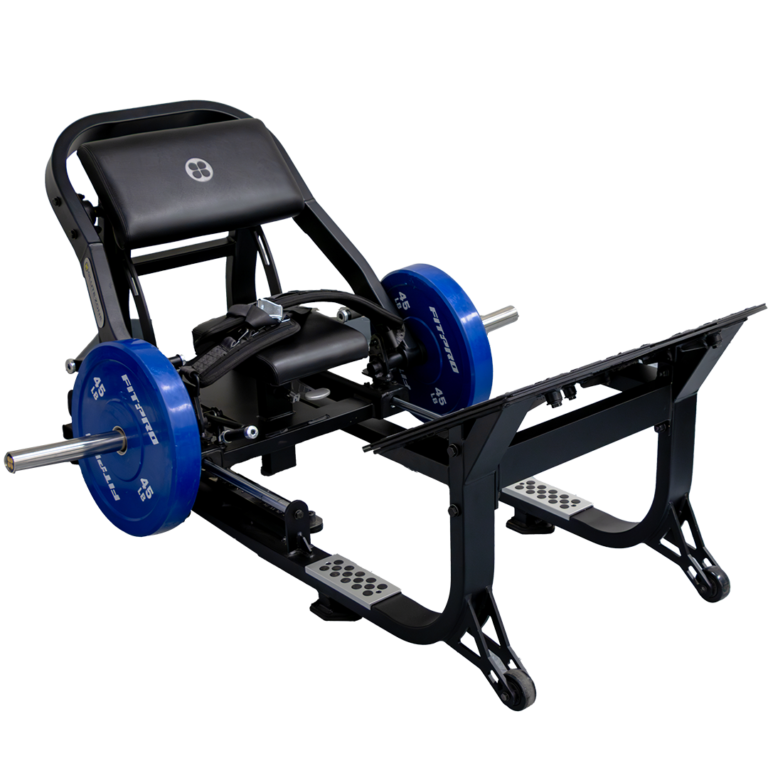
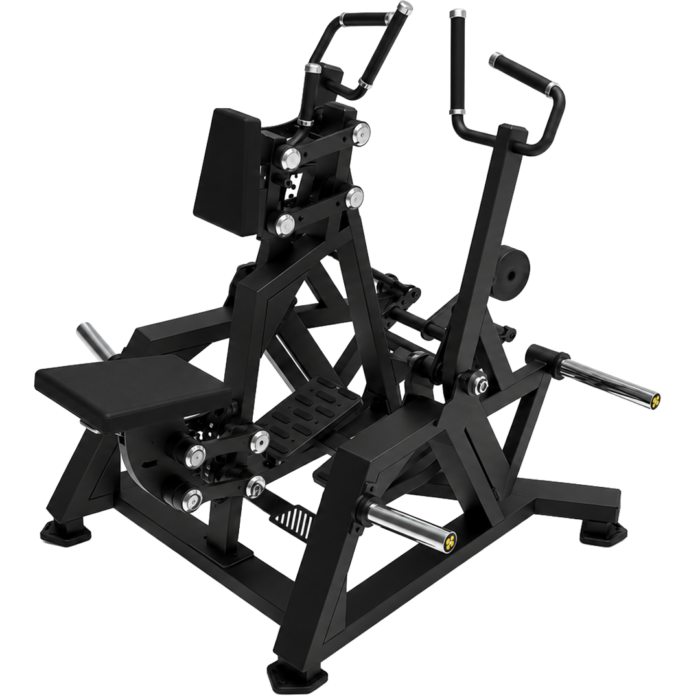
Every variable on the right side is in your control or measurable from your own numbers. Take the GluteZone Hip Thrust Machine, in stock now at $2,239. Divide that by your average monthly dues and you get the number of member-months the machine needs to earn to break even. Then ask the honest question: how many members per month join or stay because your gym has a proper glute zone?
For many clubs, the answer is a handful of members inside a year. Remember the 5x figure above: keeping one existing member is worth roughly five times what it costs to win a new one. A machine that holds onto even a few members per year is not an expense. It is one of the cheapest retention tools on your floor, cheaper than a single month of paid ads.
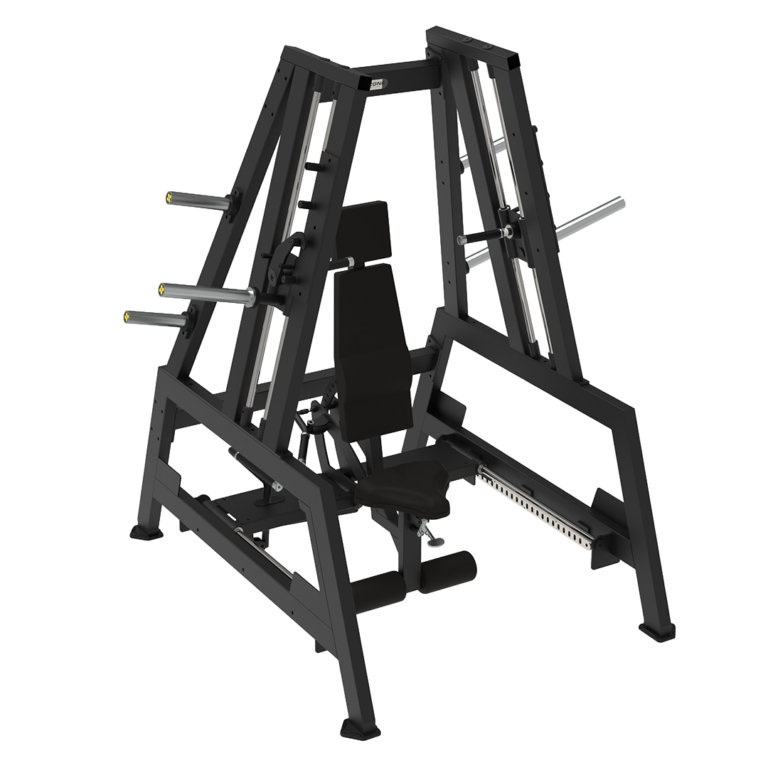
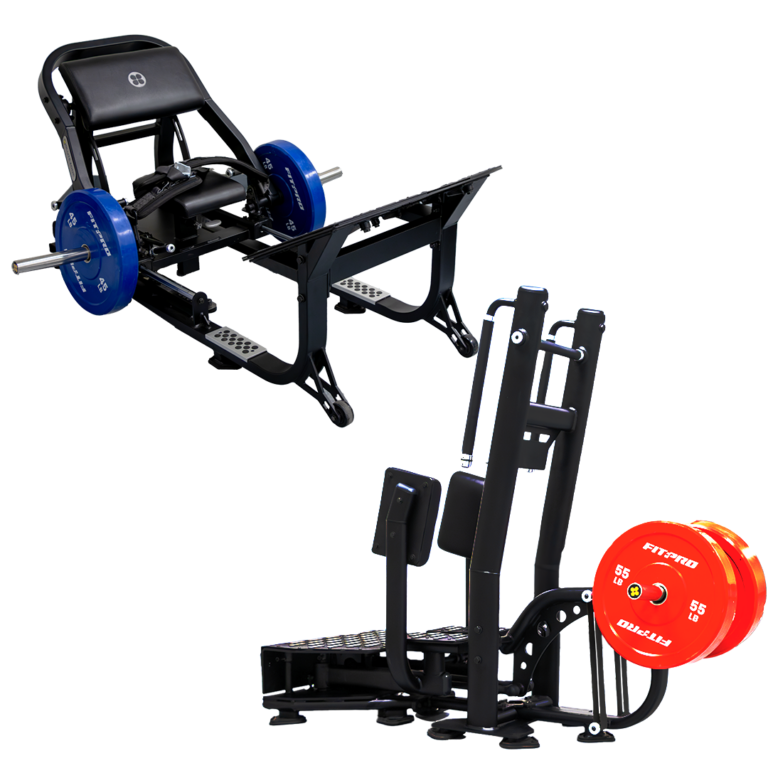
Bundles sharpen the math further. The Elite Strength Duo pairs the Hip Thrust Machine ($2,239) with the Pendulum Squat ($3,999) for $5,899, a $339 saving over buying separately, and gives you a complete lower-body zone in two machines instead of one.
What Separates Machines That Earn From Machines That Collect Dust
Not every glute machine earns its floor space. The ones that do share three traits, and you can check all three on the product page before you spend a dollar.
1. Adjustability for every body.
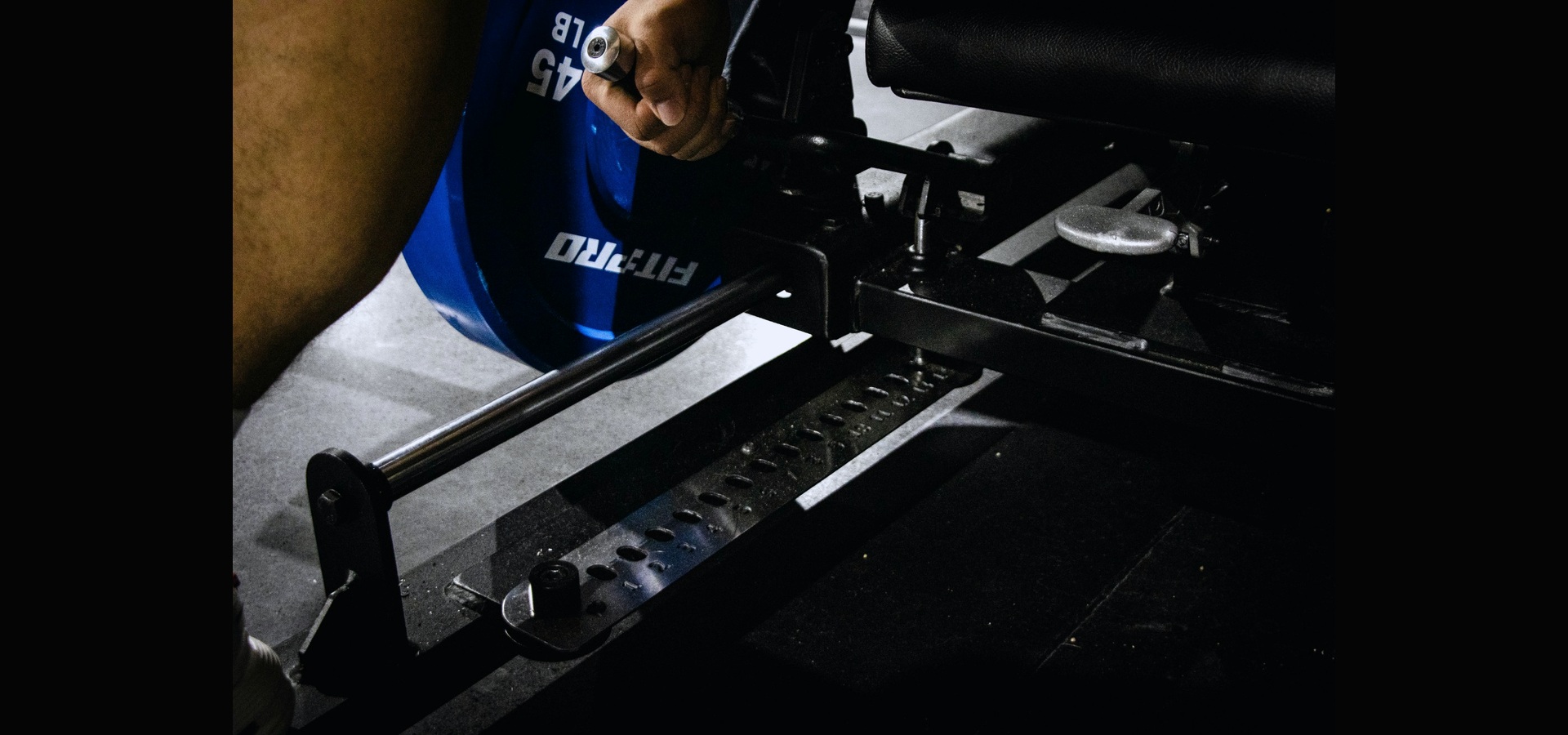
A machine one member cannot set up is a machine that member avoids. The GluteZone Hip Thrust uses a 16-point forward/backward adjustable seat, so lifters of different heights all find their setup in seconds. (We mapped all 16 positions in our Hip Thrust Machine Setup Guide.) Machines with one fixed position silently exclude half your membership.
2. Commercial-grade build.
Heavy traffic destroys residential equipment. The specs that matter: load capacity up to 550 lbs on the plate horns, a base frame of about 357 lbs with anchor-hole ports for optional floor bolting, and plate-loaded resistance with optional band pegs for accommodating resistance. GluteZone’s homepage also carries a lifetime warranty on frames, which is the warranty line that matters for a machine getting hundreds of reps a day.
3. Proven demand on your floor.
This one is on you, not the manufacturer. The data above says the demand is there for most clubs. The last check is your own membership: watch which machines have a wait at 6 PM. If lower-body equipment is the bottleneck, that is your answer.
The Pairing High-Traffic Gyms Report Back On
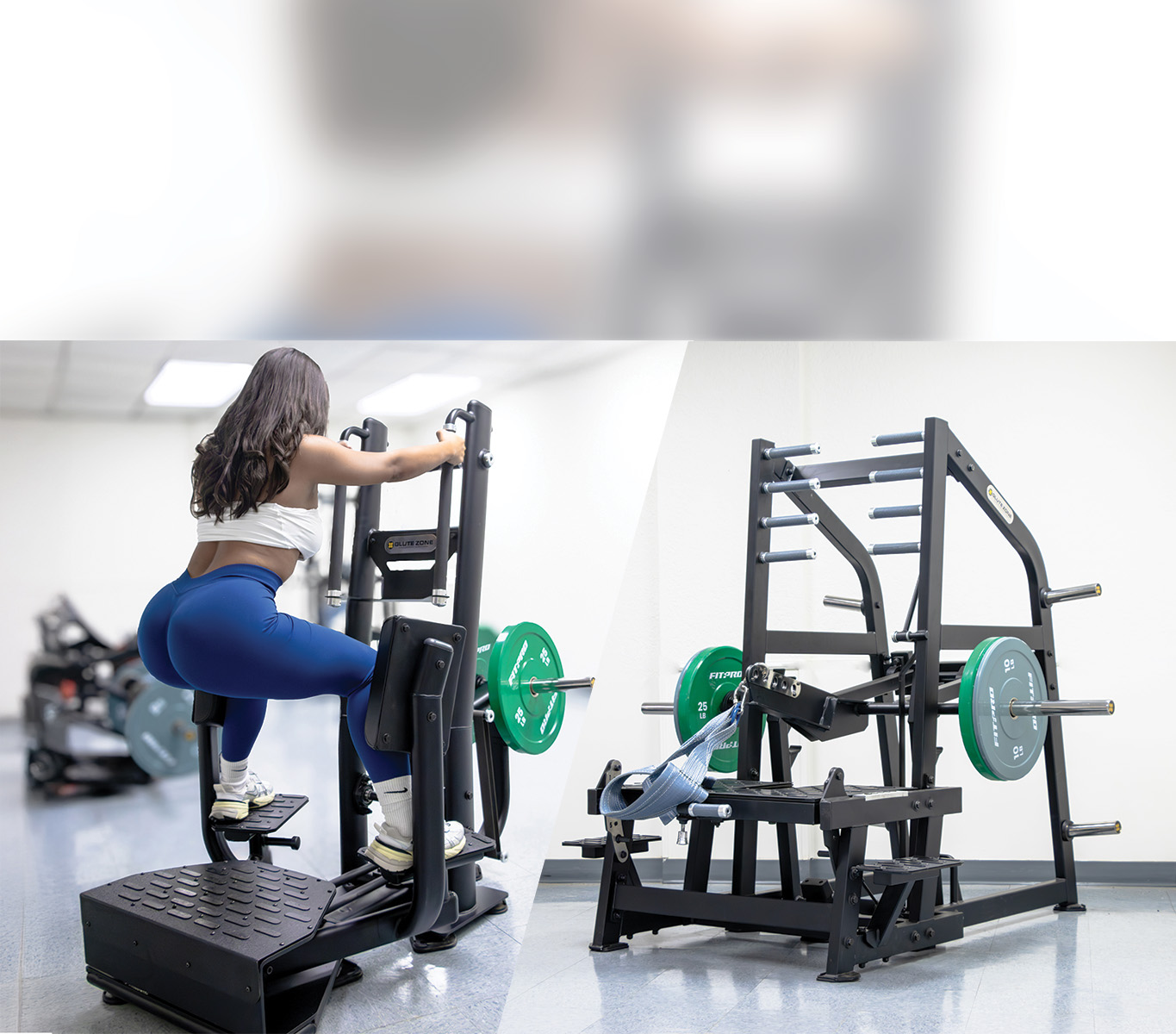
If you are building the zone rather than buying one machine, the pairing that keeps coming up is the hip thrust plus the pendulum squat. The logic is biomechanical: the hip thrust loads the glutes hardest at peak contraction, while the pendulum squat works the lower body through a deep, guided arc. Together they cover the full lower-body force curve with two machines.
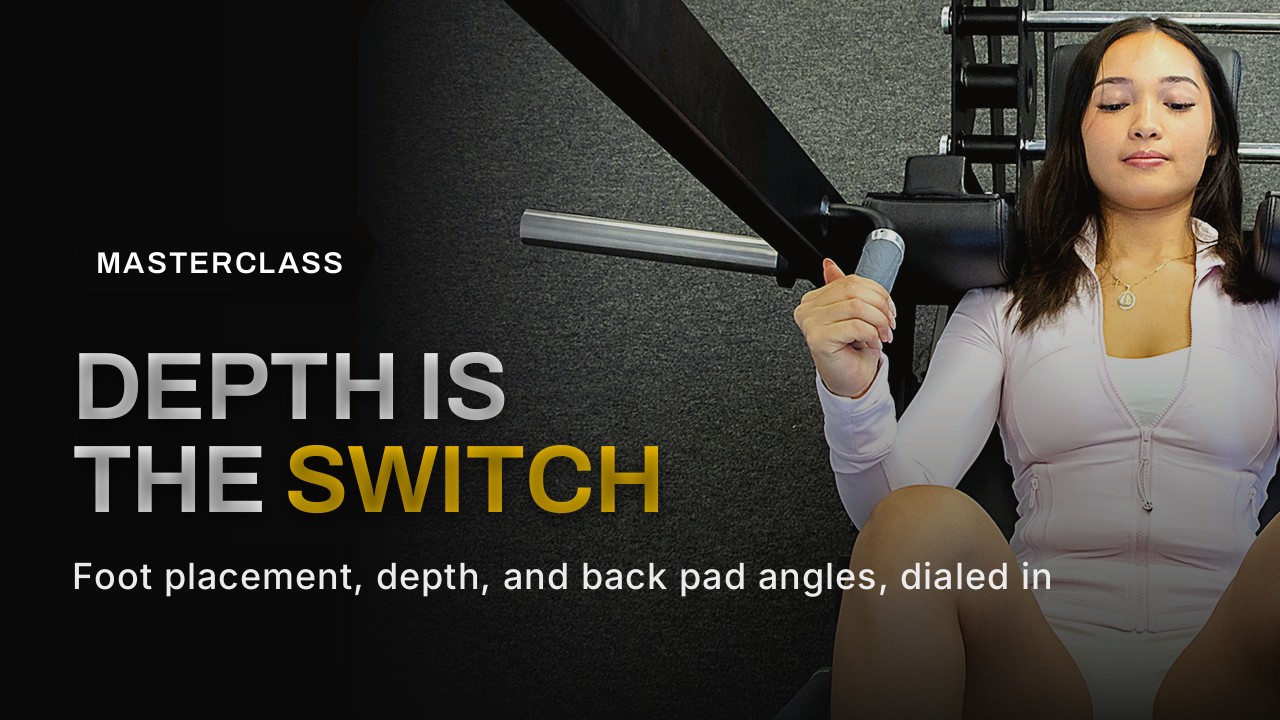
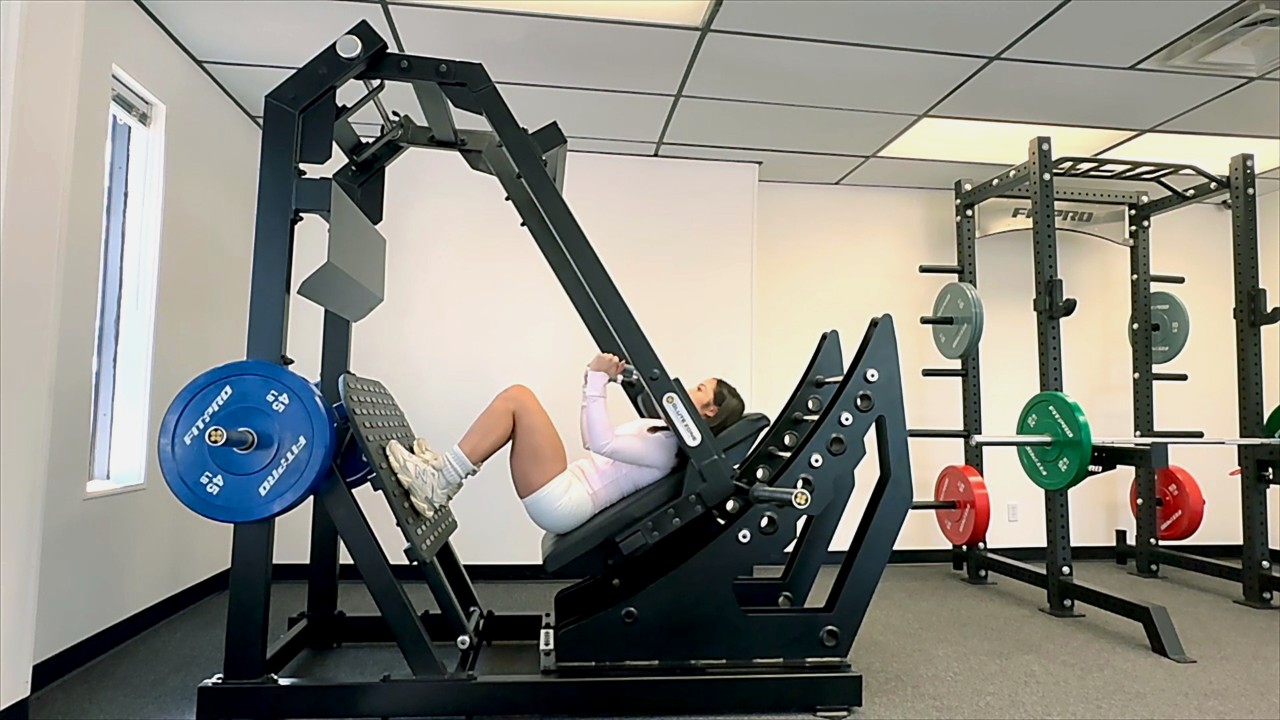
The GluteZone Pendulum Squat ($3,999) is built around a dual-arm guided system with no lateral wobble under heavy loads, a multi-position angle-adjustable footplate, 5 back-lock positions, and 3 foot-pad angles, plus the wide backrest with lumbar support and low entry step we covered in our Pendulum Squat Masterclass. It is quad-dominant by design, which makes it the natural complement to the glute-specialist hip thrust.
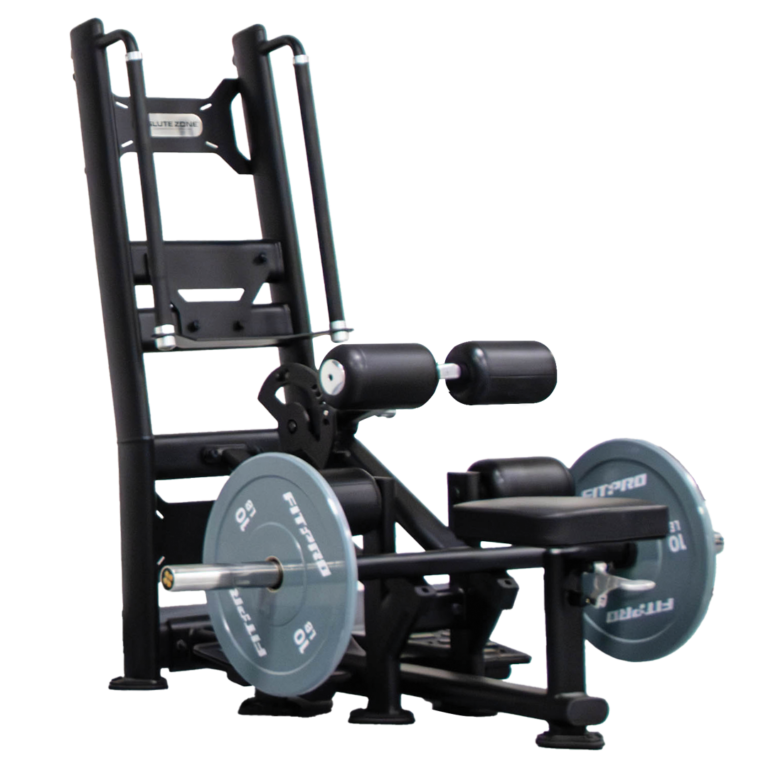
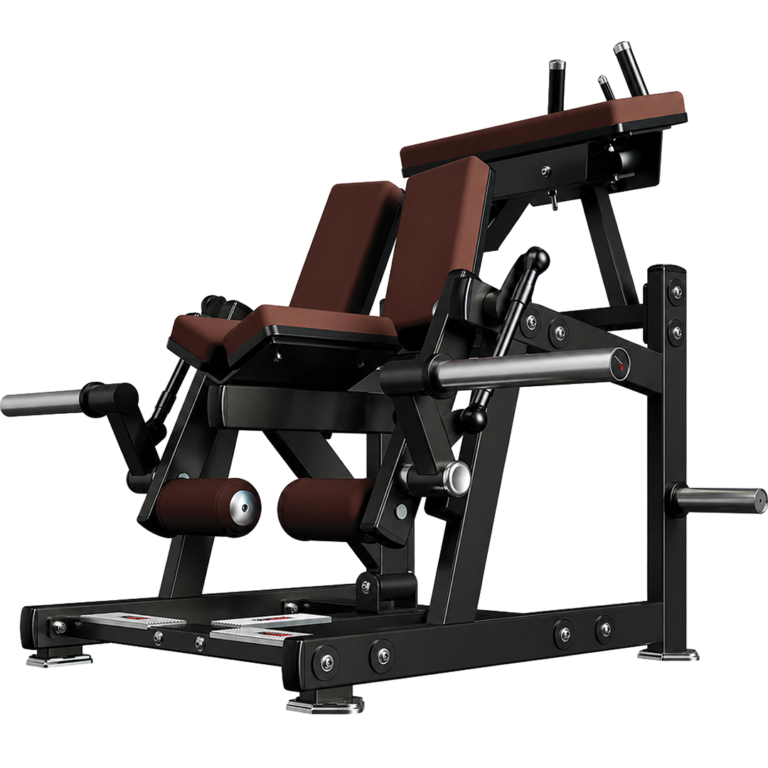
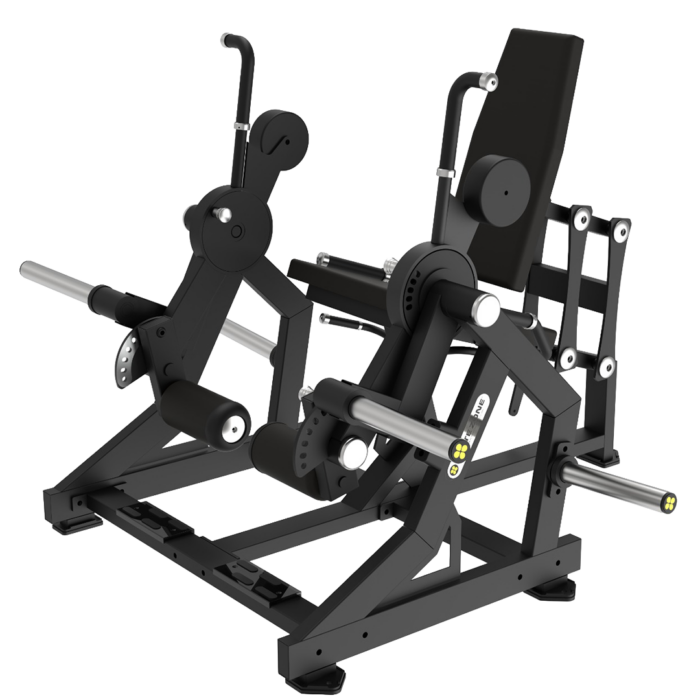
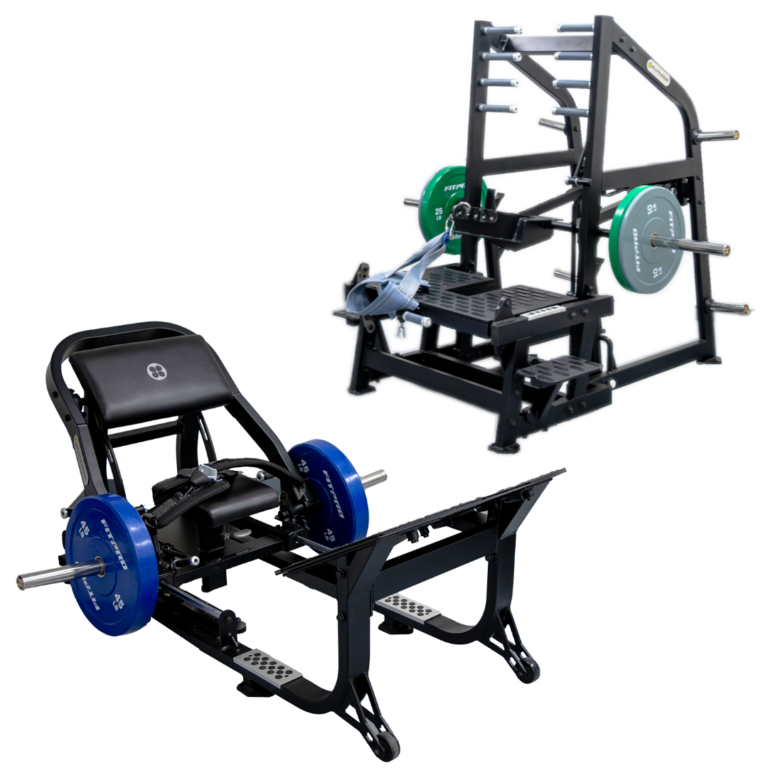
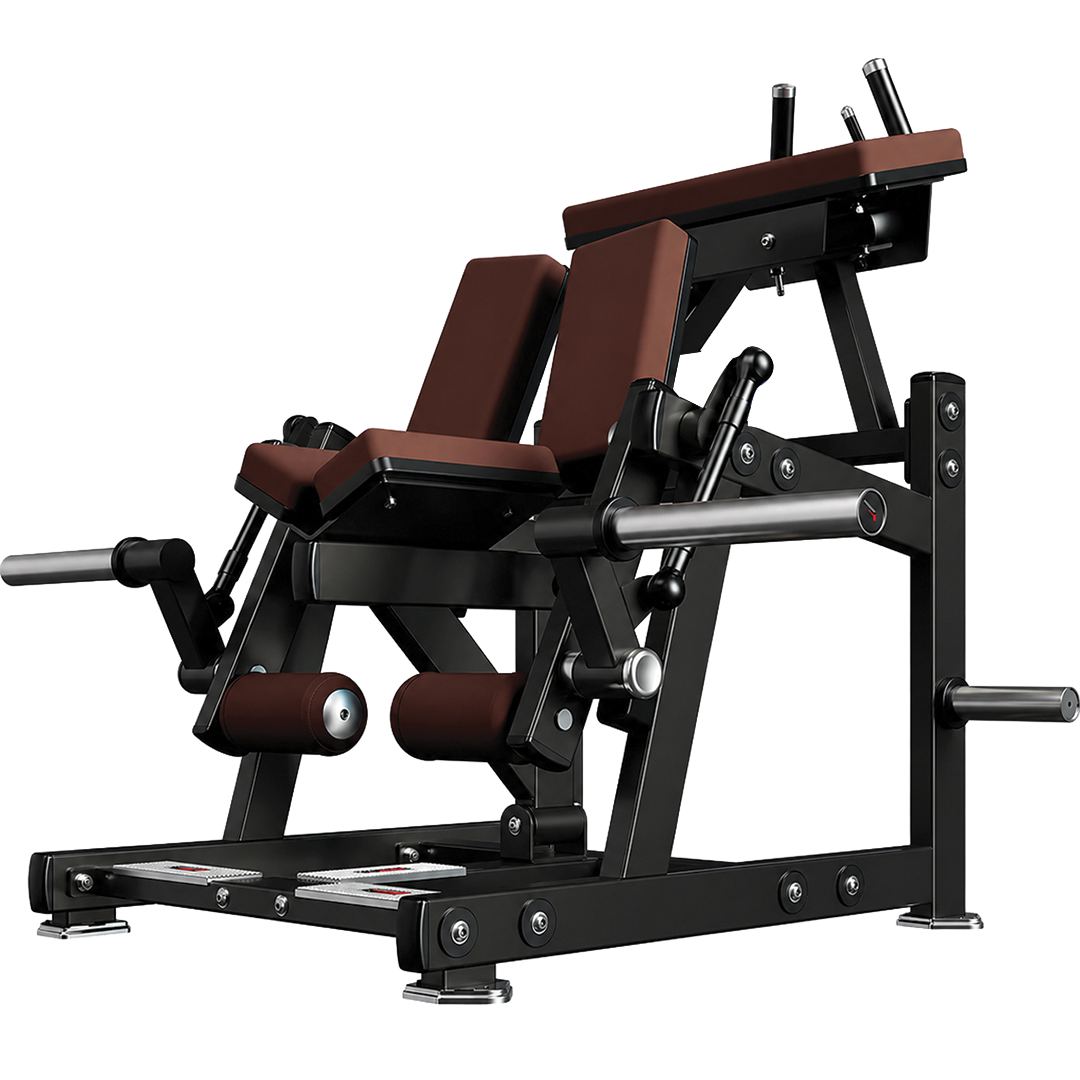
For clubs going further, the same logic extends to a full zone: belt squat, standing abductor, kneeling leg curl, and the bundle pricing above. The principle stays the same: each piece earns its footprint by being adjustable, commercial-grade, and in proven demand.
A Note for Home-Gym Buyers
Everything above was written for gym owners, but the demand data applies to home buyers too. The women’s strength surge and the glute-training boom are not commercial-gym phenomena: they are why home gyms are adding dedicated machines. One honest note: the GluteZone Hip Thrust is a commercial-grade machine with a commercial footprint. Measure your space before you order. If you have the room and train glutes seriously, $2,239 with Affirm financing puts a commercial leg room in your garage.
Quick Answers
The GluteZone Hip Thrust Machine is $2,239, plate-loaded with a 550 lb capacity and a 16-point adjustable seat. That is the verified price on glutezone.com today.
Mostly through retention, not sessions. A machine that keeps a handful of members per year pays for itself many times over, because acquiring a replacement member costs roughly 5x more.
The hip thrust machine leads by a wide margin, driven by the strength-training boom among women. The pendulum squat is the standard second piece for a complete lower-body zone.
If you have the space and train lower body seriously, yes. It is commercial-grade equipment, so confirm your footprint and ceiling clearance first.
The Bottom Line
Machines that pay for themselves share three traits: proven demand from your actual members, adjustability so every body can use them, and commercial-grade construction that survives your busiest hours. Glute equipment checks all three in today’s market, and the retention data explains why high-traffic gyms keep adding it.
Ready to run the math on your own floor?
The GluteZone Hip Thrust Machine is in stock now at $2,239, and with Affirm financing you can split the investment into manageable monthly payments.
Sources
1. SGB Online, “Exec Study Finds Fitness Clubs Delivering Profitable Growth Post-Pandemic” (Nov 2025), covering the HFA Fitness Industry Benchmarking Report. sgbonline.com
2. PushPress, “Gym Member Retention: The Complete Guide (2026)”. pushpress.com
3. ClubWise, “The 5 Best Gym Member Retention Strategies”, citing Bain & Company. clubwise.com
4. What’s New in Fitness / ABC Fitness, “Attention on Retention”, covering Glofox 2025 onboarding research. whatsnewinfitness.com.au
5. Fitt Insider, “Women Usher in Strength Training’s New Era” (Apr 2025). insider.fitt.co
6. Athletech News, covering the Health & Fitness Association 2026 U.S. Consumer Report. athletechnews.com
7. GluteZone Hip Thrust Machine product page (specs and pricing verified 2026-10-07). https://glutezone.com/product/hip-thrust-machine/
8. GluteZone Pendulum Squat product page (specs and pricing verified 2026-10-07). https://glutezone.com/product/pendulum-squat/