

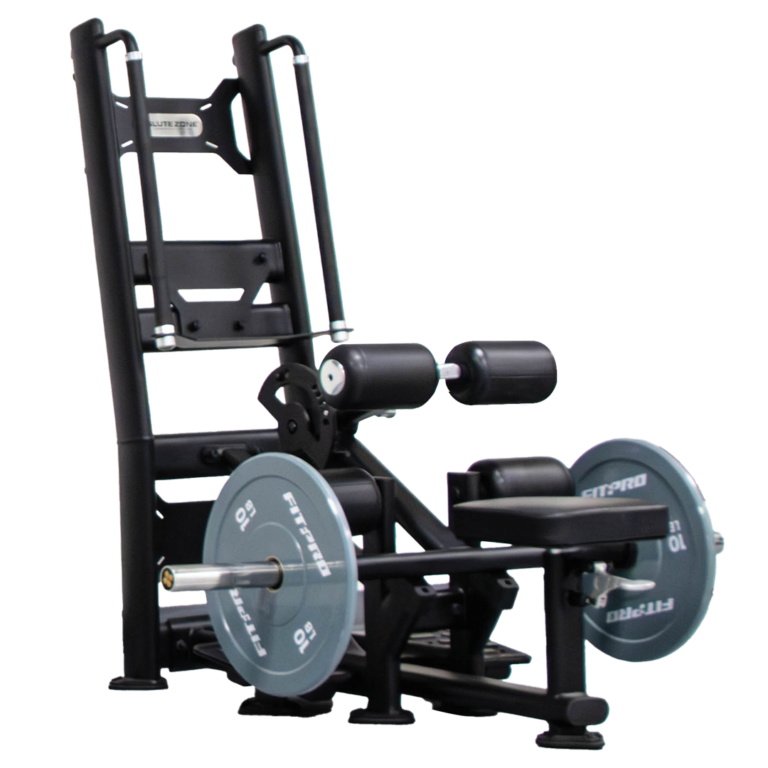

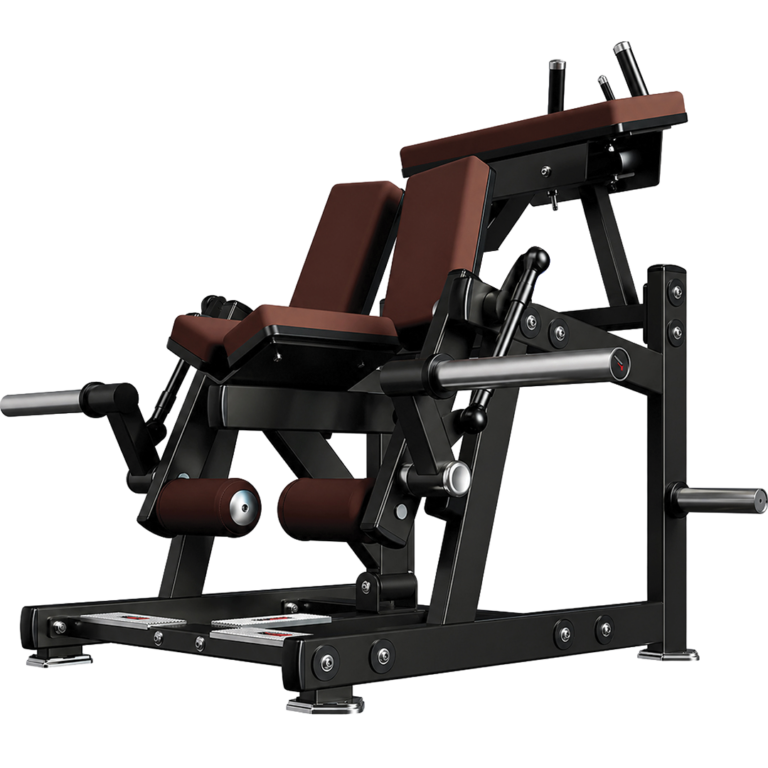





Every gym owner who has watched a line form for the hip thrust area has asked the same question: how much does a glute zone actually cost? Not the vague version, and not a sales range. The real version, with real machine prices, the costs people forget, and a simple way to judge whether the number makes sense for your floor.
This guide gives you that breakdown for 2026. It uses prices verified today on the official GluteZone product pages, industry data from the Health and Fitness Association, and simple payback math that is clearly labeled as an illustration. No invented totals, no mystery fees, and no pressure to buy a full floor on day one. Most owners do not. They start with one anchor machine, watch how members use it, and add the second station when the queue proves the demand.
If you run a commercial gym, this is your budgeting page. If you are building a serious home gym, the same math applies at a smaller scale: one commercial grade machine, bought once, instead of a bench, a barbell, and a setup that takes ten minutes every session.
$2,239
GluteZone Hip Thrust Machine, verified price today
$6,238
Hip Thrust plus Pendulum Squat, the two machine core zone
$517
Average annual value per member, HFA estimate via Gymdesk
66.4%
Average annual member retention, HFA 2025 Benchmarking Report
Start With the Anchor: One Hip Thrust Machine
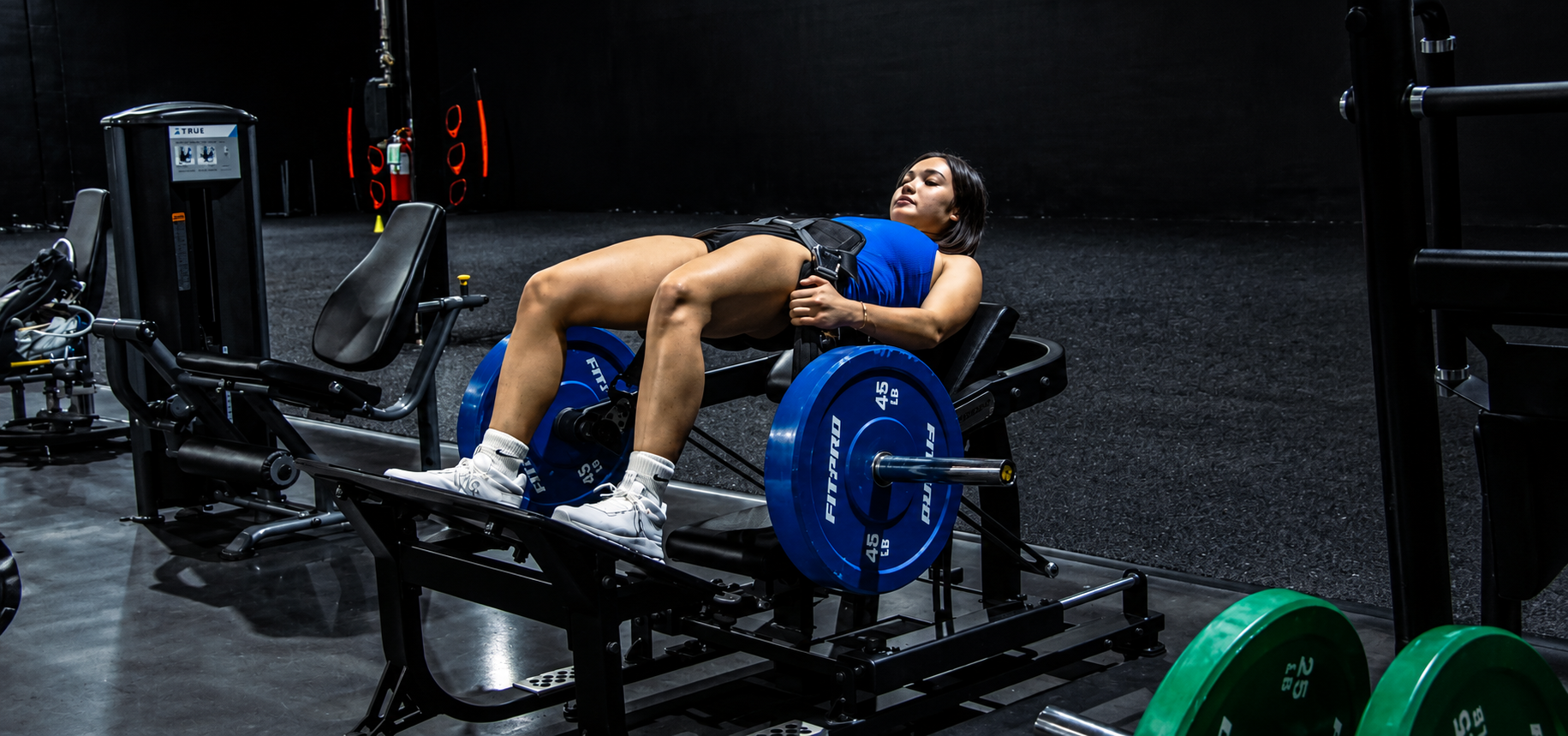
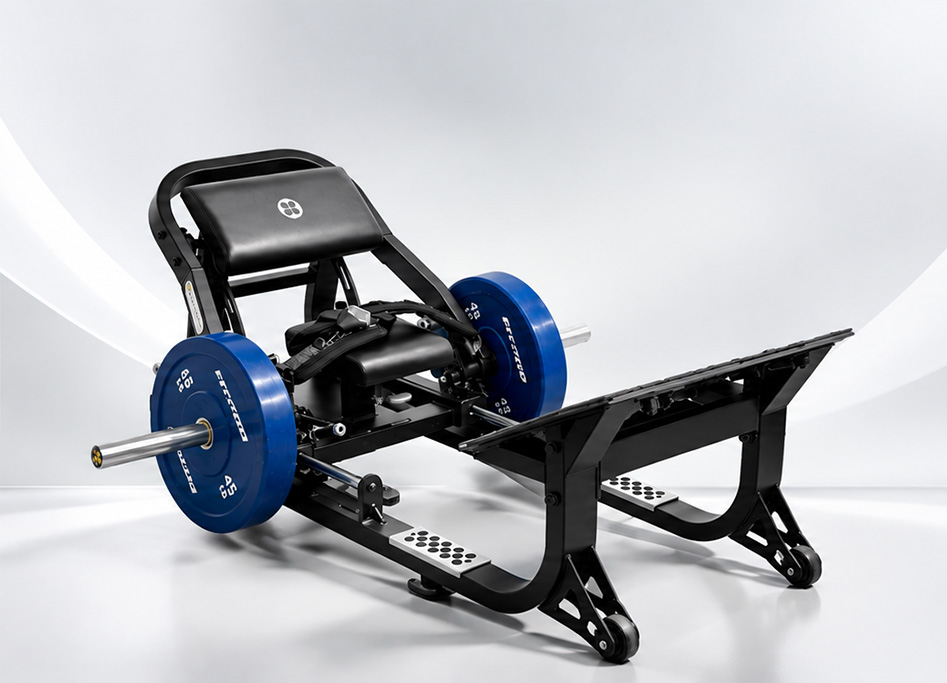
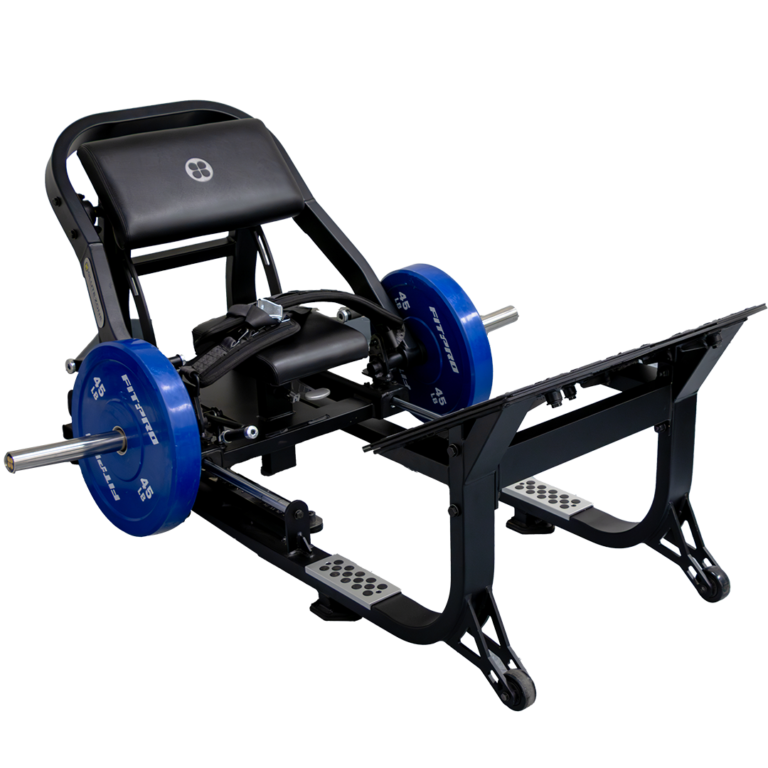
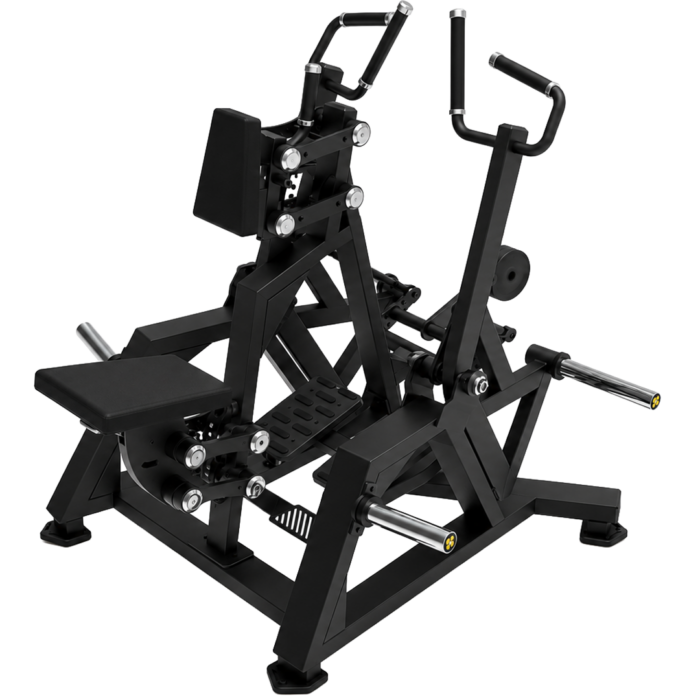
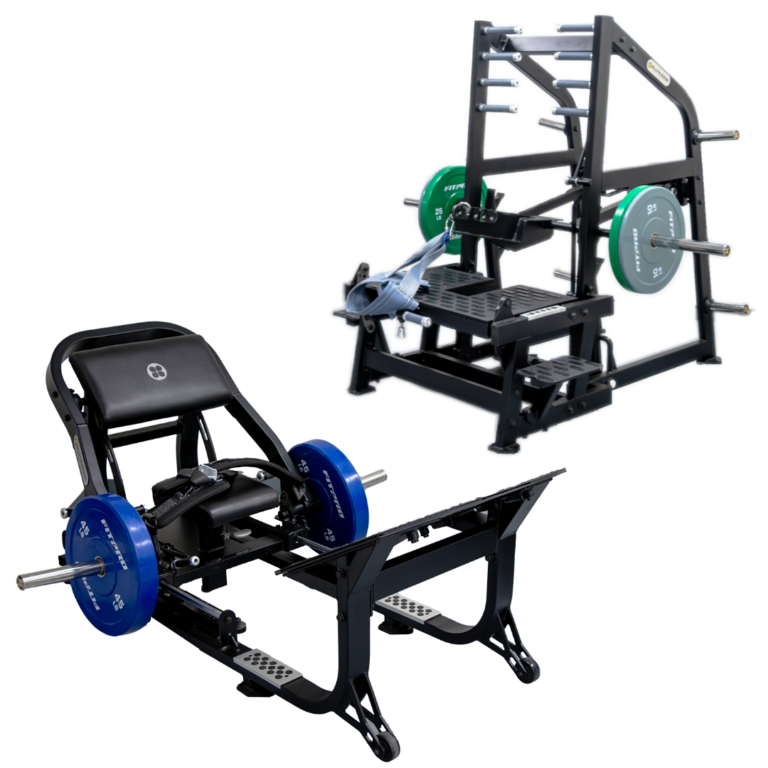
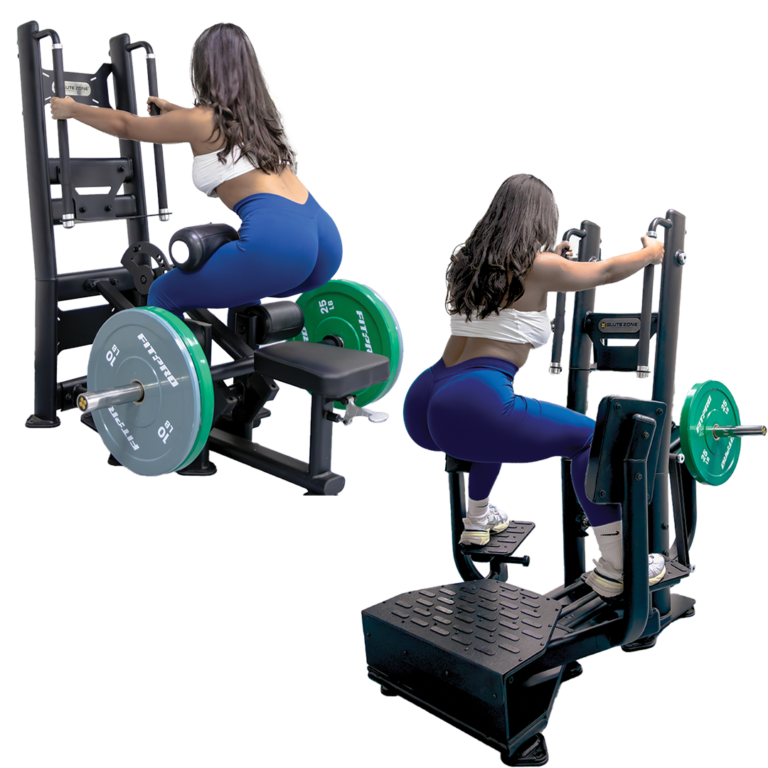
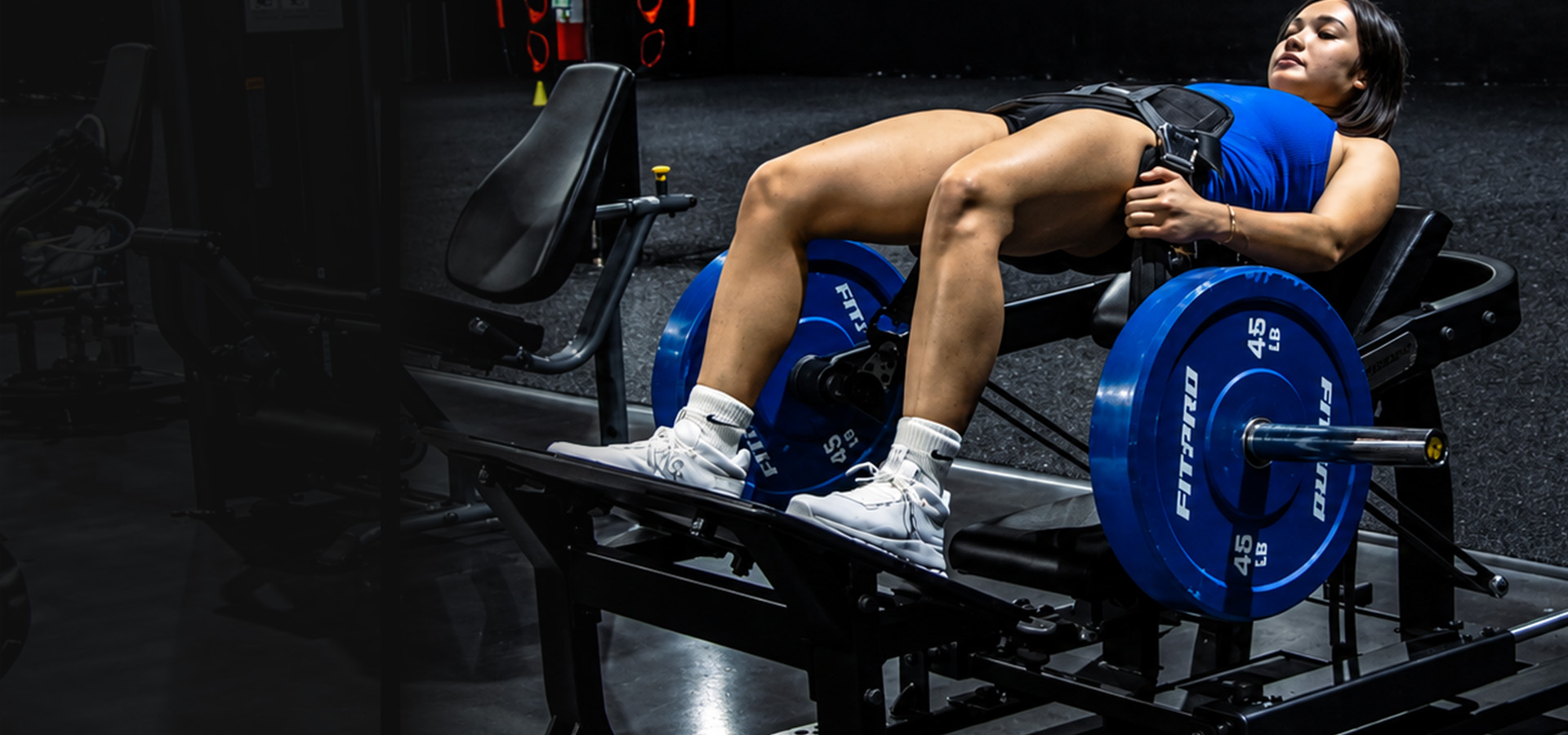
The cheapest honest way to build a glute zone is to start with the machine members ask for by name. The GluteZone Hip Thrust Machine is listed at $2,239 on its official product page, verified today. That is the whole starting budget for a one machine zone, before freight and any extras you choose.
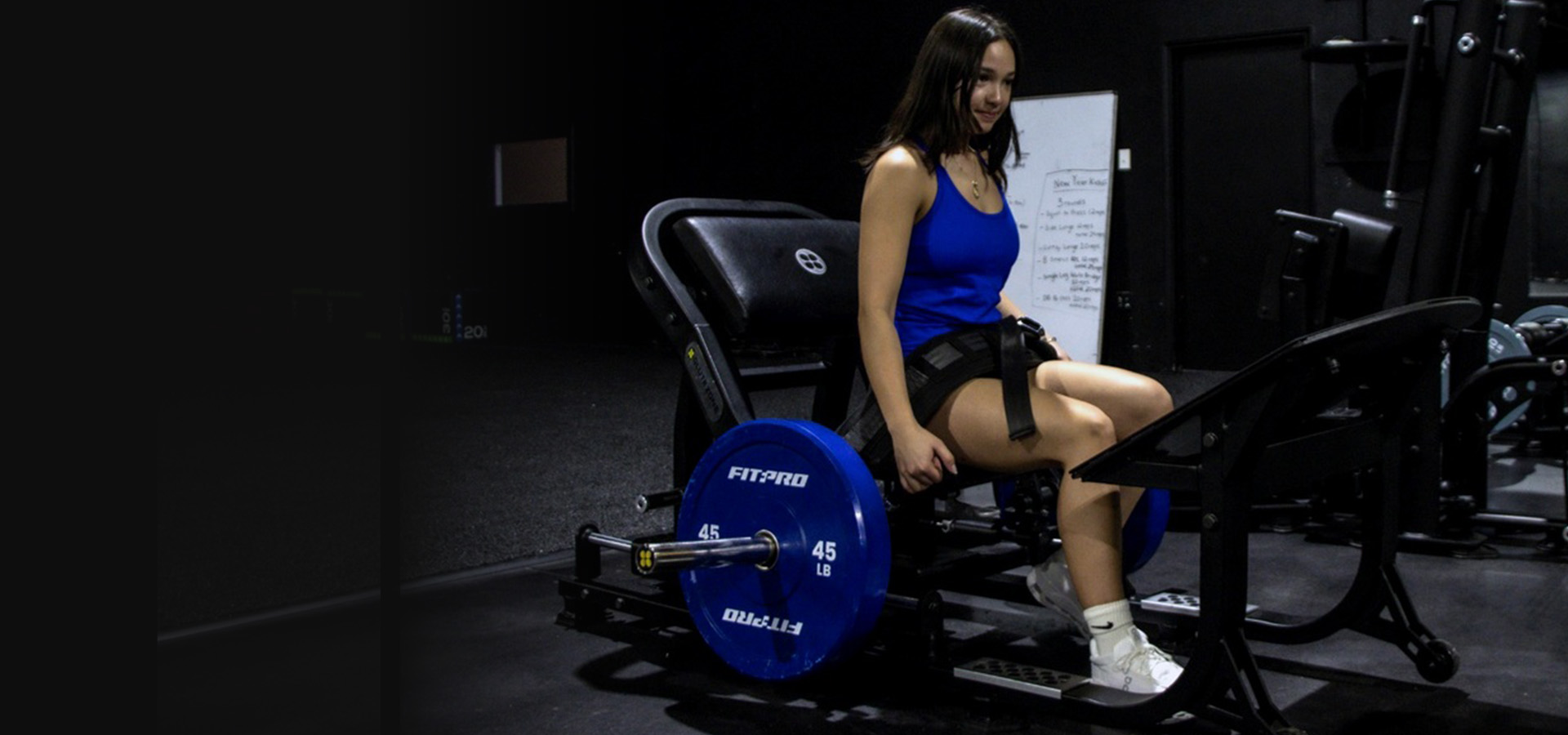
What does that price buy in practical terms? The product page lists a 16 point forward and backward adjustable seat, so members of different heights can set up in seconds instead of stacking pads. The plate horns support up to 550 lb of load, and the base frame weighs about 357 lb, which is why the machine stays planted during heavy sets and still moves on its two front wheels when you need to rearrange the floor. Anchor hole ports on each foot let you bolt it down if you prefer a fixed station.
For a gym, that speed of setup is the product. A barbell hip thrust station costs less on paper, but it costs members time, floor space, and confidence every single session. A dedicated machine turns the most requested glute exercise into a station anyone can walk up to, load, and use correctly. For a home gym buyer, the same logic holds: you are paying to remove friction from the exercise you will train two to three times per week, which is the frequency the product page itself recommends, with at least 48 hours of rest between sessions.
The Core Zone: Add the Pendulum Squat
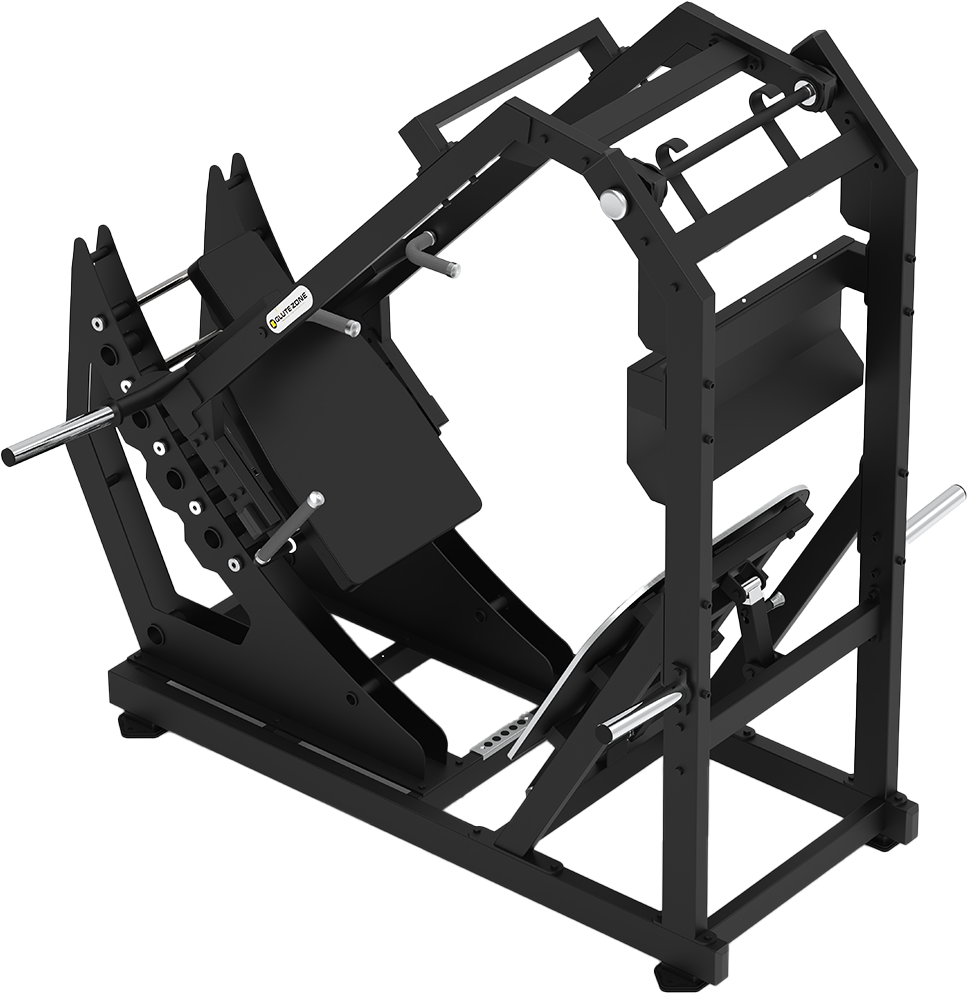
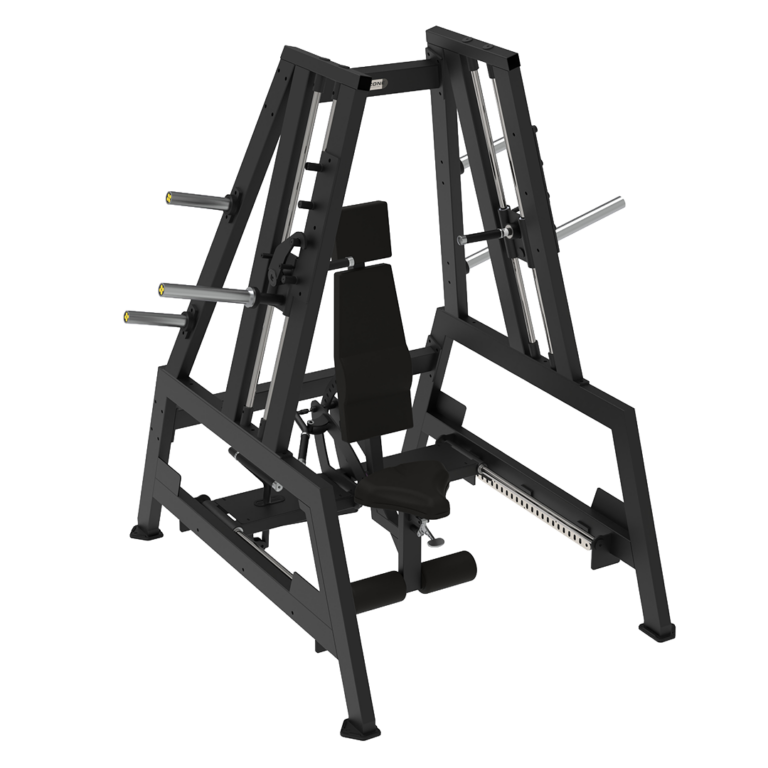
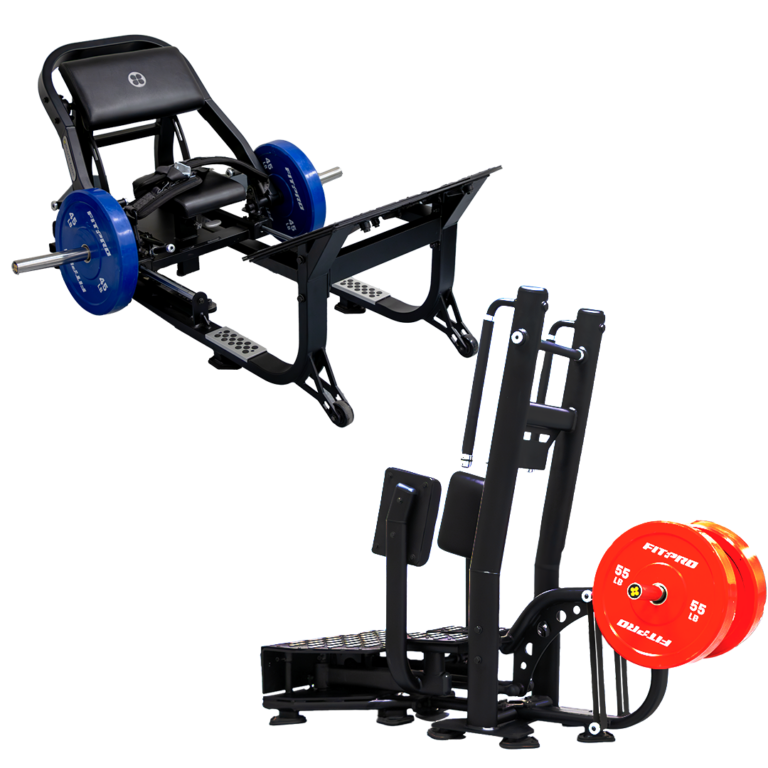
The second step most gyms take is the GluteZone Pendulum Squat, listed at $3,999 on its official product page, verified today. Add the two verified prices together and the core two machine zone costs $6,238 in equipment: $2,239 plus $3,999. That is a real total, built only from prices you can check yourself on the product pages today.
The Pendulum earns its place next to the Hip Thrust because it covers a different pattern. The product page describes a dual arm guided system for a smoother, more balanced motion, a multi position, angle adjustable footplate to target glutes, quads, or posterior chain, a wide backrest with lumbar support, and a low entry step. In plain terms, the Hip Thrust builds the glute focused hip extension work, and the Pendulum gives members a guided squat pattern that feels stable enough to load with intent. Together they let you program a complete lower body day inside one clearly defined corner of your floor.

The Costs Owners Forget to Budget
Machine prices are the headline, but they are not the whole invoice. Smart owners budget these items before they order, and get each one quoted for their own address and floor instead of trusting a generic number from the internet.
Freight. Commercial machines ship as freight, and the cost depends on distance, access, and delivery level. Ask for the freight quote in writing before you commit, and confirm what it includes.
Plates. Both machines here are plate loaded. Most gyms already own the plates they need, which is one reason plate loaded equipment keeps the starting total low. If your plate inventory is thin, budget plates as a separate line instead of discovering the gap on delivery day.
Flooring and space. A glute zone needs a surface that protects your floor and a layout that keeps the queue out of the walkway. The Hip Thrust frame can be moved on its front wheels and can be bolted through its anchor ports, so plan the final position before the truck arrives.
Launch, not just hardware. A zone that nobody knows about earns nothing. Budget a small amount of staff time to teach setup, post the new station on your channels, and add it to tours. The equipment is the investment; the launch is what turns it into memberships.

How Many Members Cover the Cost?
Here is the simplest honest way to judge the number. The Health and Fitness Association estimate, reported by Gymdesk, puts the average annual value of a member at $517. That figure is an industry average, not a promise about your gym, so treat the math below as an illustration and run it again with your own dues.
Starter zone illustration: $2,239 divided by $517 is about 4.3. In plain terms, if a Hip Thrust Machine helps you gain or keep about five members for a year at that average value, the machine has covered its equipment price. Core zone illustration: $6,238 divided by $517 is about 12.1, so about thirteen members for a year covers the two machine total.
Retention is why owners take this seriously. The HFA 2025 Benchmarking Report, built from 175 companies representing more than 17,000 facilities, puts average annual member retention at 66.4 percent. Roughly one in three members leaves each year. Equipment that members specifically joined for, and use every week, is one of the few floor investments that speaks directly to that number. Demand is not the problem: the HFA 2026 US Health and Fitness Consumer Report counts 81 million US facility members in 2025, an all time high, up 5.2 percent, with membership penetration at 26.1 percent. More people are training in facilities than ever, and they choose between gyms that look similar on price. A visible, dedicated glute zone is a difference a prospect can see on a tour in ten seconds. For a deeper walk through the same math, see our guide to Hip Thrust Machine ROI and payback.
How to Keep the Total Down Without Buying Cheap
Phase it. Buy the anchor first. Add the Pendulum when you see consistent waits, not before. Phasing protects cash flow and gives you real usage data for the second decision.
Use the plates you own. Plate loaded machines reward gyms with healthy plate inventory. Audit your plates before you order anything else.
Protect the purchase. GluteZone lists a lifetime warranty on the frame and one year on spare parts for its machines, with parts stocked in the US. A commercial frame you can service for years costs less over its life than a light machine you replace.
Spread the payment if it helps cash flow. Financing through Affirm is available at checkout on glutezone.com, which lets some owners match the cost to the monthly revenue the zone helps produce instead of paying the full total up front.
What About a Serious Home Gym?
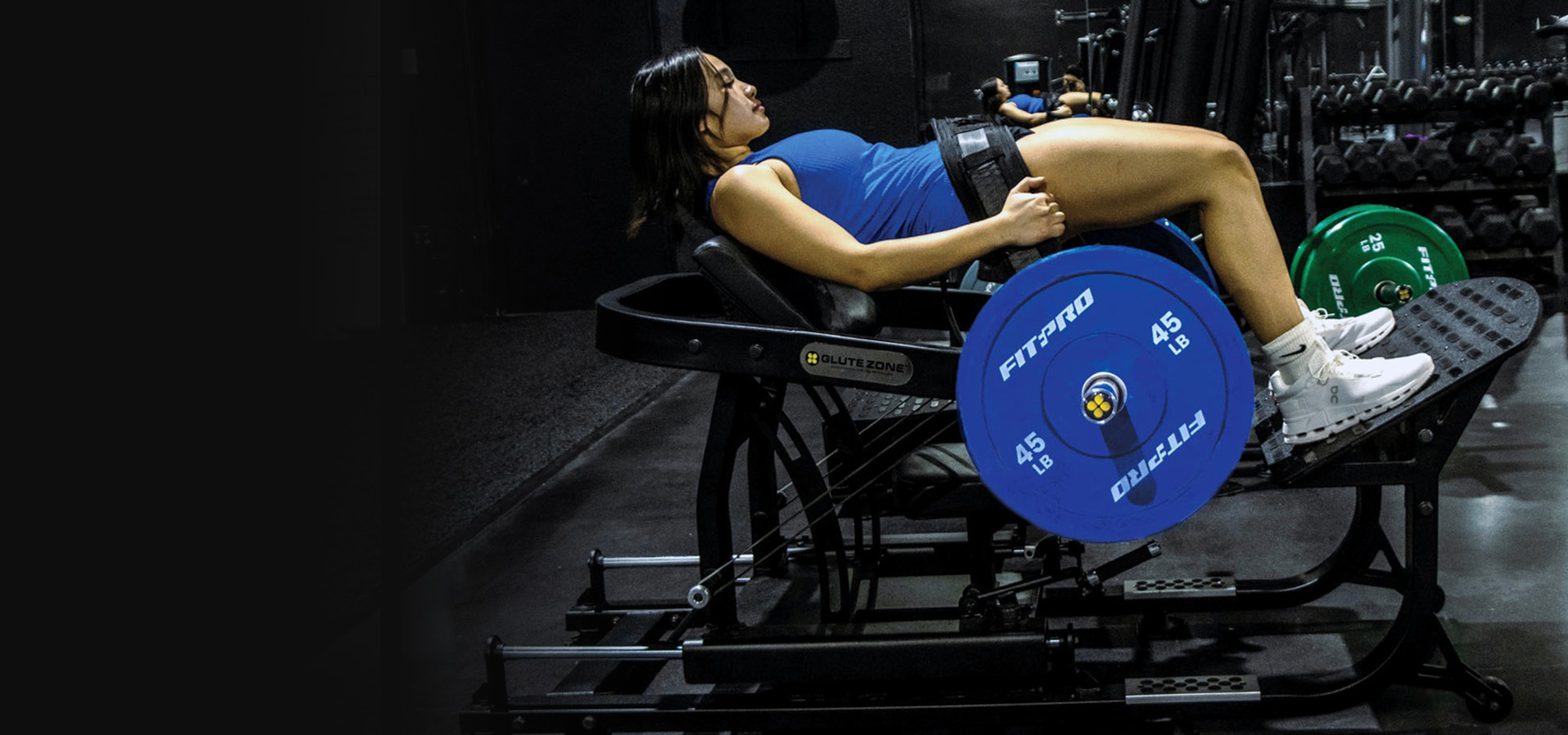
Home buyers ask the same cost question with a different ending. You do not need the two machine zone. The usual home answer is the starter step: one Hip Thrust Machine at $2,239, commercial grade, built for heavy use, in the space a bench and barbell setup already occupies. The value case is consistency. A machine with a 16 point adjustable seat and a belt that sits just below the hip bones, at the hip crease, removes the setup work that makes home hip thrusts easy to skip. Buy once, train the movement properly for years, and skip the cycle of cheap equipment that flexes, wobbles, and gets sold at a loss.
Frequently Asked Questions
How much does a basic glute zone cost for a gym?
The starter version is one commercial Hip Thrust Machine. The GluteZone Hip Thrust Machine is listed at $2,239 on its official product page, verified today. Add freight for your address, and plates if your inventory is short.
How much is the two machine core glute zone?
$6,238 in equipment, using only verified prices from today: $2,239 for the Hip Thrust Machine plus $3,999 for the Pendulum Squat. Freight and any extra plates are quoted separately.
How many members does it take to pay for a Hip Thrust Machine?
Using the HFA average member value of $517 per year reported by Gymdesk, $2,239 divided by $517 is about 4.3, so roughly five members gained or retained for a year covers the equipment price in this illustration. Run the same division with your own average dues.
What hidden costs should I budget for?
Freight, plates if you need more, flooring or mats for the zone, and a small launch effort so members and prospects actually learn the station exists. Get freight quoted in writing for your address before you order.
Can I finance a glute zone instead of paying up front?
Yes. Affirm financing is available at checkout on glutezone.com, and you can request a quote first through the contact page to plan the total before you commit.
Price Your Glute Zone With Real Numbers
Tell us your floor size and what you already own, and we will help you phase the zone: anchor first, second machine when the demand is proven. Affirm financing is available, so you can spread the cost while the zone works.
Sources
- GluteZone, Hip Thrust Machine official product page, price $2,239, 550 lb plate horns, 357 lb frame, 16 point adjustable seat, anchor ports, verified 2026-11-18: https://glutezone.com/product/hip-thrust-machine/
- GluteZone, Pendulum Squat official product page, price $3,999, dual arm guided system, multi position angle adjustable footplate, wide backrest with lumbar support, low entry step, verified 2026-11-18: https://glutezone.com/product/pendulum-squat/
- Health and Fitness Association, 2026 US Health and Fitness Consumer Report, via Gymdesk gym membership statistics: 81 million US members in 2025, up 5.2 percent, 26.1 percent penetration.
- Health and Fitness Association, 2025 Fitness Industry Benchmarking Report, via Gymdesk: average annual member retention 66.4 percent, 175 companies, more than 17,000 facilities.
- Health and Fitness Association estimate via Gymdesk: average annual value per member $517.
- GluteZone warranty, as recorded from the brand: lifetime on the frame, one year on spare parts, parts and shipping covered in that year.