






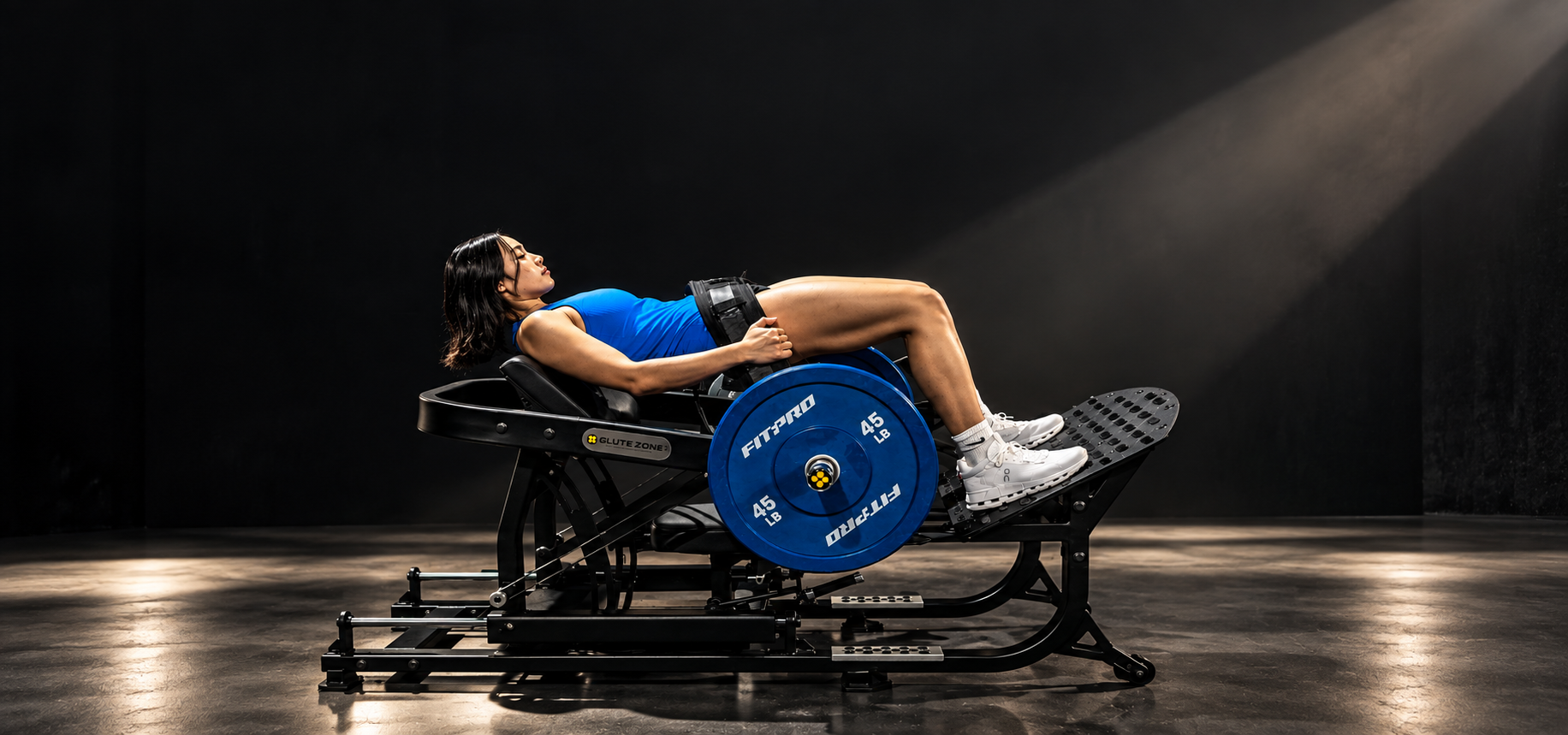
Walk into almost any gym at 6 p.m. on a Monday and you'll see the same scene: the bench press line is five deep, the squat racks are booked, and over in the corner, someone is dragging a bench across the floor, loading a barbell onto their hips, and hoping nobody needs that space. That's a member doing hip thrusts the hard way — and it's a retention problem wearing a training belt.
Here's the thing most gym owners miss: member churn is rarely a pricing problem. It's a belonging problem. And the fastest-growing segments of your membership — women and strength trainers — are telling you, with their wallets and their workout logs, exactly what kind of floor they want to belong to. A dedicated glute zone is the clearest answer a gym can give them.
The Retention Math Every Gym Owner Should Know
Let's start with the numbers, because the industry's latest benchmarking data is sobering. The Health & Fitness Association's 2025 Benchmarking Report — covering 175 companies and more than 17,000 facilities across 27 countries — puts average annual member retention at 66.4%. That means the typical gym loses a third of its members every single year. (The 71.4% figure still quoted on many vendor blogs is from 2015 data — the industry no longer hits it.)
The leak starts early: nearly half of all new members quit within their first six months. And replacing them is brutally expensive — acquiring a new member can cost up to five times more than retaining an existing one. Flip the lens around and the upside is enormous: research frequently cited in the industry (originally from Invespco/Bain) shows that a 5% increase in retention can lift revenue by up to 95%.
What moves the needle most? Onboarding. Retention expert Dr. Paul Bedford's research, cited alongside the HFA data, found that members who complete a structured onboarding program retain at 87% after six months, versus roughly 60% for those who get none. Gym consultant Jim Thomas puts it more bluntly: members don't cancel because of prices — they cancel when they stop feeling motivated, connected, excited, and proud of where they train. His prescription? Refresh the member experience before anyone has a reason to leave.
New equipment is one of the fastest ways to do that. It creates novelty, and novelty creates engagement. And right now, no equipment category creates more buzz — and more daily use — than a dedicated glute training area.
Women Are the Industry's Growth Engine — and Glutes Are the Entry Point
Look at who's actually driving gym growth, and the picture is unmistakable:
- 52% of all gym members are women, and female membership has been growing faster than male membership for over a decade — up 32.2% versus 23.2% over the last 10–15 years.
- Personal training grew fastest among women in 2024, up 15.9%, according to HFA data.
- Studios — the fastest-growing facility format — are increasingly female-driven.
Then there's the untapped market. A 2025 white paper from UK operator Total Fitness, based on a survey of 5,091 adults, found that 64% of women are not gym members — but two-thirds of them would be interested in joining if the offering aligned with their needs. The mainstream gym environment, the researchers concluded, has silently excluded most women's emotional needs "unconsciously and unintentionally."
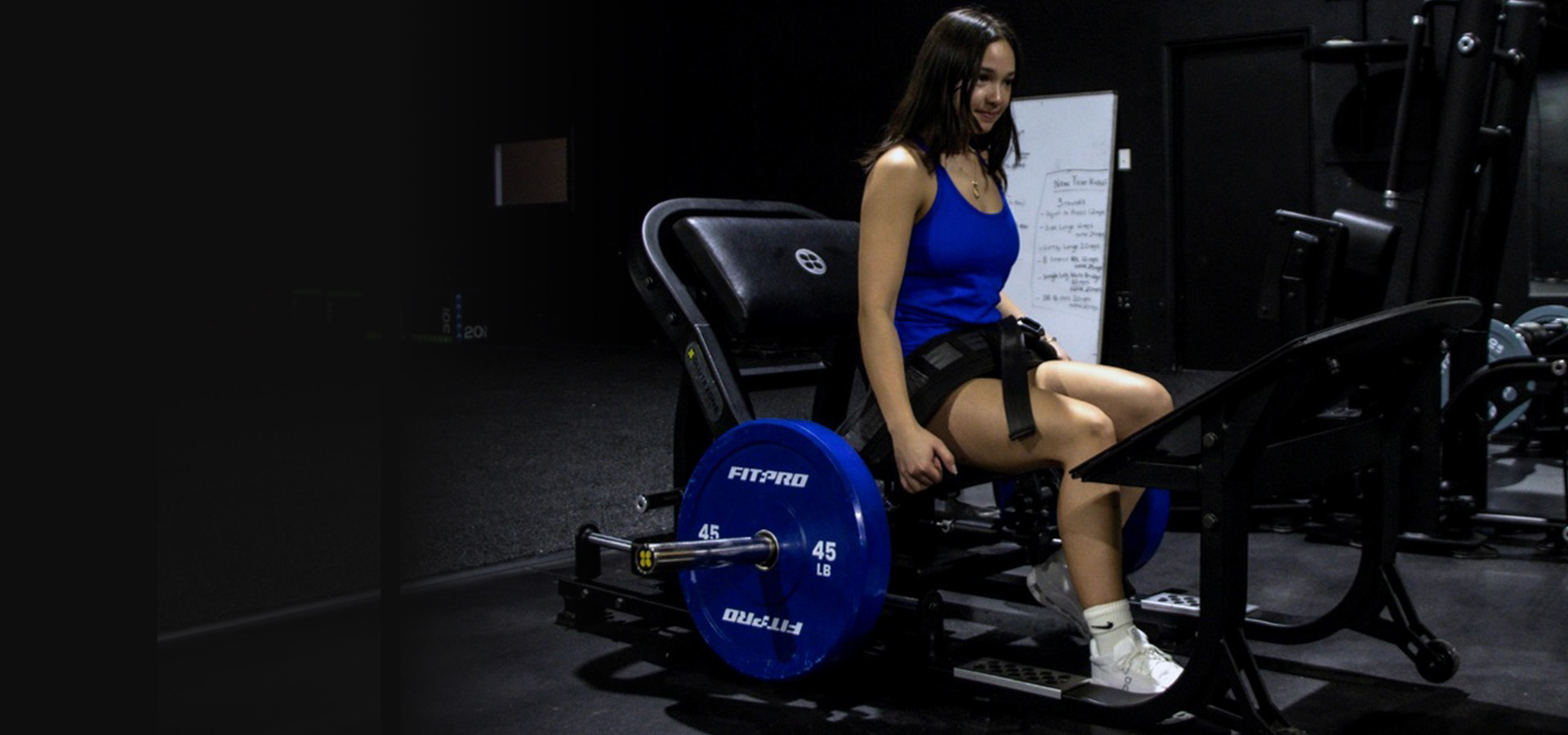
A dedicated glute zone is the most visible possible signal that your gym was designed with those members in mind. It says: your training matters here — it has its own space, its own equipment, its own name. That feeling of being seen is exactly what keeps the 66.4% from sliding lower

Strength Training Is Having Its Moment
The glute zone isn't just for one demographic. Strength training is the defining trend of the moment: ClassPass data cited in 2026 industry coverage shows strength training bookings grew 35% year-over-year, and boutique studios are pivoting hard from cardio-only programming to resistance training. Industry observers report that dedicated hip thrust stations are becoming studio staples — pieces that members actively line up to use.
Glute training, meanwhile, remains one of the most in-demand workout categories in commercial facilities. Specialized equipment guides note that glute training zones can both attract and retain more members, because they deliver what members actively seek: targeted, progressive, results-driven training. The hip thrust in particular is prized because it places the glutes under high tension through a full range of motion while minimizing compensation from other muscle groups.
In other words, a glute zone serves your powerlifters, your group-class converts, your Gen Z strength enthusiasts, and your women's training community — all on the same square footage.
What a Real Glute Zone Looks Like
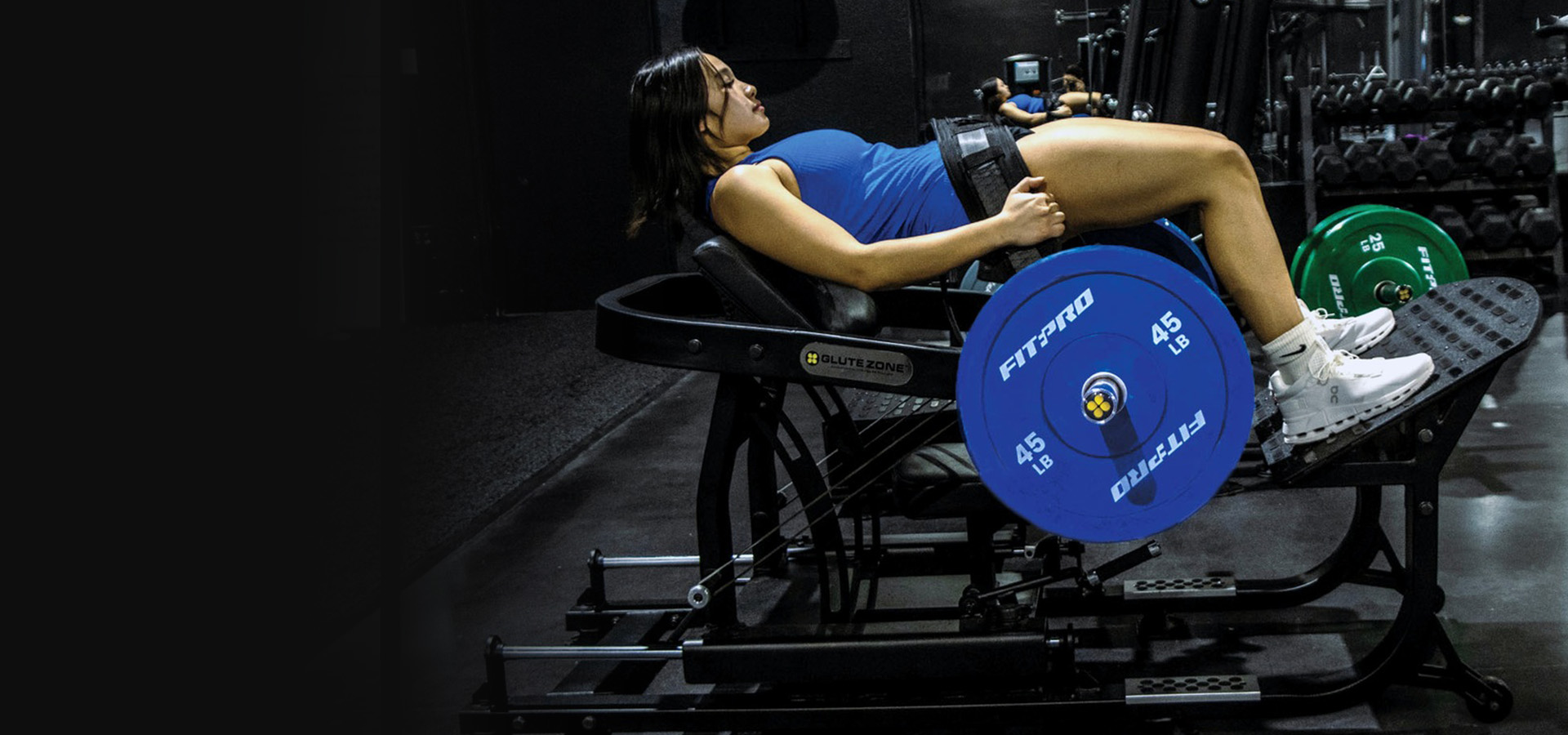
A glute zone isn't a corner with a dusty booty band. It's a named, intentional training area anchored by purpose-built equipment. Here's the anatomy:
The anchor: a dedicated hip thrust station
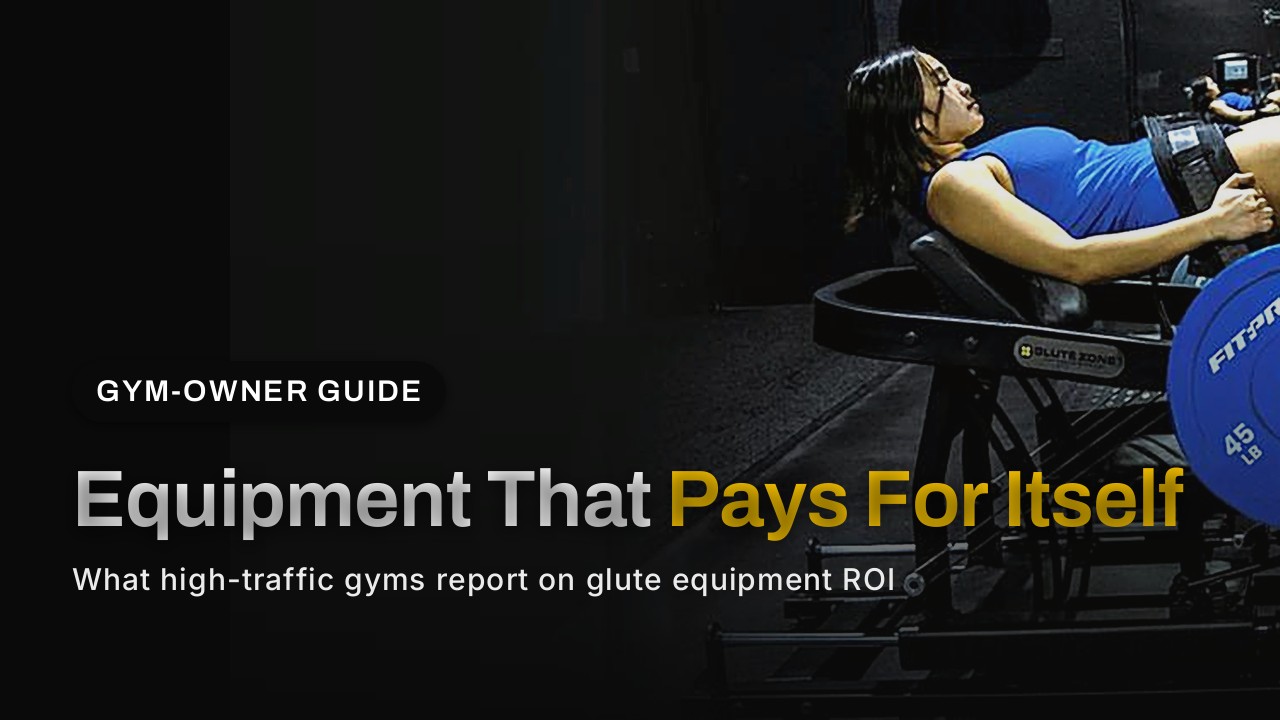
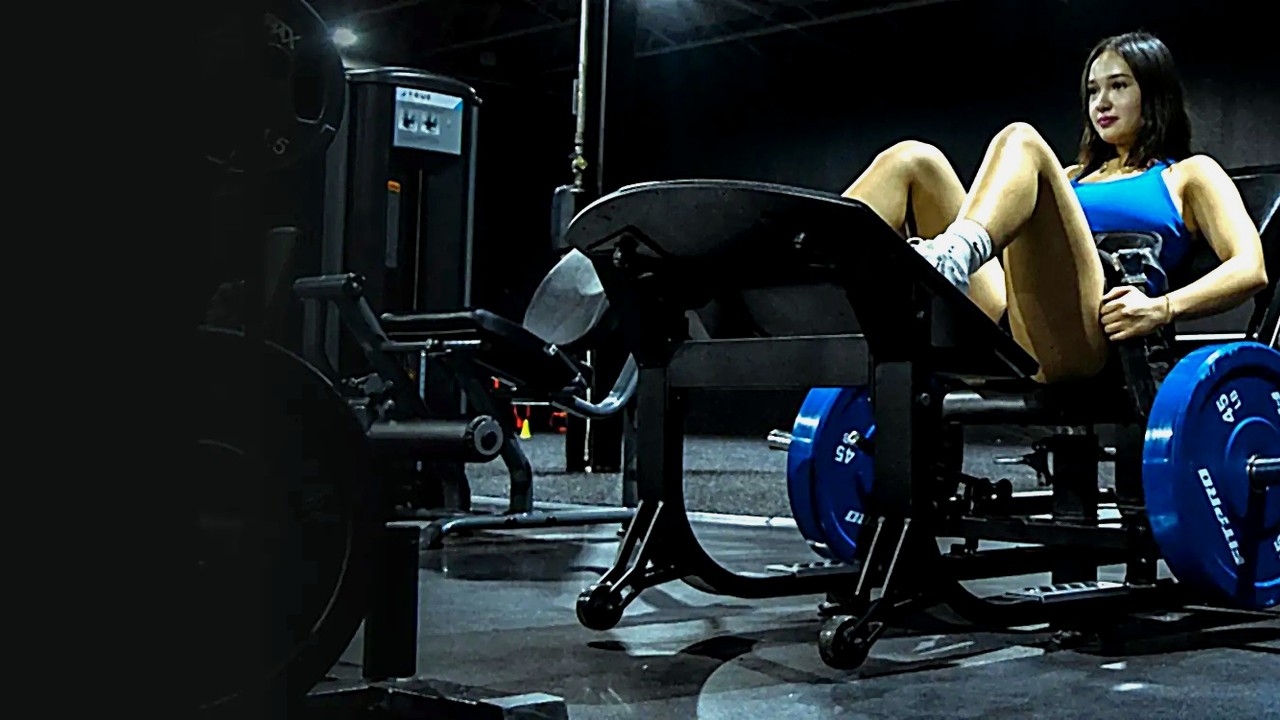
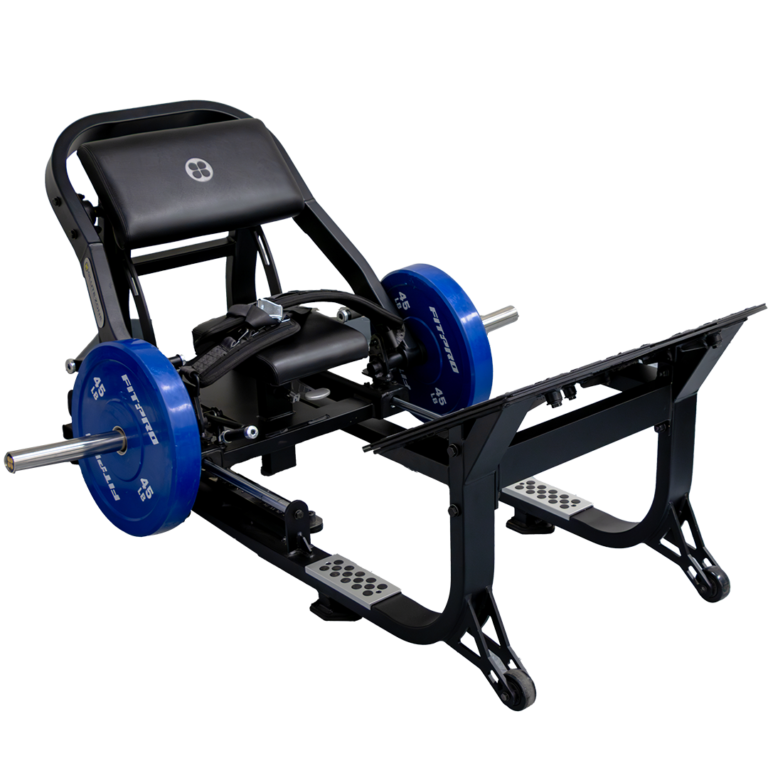
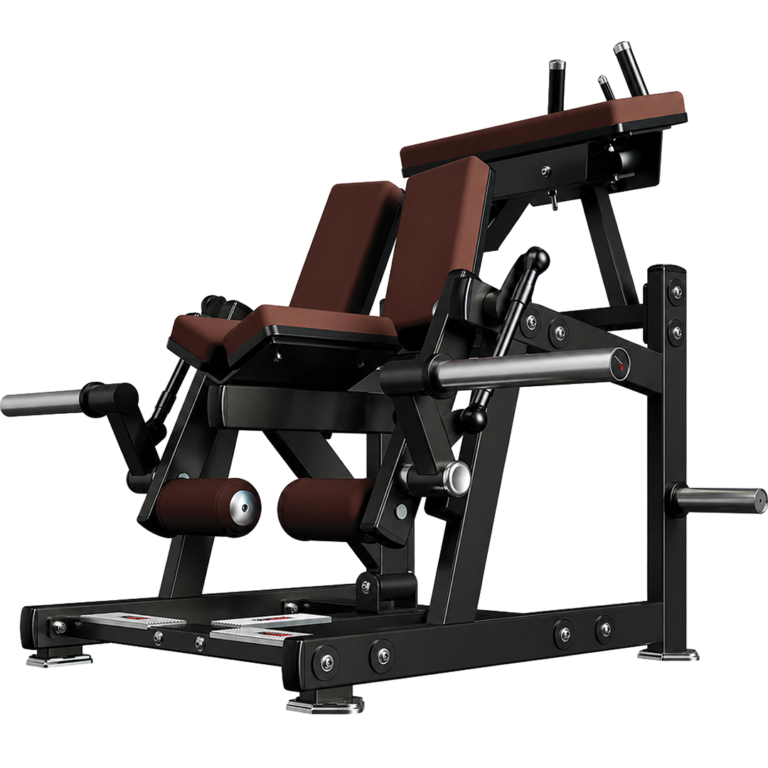
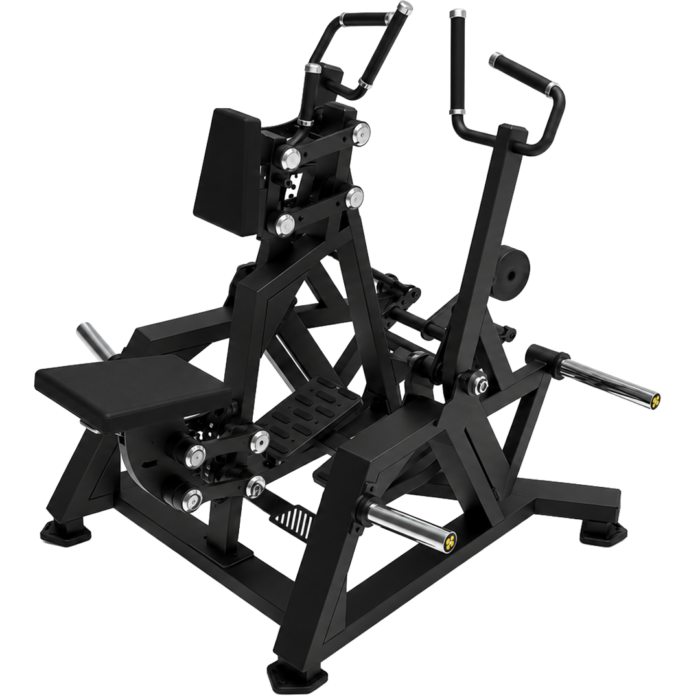
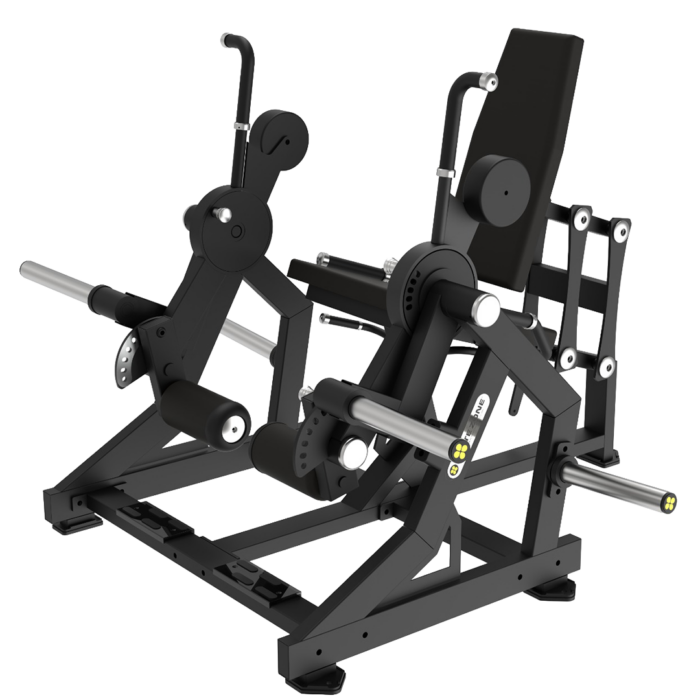
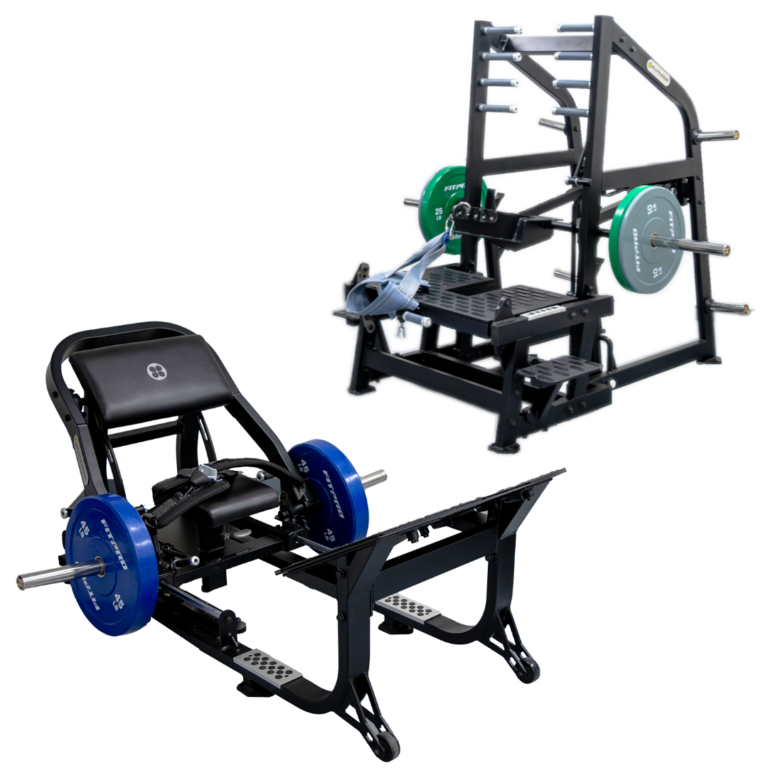
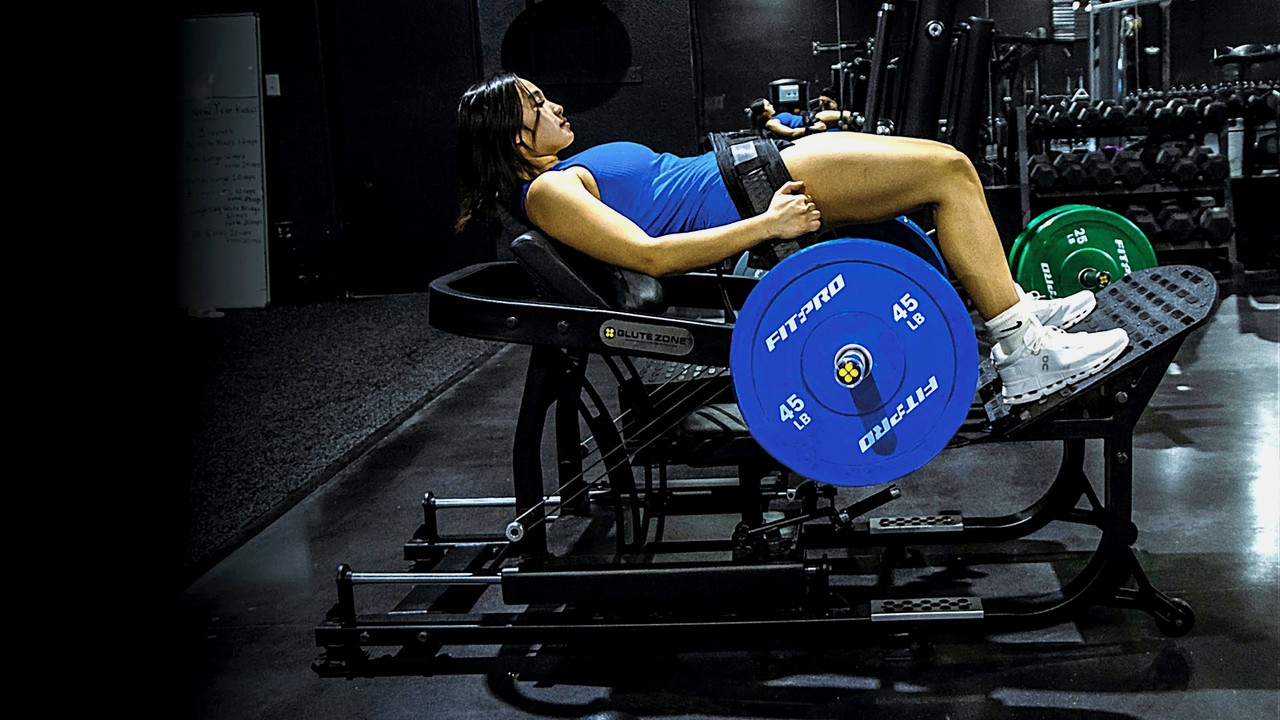
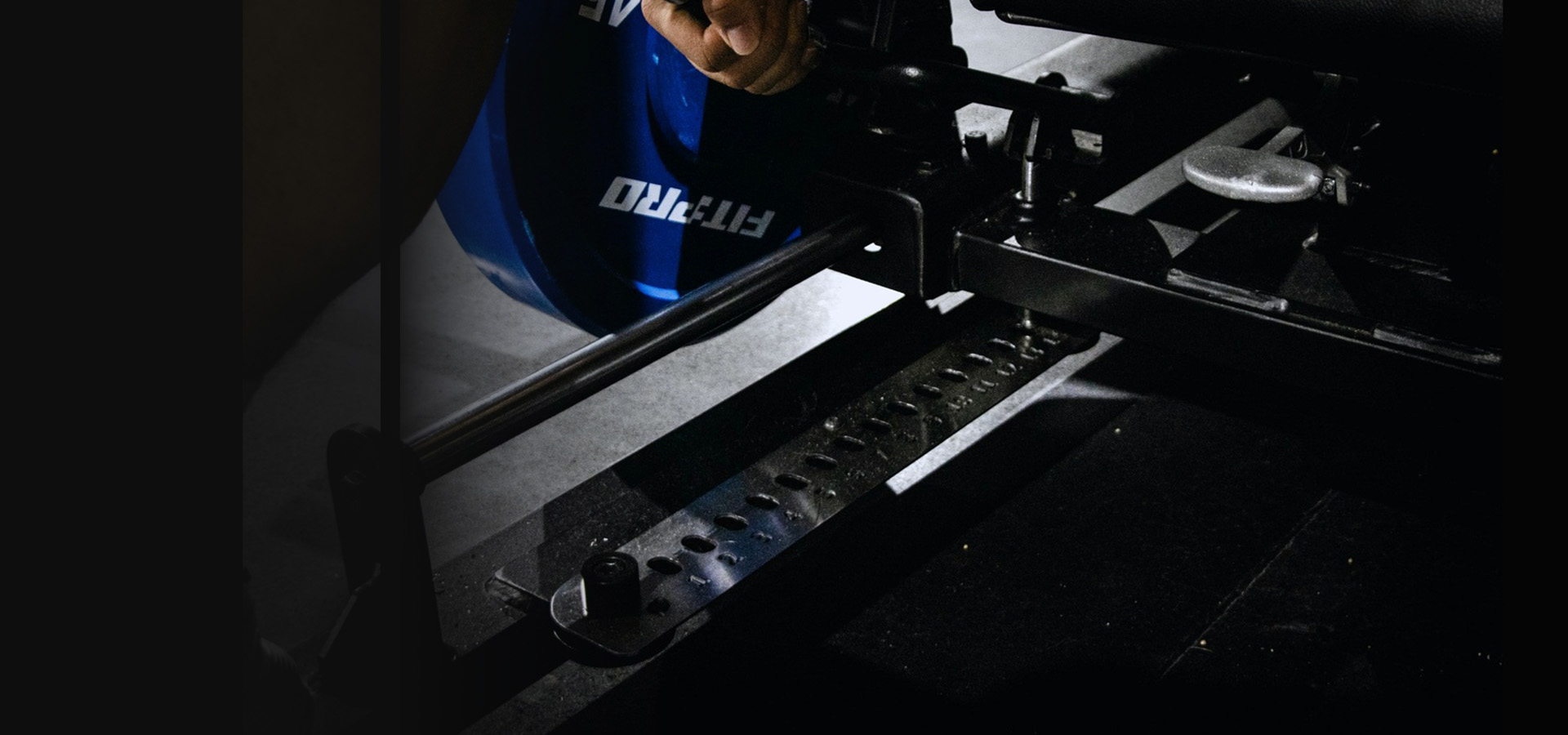
Everything starts with a proper commercial hip thrust machine. A dedicated machine changes the exercise completely: guided movement path, no barbell balancing act on the hips, no bench-dragging, no intimidation factor for beginners — just load the plates and thrust. The GluteZone Hip Thrust Machine is built exactly for this role: a 16-point adjustable seat that dials in every body type, 550 lbs of plate load capacity, a ~357-lb commercial-grade steel frame with anchor-hole floor mounts, and a lifetime frame warranty. One station, constant rotation, zero setup friction.
The support cast
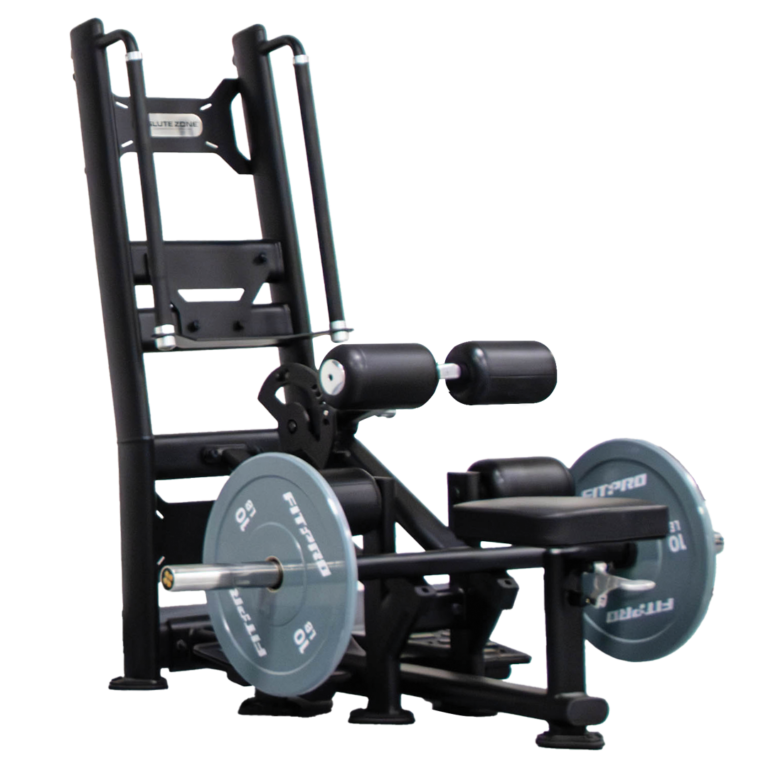
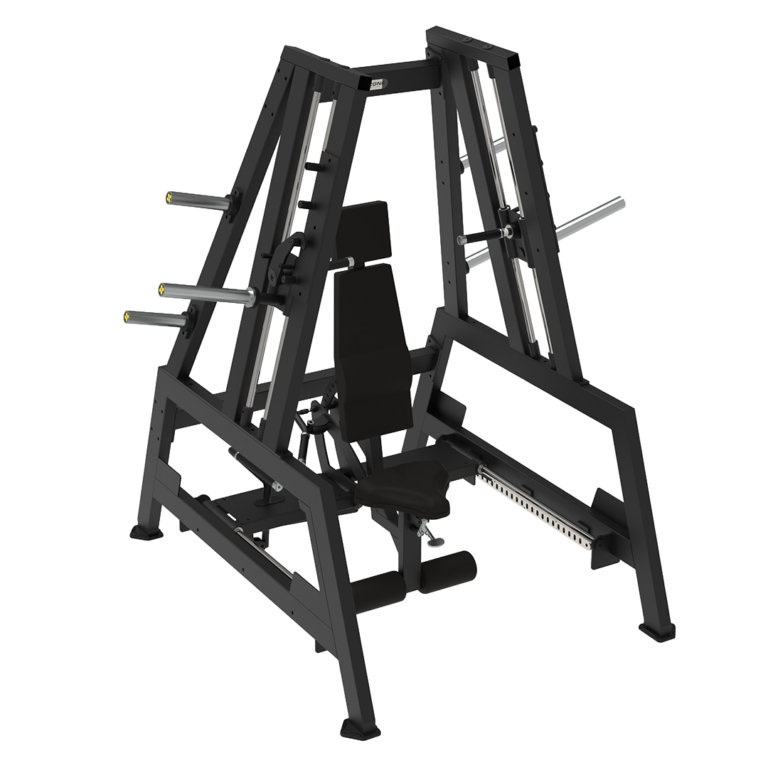
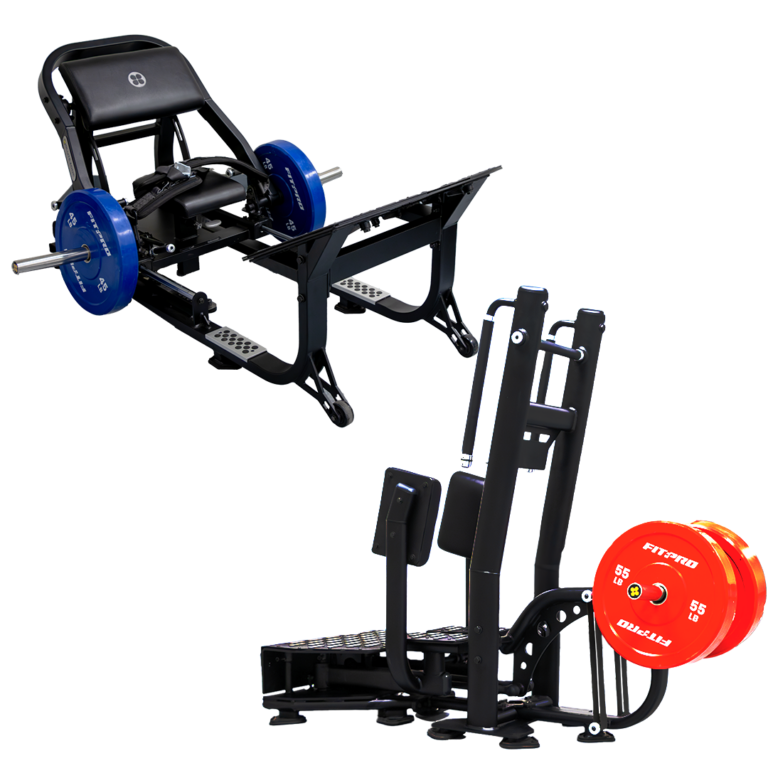
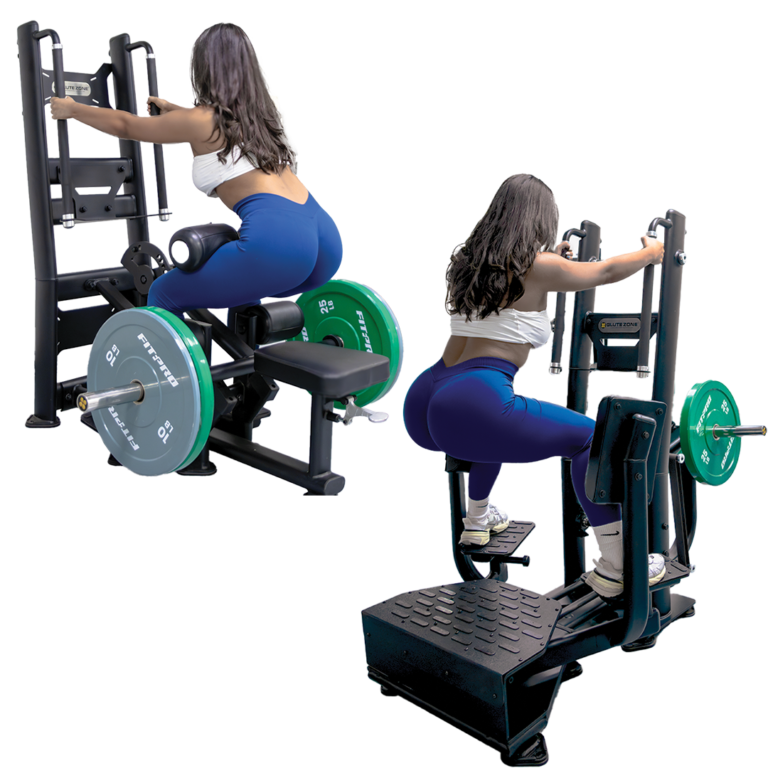
A complete zone layers in complementary movement patterns — hip extension, abduction, and multi-angle resistance. A pendulum squat adds deep, guided lower-body loading with a natural swing path that's easier on the back than barbell squats. A standing abductor rounds out the outer-glute and hip-stability work. Bundle them — like the Glute Power Duo — and the per-machine investment drops while the zone feels like a real destination, not a single piece of equipment.
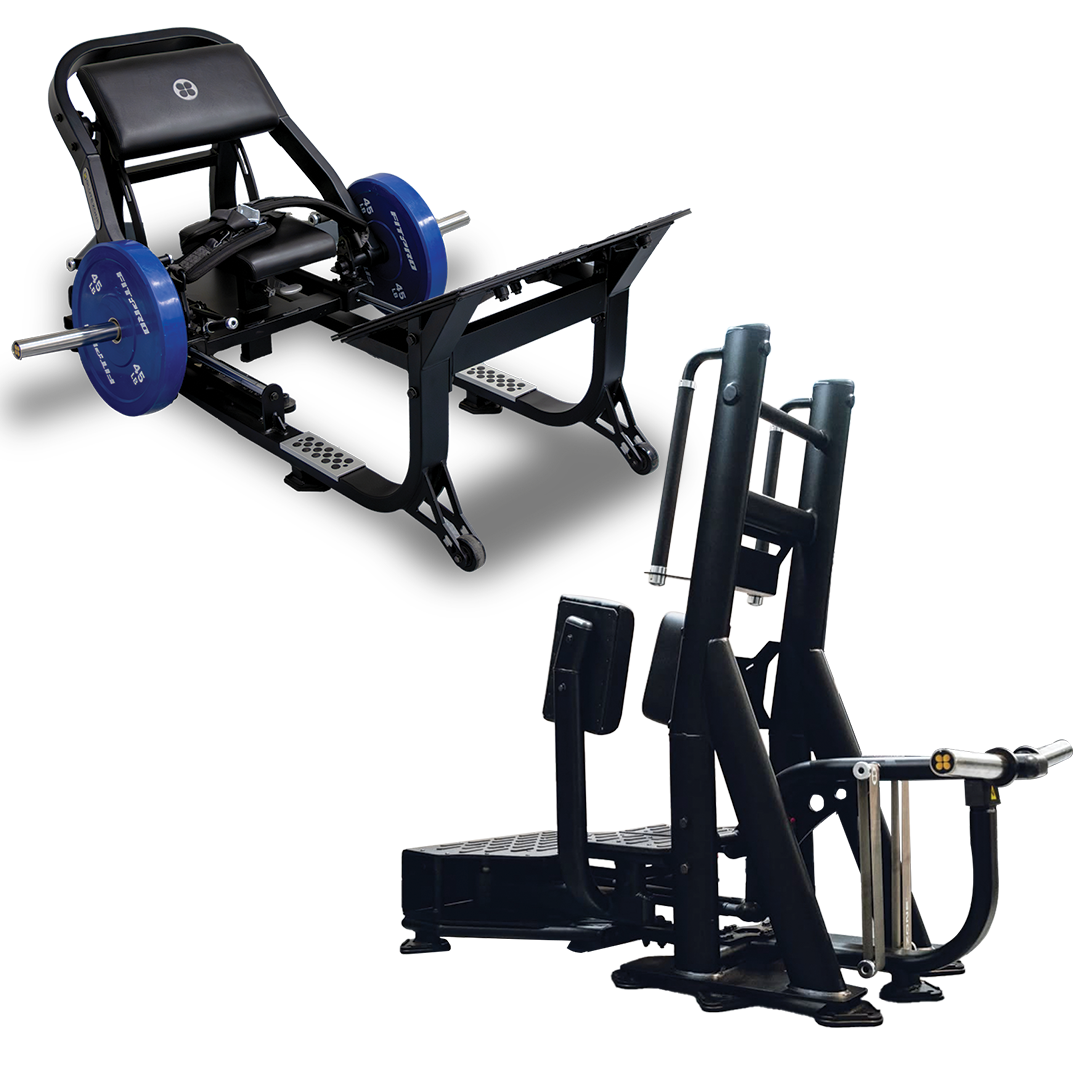
Built for heavy use, sized for any floor
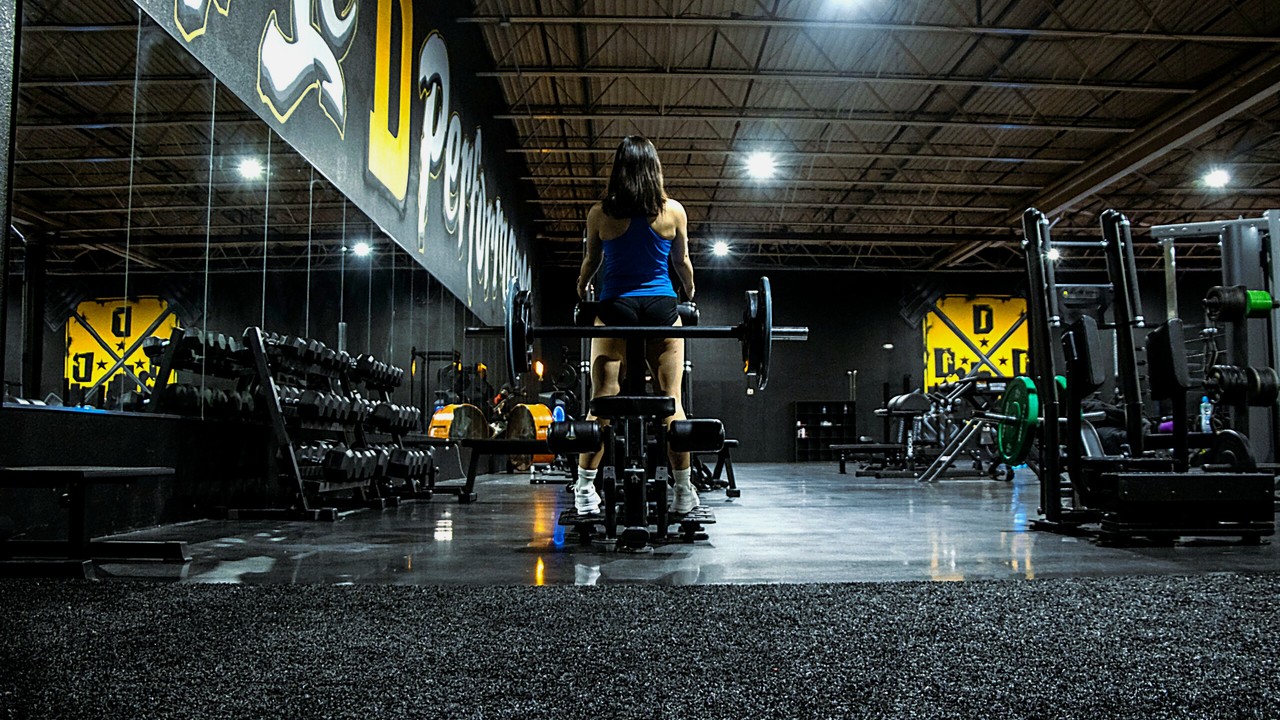
Commercial-grade matters because a glute zone is, by design, high-traffic. These are the stations with a wait at peak hours. Heavy-gauge steel, smooth plate-loaded motion, and a footprint that fits real gym layouts mean the zone earns its floor space every single day — for gyms and for serious home-gym buyers alike.
The Cost Math: One Station vs. One Month of Lost Members
Here's the back-of-the-napkin version every owner should run. Take your average monthly dues and multiply by the members you lose in a typical month. Then remember: each one you keep is worth up to five times less than acquiring their replacement — and a 5-point retention gain can move revenue by as much as 95%.
A single hip thrust station serves dozens of members a day, every day, for years. It doesn't take a spreadsheet genius to see which side of that equation wins. Add bundle pricing, a lifetime frame warranty, and 0% APR financing through Affirm, and the "expense" starts looking like what it really is: one of the cheapest member-retention investments on your floor.
How to Market a Glute Zone (and Fill Off-Peak Hours)
Installing the zone is half the job. Selling it to your members is the other half — and it's where most gyms leave money on the table:
- Name it and sign it. "The Glute Zone" with real signage turns equipment into a destination. Destinations get talked about; corners get ignored.
- Program it in off-peak hours. A 30-minute glute-builder small-group session at 10 a.m. or 2 p.m. fills your dead hours with your most engaged members — and small-group slots are margin-rich.
- Onboard every new member through it. Remember Bedford's 87% number: structured onboarding is the highest-leverage retention lever you own. A guided first session on the hip thrust machine makes a new member feel capable on day one.
- Make it the most photographed corner of your gym. Members share "new," not "normal." A branded, well-lit glute zone is free social content — and every tagged post is a referral you didn't pay for.
The Bottom Line
The average gym keeps 66.4% of its members. The gyms that beat that number don't do it with cheaper dues — they do it by making members feel like the gym was built for them. A dedicated glute zone does that for the fastest-growing segments of your membership, creates the novelty that fights boredom-driven churn, and turns a corner of your floor into a revenue center.
Build Your Glute Zone — Get a Quote
Commercial-grade glute machines with lifetime frame warranty and 0% APR financing through Affirm. Talk to our team about the right setup for your floor.
Sources
- HFA 2025 Fitness Industry Benchmarking Report — 66.4% annual retention across 175 companies and 17,000+ facilities; Dr. Paul Bedford onboarding research (87% vs. ~60% six-month retention) — via Nutripy and Daxko.
- Acquisition costs up to 5x retention costs; average revenue per member benchmarks — Accio / US Fitness Trends 2026.
- 5% retention increase can lift revenue by up to 95% (Invespco/Bain) — via GymManagement-Software.
- Nearly 50% of new members quit within six months; 52% of members are women; female membership growth +32.2% vs. +23.2% male — WODGuru and PTPioneer.
- Personal training grew fastest among women in 2024 (+15.9%) — HFA data via MirrorsDelivered.
- Total Fitness white paper (5,091 UK adults, 2025): 64% of women not members, two-thirds interested if the offering fit — via Health Club Management.
- Glute training zones attract and retain members; glute training among the most in-demand categories — HCM Specifier: Glute Gains.
- Equipment modernization as a retention and revenue driver — Jim Thomas, FM Consulting.
- GluteZone Hip Thrust Machine specifications (16-point seat adjustment, 550-lb load capacity, ~357-lb frame, anchor-hole floor mounts) — verified on glutezone.com on September 30, 2026.