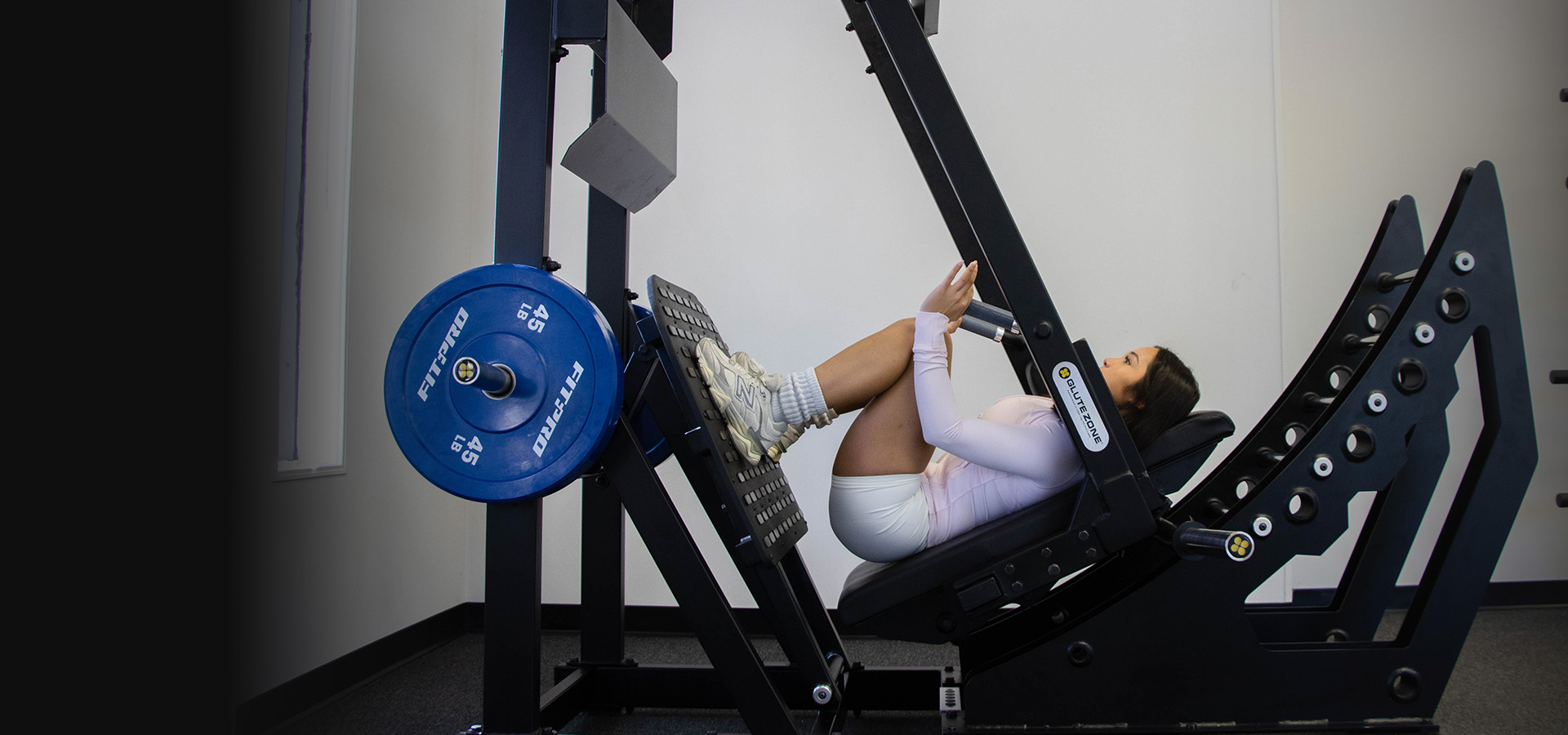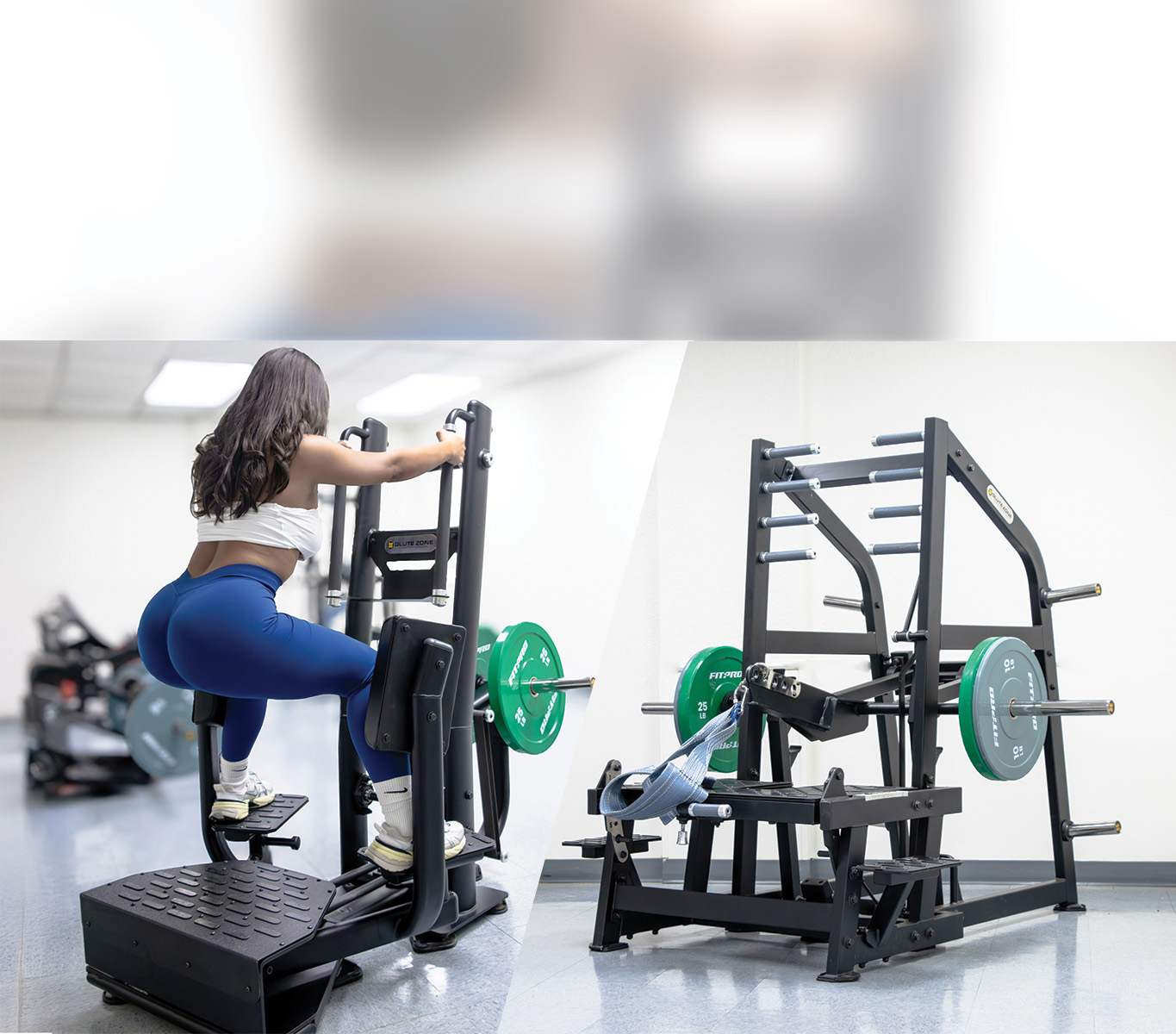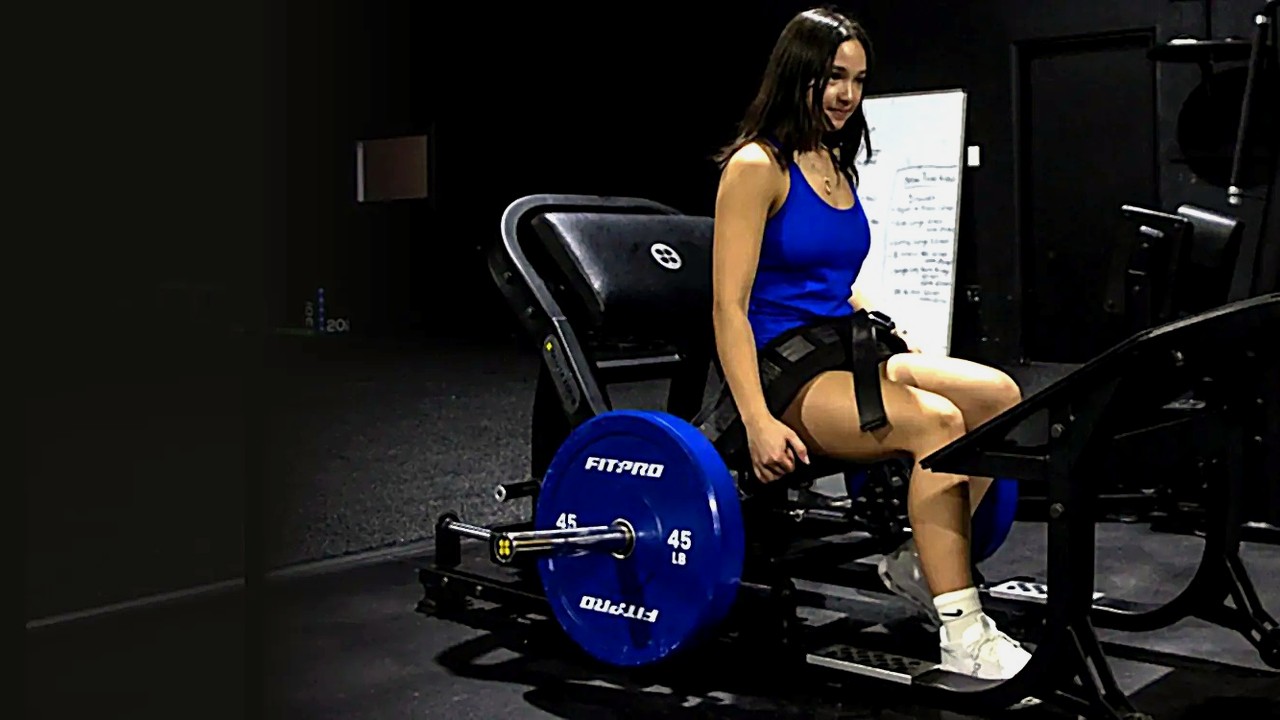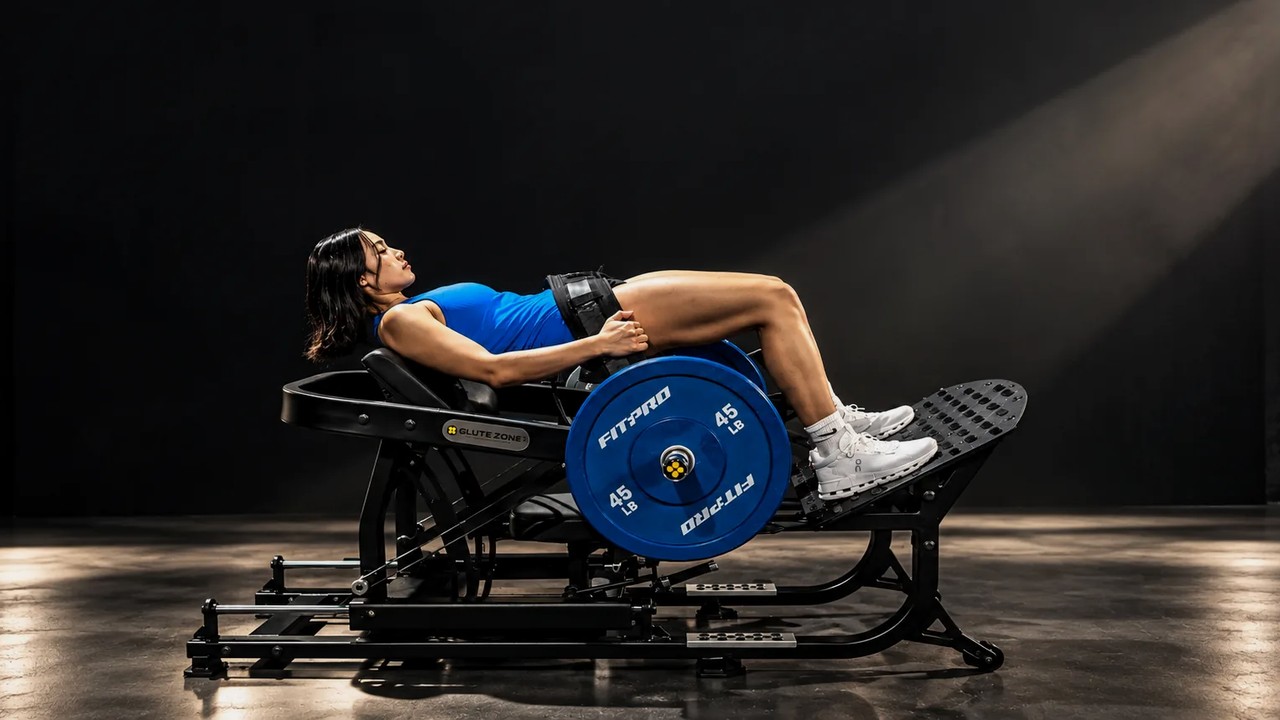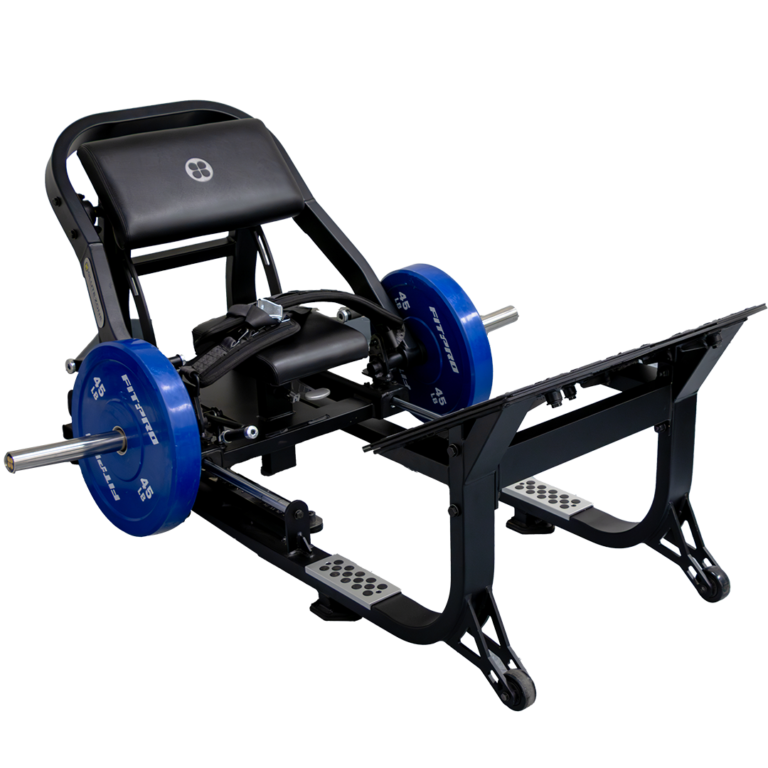


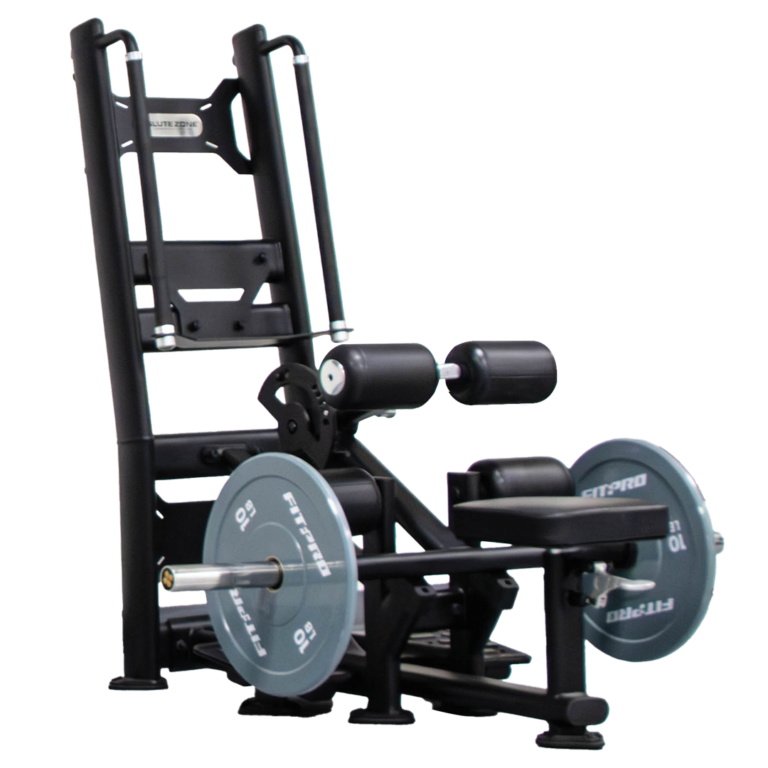

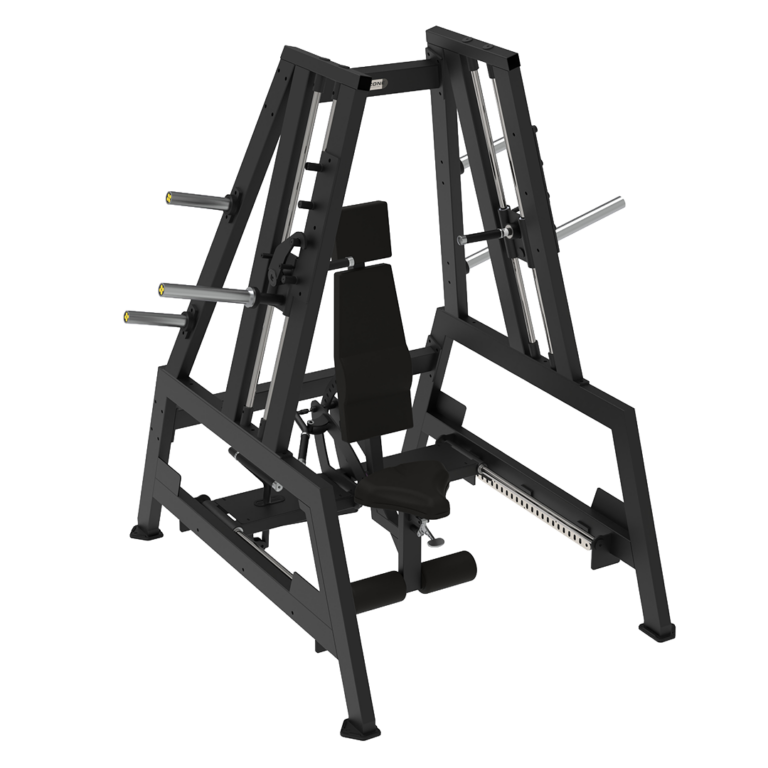
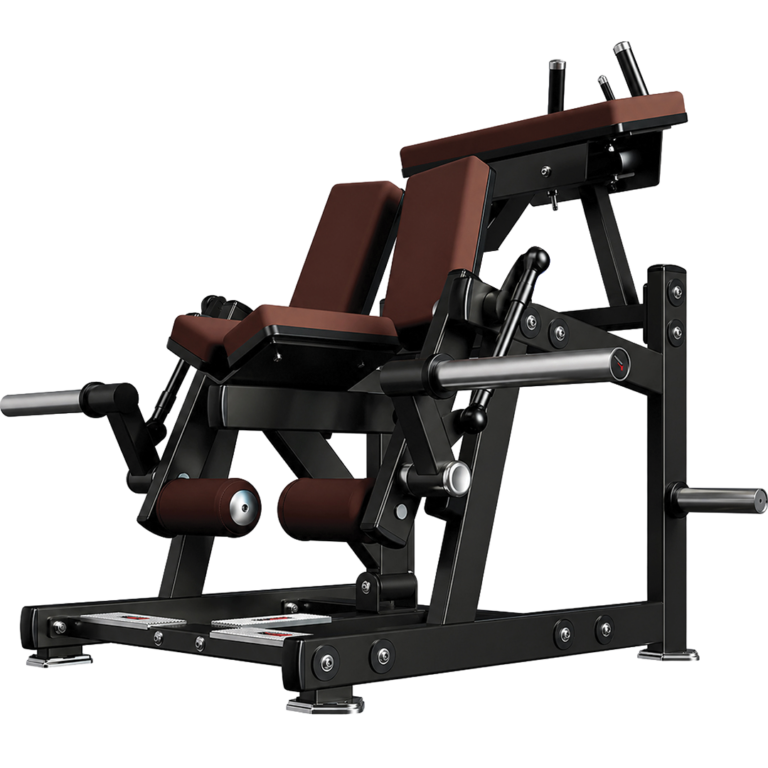
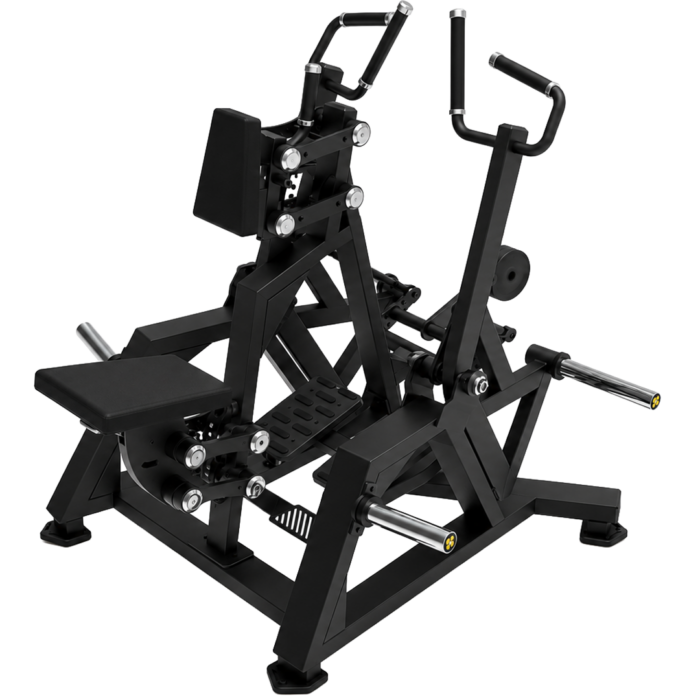
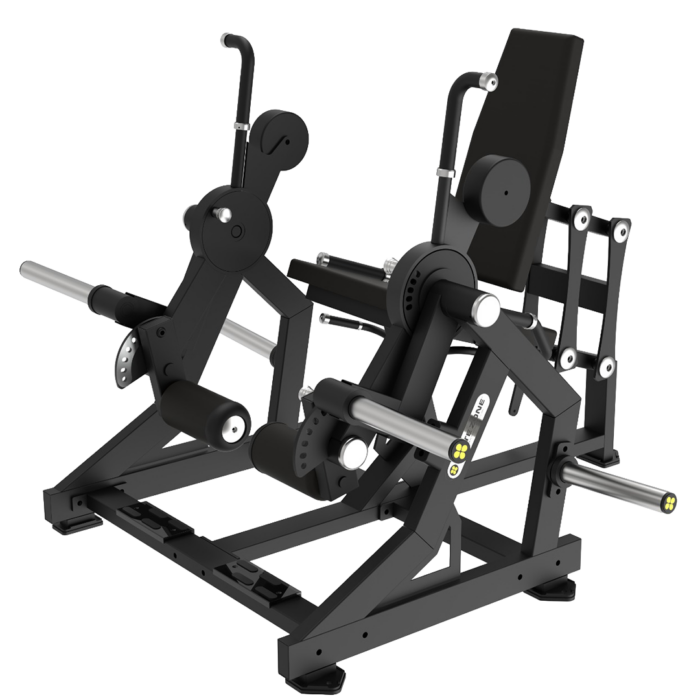



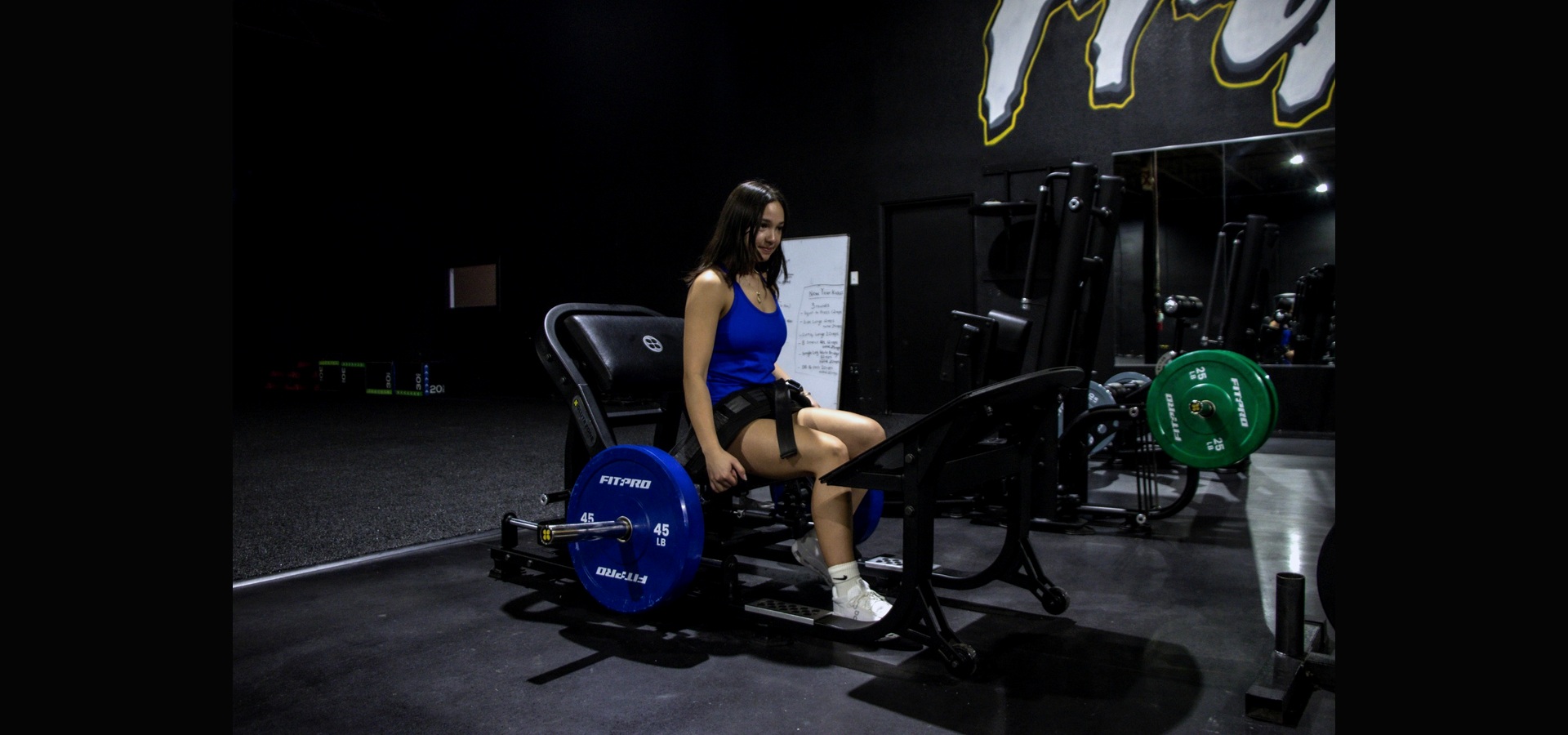

Your hip thrust machine is probably one of the most used stations in your gym. It is also one of the simplest machines you own. No motor, no cables, no weight stack, no screen. That simplicity is exactly why small maintenance habits pay off so well here: there are only a handful of wear points, and every one of them is easy to check if you do it on a schedule instead of waiting for a member to report a problem.
This checklist is built for a busy commercial floor. It follows the cadence service professionals recommend for commercial fitness equipment in general, daily, weekly, monthly and quarterly care, and it applies that cadence to the specific parts of a plate loaded hip thrust machine: the seat rail, the pivot bearings, the belt, the pads, the plate horns and the frame. Home gym owners will find a shorter version near the end.
Why a maintenance schedule matters more than ever
Facilities are busier than they have ever been. The Health and Fitness Association counted 81 million fitness facility members in the United States in 2025, an all time high. When a popular station goes down in a gym that busy, members notice fast, and they have options. Average annual retention sits at 66.4 percent, and the average member is worth about $517 a year, so keeping the equipment people love in service is not housekeeping. It is retention work.
81M
US gym members in 2025, an all time high (HFA 2026)
66.4%
Average annual member retention rate (HFA)
$517
Average annual value of one member (HFA via Gymdesk)
550 lb
Load the GluteZone plate horns are built to support
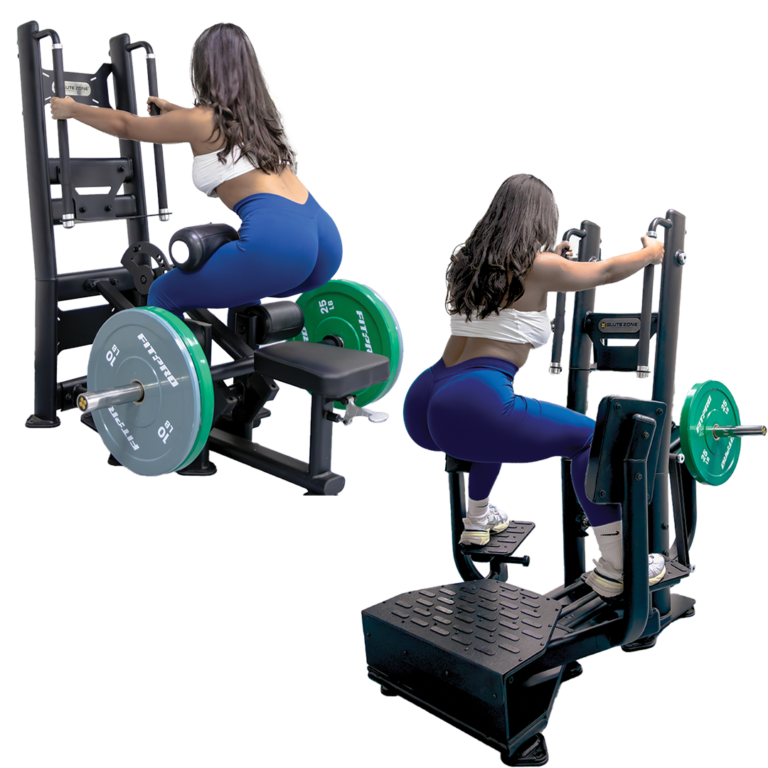
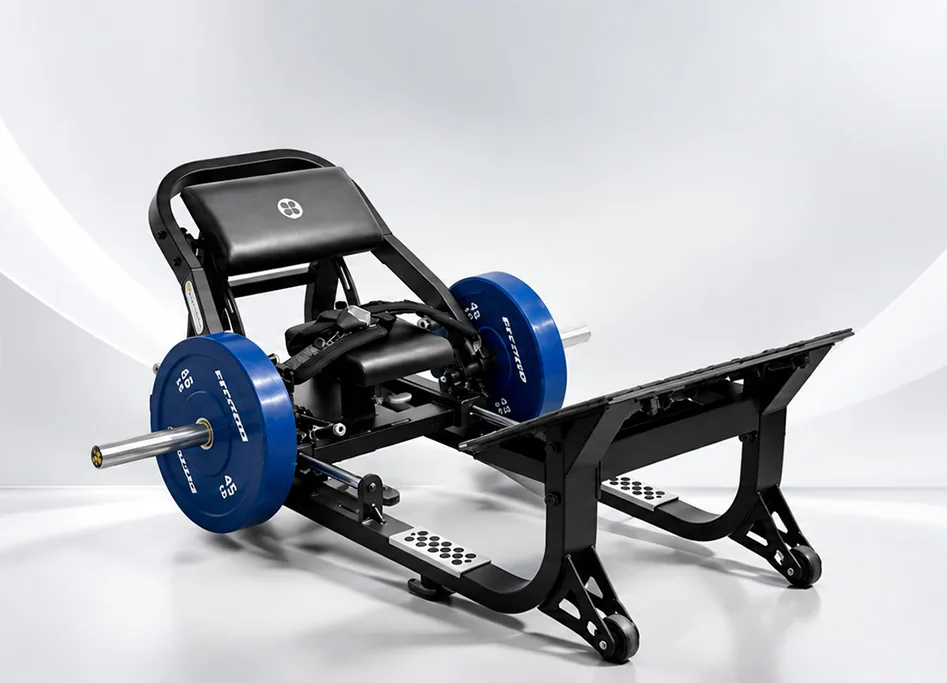
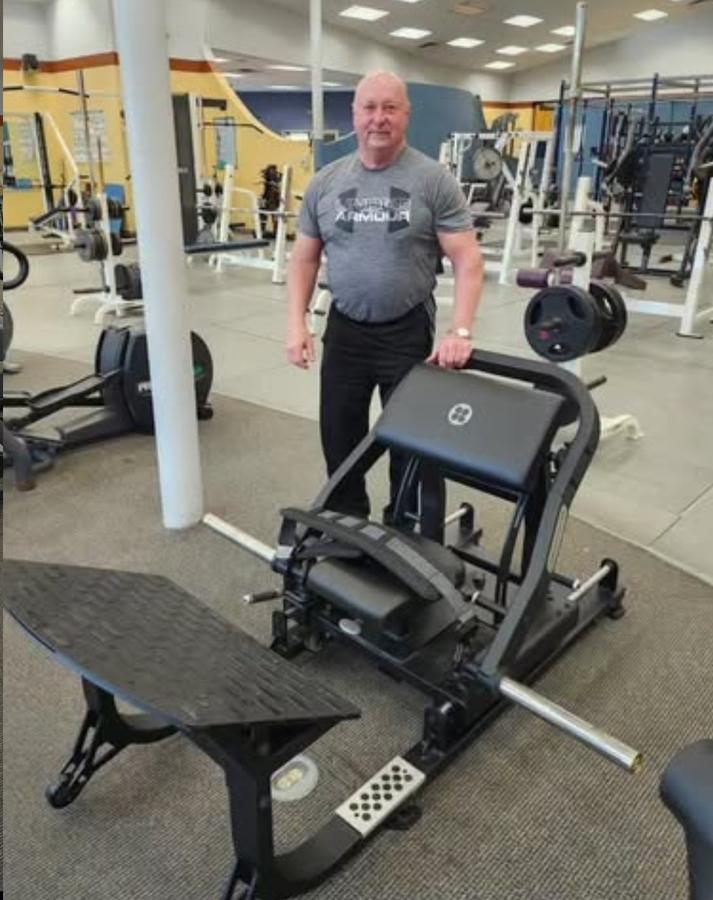
The good news: a plate loaded machine like the GluteZone Hip Thrust Machine removes most of the failure points that take other equipment out of service. There is no cable to fray, no stack pin to bend and no motor to burn out. What remains is mechanical and visible: bolts that vibrate loose, bearings that need grease, a seat rail that collects chalk and dust, pads that take sweat every day, and a belt that gets pulled hard on every set. All of it can be checked in minutes.
The daily check: five minutes at close
Daily care is member facing hygiene plus a fast visual inspection. Facility standards cited in gym equipment lifecycle guides recommend that all equipment be inspected daily, that findings be logged, and that any damaged equipment be removed from service immediately rather than left tagged on the floor. For the hip thrust station, the daily pass looks like this:
- Wipe the back pad, seat and belt with a mild, equipment safe cleaner. Sweat and salt left overnight are what crack upholstery over time.
- Look at the belt and buckle for cuts, fraying or a buckle that no longer clicks firmly.
- Slide the seat through a few of its adjustment points and confirm the pin seats fully at each one.
- Check that both plate horns are clear, collars are present, and no plate is leaning against the frame.
- Listen and feel on one unloaded rep: the swing should be smooth and quiet, with no grinding, clicking or side to side play.
- Flag anything odd in the log the same day, even if the machine stays in service.
That last point matters. A log entry that says “slight click at the pivot, watching it” turns a surprise breakdown three weeks later into a planned part swap.
The weekly check: movement and hardware
Once a week, go one level deeper. Commercial service guides put lubrication and moving part inspection on a weekly to monthly rhythm for strength equipment, and in a high traffic glute zone the weekly slot is the right one for these items:
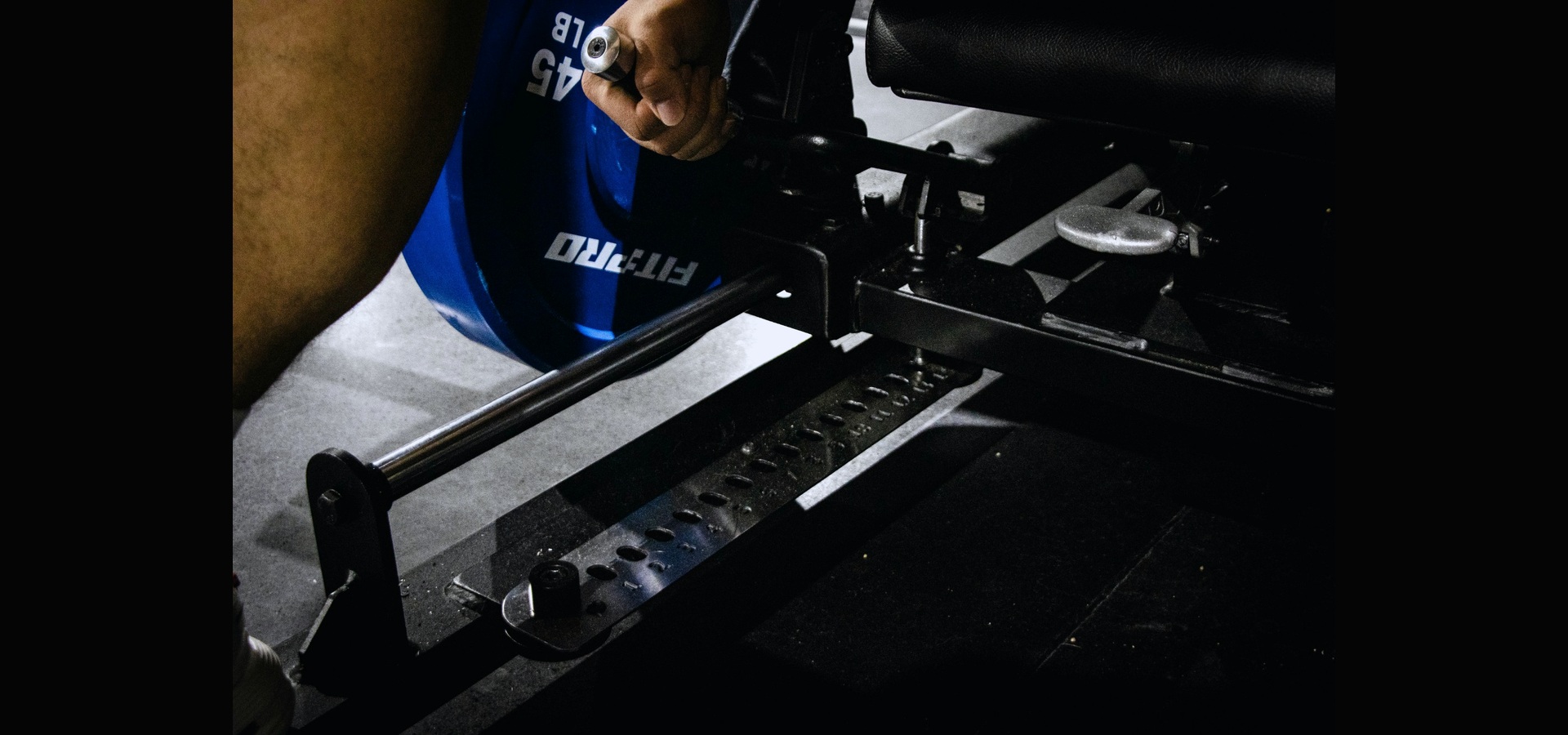
- Clean the seat rail and the adjustment holes. Chalk, dust and grit in the rail are the main reason a 16 point adjustable seat starts to feel sticky.
- Run the seat through all 16 forward and backward positions once. It should lock positively at every point.
- Wipe the pivot area clean and check for fresh metal dust, rust spots or grease weeping from a bearing.
- Confirm the machine still sits flat. The GluteZone frame weighs about 357 lb and includes anchor hole ports on each foot for optional floor bolting, so a rocking machine usually means a foot or floor issue, not a frame issue, and it should be corrected before heavy use continues.
- Check the transport wheels and handles for damage if the machine gets moved for classes or events.
The monthly check: bolts, pads and belt
Monthly is the first tier that needs a wrench. Vibration from heavy thrusts gradually loosens hardware on any plate loaded machine, and service guides consistently place bolt tightening and wear inspection on a monthly cycle for strength stations.
- Torque check the frame bolts, pad bolts and plate horn bolts. Work in a pattern and note any bolt that needed real tightening, because a bolt that loosens twice belongs on the watch list.
- Inspect pads closely under bright light: seams, edges and the top of the back pad where shoulders press. Small tears grow fast once sweat reaches the foam, so repair or order a replacement at the first split, not the tenth.
- Inspect the full length of the belt for edge fraying and check stitching near the buckle.
- Load the horns evenly to a moderate weight and do two slow reps. Watch the swing path for any drift and listen again for bearing noise under load, which is when it shows up first.
- Review the daily log for repeat notes on this machine. Patterns, not single events, are what predict failures.
Every 3 to 6 months: bearings and a deep clean
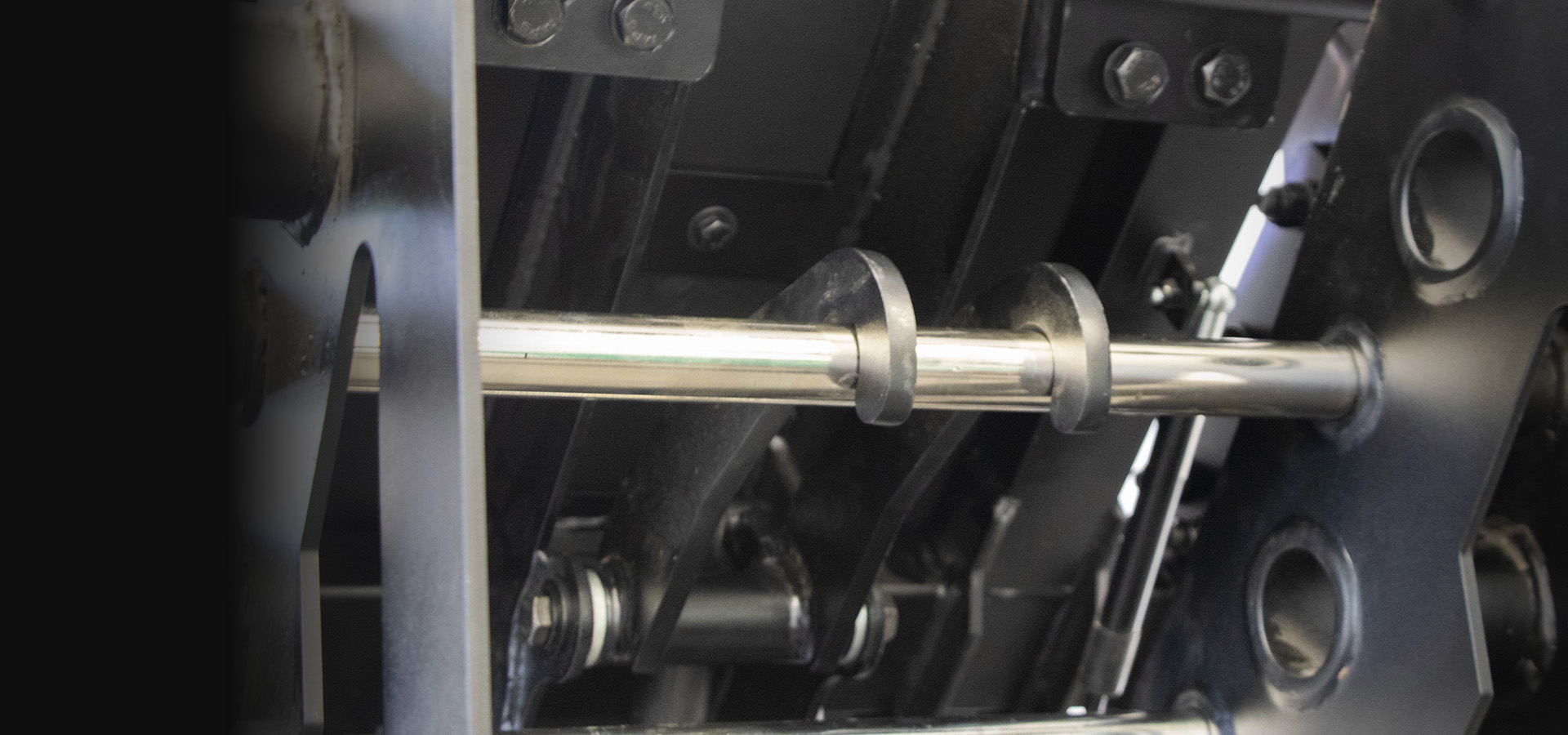
Bearings and pivot points are the heart of a hip thrust machine, and manufacturer and service guidance for plate loaded glute equipment puts bearing lubrication on a 3 to 6 month cycle in high use settings. The GluteZone design makes this step unusually simple: the bearing units are sealed, they include a grease point for easy lubrication and maintenance, and each unit can be replaced individually if one ever wears, with parts stocked in Fort Worth. That means no full teardown and no waiting on a machine shop.
Use this quarterly to semiannual visit for the deep work as well: pull the machine out, clean under and behind it, inspect frame welds and the finish for chips that could start rust, and confirm the anchor ports and feet are clean and undamaged. If your gym runs professional quarterly service for cardio and selectorized lines, add the hip thrust station to that same visit. It takes a technician minutes to confirm what your log already says.
The tag out rule: when to pull a machine from service
A checklist only protects members if staff know when to act on it. Pull the machine from service the same day if you find any of these:
- A belt with a cut, heavy fraying or a buckle that slips.
- A seat pin that will not lock fully at any position a member might use.
- Grinding, binding or visible play at the pivot.
- A cracked pad with exposed foam in a contact area.
- Any crack in a weld or a bent plate horn.
Put a clear out of service sign on it, log it, and order the part that day. This is where buying from a maker that stocks spare parts in the United States and publishes an exploded view and manual pays for itself: the GluteZone Hip Thrust Machine carries a lifetime warranty on the frame and 1 year on spare parts, with parts and shipping covered during that year, so most wear item fixes are a phone call and a few days, not a capital request.
Home gym version: the same machine, a lighter cadence
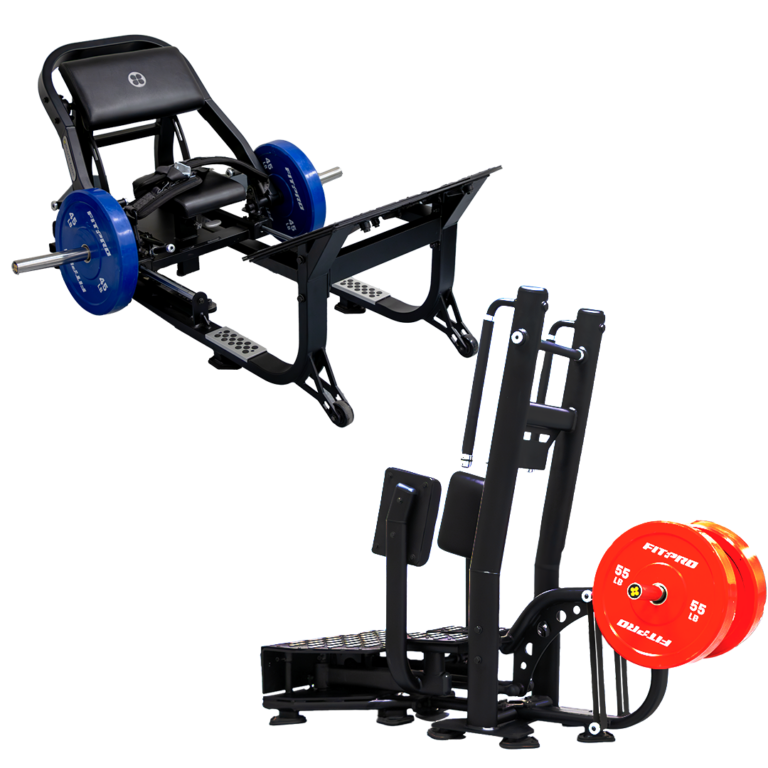
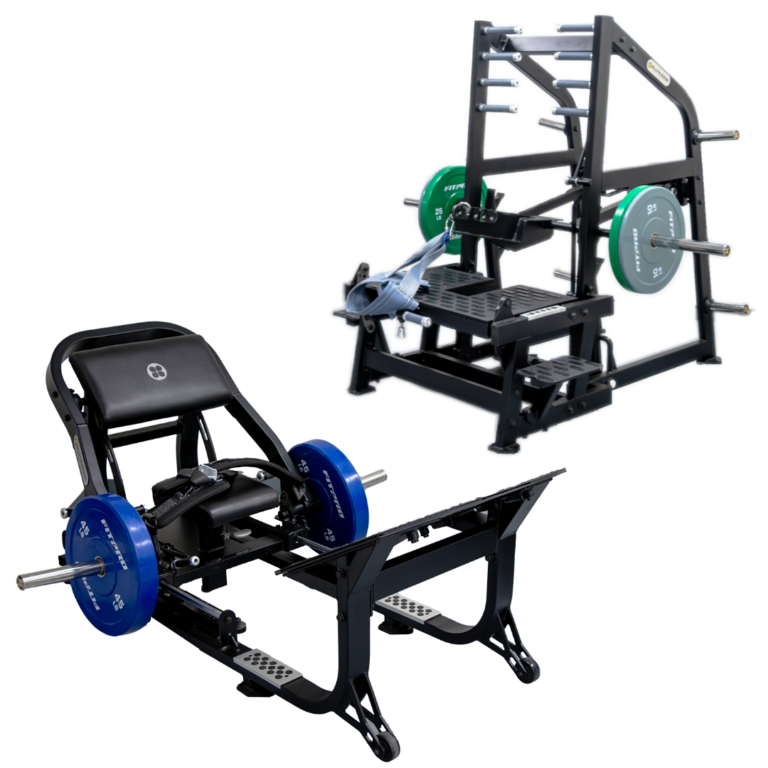
A home gym hip thrust machine sees a fraction of the daily reps of a commercial floor, so the cadence stretches, but the checkpoints are identical. Wipe pads after sweaty sessions, run the seat rail and pivot check monthly, do the bolt and belt inspection every few months, and grease the bearings on the same 3 to 6 month rhythm if your training volume is high. The Pendulum Squat in a home or studio setup follows the same logic: keep the movement smooth, keep hardware tight, and log anything that changes. Machines rarely fail without warning. They warn quietly first.
Four maintenance mistakes that shorten machine life
- Harsh solvents on pads. Strong chemicals dry and crack vinyl. Mild soap based cleaners are the standard recommendation for upholstery.
- Over lubricating. Excess grease attracts dust and grit and turns into an abrasive paste at the pivot. A little, on schedule, beats a lot, once a year.
- Ignoring the first small tear. A pad repair is cheap. A pad replacement plus foam is not, and members judge a gym by what touches their body.
- No log. Without dates and notes, every inspection starts from zero and repeat issues stay invisible until they become downtime.
Frequently asked questions
How often should a commercial hip thrust machine be serviced?
Use a tiered schedule: wipe and visually inspect daily, check movement and the seat rail weekly, tighten bolts and inspect the belt and pads monthly, and lubricate bearings every 3 to 6 months, with a professional deep inspection on a quarterly to annual rhythm depending on traffic.
What wears out first on a plate loaded hip thrust machine?
In practice it is the contact and adjustment parts: pads, the belt and buckle, and the seat locking pin area. The frame and pivot bearings last far longer when they are kept clean, tight and greased on schedule.
Can staff do this in house, or do we need a technician?
Daily, weekly and monthly checks are designed for trained floor staff. Bring in a technician for the quarterly deep inspection, any weld or frame concern, or a bearing replacement you are not equipped to do.
What warranty covers the GluteZone Hip Thrust Machine?
The frame carries a lifetime warranty and spare parts carry 1 year, with parts and shipping covered during that year. After that year, parts remain covered and the customer pays shipping. Verify current terms on the product page before you buy.
How much load can the machine handle while we are testing it?
The plate horns support up to 550 lb. For maintenance testing, a moderate, evenly loaded check is enough to reveal drift or bearing noise. There is no need to test at maximum load.
Keep your glute zone in service, not in storage
A machine that is checked on schedule stays smooth, safe and ready for the members who joined because of it. If you are adding a commercial grade hip thrust station to your floor, talk to our team about setup, spare parts and care. Financing is available with Affirm, so you can put the machine to work while you pay over time.
Sources
- GluteZone, Hip Thrust Machine product page, specifications and price verified October 27, 2026: 550 lb plate horns, 357 lb frame, 16 point adjustable seat, anchor hole ports, $2,239. https://glutezone.com/product/hip-thrust-machine/
- Health and Fitness Association, 2026 US Health and Fitness Consumer Report, via Gymdesk and Athletic Business: 81 million US members in 2025, 26.1 percent penetration, 66.4 percent average retention, $517 average annual member value.
- Health and Fitness Ohio, How Often Should Commercial Fitness Equipment Be Serviced: daily wipe and inspect, weekly lubricate moving parts, monthly tighten bolts, quarterly professional service, annual full inspection.
- Rework, Gym Equipment Lifecycle and Maintenance, citing NSCA facility guidance: inspect all equipment daily, log findings, remove damaged equipment from service immediately.
- Skelcore, Reducing Equipment Downtime: daily cleaning and visual inspection, scheduled lubrication and tightening, periodic deep maintenance, and detailed maintenance logs per machine.
- Dynamo Fitness, How Commercial Gym Owners Reduce Gym Equipment Repair Costs: preventative maintenance plan with daily, weekly and monthly checklists for strength equipment.