






Slow down the negative. Count to five on the way down. Make every rep burn.
It is some of the most repeated coaching advice in any gym, and it sounds scientific. More time under tension should mean more growth, right? For years, lifters have treated a slow eccentric, the lowering phase of a rep, as a shortcut to bigger glutes. If a normal hip thrust works, a five second hip thrust should work even better.
The research from the last two years tells a calmer story. Tempo matters for control, technique and how a set feels. It does not appear to be a magic growth switch. When researchers compare faster and slower reps with the rest of the program held equal, growth comes out remarkably similar. The basics you can actually coach, load, effort, volume and consistency, are still what build glutes.
This guide breaks down what the newest studies found, and how to apply them on a hip thrust machine and a pendulum squat.
The numbers first
14
studies in the newest tempo meta analysis, Enes and colleagues, 2025.
0.09
pooled difference between faster and slower tempos, a trivial effect.
0.5 to 8
seconds, the rep duration range with similar hypertrophy in Schoenfeld and colleagues, 2015.
69.5
percent mean upper gluteus maximus activation for the barbell hip thrust, versus 29.4 percent for the back squat, in Contreras and colleagues, 2015.
What tempo means on a hip thrust
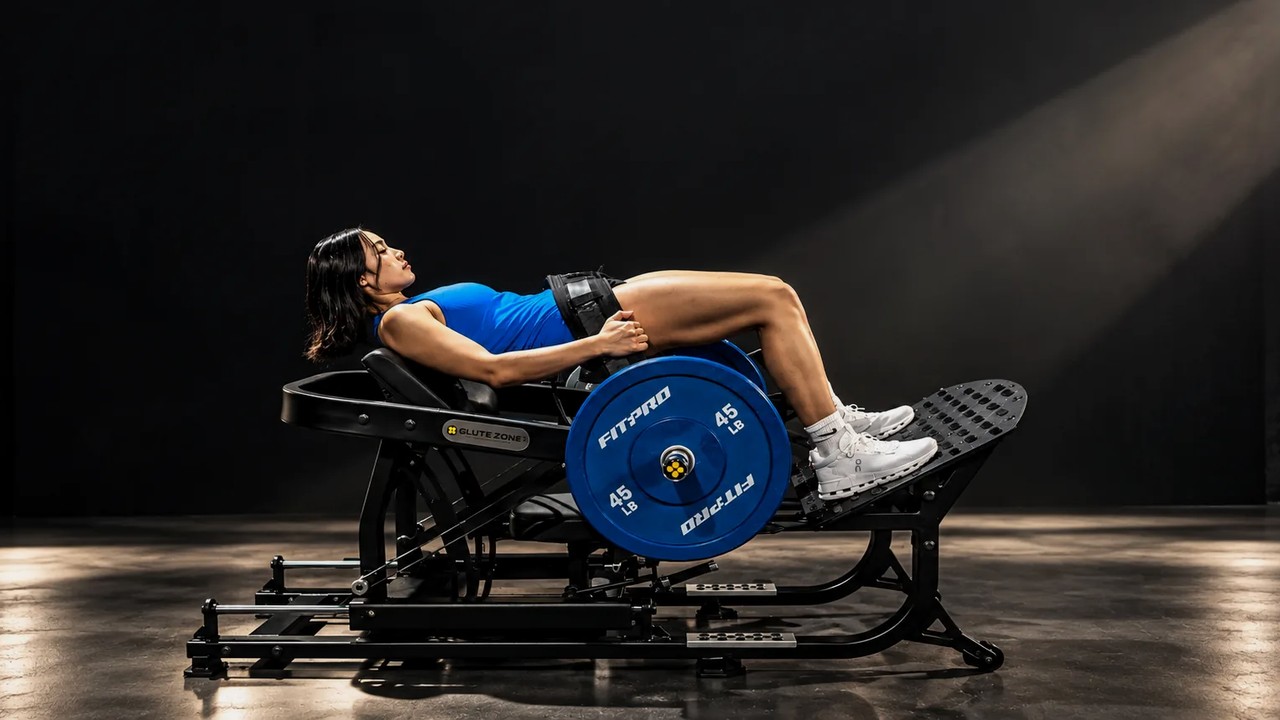
Tempo is how you divide a rep into parts. On a hip thrust, the eccentric is lowering your hips toward the floor. The concentric is driving up to full hip extension. Add a brief hold at lockout and a brief reset at the bottom. The research question is whether stretching the lowering phase from one second to three, four or five seconds changes long term growth.
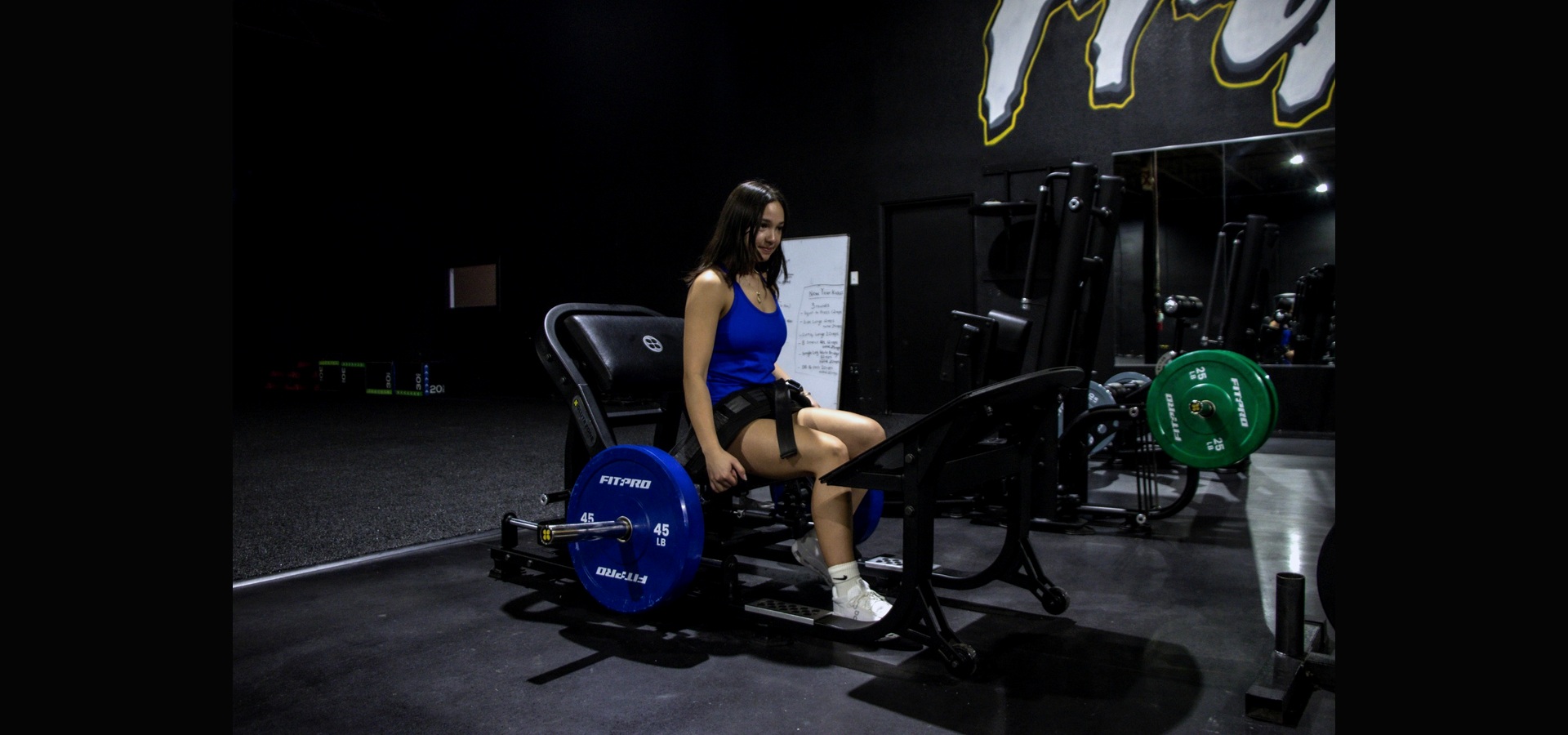
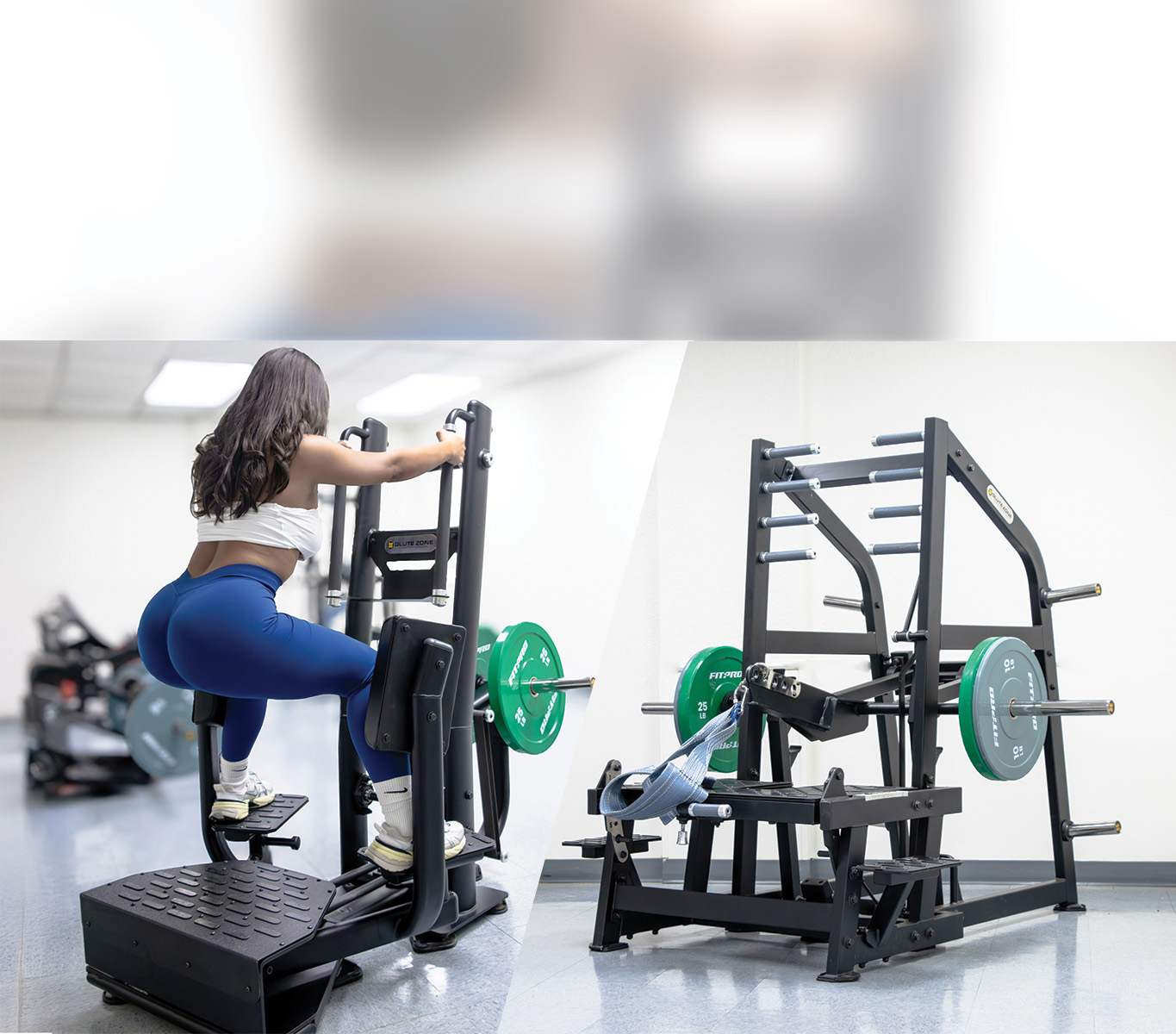
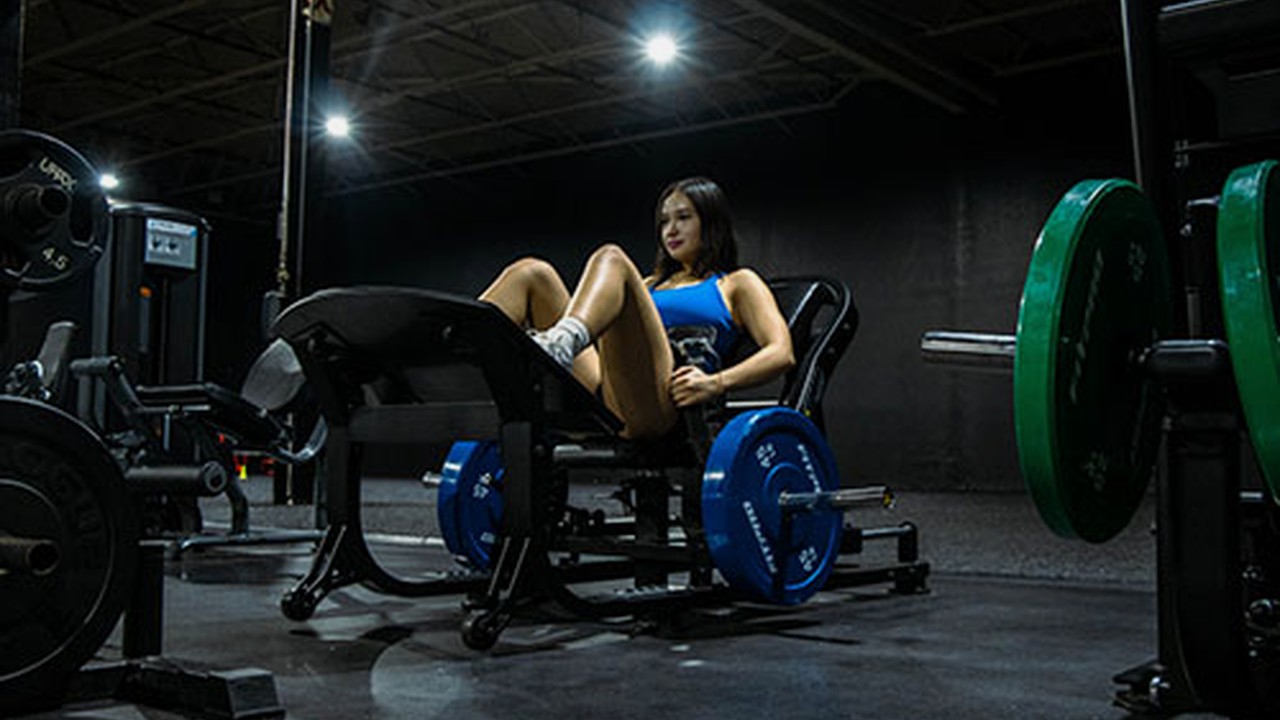
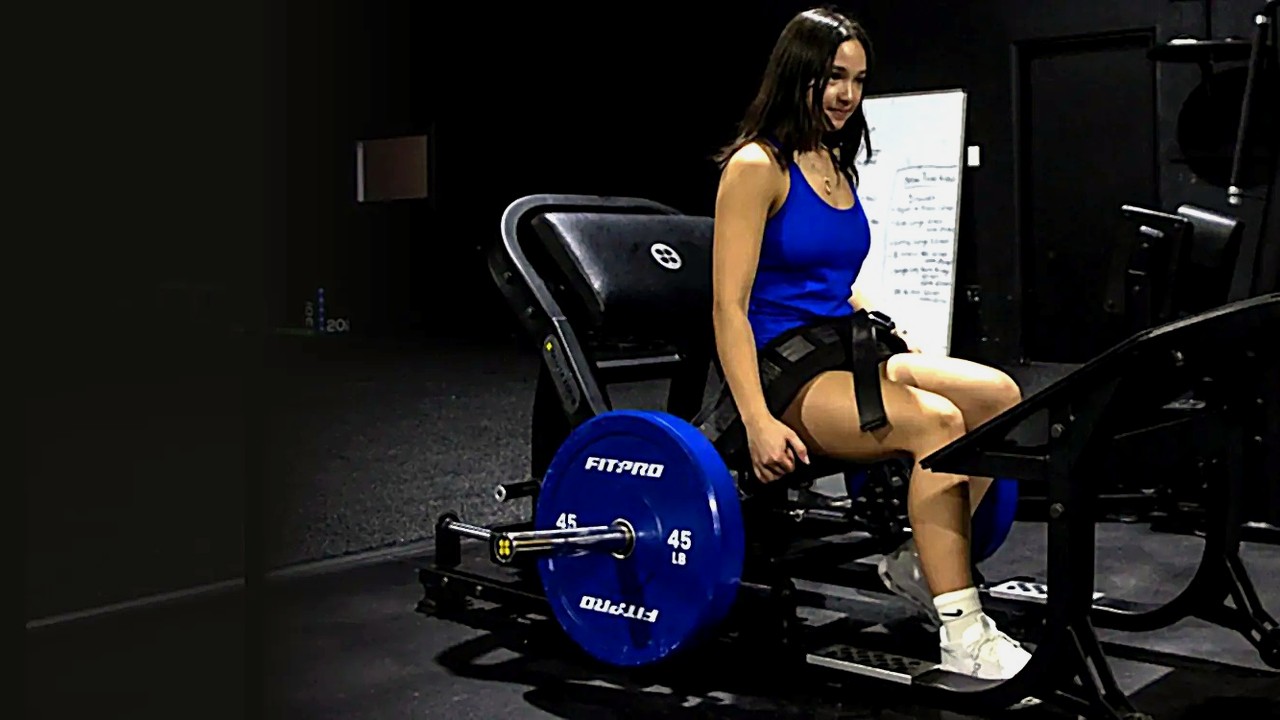
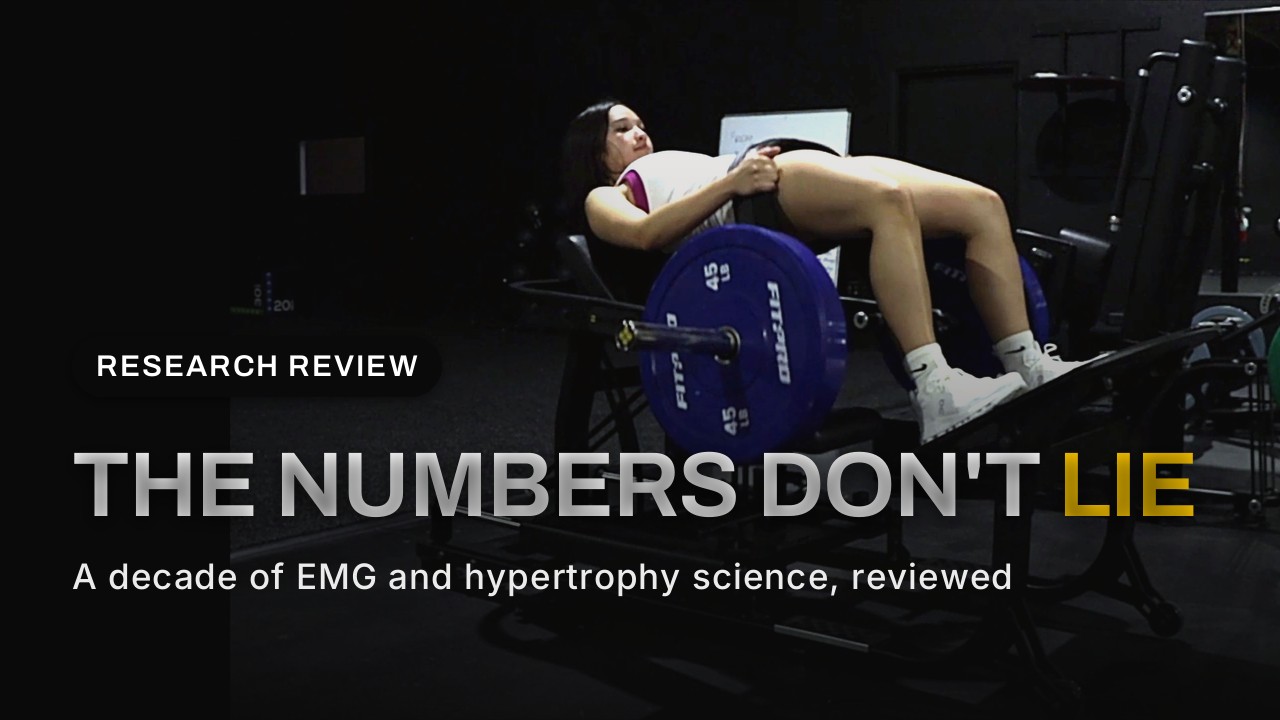
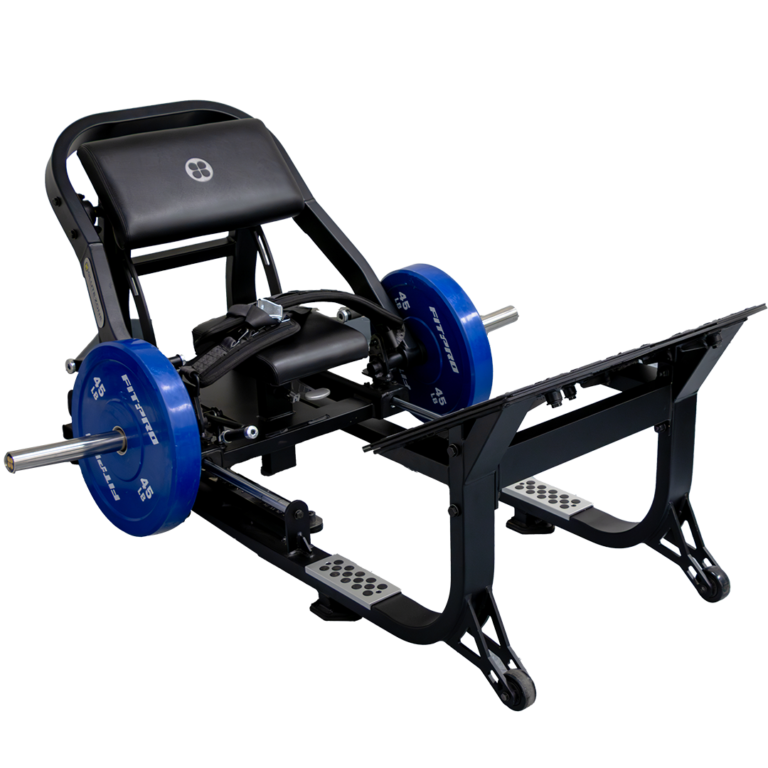
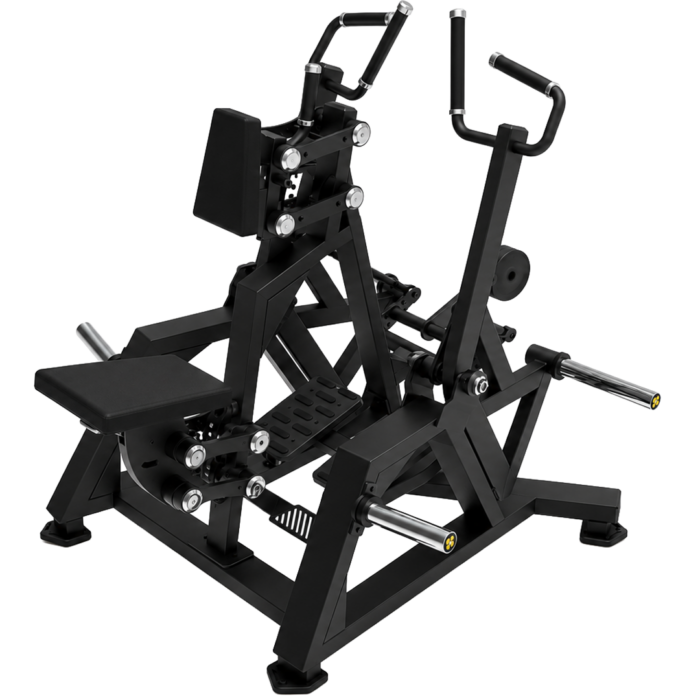
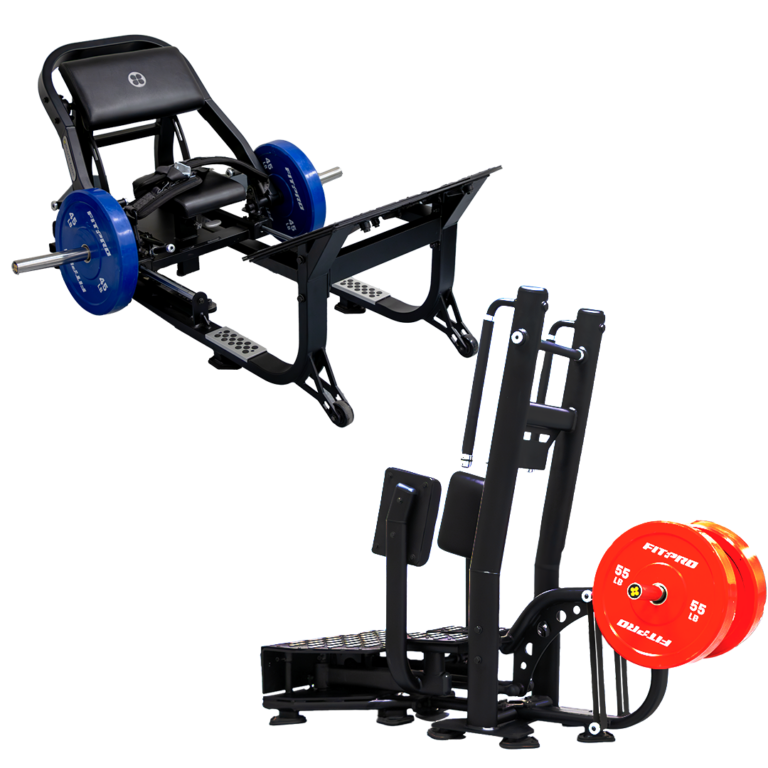
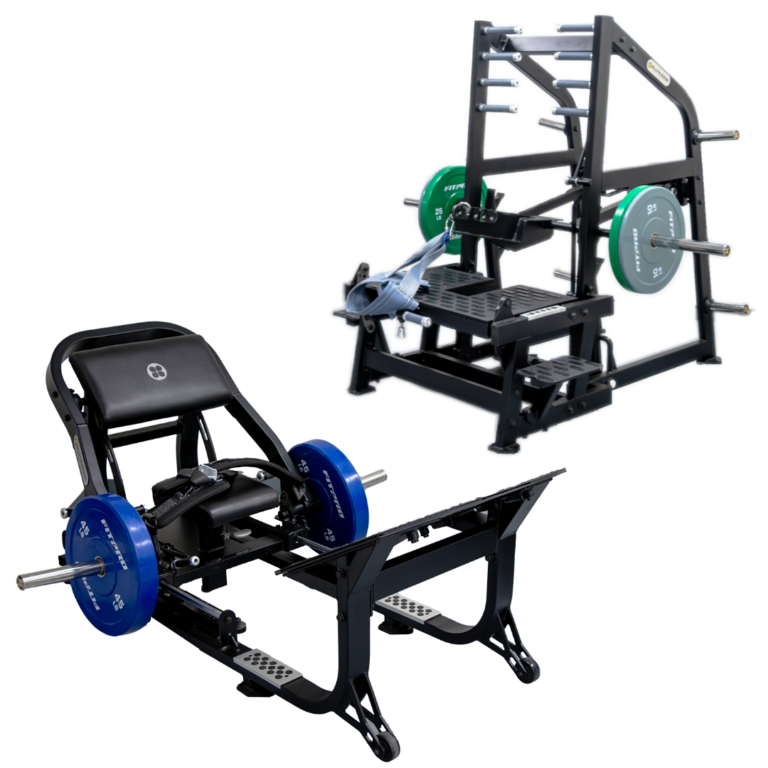
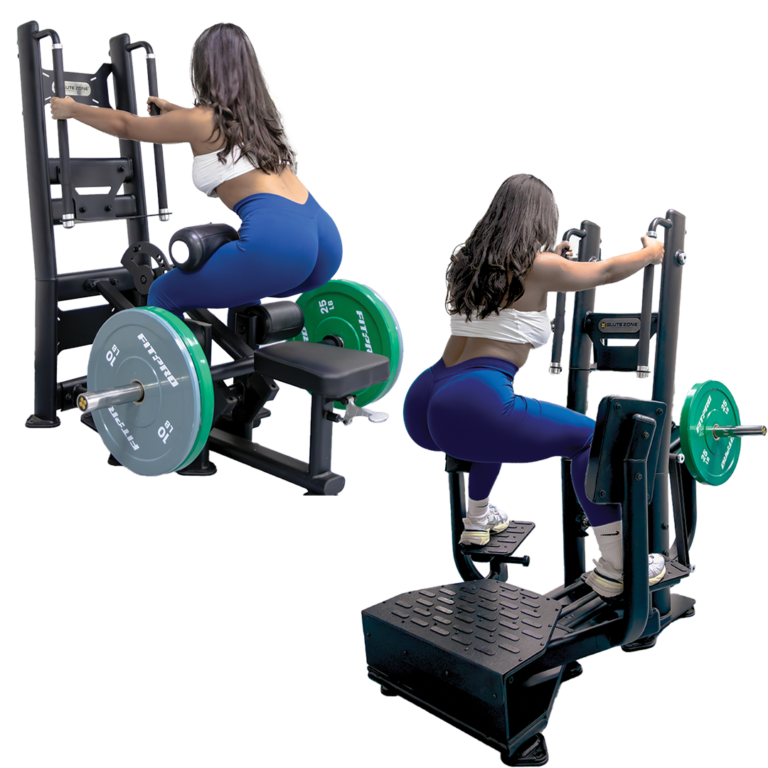
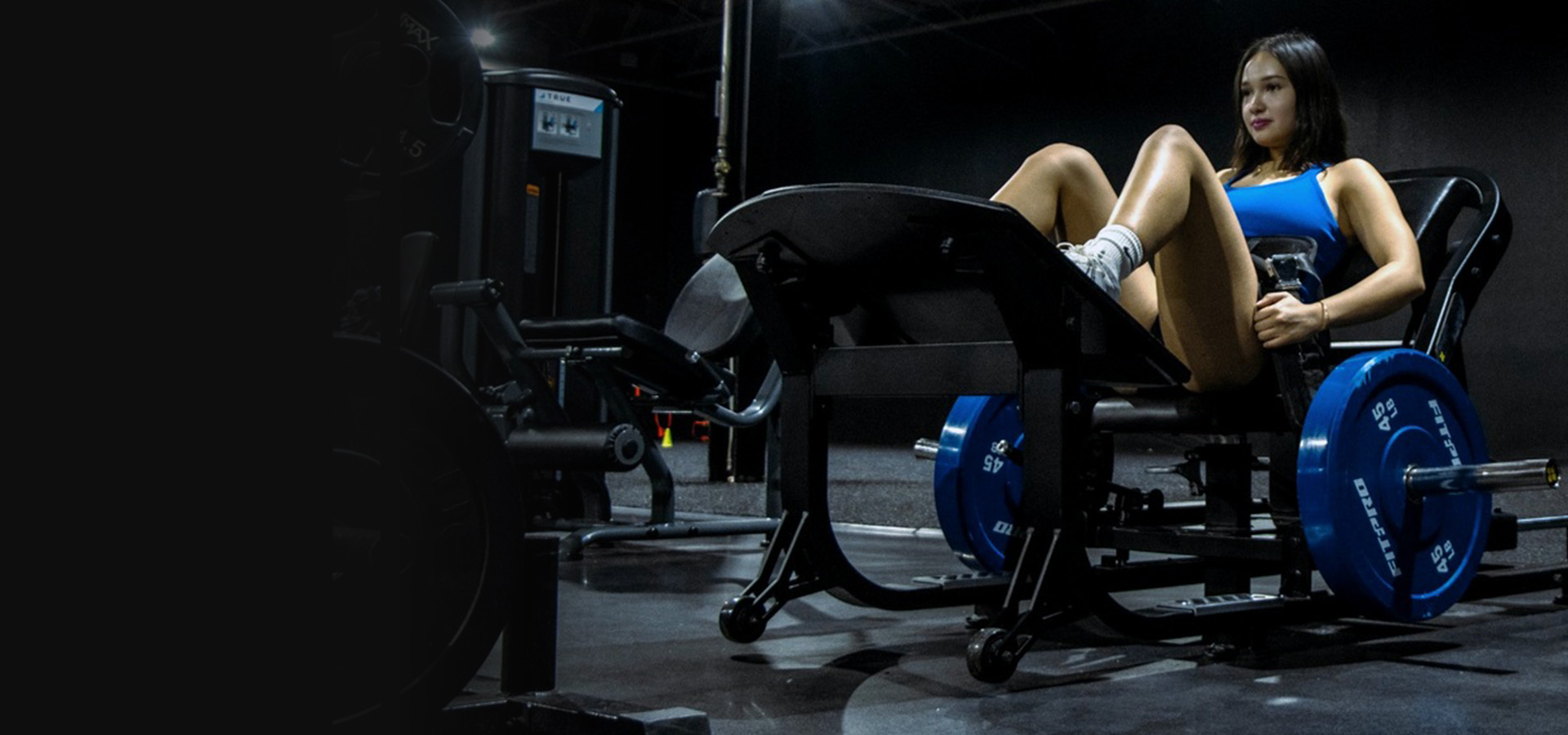
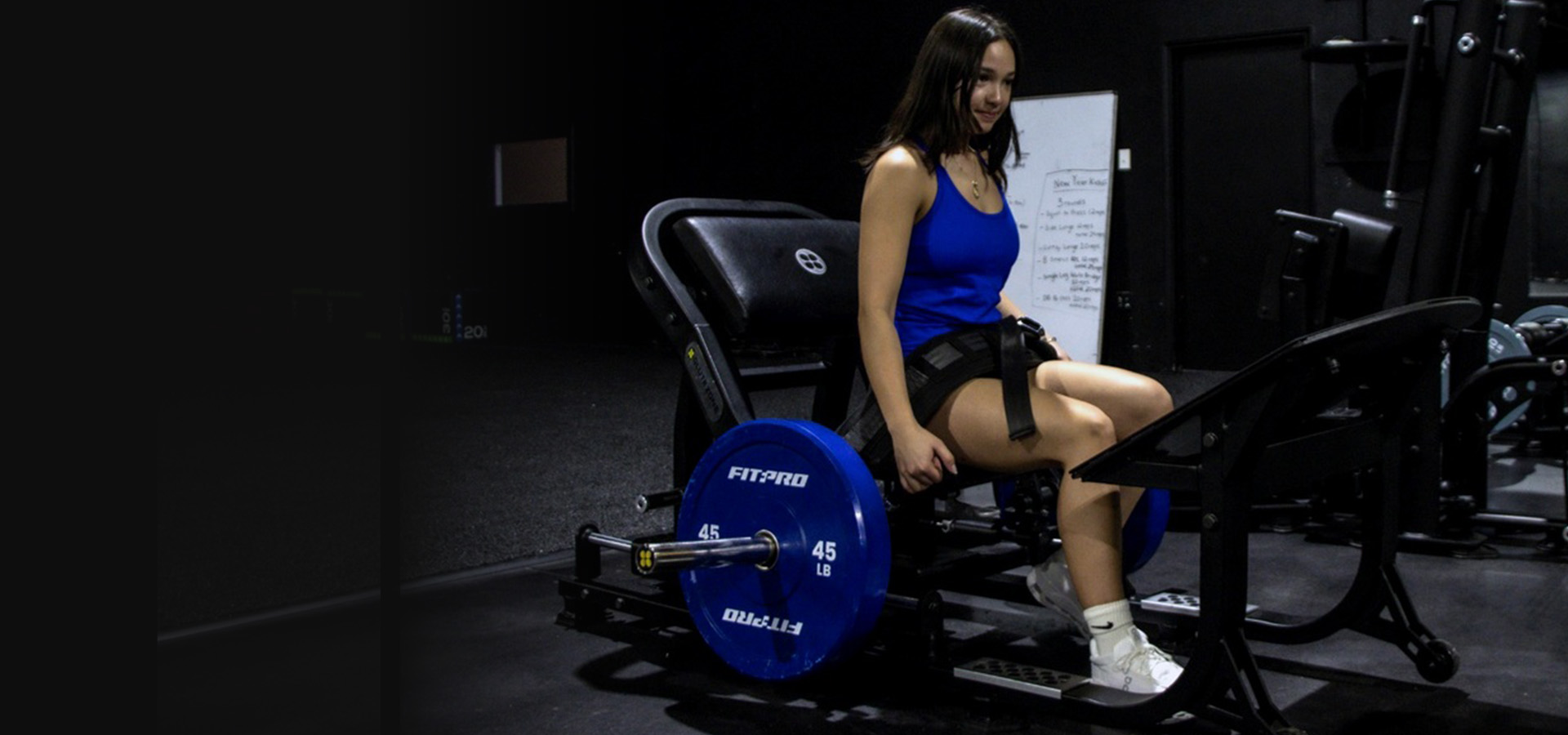
On a machine, that question is easier to test in real life. A plate loaded hip thrust machine gives every member the same guided path and lockout. The GluteZone Hip Thrust Machine, verified on its product page today at $2,239, uses a 16 point adjustable seat, plate horns that hold up to 550 lb and a 357 lb frame with anchor ports. When setup is repeatable, tempo is one of the few variables left, which is why it gets so much attention.
What the newest meta analysis found
In 2025, Enes and colleagues published a systematic review with meta analysis in the Journal of Strength and Conditioning Research titled How slow should you go? They included 14 studies comparing resistance training tempos while controlling other variables. Slower tempos averaged about 3.5 seconds per phase. Faster tempos averaged about 1 second.
Growth was similar in both groups. Within group effects were 0.43 for faster tempos and 0.34 for slower tempos. Compared directly, the pooled difference was 0.09, which the authors describe as trivial. Tempo is not useless, but inside the ranges most people use, a slower rep is not, by itself, a reliable way to grow more muscle.
An older review agrees. In 2015, Schoenfeld, Ogborn and Krieger reviewed eight studies and found similar hypertrophy with rep durations from 0.5 to 8 seconds. Very slow durations, longer than 10 seconds per rep, appeared inferior, although evidence there was limited. Super slow usually just makes a light weight feel hard while you do less total work.
The eccentric specific evidence
A second 2025 meta analysis looked only at the lowering phase. Amdi and King reviewed nine studies with 166 participants and compared shorter versus longer eccentric durations for strength, hypertrophy and jump height.
For hypertrophy, the estimate was 0.05, essentially no clear difference, rated as uncertain. Shorter eccentrics came out ahead for jump performance. For strength, in trained participants and in volume matched studies, longer eccentrics were similar to or slightly better, with subgroup effects of 0.33 and 0.25. A controlled negative may help an experienced lifter get a little stronger in the pattern they train. It has not been shown to reliably add extra size. Beginners do not need a stopwatch to grow.

Why slow negatives feel harder, and why that misleads people
A five second lowering phase burns. It removes momentum and makes a moderate load feel serious. That feeling is real, but feeling is not the same as growth stimulus.
Slow a rep down enough and something else gives: a lighter load, fewer reps, or fewer total sets. The meta analyses controlled for those tradeoffs. Real programs often do not. A slower tempo that quietly cuts load and volume in half can produce less growth, even if every rep felt harder.
The hip thrust literature makes the same point. In Contreras and colleagues, 2015, thirteen trained women performed estimated 10 rep maximum loads in the back squat and the barbell hip thrust. The hip thrust produced mean upper gluteus maximus activation of 69.5 percent versus 29.4 percent, and mean lower gluteus maximus activation of 86.8 percent versus 45.4 percent. That study was about exercise selection and loading full hip extension, not rep speed. Tempo cannot replace progressive load on a well chosen exercise.
A practical tempo for the hip thrust machine
Here is a simple standard that fits the evidence and works for commercial gyms and serious home gyms alike.
Lower for about two seconds, slow enough to stay in control and own the full range of motion. Pause briefly at the bottom without relaxing. Drive up fast and with intent, without bouncing, and hold the lockout for one to two seconds, squeezing the glutes at the top where the hip thrust loads them hardest.
Use that as your default, then change it on purpose. Use a three second lowering phase for a few weeks when a member keeps dropping into the bottom or losing position. Return to the standard when the problem is fixed. Tempo is a coaching tool first, a programming variable second.
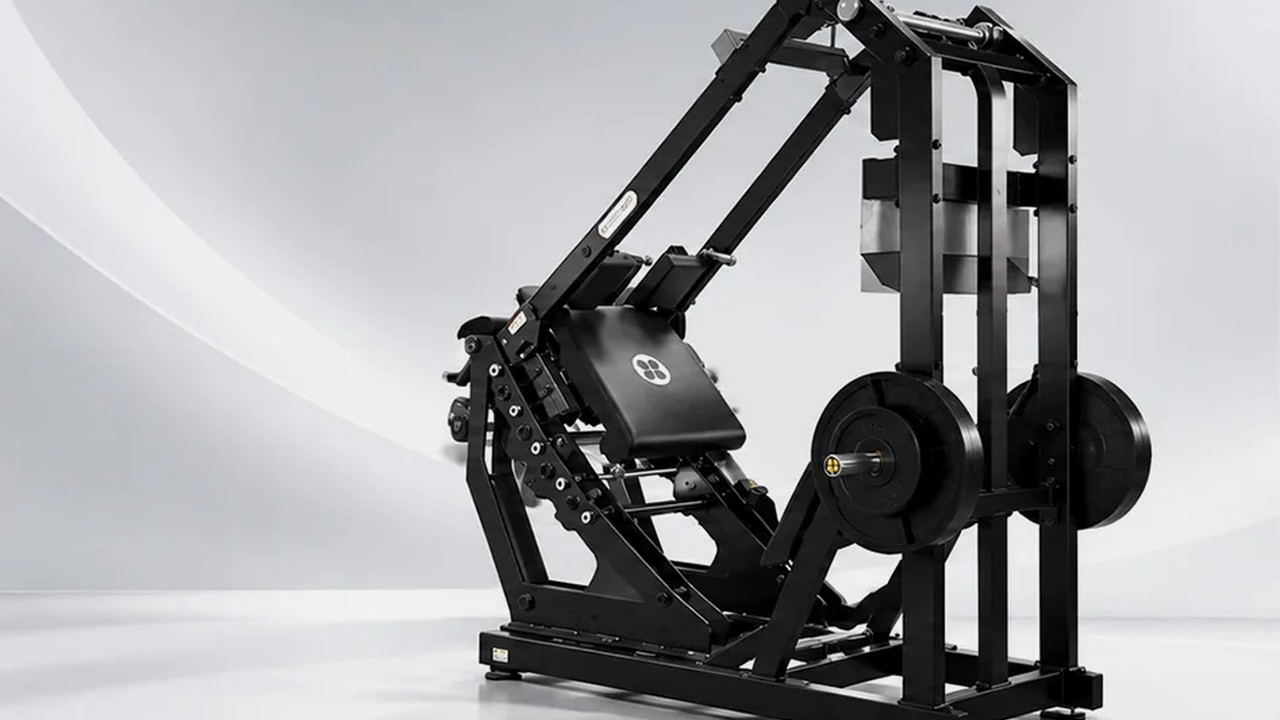
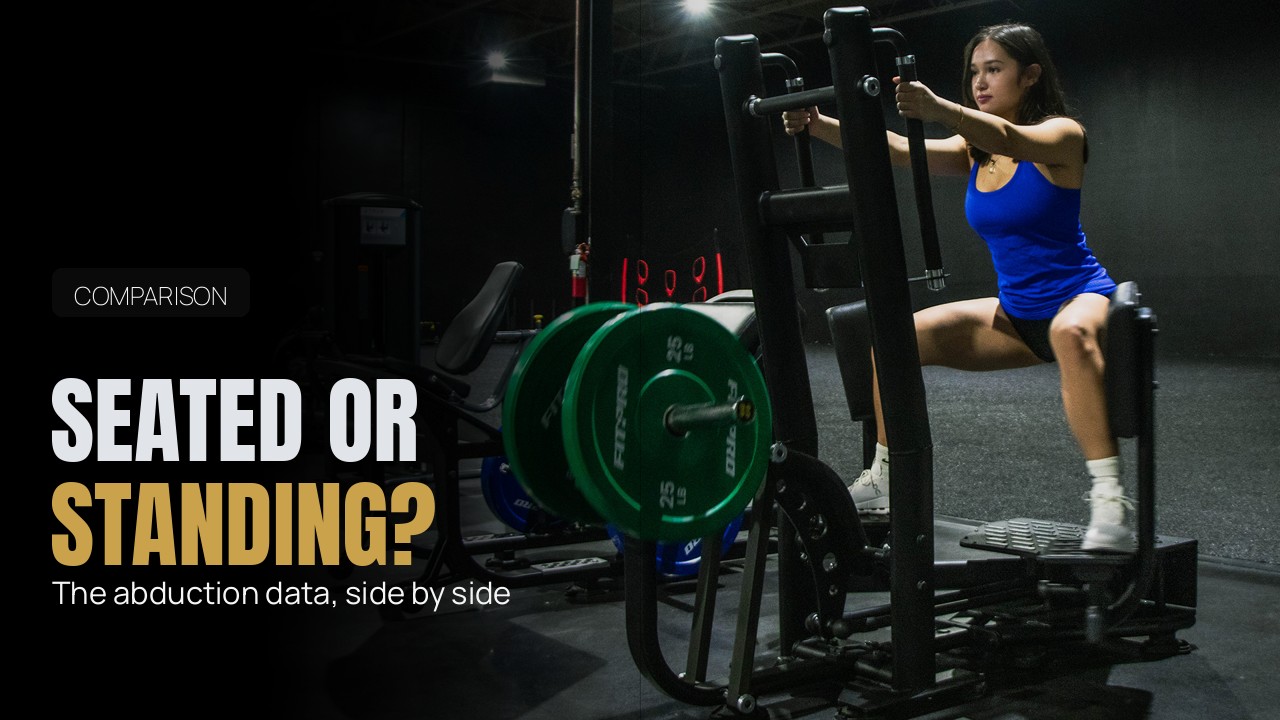
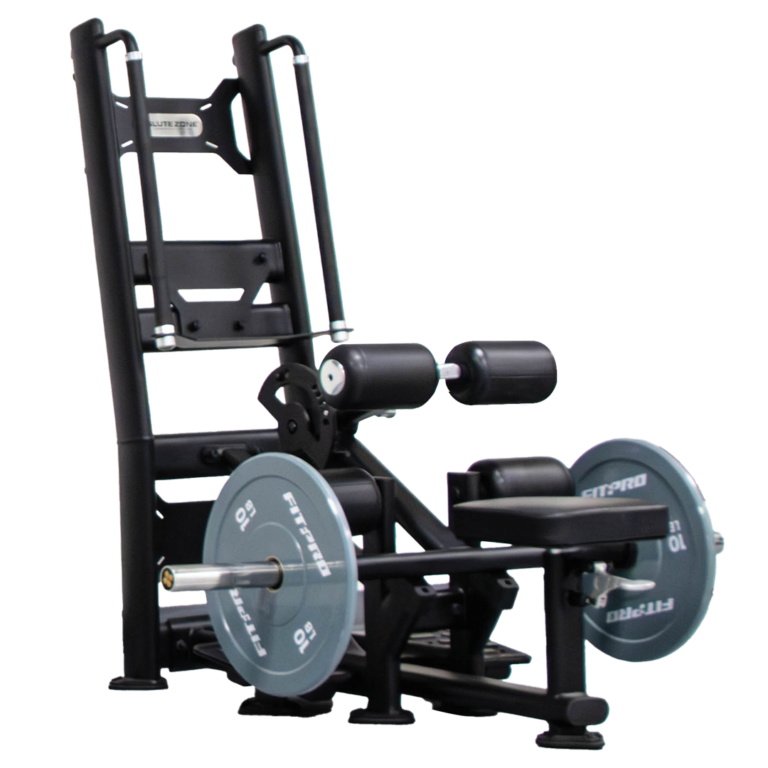
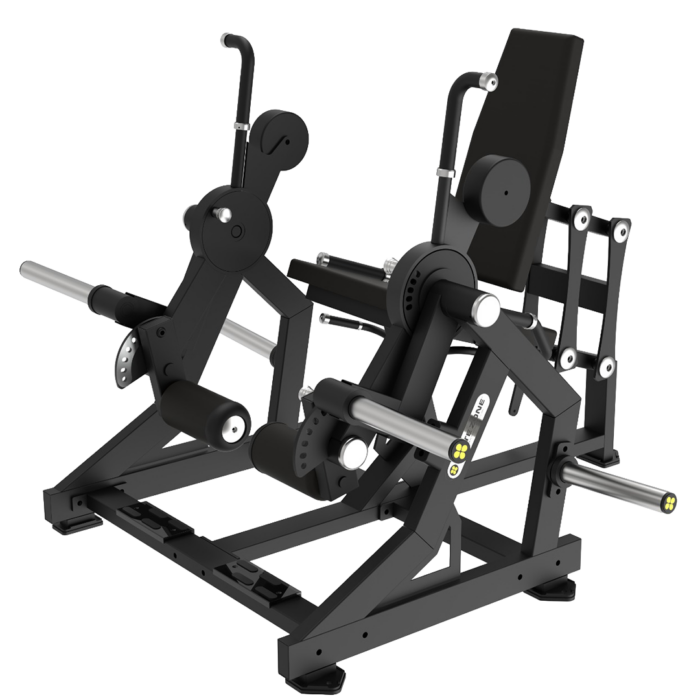
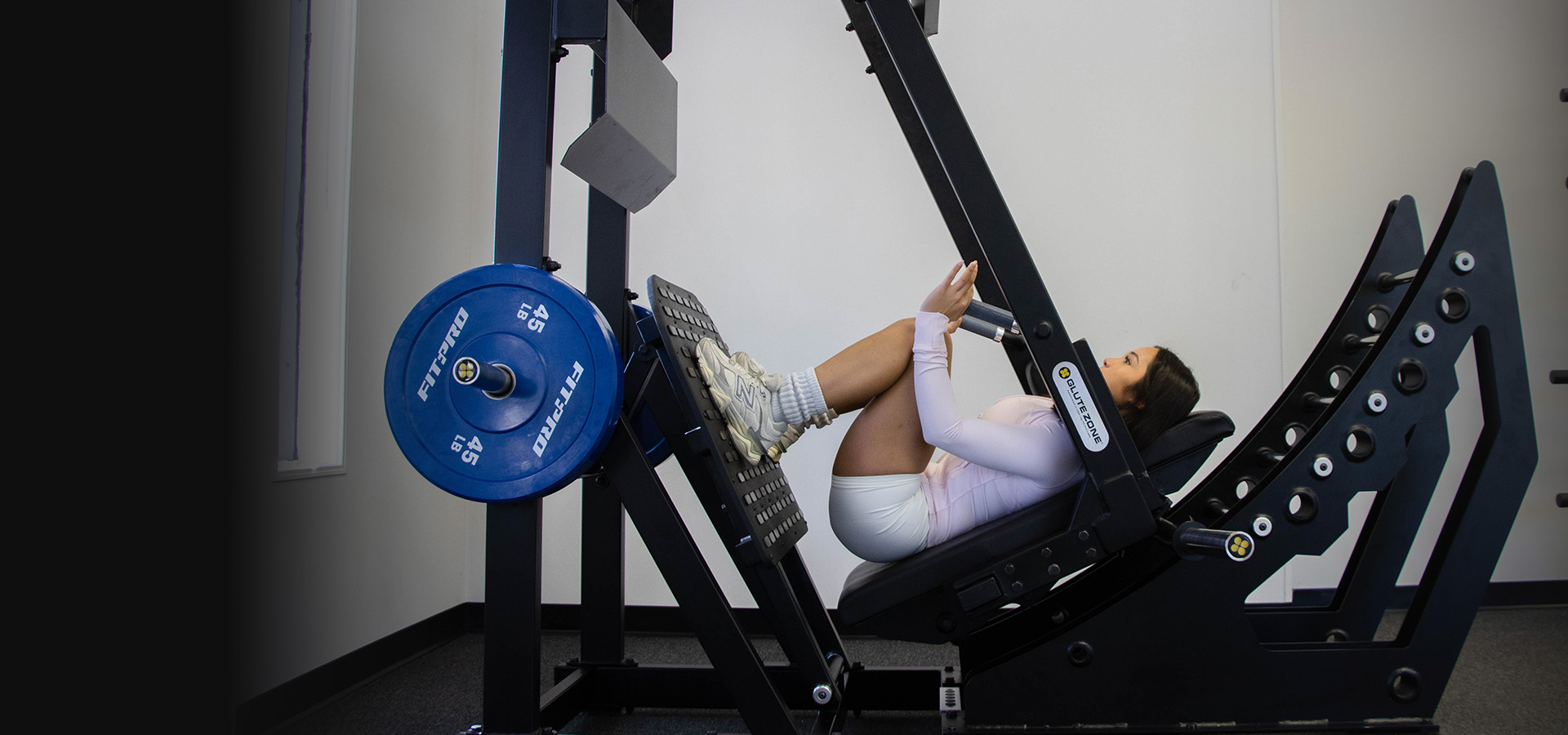
The same logic applies on the pendulum squat. The GluteZone Pendulum Squat, verified today at $3,999, uses a dual arm guided system, a multi position angle adjustable footplate and a wide backrest with lumbar support. Lower under control for about two seconds, keep repeatable depth and drive up with intent. Do not force a five second negative that cuts depth or load.

What this means for gym owners
For a gym owner, the value of this research is permission to simplify. You do not need five tempo prescriptions on the wall. You need clear standards every coach teaches the same way and every member can follow alone.
Post one default tempo in your glute zone: two seconds down, drive up, two second squeeze at the top. Program load and reps as the progression, not tempo gymnastics. Add a tempo block only as a short technique phase for new members, or a variation for experienced members who have stalled. Track what actually predicts results: attendance, progressive load and months of consistency.
Members do not quit because a tempo was wrong. They quit because setup is slow, the movement feels unstable or the area is crowded. A commercial grade, plate loaded machine with a repeatable seat position removes those frictions.
For home gym buyers, the message is the same. Pick a tempo you can repeat, load progressively and give the program eight to twelve weeks before you judge it.
Three tempo mistakes to avoid
First, going super slow on every set. Beyond about ten seconds per rep, the limited evidence points down, not up, and the load you can use drops sharply.
Second, slowing the negative and forgetting effort. The studies that found similar growth generally trained hard, often close to failure. An easy slow set is still an easy set.
Third, counting seconds instead of reps you can compare. If your tempo changes every session, your logbook stops meaning anything. Keep the tempo constant while you progress load or reps, so you know what actually improved.
Frequently asked questions
Does a slow negative build more glutes than a normal tempo?
Based on the 2025 meta analyses, no clear advantage has been shown when load, effort and volume are matched. Slower and faster tempos produced similar hypertrophy, with a pooled difference of 0.09 in the Enes review.
What is the best tempo for hip thrusts?
A practical default is about two seconds lowering, a brief pause at the bottom, a fast drive up and a one to two second hold at lockout. It keeps control without cutting load or volume.
Should beginners use slow eccentrics?
Beginners can benefit from a controlled lowering phase because it teaches position. They do not need extreme tempos. Two to three seconds down is enough to learn the movement.
Does tempo matter on the pendulum squat?
The same principle applies. Control the lowering phase, keep repeatable depth and drive up with intent. Do not sacrifice depth or load just to hit a longer count.
Can I use tempo instead of adding weight?
Only for a short block. Long term growth still needs progressive overload. When a tempo variation becomes easy at the same load and reps, it is time to load the movement again.
Build the glute area members actually progress in
Tempo is a detail. Good equipment, clear coaching and progressive loading are the program. If you are building or upgrading a glute zone for your gym, or setting up a serious home gym, look at the commercial grade Hip Thrust Machine and the Pendulum Squat from GluteZone, then talk to our team about layout and pricing for your space. Financing is available through Affirm, so you can spread the cost while members start training. Get a quote through our contact page and we will help you choose the right setup.
See the Hip Thrust MachineGet a QuoteSources
Enes, A. et al. How slow should you go? Journal of Strength and Conditioning Research, 2025. 14 studies, pooled difference 0.09.
Schoenfeld, B. J., Ogborn, D. I. and Krieger, J. W. Effect of repetition duration during resistance training on muscle hypertrophy. Sports Medicine, 2015. Eight studies, similar hypertrophy from 0.5 to 8 seconds per rep.
Amdi, C. H. and King, A. The effect of eccentric phase duration on maximal strength, muscle hypertrophy and countermovement jump height. Journal of Sports Sciences, 2025. Nine studies, 166 participants, hypertrophy effect 0.05.
Contreras, B. et al. A comparison of gluteus maximus, biceps femoris, and vastus lateralis electromyographic activity in the back squat and barbell hip thrust exercises. Journal of Applied Biomechanics, 2015. Thirteen trained women, upper gluteus maximus 69.5 versus 29.4 percent, lower 86.8 versus 45.4 percent.
GluteZone. Hip Thrust Machine product page, glutezone.com, verified October 26, 2026. Price $2,239, 550 lb plate horns, 357 lb frame, 16 point adjustable seat, anchor ports.
GluteZone. Pendulum Squat product page, glutezone.com, verified October 26, 2026. Price $3,999, dual arm guided system, multi position angle adjustable footplate, wide backrest with lumbar support.