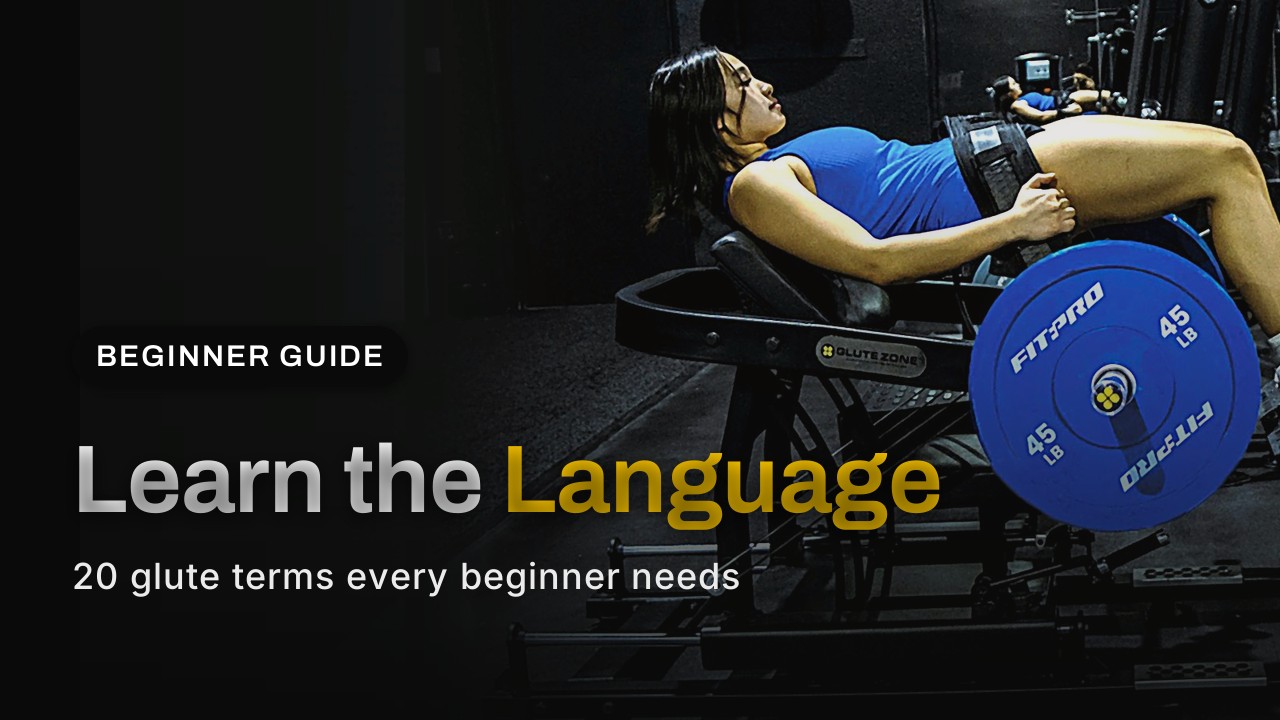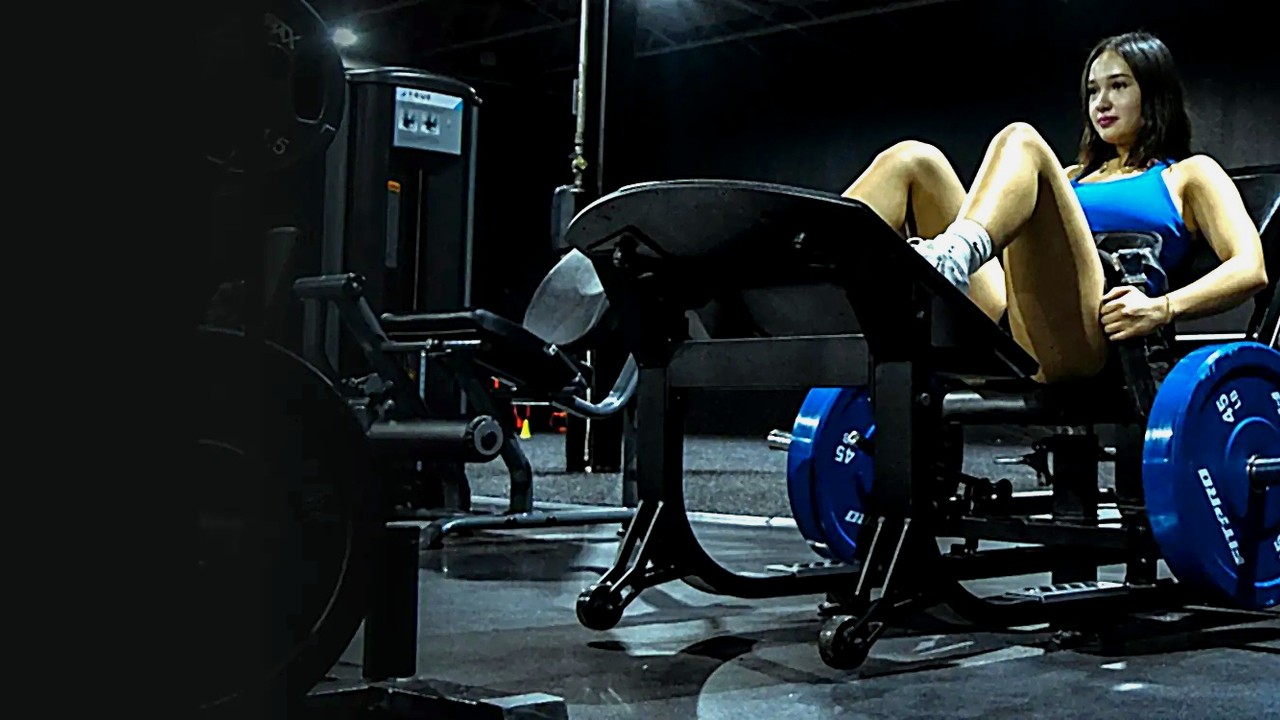







The first time most people sit on a hip thrust machine, they ask the same three questions. How do I set this up? How much weight should I start with? And how do I know if I am doing it right? Those are the right questions, because the hip thrust rewards good setup more than heavy loading. Get the seat, the belt and your feet right, and the machine does something a barbell cannot do for a beginner: it guides the movement, keeps the load stable, and lets you focus on feeling your glutes work instead of balancing a bar on your hips.
This guide serves two readers. If you are new to glute training, it gives you a safe first month on the machine, with honest expectations backed by research. If you own a gym, it gives you a coaching framework you can teach any new member in one session, so your hip thrust station becomes a confidence builder instead of an intimidating corner of the floor. Home gym buyers can use the same setup logic, because the movement does not change when the machine lives in a garage.
69.5%
Mean upper gluteus maximus EMG in the hip thrust, vs 29.4% in the back squat (Contreras 2015)
86.8%
Mean lower gluteus maximus EMG in the hip thrust, vs 45.4% in the squat
2x per week
Frequency linked to greater hypertrophy than 1x in Schoenfeld 2016
1.6 g/kg
Daily protein where added gains plateaued in Morton 2018, 49 studies
Why a Machine Is the Easiest Way to Learn the Hip Thrust
The pattern itself is simple: extend your hips under load and finish with a strong glute contraction. The barbell version adds three problems for a beginner. You have to roll a loaded bar over your legs, balance it on your hip crease, and keep a bench from sliding behind you. None of that teaches your glutes anything. It just adds friction before the first rep.
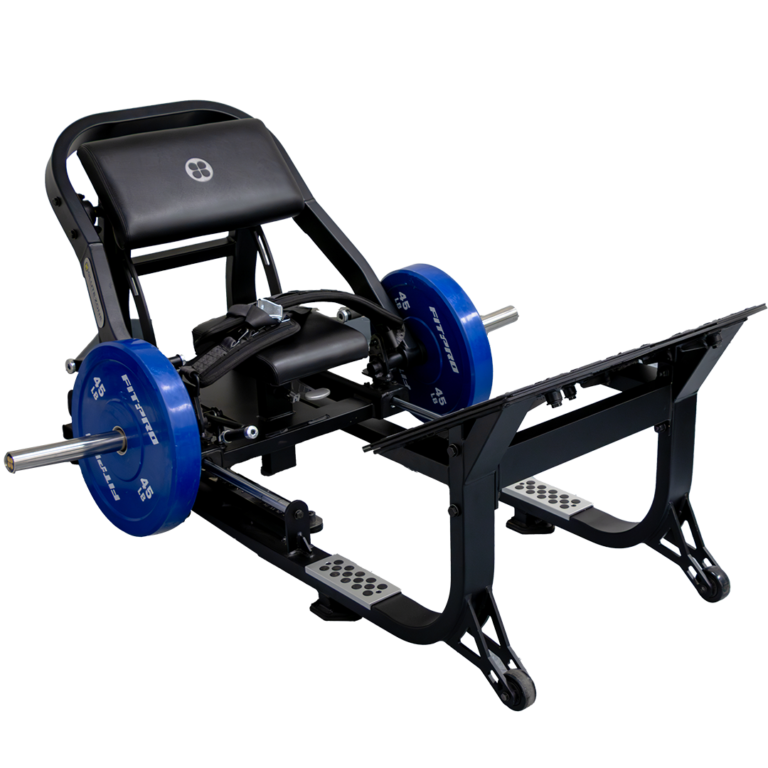
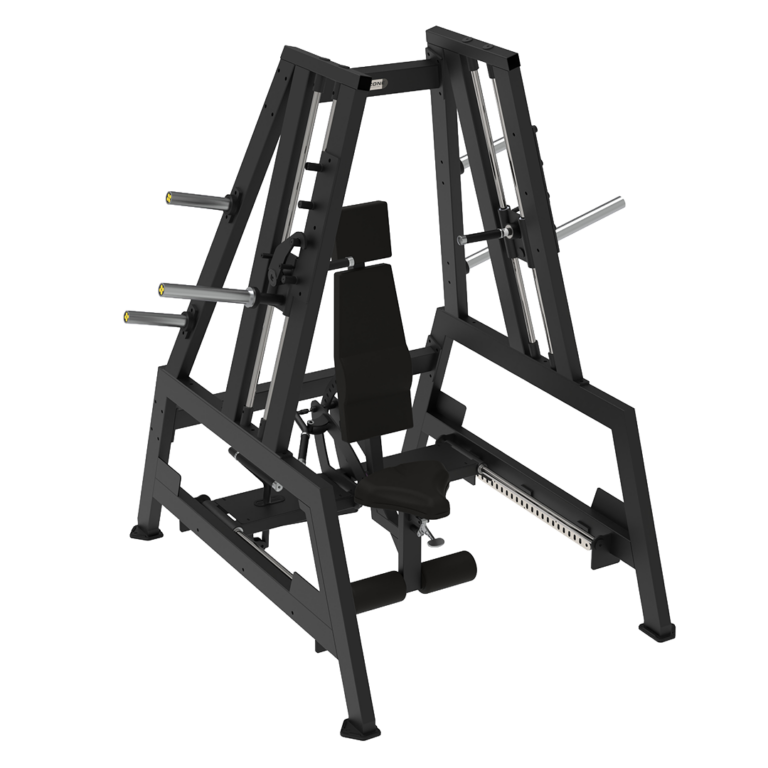
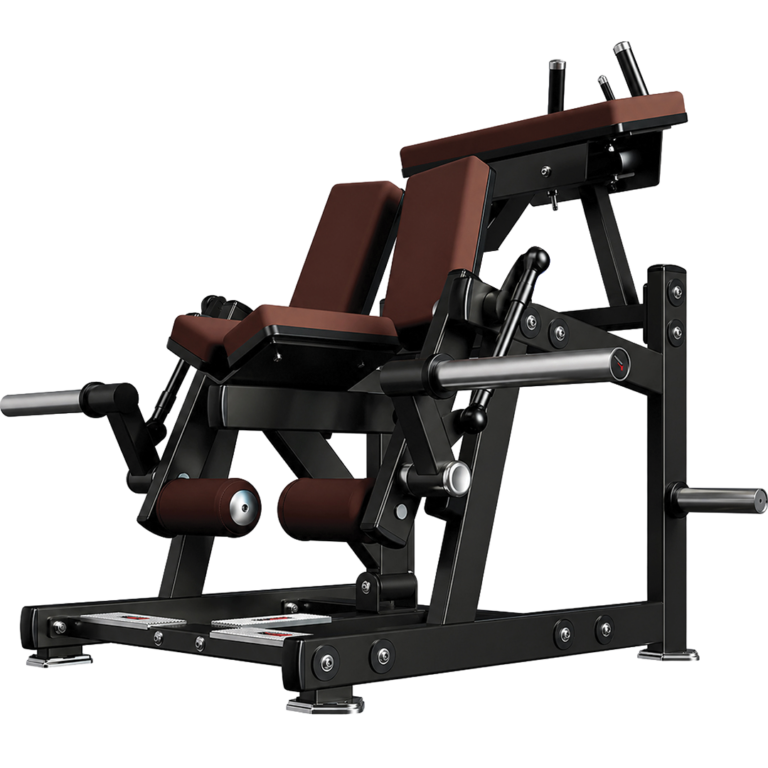
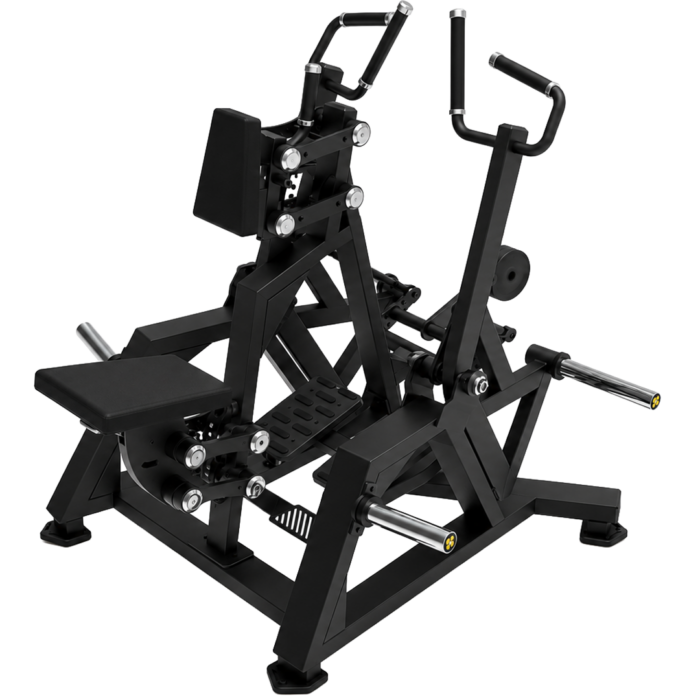
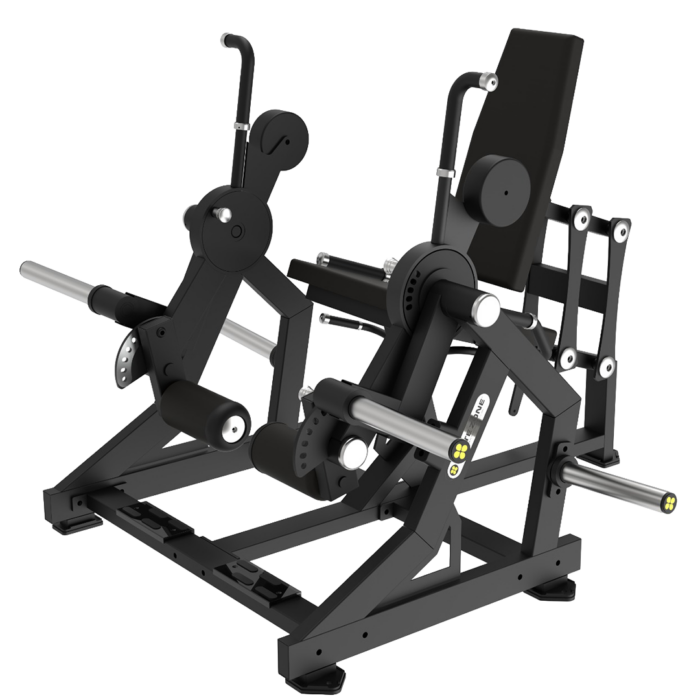
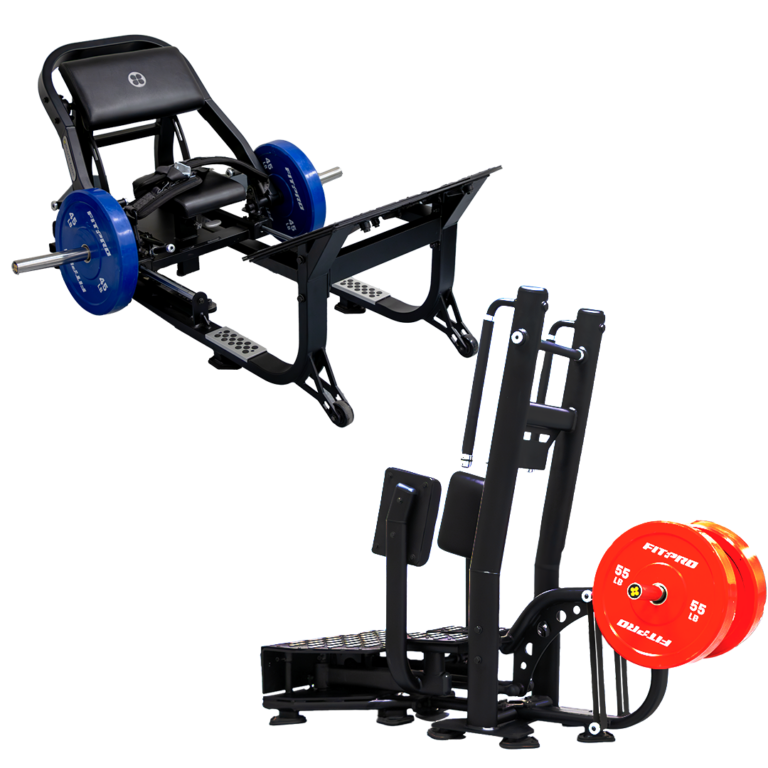
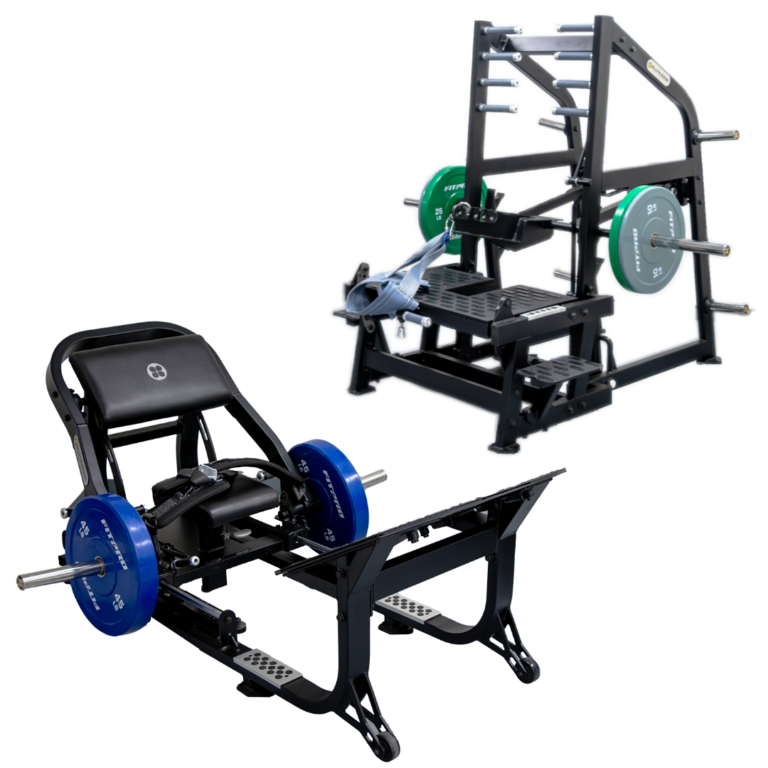
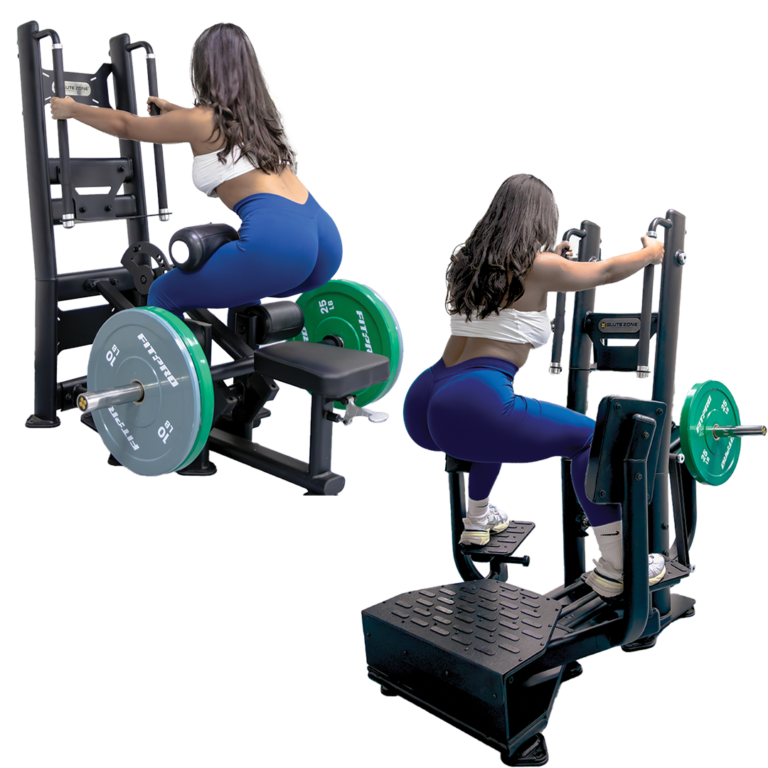
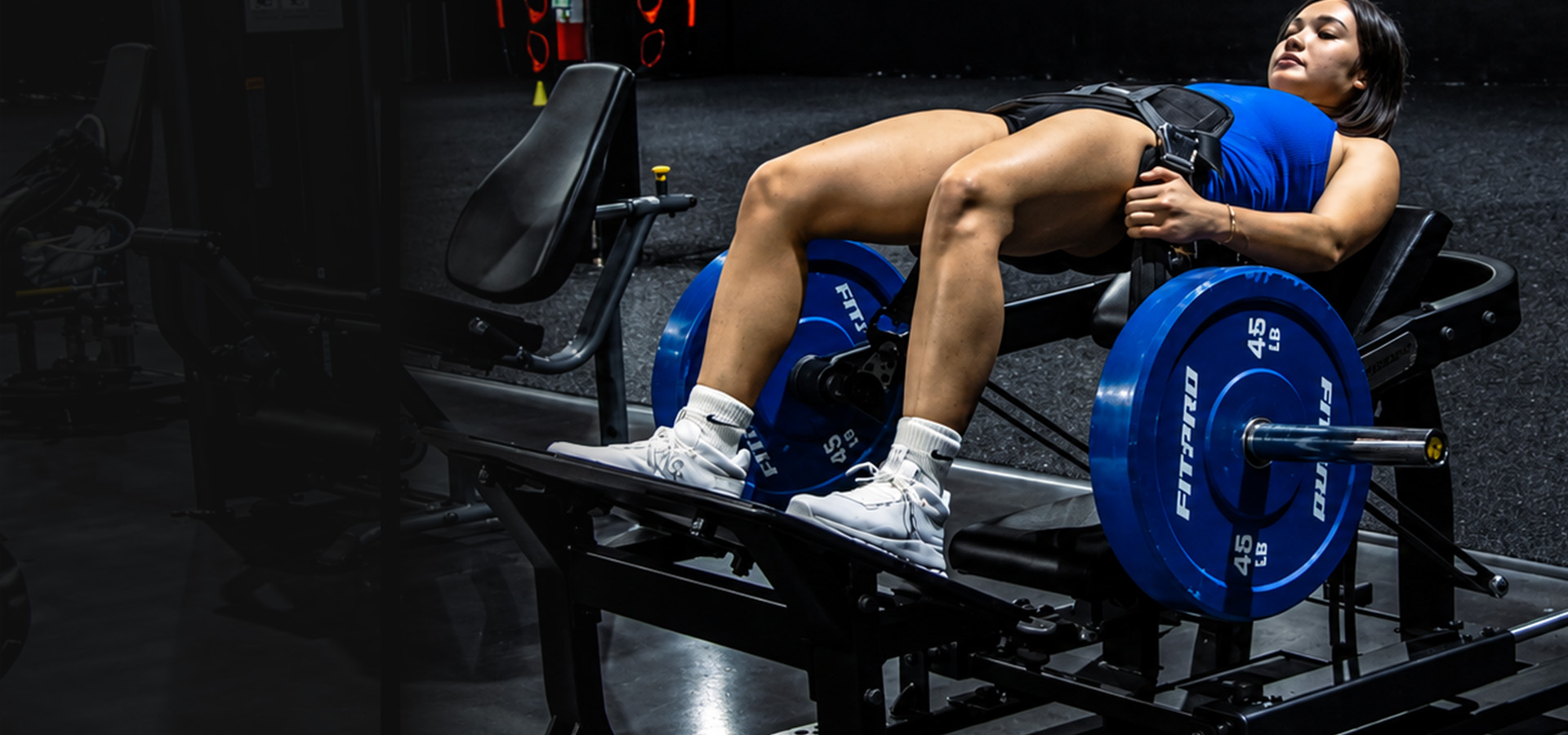
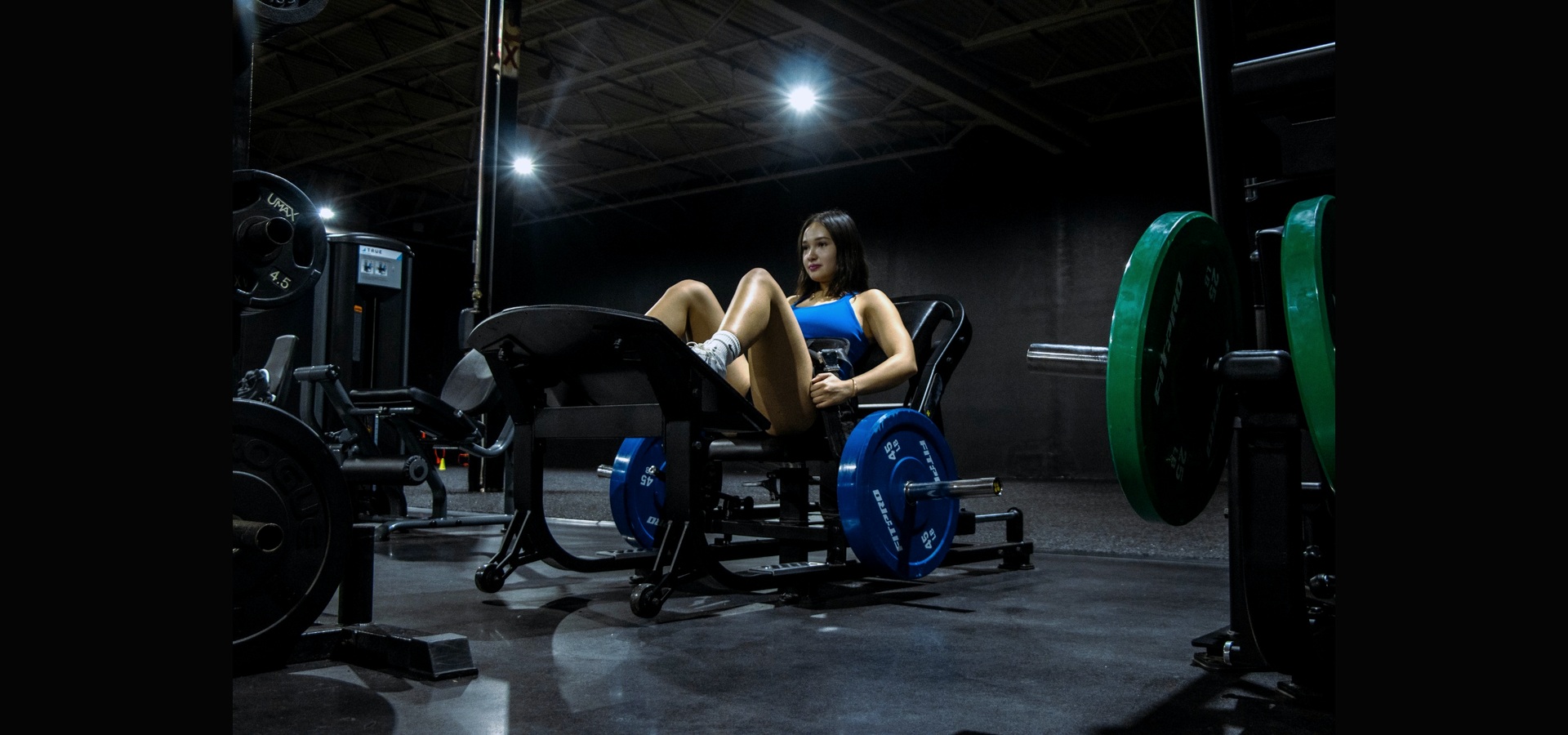
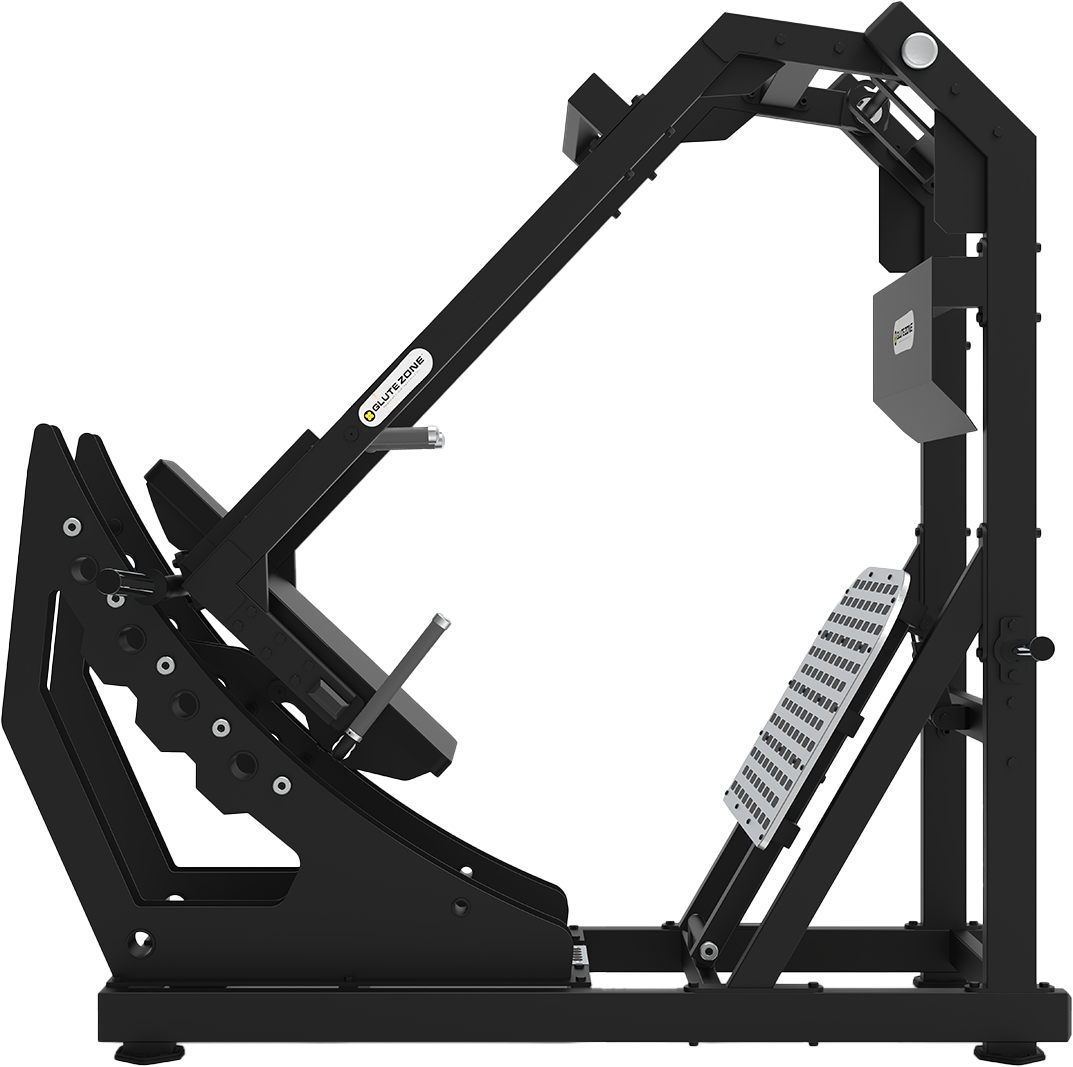
A dedicated machine removes that friction. The back pad is fixed, the load sits on plate horns instead of your hip bones, and a padded belt distributes the pressure. On the GluteZone Hip Thrust Machine, verified on its official product page today, a 16 point forward and backward adjustable seat matches the machine to your leg length and hip mechanics, the plate horns hold up to 550 lb, and the 357 lb frame with anchor hole ports stays planted while you learn. Beginners start far below that capacity. The point of a commercial grade frame is not the maximum load. It is that the machine feels identical on rep one and rep one hundred, so the only variable you manage is your own technique.
There is also a research reason to take the pattern seriously. In a widely cited 2015 study, Contreras and colleagues measured muscle activity in 13 trained women at estimated 10 rep maximum loads. The barbell hip thrust produced mean upper gluteus maximus activity of 69.5 percent, compared with 29.4 percent for the back squat, and mean lower gluteus maximus activity of 86.8 percent, compared with 45.4 percent. Those are activation numbers, not growth guarantees, and we will be honest about that distinction below. But they explain why coaches reach for this movement when the goal is to teach someone where their glutes are and how to use them.
Before Your First Rep: The Setup Checklist
Setup is not a warm up detail. On a hip thrust machine, setup is the exercise. Walk through these five checks before you add a single plate.
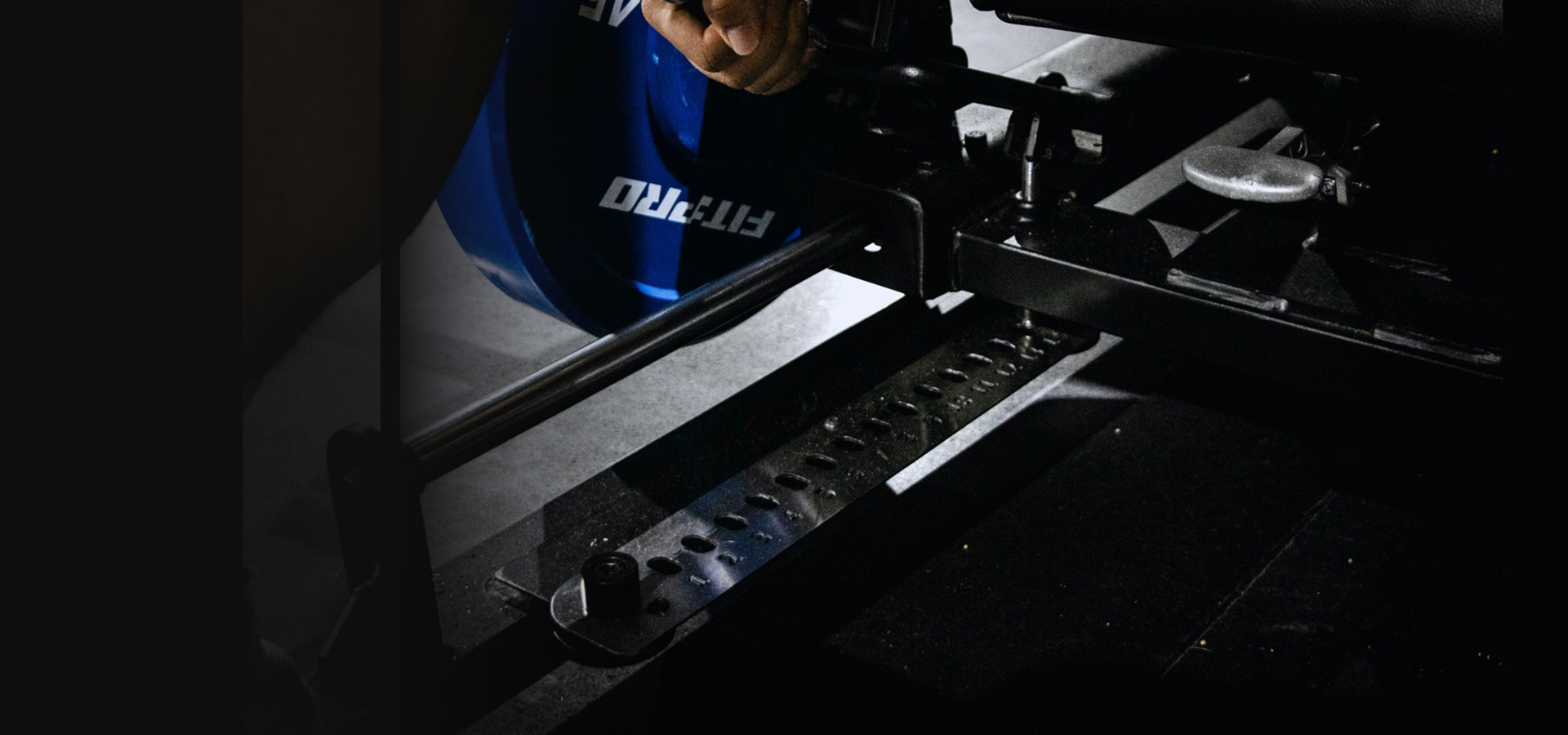
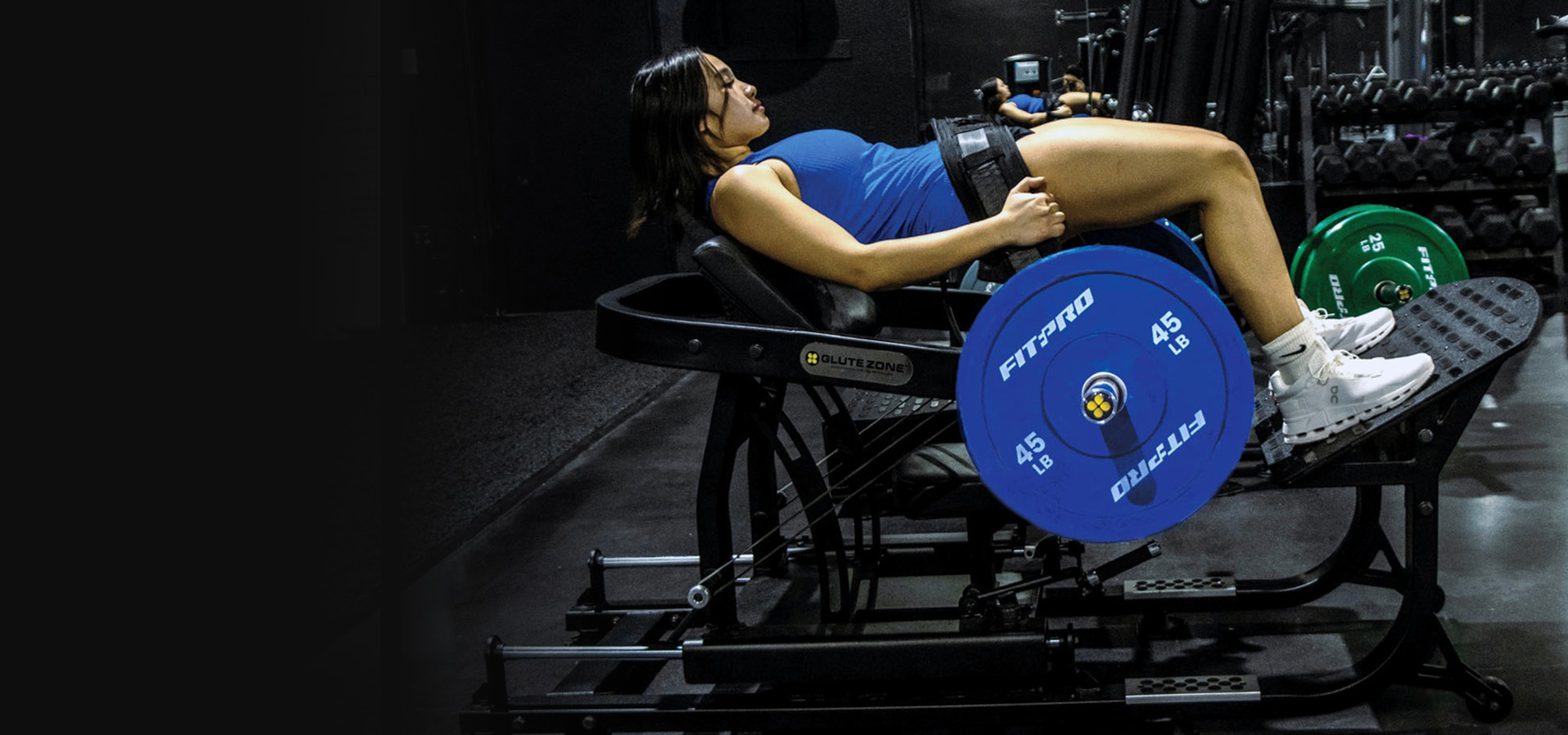
First, set the seat. Adjust it forward or backward until, with your feet flat on the platform, your knees sit at roughly a 90 degree angle at the top of the movement. The GluteZone product page describes this same checkpoint: feet flat, roughly shoulder width apart, knees near 90 degrees at the top for glute engagement and lower back safety. If your knees pass far beyond 90 degrees at lockout, you are sitting too far back.
Second, position the belt. It should sit just below your hip bones, in the crease of your hips, snug enough that it does not shift as you thrust. A belt that rides up onto your stomach will distract you on every rep.
Third, set your feet. Start shoulder width, toes forward or turned out slightly, full foot in contact with the platform. Feet farther away tends to bring in more hamstring. Feet closer tends to bring in more quadriceps. The position where your glutes finish the movement is your position.
Fourth, learn the lockout shape before loading. Chin tucked, ribs down, eyes forward. At the top, your body forms a straight line from shoulders to knees, with your pelvis tilted slightly posteriorly as you squeeze. If your lower back arches hard at the top, you have gone past lockout and handed the work to your spine.
Fifth, rehearse with no load or the lightest load the machine allows: two sets of 8 to 10 slow reps, pausing one second at the top. If you cannot feel your glutes in those sets, more weight will not fix it. Adjust the seat and feet first.
Your First Session, Step by Step
Warm up with five minutes of easy cycling or walking, then the two light rehearsal sets above. For work sets, choose a load that lets you finish 3 sets of 8 to 12 reps with clean form, where the last two reps feel challenging but your technique looks the same as rep one. Rest two to three minutes between sets. Finish every rep with a full, controlled lockout and a brief pause, then lower slowly until you feel a stretch in your glutes before the next rep.
That full range of motion instruction is not just coaching taste. A 2021 systematic review and meta analysis by Pallares and colleagues, covering 16 studies, found full range of motion training produced greater lower limb hypertrophy than partial range training, with an effect size of 0.88, and greater strength gains, with an effect size of 0.56. Half reps with more weight are a worse trade for a beginner than full reps with less weight.
Write your session down: load, sets, reps, and one line on how the lockout felt. Next week you will try to beat it by the smallest possible amount, one or two more reps per set, or a small plate added once you reach the top of your rep range on every set with clean pauses. Small, repeatable jumps are how beginners become strong without getting hurt.
Your First Four Weeks: A Simple Progression
Week one is for learning. Two sessions, light loads, 3 sets of 10 to 12, pauses at the top, and zero ego. Your only goal is a repeatable setup you could teach someone else.
Week two, keep the same load and add reps, aiming for one or two extra reps per set across the week. If your lockout starts to turn into a back arch, the problem is fatigue, not load. End the set there.
Week three, add the smallest load increase your plates allow, and drop back to 8 to 10 reps per set. This is progressive overload in its simplest form, and it works because the earlier weeks built the technique to support it.
Week four, repeat week three and try to match or beat its reps at the new load. After four weeks you have a baseline: your seat setting, your foot position, and a working load you can build on for months.
Across all four weeks, train the movement twice a week with at least 48 hours between sessions. That rhythm matches both the GluteZone product guidance of 2 to 3 sessions per week with rest between, and the broader evidence: the 2016 meta analysis by Schoenfeld, Ogborn and Krieger found training a muscle group twice per week produced greater hypertrophy than once per week. For most beginners, twice is plenty.
What Results Should a Beginner Honestly Expect?
Here is the part most guides skip. High activation does not automatically mean faster growth. In 2023, Plotkin and colleagues ran a nine week trial with 34 untrained participants, 18 training hip thrusts and 16 training back squats, with matched set volumes. MRI scans showed similar glute hypertrophy in both groups, even though hip thrust EMG was higher in the first session. Squats produced more quadriceps and adductor growth, and strength gains favored whichever exercise each group practiced.
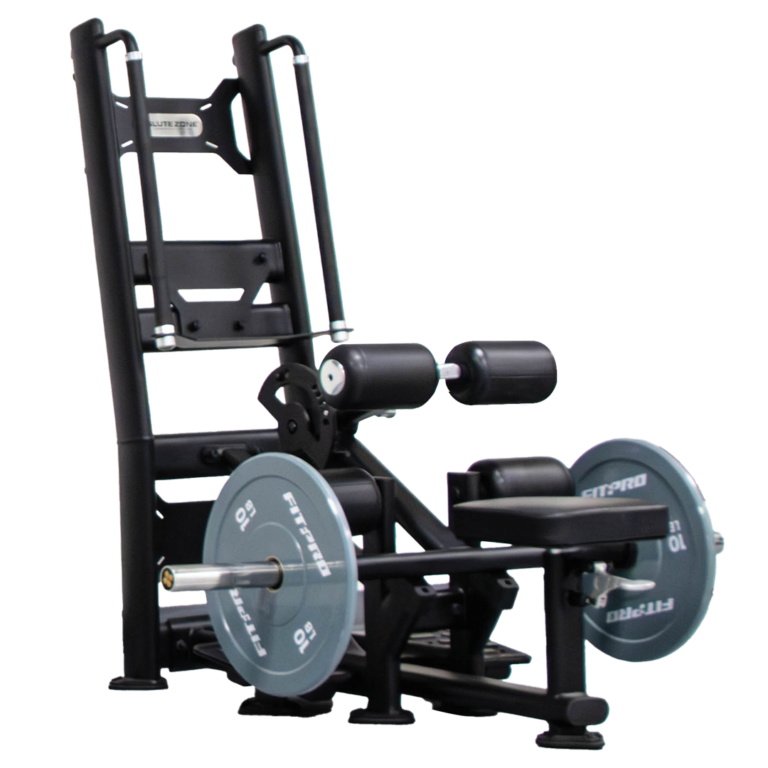
Read that study the right way and it is good news. It means the hip thrust is a proven, legitimate way to grow your glutes, comparable to the most respected lower body exercise in the gym, while being far easier to learn and coach on a machine. It also means no single exercise is magic. Pair your machine work with a hinge pattern, a squat pattern like the Pendulum Squat, and progressive loading over months, and you are following the evidence instead of chasing a headline.
Fuel matters too. The Morton 2018 meta analysis, pooling 49 studies and 1,863 participants, found gains in fat free mass increased with protein intake up to about 1.6 grams per kilogram of body weight per day, with no further benefit beyond roughly 1.62 grams on average. You do not need a perfect diet in week one. You need enough protein, enough food, and sleep, repeated consistently.
A Note for Gym Owners: Coaching Beginners Is a Retention Tool
For gym owners, this guide doubles as a five minute induction script. A new member who learns the hip thrust machine on day one, with their seat setting written on their program card, will use it every week. A member who finds it confusing will quietly avoid the area where it sits, and the machine earns nothing. Put the setup checklist on a small card at the station. Run a beginner glute circuit in off peak hours that starts on the machine, where success is easy to feel. And when a member asks why the gym invested in a dedicated station instead of another barbell, the honest answer is in the research above: a guided machine teaches the pattern faster, loads it safely, and serves everyone from a first week beginner to a strong lifter working near the 550 lb horn capacity.
Home gym buyers should read that same paragraph as reassurance. A machine that a complete beginner can set up alone in under a minute, and that still has headroom years later, is exactly what a home gym needs.
Frequently Asked Questions
Is the hip thrust machine good for beginners?
Yes. The guided path, fixed back pad and padded belt remove the balance and setup problems of the barbell version, so beginners can learn hip extension and feel their glutes from the first session. Start light and master the setup checklist first.
How much weight should a beginner start with?
Start with no load or the lightest load the machine allows for two rehearsal sets, then choose a working load that allows 3 sets of 8 to 12 clean reps with a pause at the top. Add load only in small steps once every set reaches the top of the rep range with the same form.
How often should beginners do hip thrusts?
Twice a week is a strong default, with at least 48 hours between sessions. Research comparing frequencies found twice weekly training produced greater hypertrophy than once weekly, and the GluteZone guidance is 2 to 3 sessions per week with rest between them.
Where should my feet go on the hip thrust machine?
Flat on the platform, roughly shoulder width apart, positioned so your knees are near a 90 degree angle at the top of the thrust. Adjust from there: farther feet usually means more hamstring, closer feet usually means more quadriceps.
Will the hip thrust machine grow my glutes on its own?
It is a proven glute builder. A nine week MRI trial found hip thrust training produced glute growth similar to back squat training. For the best long term results, combine it with other patterns, progressive overload, adequate protein around 1.6 g/kg/day, and consistent training over months.
Start Your First Week Right
If your gym has a hip thrust machine, your next session is already planned: set the seat, check the belt, rehearse light, and log your baseline. If you are equipping a gym or a serious home gym, look at the GluteZone Hip Thrust Machine (https://glutezone.com/product/hip-thrust-machine/) and the Pendulum Squat (https://glutezone.com/product/pendulum-squat/) as a complete glute station pairing. GluteZone offers Affirm financing, so you can spread the cost while the equipment starts working. Get a quote or ask a setup question at https://glutezone.com/contact/ and we will help you get the details right.
Ready to build your glute zone?
Commercial grade equipment, honest setup help, and Affirm financing available.
See the Hip Thrust MachineGet a QuoteSources
Contreras B, Vigotsky AD, Schoenfeld BJ, Beardsley C, Cronin J. A Comparison of Gluteus Maximus, Biceps Femoris, and Vastus Lateralis Electromyographic Activity in the Back Squat and Barbell Hip Thrust Exercises. Journal of Applied Biomechanics, 2015. 13 trained women; mean upper gluteus maximus EMG 69.5% vs 29.4%, mean lower 86.8% vs 45.4%.
Schoenfeld BJ, Ogborn D, Krieger JW. Effects of Resistance Training Frequency on Measures of Muscle Hypertrophy: A Systematic Review and Meta-Analysis. Sports Medicine, 2016. Training muscle groups twice per week promoted greater hypertrophy than once per week.
Morton RW et al. A systematic review, meta-analysis and meta-regression of the effect of protein supplementation on resistance training-induced gains in muscle mass and strength in healthy adults. British Journal of Sports Medicine, 2018. 49 studies, 1,863 participants; breakpoint near 1.6 g/kg/day.
Pallares JG et al. Effects of range of motion on resistance training adaptations: A systematic review and meta-analysis. Scandinavian Journal of Medicine and Science in Sports, 2021. 16 studies; full ROM lower limb hypertrophy effect size 0.88, strength 0.56.
Plotkin DL et al. Hip thrust and back squat training elicit similar gluteus muscle hypertrophy and transfer similarly to the deadlift. Frontiers in Physiology, 2023. 34 untrained participants, 9 weeks; similar glute hypertrophy, greater quad and adductor growth with squats.
GluteZone Hip Thrust Machine official product page, glutezone.com, verified 25 Oct 2026: price $2,239, 550 lb plate horn capacity, 357 lb frame, 16 point adjustable seat, anchor hole ports, belt and foot placement and frequency guidance as cited.